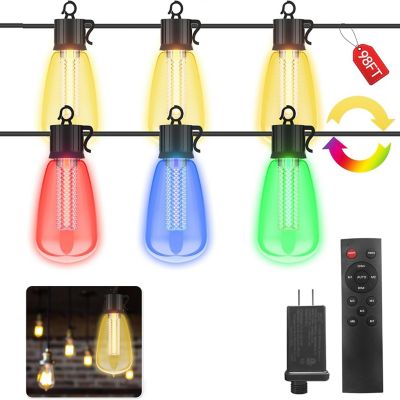
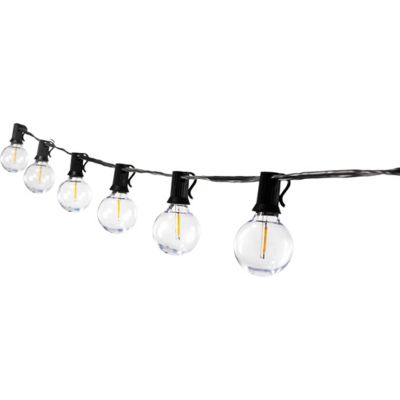
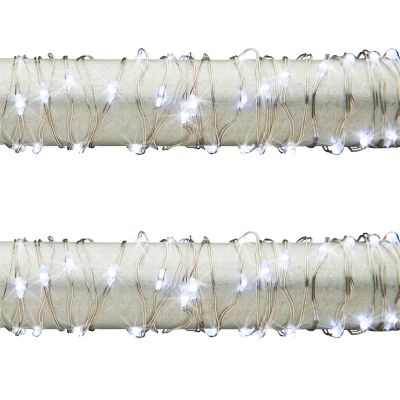
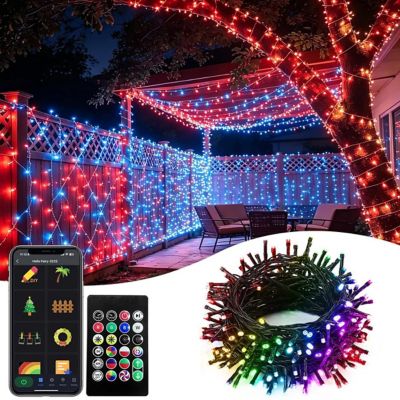
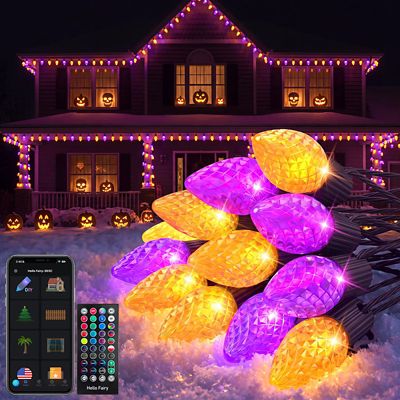
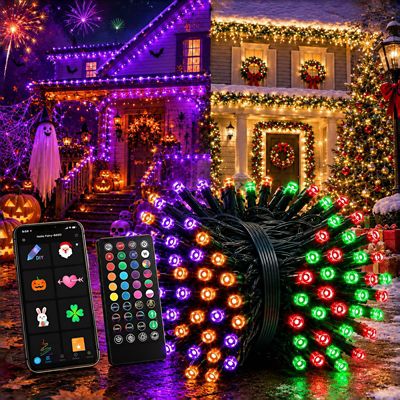
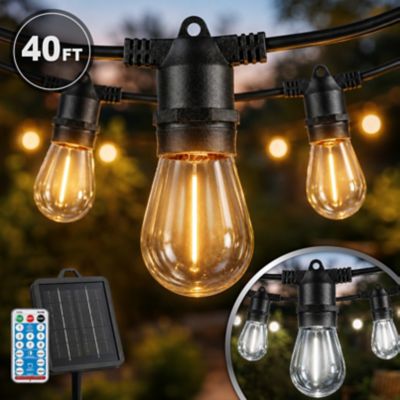
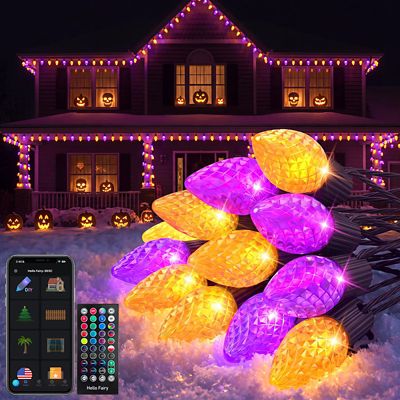
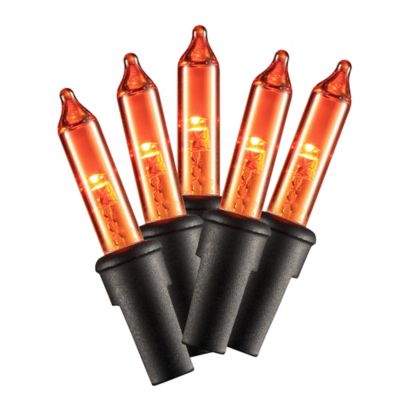
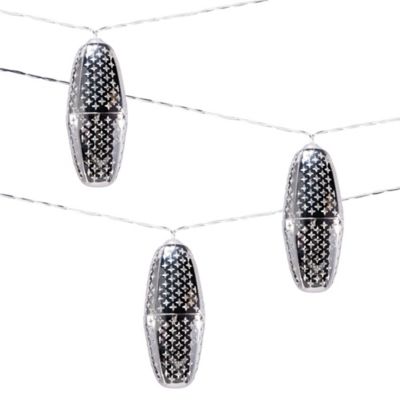
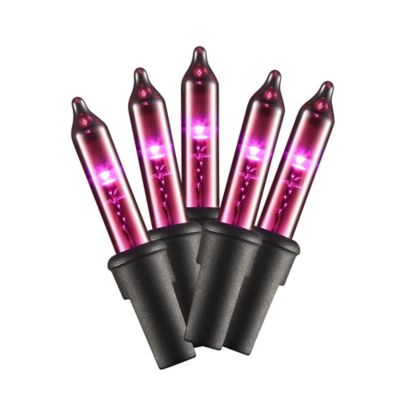
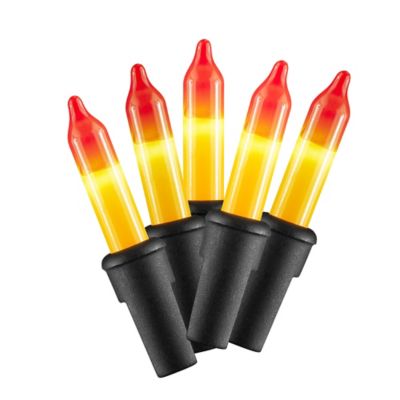
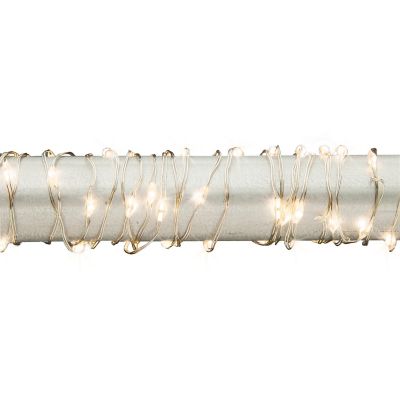
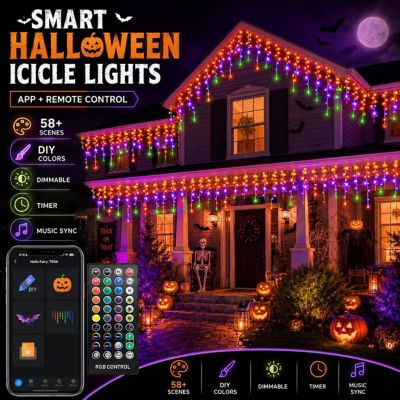
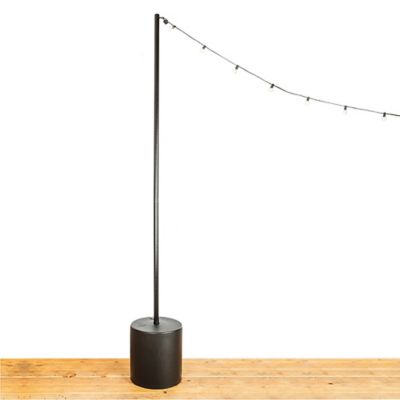
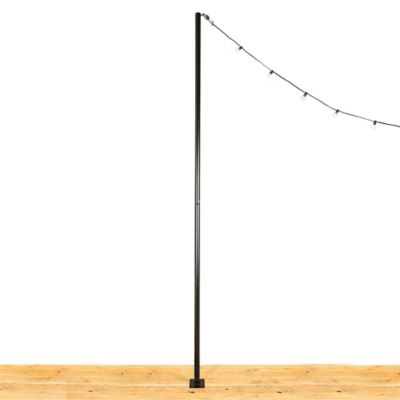
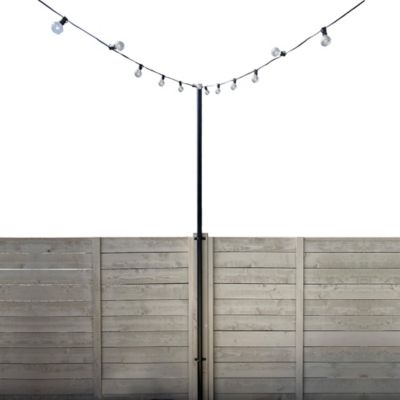
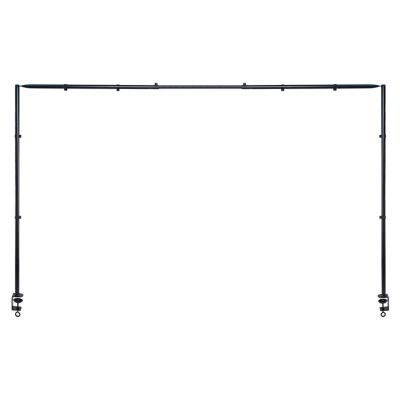
Weatherproof outdoor string lights bring welcoming light to patios, decks, pergolas and backyard gathering spaces, helping a stretch of fence or a plain porch feel more inviting after sundown. Their defining feature is construction rated for outdoor exposure, though the level of protection varies by design. A set intended for a sheltered porch may have different requirements than one hanging above an open patio, where rain can reach bulbs, sockets and cords. Checking the stated location rating helps match the lights to the setting; the word weatherproof alone does not mean every part can sit in standing water or withstand every condition. Around a country home, these lights can frame a picnic table, trace the edge of a covered deck or add a soft glow outside a gathering spot near an outbuilding. They work best as ambient lighting rather than a replacement for bright task lights at a workbench, grill or set of steps. Bulb shape, spacing and brightness all influence the result. Small, closely spaced bulbs create a continuous line of light, while larger bulbs with wider gaps give each point of light more room to stand out. Warm white light generally feels softer around a supper table, while a more neutral white can make a seating area feel brighter and crisper. Color temperature, listed in kelvins when provided, helps describe that difference, while lumen output describes brightness. Wattage measures power consumption, so it is not a direct brightness comparison between different lighting technologies. Clear bulbs show the light source more plainly; frosted bulbs soften its appearance and can reduce the harsh look of exposed points of light. Dimming can add flexibility for a quiet evening or a full table, provided the bulbs, string and dimmer are compatible. The most comfortable arrangement puts light where people gather without shining straight into their eyes or across a neighbor’s yard.
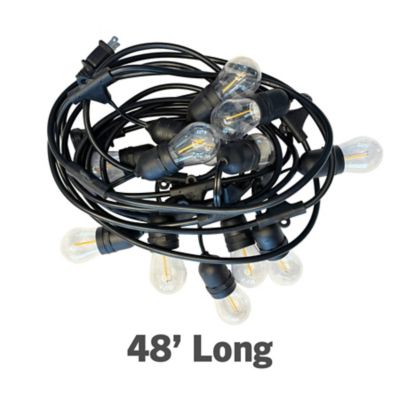
Materials and dimensions matter just as much as the glow. Glass bulbs offer a crisp appearance, while shatter-resistant plastic bulbs can be a practical consideration near active seating areas, gates or places where a ladder might bump a hanging strand. Shatter-resistant does not mean unbreakable, and neither bulb material removes the need for secure mounting. Socket housings, cord insulation and exposed hardware all have a part in how a string handles outdoor exposure. Manufacturer specifications may identify resistance to moisture, sunlight or corrosion, along with any operating-temperature limits. An ingress protection rating, often shown as an IP code, describes tested protection against solids and water; it does not automatically mean the entire setup can remain submerged. Plugs, controllers and extension-cord connections may have separate protection requirements. Fit starts with the actual route between mounting points, not just the straight-line distance across the patio. A gentle hanging curve takes more cord than a tight span, and the listed overall length may include an unlit lead between the plug and the first bulb. Illuminated length, socket spacing and distance to a suitable outlet help show how the arrangement will look before anything goes overhead. Long spans may require a support cable, depending on the manufacturer’s directions, rather than relying on the electrical cord to carry the load. Outdoor-rated clips and mounting hardware help keep the strand supported without pinching or piercing its insulation. Strings should stay clear of door swings, sharp metal edges, hot surfaces and livestock areas where cords could be pulled or chewed. For plug-in lighting, a GFCI-protected outdoor receptacle and an outdoor-rated extension cord are important parts of the setup. Connected strands must stay within the stated maximum load or connection limit, which can vary even when two sets look alike. Keeping cords out of walkways and connections away from pooled water makes the space easier to enjoy without turning a trip to the back door into an obstacle course.
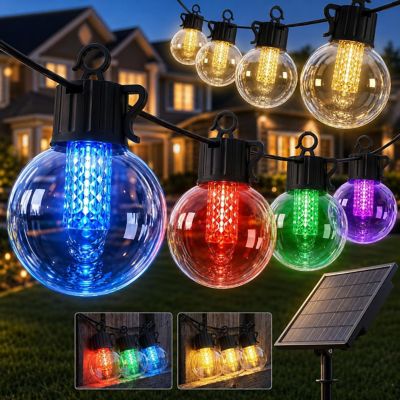
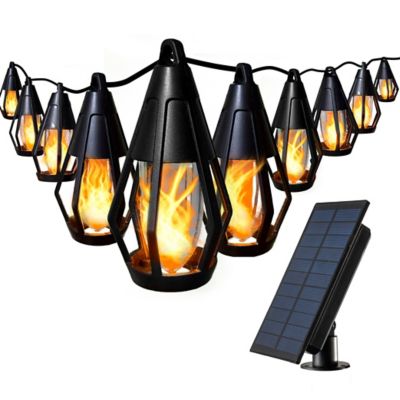
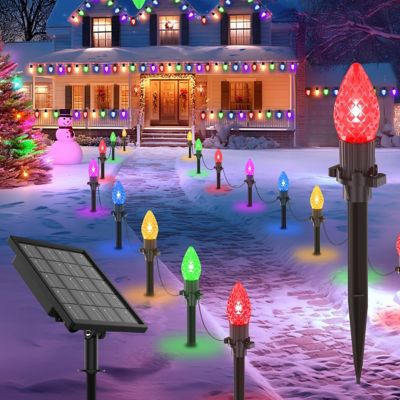
Power source also shapes where weatherproof outdoor string lights make sense. Plug-in designs suit spaces with convenient access to an appropriate outlet and can support regular evening use without depending on daily sunshine. LED bulbs generally draw less electricity than comparable incandescent bulbs, though actual consumption depends on the set’s specifications. Solar-powered strings offer another option for a seating area farther from the house, with a panel that needs enough direct sunlight to charge the battery. A panel tucked under a deep porch roof or shaded by a large tree may not collect enough energy for the expected running time. Shorter daylight hours, cloud cover, dirt on the panel and battery condition can all affect performance, so solar operation should not be treated as a promise of all-night light. Some arrangements pair overhead strings with
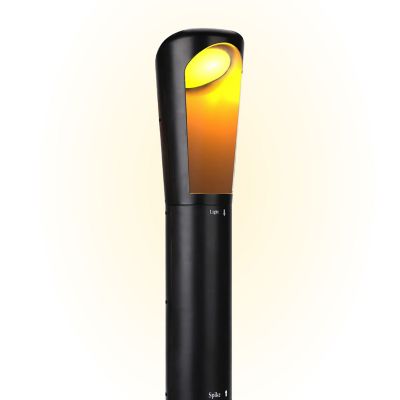
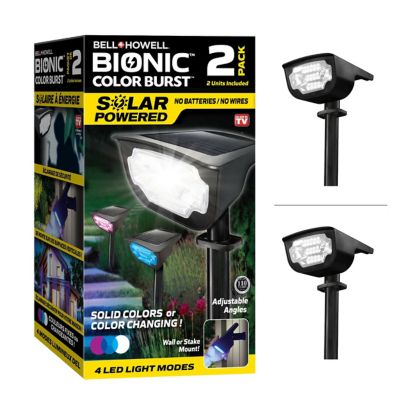
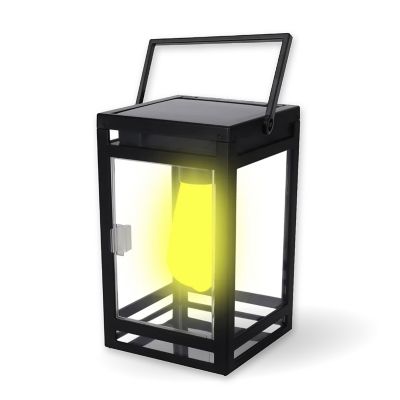
Weatherproof Solar Garden Lights along nearby planting beds, bringing light to different heights without asking one strand to illuminate the whole yard. Controls are worth considering, too: a timer, dusk sensor or remote can simplify everyday operation, but each feature needs to match the power source and installation conditions. Care is usually straightforward when it follows the manufacturer’s directions. With power disconnected, a soft cloth can remove dust and cobwebs from bulbs, while a clear solar panel gives sunlight a better path to its surface. Periodic checks can catch cracked sockets, loose mounting points, damaged insulation or moisture where it does not belong. Replaceable bulbs need the specified base, voltage and wattage; sealed LED strings may require a different approach if a light fails. Wind, ice and heavy snow can place extra strain on hanging runs, even when the electrical components carry an outdoor rating. Taking lights down when their instructions call for storage, letting them dry and winding them loosely helps protect cords and bulbs between setups. Those details help keep the focus on a comfortable place to sit, share a meal and enjoy the yard after dark.