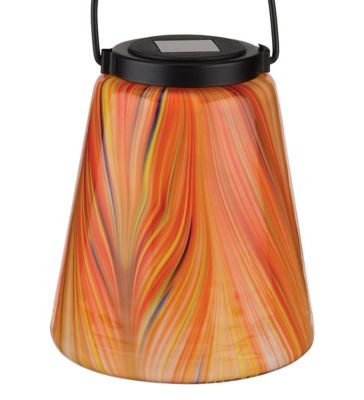
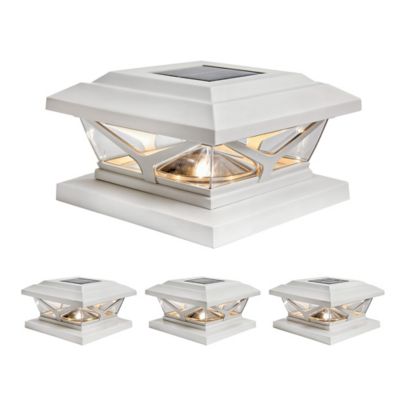
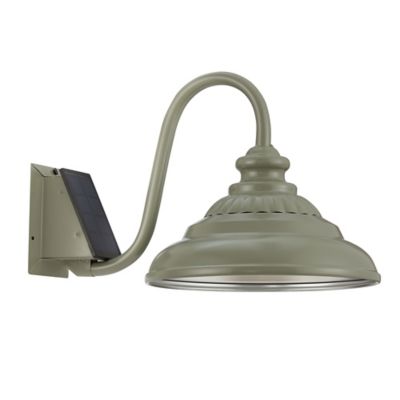
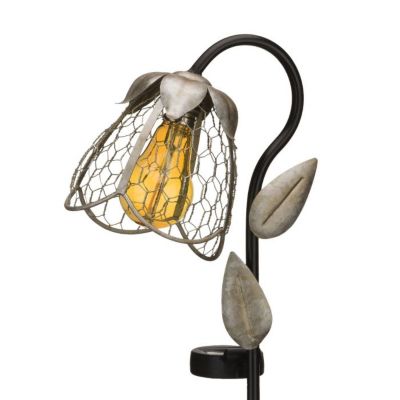
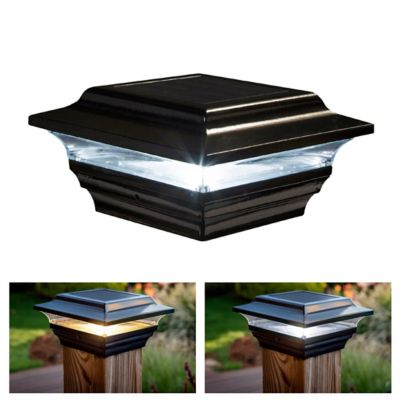
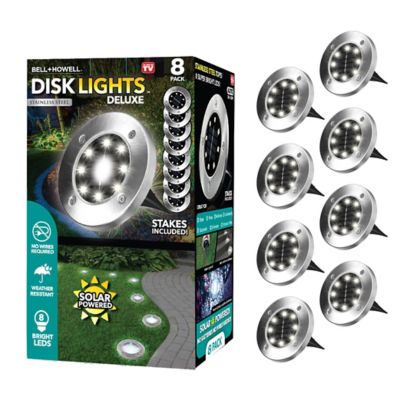
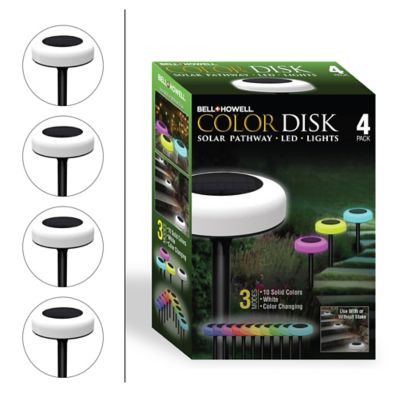
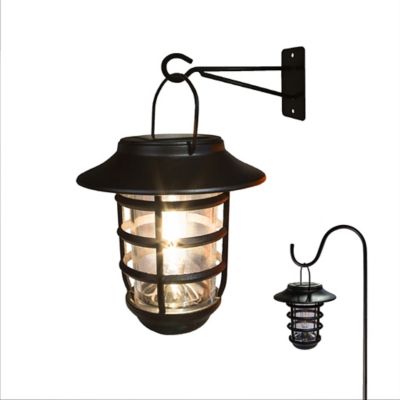
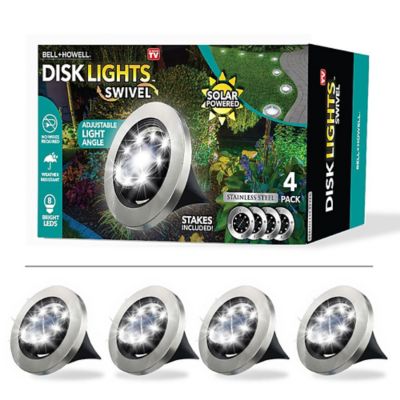
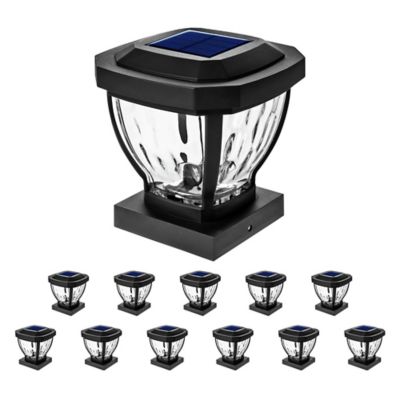
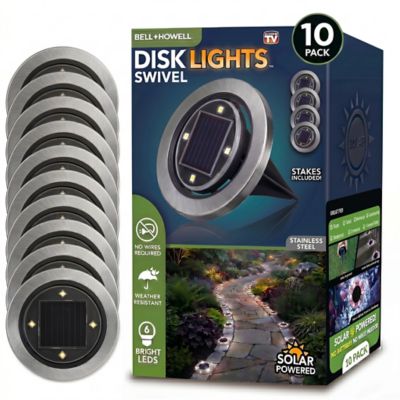
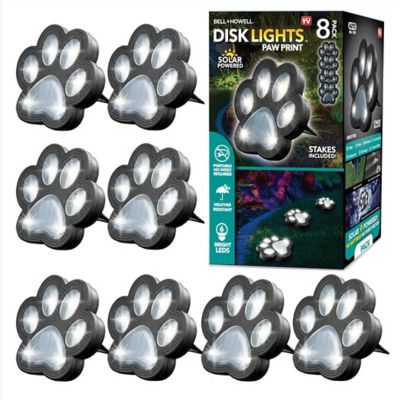
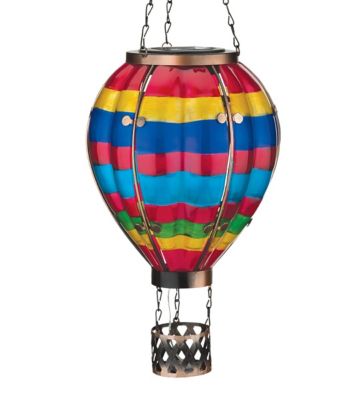
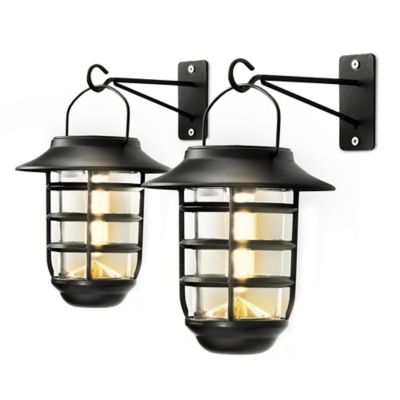
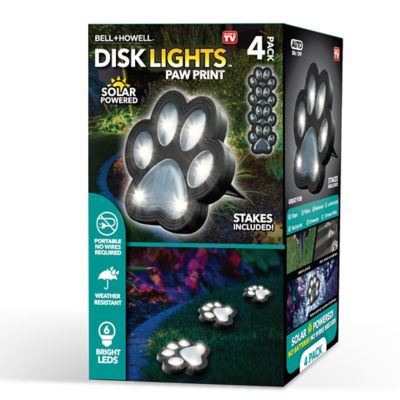
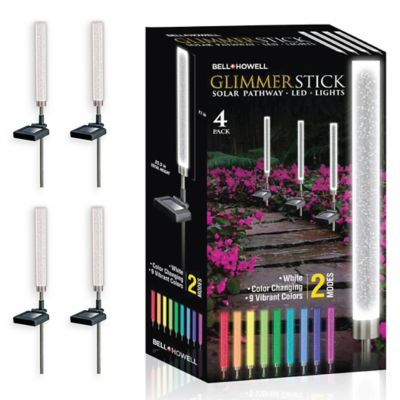
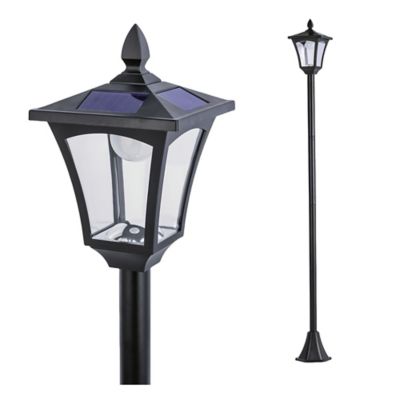
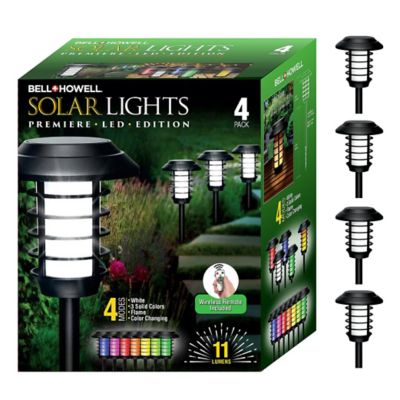
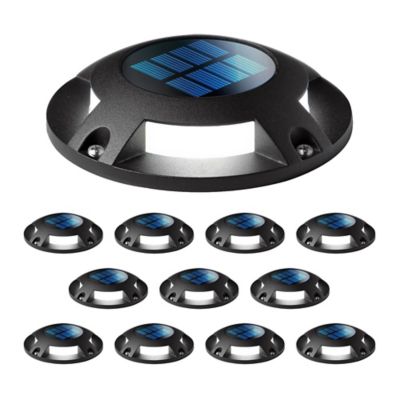
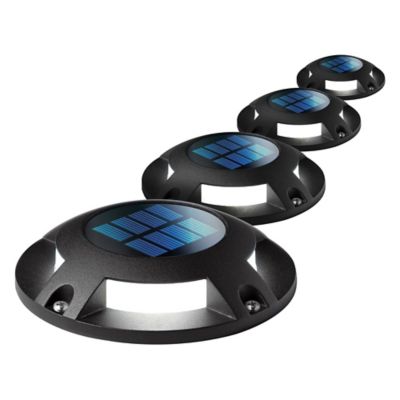
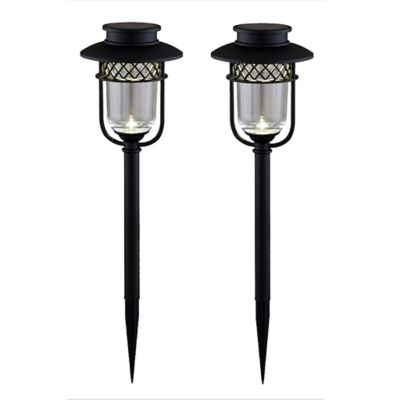
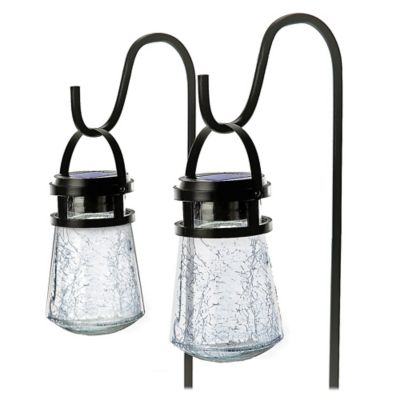
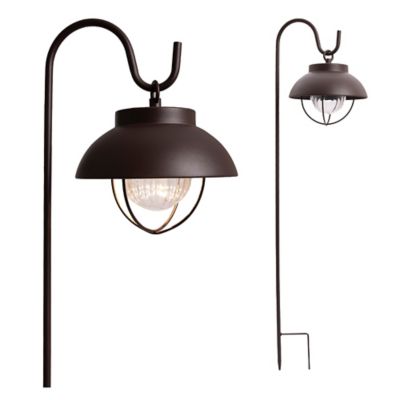
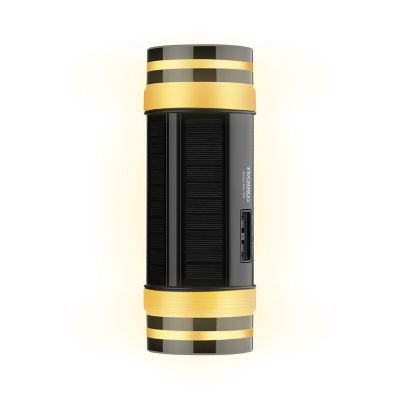
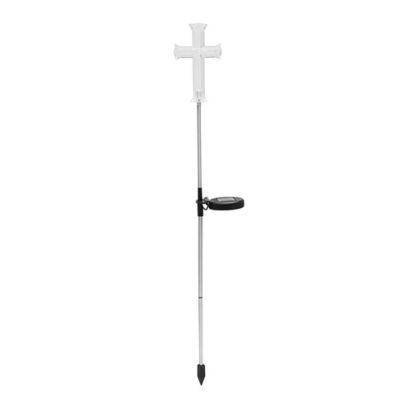
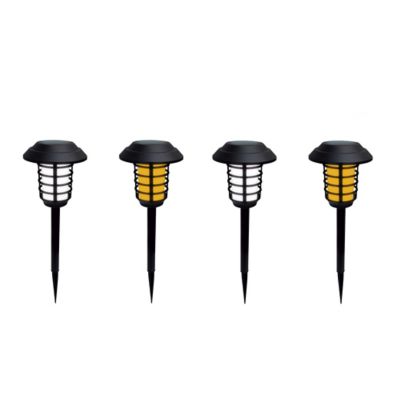
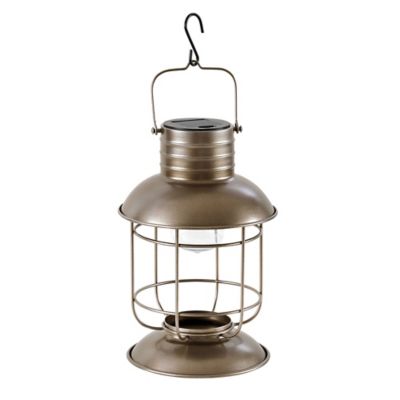
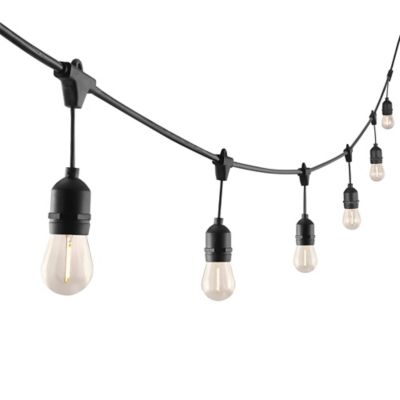
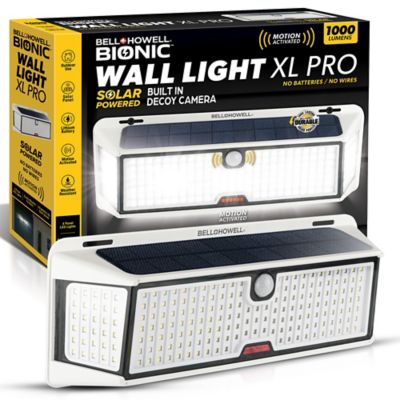
Weatherproof solar garden lights make it easy to add a little light around the yard without running extension cords or digging in wiring. Each fixture uses a small solar panel to collect daylight, stores that energy in a rechargeable battery and powers an LED after dark. They can be a handy choice for country homes, town yards, rental properties, campsites and garden spaces where a nearby outlet is hard to reach. Use them to outline a walkway from the driveway to the porch, mark the edge of a flower bed, brighten steps, or add a soft glow around a patio, fire ring or sitting area. Pathway and stake lights are useful for creating a steady line along a route, while flat ground lights sit close to the soil or lawn and help define borders without getting in the way of a mower. Solar spotlights can be aimed toward a favorite tree, flagpole, barn wall, fountain or other feature that deserves a little attention after sunset. With LED bulbs, many outdoor solar lights use very little stored power and can provide several hours of illumination when the battery has had a full charge. The light may be gentle and welcoming or brighter and more focused, depending on the fixture’s design, so it helps to match the style to the job. Soft light works well around flower beds and seating areas, where it adds atmosphere without washing out the evening sky. A brighter beam is better for seeing a path, steps or changes in ground level. When comparing sets, look at the stated run time, the number of lights included, the spacing between fixtures and whether the light comes on automatically at dusk. A larger panel and a higher-capacity battery may help a light stay on longer, especially when daylight is limited or the evenings stretch on during the cooler months.
Outdoor conditions matter when choosing solar garden lighting. Look for a weather-resistant construction and check the product’s IP rating, which describes how well the enclosure protects against dust and moisture. An IP65 rating generally indicates protection from dust and water jets, while IP67 and IP68 ratings offer added protection against temporary or extended water exposure, depending on the manufacturer’s specifications. No outdoor light should be placed where it will sit in standing water unless it is designed for that use, and even a well-sealed fixture needs sensible placement. Set solar panels where they can receive several hours of direct sunlight, rather than beneath a thick tree canopy, under a porch roof or beside a tall shed that casts a long shadow. Morning and afternoon sun both help, though a panel facing an open stretch of sky will usually perform better than one tucked behind landscaping. Wipe dust, pollen and bird residue from the panel with a soft, damp cloth so it can collect light efficiently. Keep grass, mulch and fast-growing plants from covering the panel, and make sure stakes are pressed into firm soil instead of being driven into hard ground where they may bend or crack. During rainy stretches, overcast days or periods of frost, charging may take longer and the light may run for fewer hours. That is normal for solar-powered lighting, and choosing a sunny location gives the battery the best chance to recharge. Before installation, walk the area after dark if possible. A path that looks clear in daylight can have a low step, uneven paver or muddy edge that deserves more visibility. Space fixtures so they guide foot traffic without producing a string of harsh, crowded spots. For broader ideas and moisture-resistant options, browse
Waterproof Garden Lights.
Weatherproof solar garden lights also make a practical gift for someone who enjoys working outdoors, fixing up a porch, tending a vegetable patch or making the most of a small backyard. They are useful for new homeowners, gardeners, campers and anyone who likes a welcoming entrance without adding to the electric bill or calling an electrician. A set can help a family freshen up a walkway before outdoor gatherings, give a grandparent an easier-to-see route from the house to the garden, or add a cozy finishing touch around a friend’s patio. They fit naturally with everyday outdoor living: a few lights along the garden gate, small markers around a mailbox, or a gentle glow near a dog’s run can make the property feel more finished when daylight fades. For fall decorating, warm-toned lights can complement pumpkins, hay bales, mums and rustic porch décor without being limited to one celebration, and they can remain useful long after seasonal decorations are put away. Choose durable housing when the lights will be exposed to sprinklers, wind, mud, rain or temperature swings, and consider metal or sturdy plastic construction based on the setting and the amount of handling expected. A removable panel, accessible battery compartment or replaceable rechargeable battery may make future upkeep simpler, though features vary by design. It is also worth checking whether the light includes an on-and-off switch, a low or high setting, adjustable heads, multiple lighting modes or a timer. These details can make a difference on a working property, where a light may need to stay dim near a bedroom window but shine more brightly along a dark side path. Keep expectations realistic: solar garden lights are intended for decorative lighting, path marking and general visibility, not as a replacement for wired floodlights or dedicated security systems. Once placed in a sunny spot and kept clear of debris, they offer a simple way to bring dependable evening character to gardens, walkways and gathering spaces through changing weather and the cooler months.