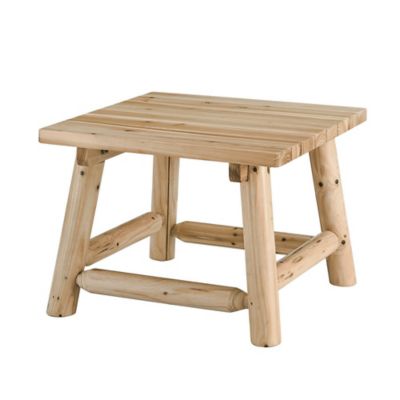
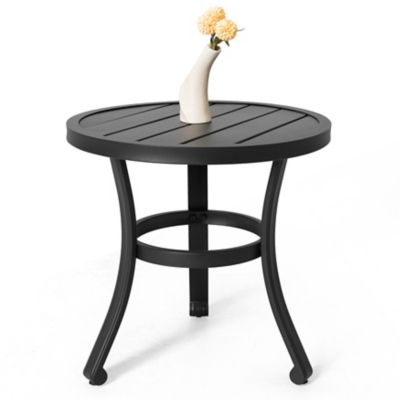
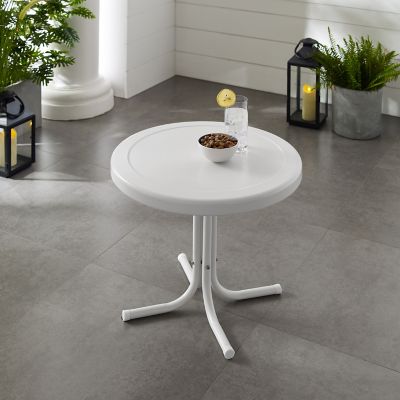
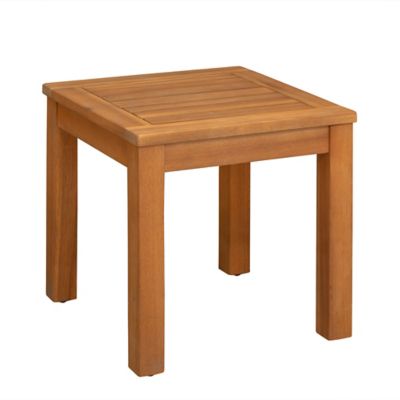
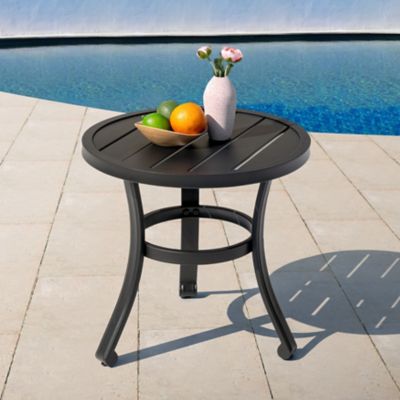
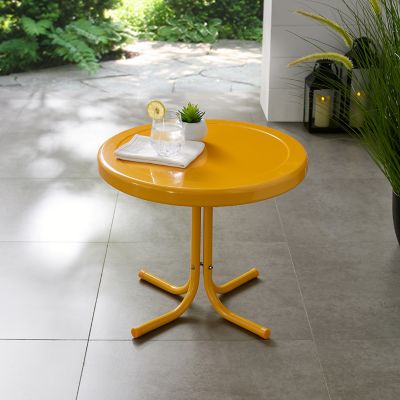
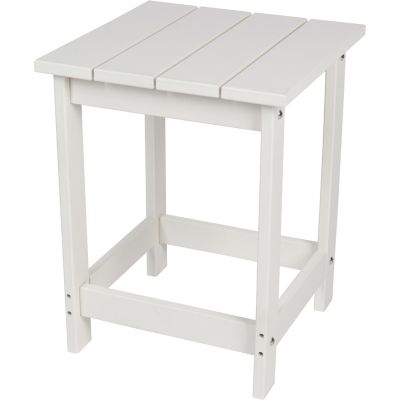
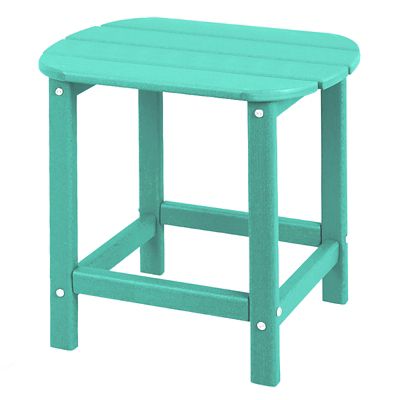
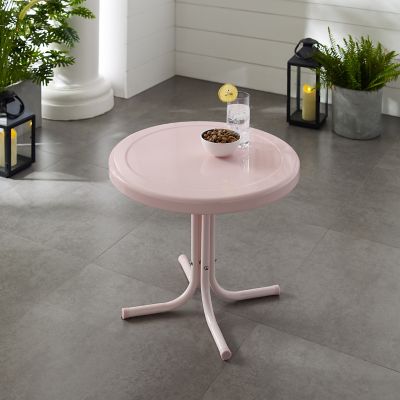
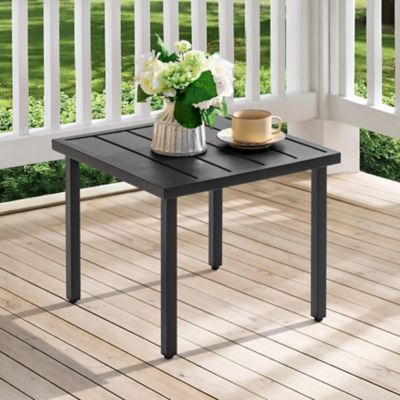
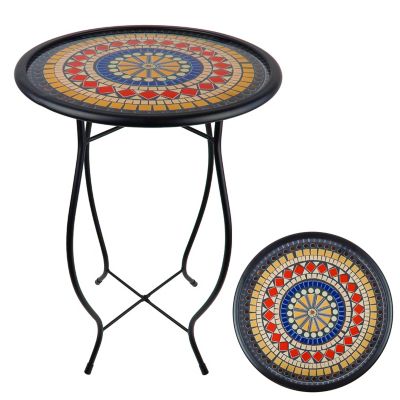
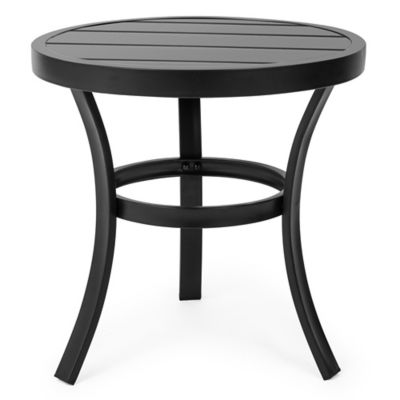
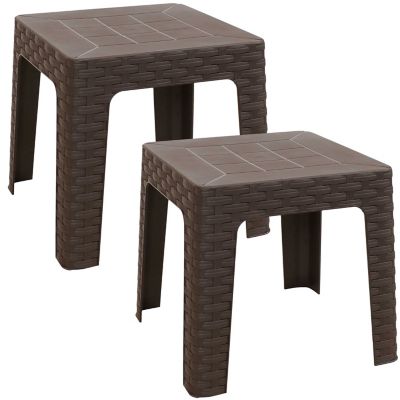
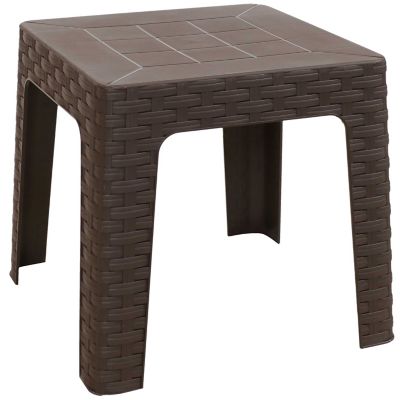
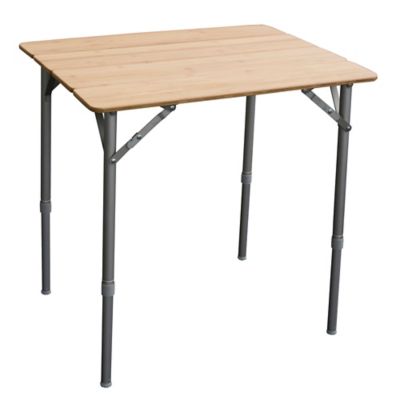
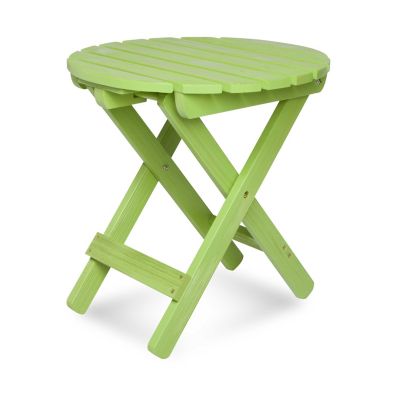
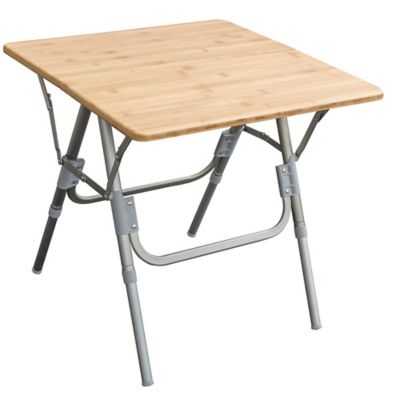
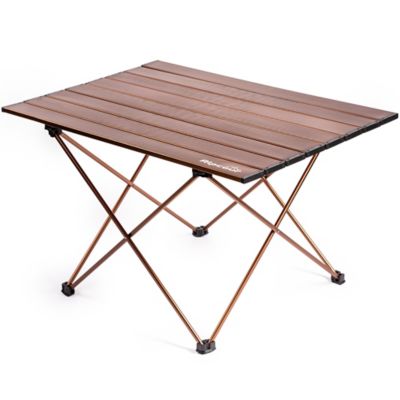
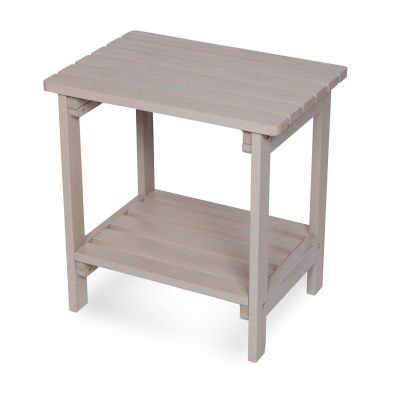
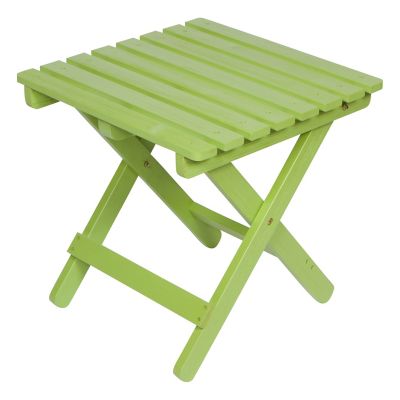
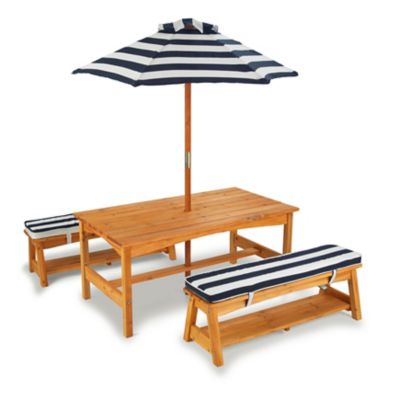
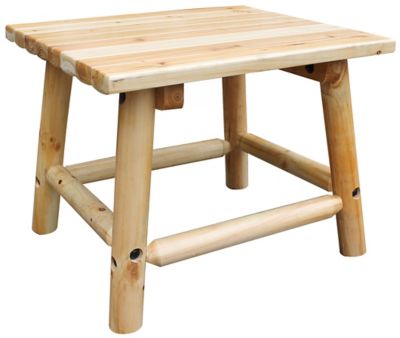
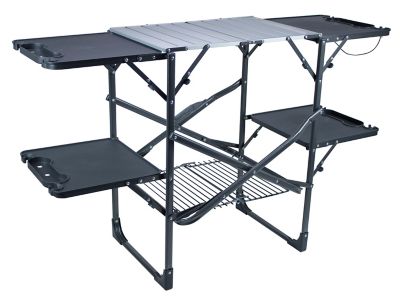
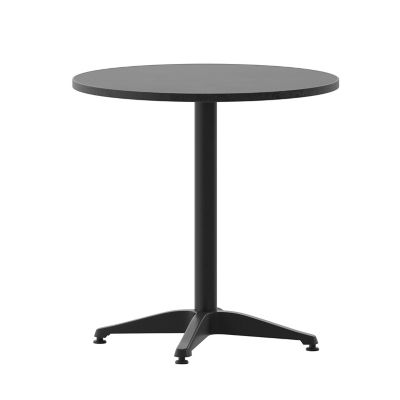
Small outdoor side tables keep drinks, books and everyday essentials close beside patio chairs, porch rockers and outdoor sofas without taking up much floor space. Common materials include metal, wood, HDPE plastic, polypropylene and concrete, each with a different balance of weight, upkeep and appearance. A small table can give a coffee cup a steady landing spot before morning chores, hold a pitcher between two chairs or keep a phone off the porch floor while everyone catches up. The right fit starts with the space around the seating, not just the tabletop dimensions. A top around 14 to 20 inches across can offer room for a drink and a snack, while a narrower profile may suit the gap beside a chair or the end of a compact bench. Check the full footprint, including legs that angle outward, and leave enough clearance for people to walk past without turning sideways. A porch rocker also needs room to move without its runners bumping the table legs. Height matters just as much: a tabletop close to the chair arm generally makes reaching for a mug easier, while low lounge seating calls for a lower surface. Round tops have no corners projecting into a tight walkway; square and rectangular shapes can tuck neatly alongside straight furniture edges. Nesting designs provide an extra surface when company comes over, and folding designs can make storage simpler when the seating area needs to clear out. For a pair of chairs, one shared table may be enough, provided both people can reach it comfortably. On a narrow balcony or a small back porch, a separate table at each end of a bench can leave the middle open. Think about what will actually sit on top, too. A broad, flat surface suits a tray or serving bowl, while a compact top may be all that is needed for a glass and a paperback.
Material choice affects how a small outdoor side table feels, how easily it moves and what it takes to keep it looking good. Aluminum is relatively light, making it practical for rearranging a patio or pulling a table closer to a chair. Steel generally brings more heft, and a protective finish helps limit corrosion; chips and scratches deserve attention according to the maker’s care directions. Powder-coated metal can provide a smooth surface in a range of colors, though the coating still needs protection from scraping objects and harsh cleaners. HDPE, short for high-density polyethylene, is a plastic material often formed into solid boards for outdoor furniture. It does not require wood stain, but colorfastness, construction and care requirements depend on the table. Polypropylene is another plastic option, often molded into lightweight shapes or textured surfaces. With either material, look at the stated weight capacity and the way the legs connect rather than judging strength by appearance alone. Wood brings visible grain and a warm, natural look that fits easily beside a porch swing or a row of rocking chairs. Acacia, teak and eucalyptus are among the woods found in outdoor furniture, and their care needs vary with the species and finish. Some wood surfaces gradually change color with exposure, while maintaining a particular tone may call for an appropriate treatment. Concrete and stone can provide substantial weight in a compact footprint, but moving them takes more effort, and certain surfaces may need sealing or protection from staining. Ceramic and glass tops offer a different look and feel, with extra attention needed around impacts, edges and care directions. For glass, check that the top is intended for outdoor furniture. Woven resin designs add texture, while the frame beneath the weave helps determine overall support. Across all materials, tight joints, secure hardware, level contact with the ground and a stated load limit are useful details when comparing tables meant for everyday use.
The little details often decide whether a patio side table earns its spot beside the chair. A solid top keeps small objects from slipping through, while a slatted top lets water pass between the boards but may not suit narrow cup bases or small game pieces. Raised edges can help contain a tray or loose belongings, though they may make it harder to slide something across the surface. A lower shelf adds space for a basket, reading material or serving supplies without widening the table’s footprint; just leave enough room for feet and easy cleaning underneath. Adjustable feet can help on slightly uneven surfaces, but no table should rock, slide or lean when something is set down. Position legs fully on firm ground rather than straddling a gap between pavers, and check the weight limit before setting down a heavy planter. Side tables are not seats or step stools unless expressly designed for those purposes. For routine care, wipe away spills promptly, clear debris from joints and follow the material-specific cleaning directions. Mild soap and a soft cloth suit many finishes, while abrasive pads and strong cleaners can damage some surfaces. Check fasteners occasionally, especially on tables moved often, and let surfaces dry before covering or storing them. A manageable weight and easy-to-grip frame are handy when the porch needs sweeping or extra room is needed for gathering. For a housewarming gift, practical dimensions and simple care often matter more than an elaborate shape, particularly when the recipient has a modest patio or a favorite chair already in place. Browsing
Outdoor Tables For Small Spaces can also help put a side table in context with the rest of a compact seating area. The aim is straightforward: enough surface for the things that belong within arm’s reach, with enough open space left to settle in comfortably.