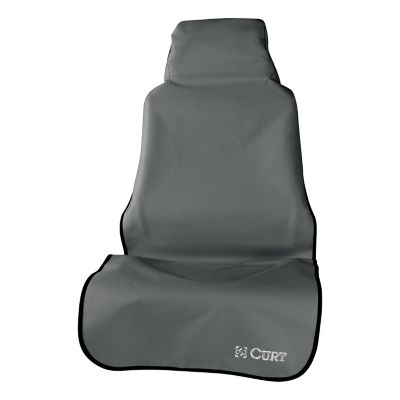
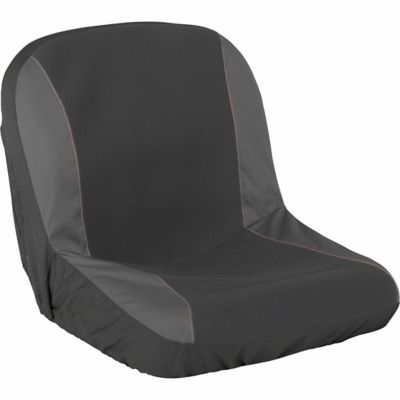
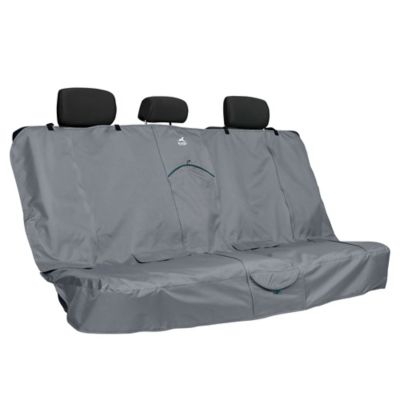
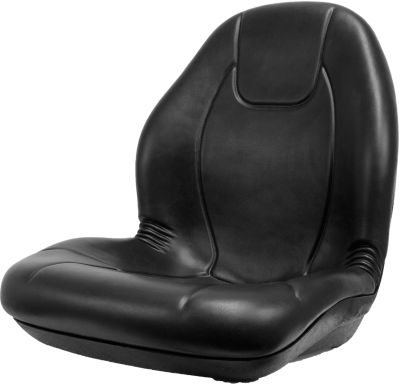
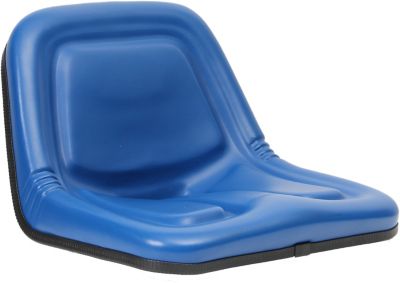
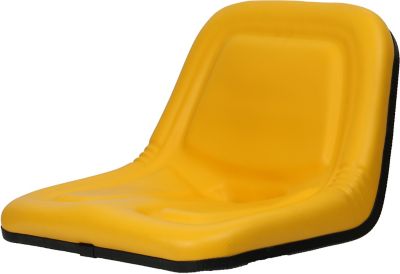
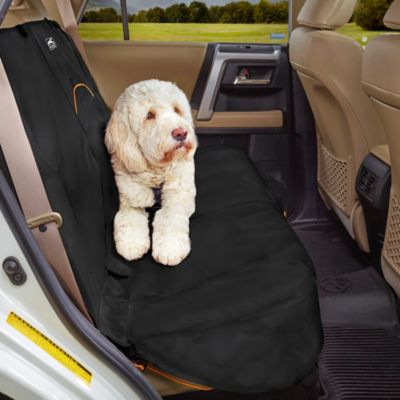
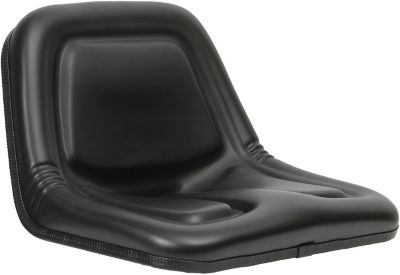
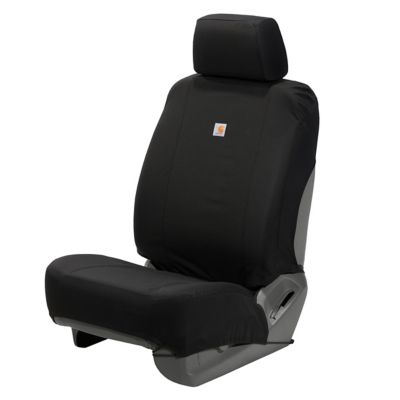
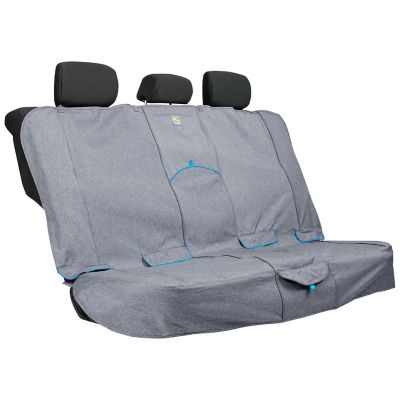
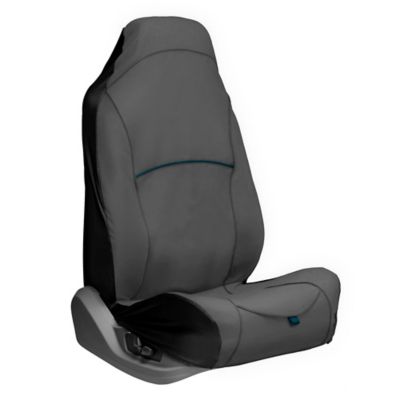
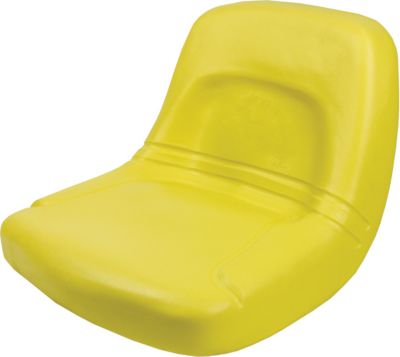
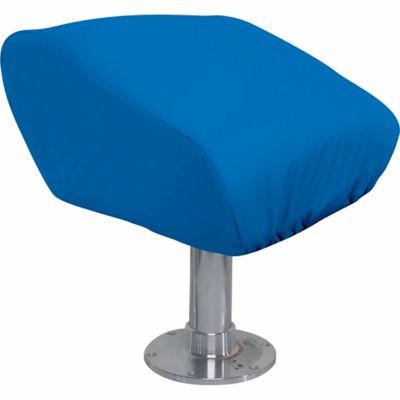
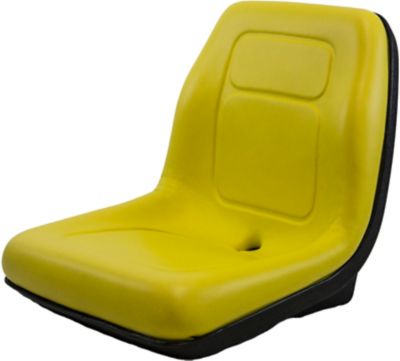
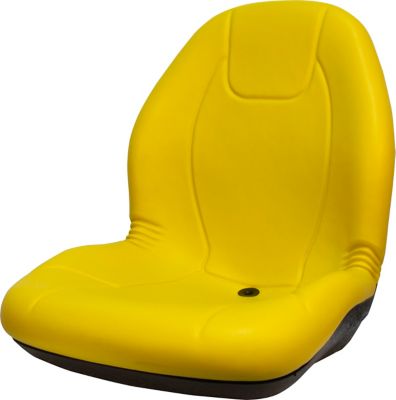
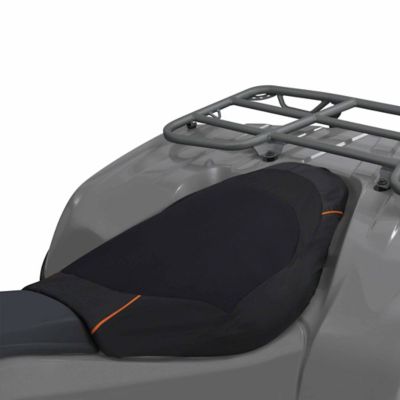
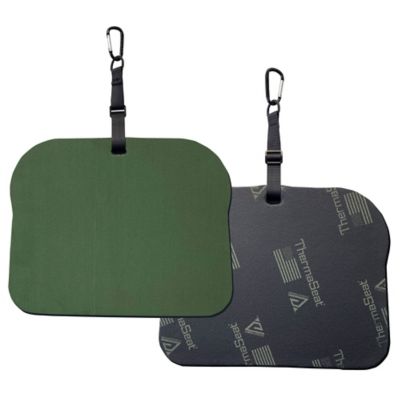
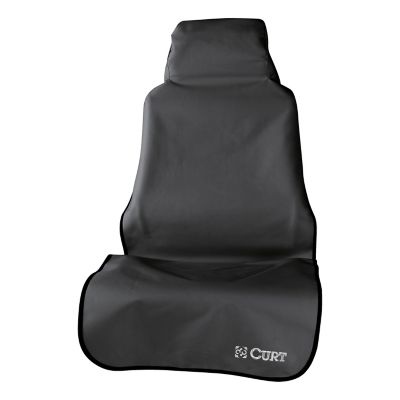
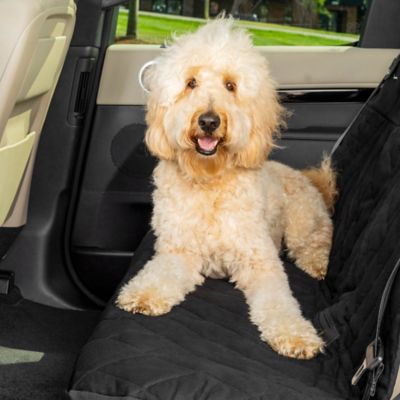
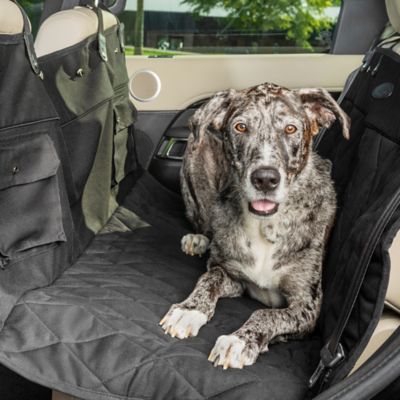
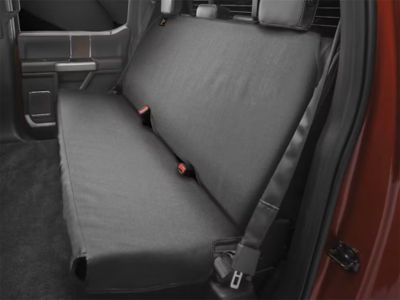
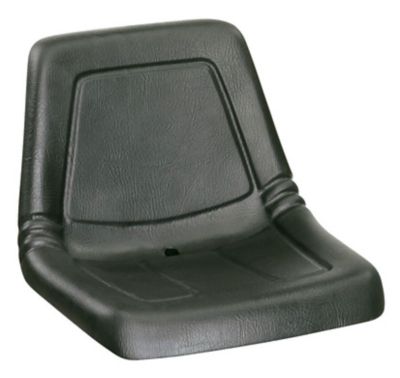
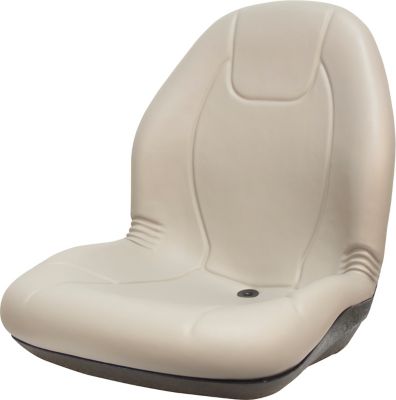
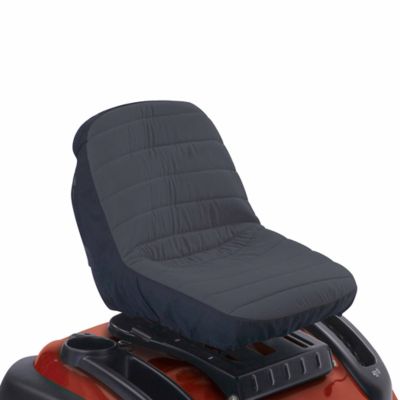
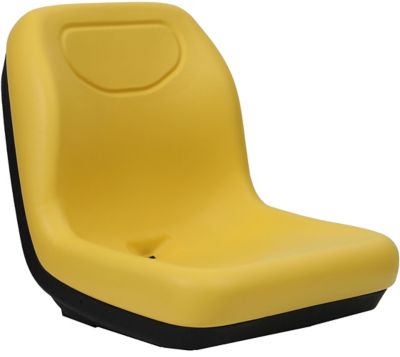
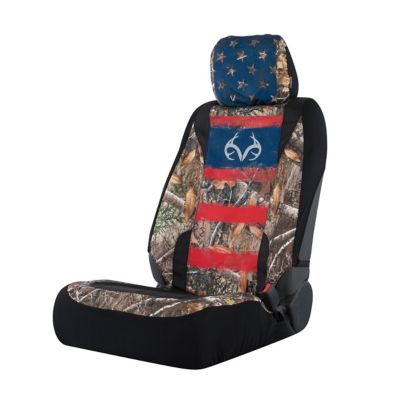
Waterproof seats and seat covers help keep everyday messes from settling into upholstery, cushions, and vehicle interiors. They are handy for anyone who spends time around mud, water, sweat, pets, tools, or young children, whether that means hauling feed after a rainy chore, loading a wet dog after a creek walk, or climbing into the truck after a long day outside. Depending on the design, a waterproof seat may be a slip-on cover for a car, truck, SUV, tractor, boat, kayak, raft, hunting stand, or outdoor chair, or it may be a built-in seat made with water-shedding materials and drainage openings. Some options are designed to block moisture from reaching the original seat, while others are made to dry quickly after rain or spray. Materials can include coated fabric, neoprene, vinyl, faux leather, layered textiles, and other durable surfaces that wipe clean with a damp cloth. When comparing options, start by thinking about where the seat will be used and what kind of moisture it needs to handle. A vehicle cover for muddy work clothes may need a different fit and texture than a marine seat exposed to rain, splashing water, and direct sun. A universal cover can be a practical choice when you want flexible use between vehicles or equipment, while a close-fitting style may provide a neater look and help reduce shifting during use. Check the listed dimensions, seat shape, headrest style, armrest placement, buckle or strap openings, and whether the cover is made for a single seat, a bench, or multiple rows. For outdoor seating, look for sturdy construction, reinforced seams, corrosion-resistant hardware, and a design that lets water drain instead of pooling. A little breathability can also matter, since trapped moisture may leave a seat feeling damp even when the outer surface looks dry.
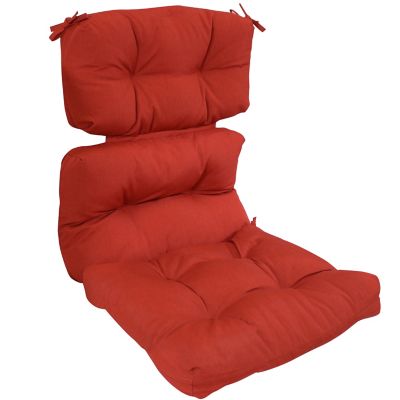
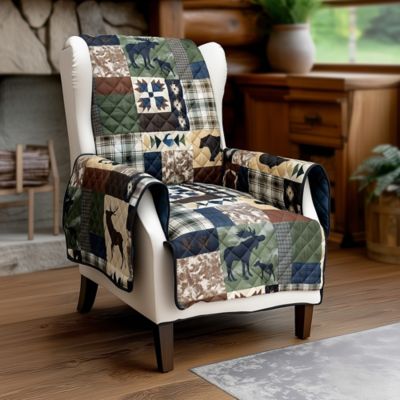
Waterproof seating is useful across a wide range of routines. Drivers who work on farms, ranches, construction sites, landscaping crews, and utility jobs can use covers to help protect cab seats from dust, manure, grease, grass clippings, sawdust, and wet workwear. Hunters and anglers may appreciate a seat that stands up to damp ground, early-morning dew, fish slime, bait, and muddy boots. For boating, rafting, and other water activities, a waterproof seat can make long rides more comfortable while helping the seating dry out between trips. Families often use protective seat liners or covers when children are potty training, carrying snacks and drinks, wearing wet swimwear, or coming home from an afternoon at the splash pad. Pet owners can place them under a dog’s paws after a bath, trail walk, or rainy game of fetch. A washable cover is especially helpful in these situations because it can be removed, rinsed, and put back to work without taking apart the original upholstery. Before buying, consider how often the seat will be removed for cleaning, how it attaches, and whether it can be wiped down with ordinary soap and water. Look for secure straps, nonslip backing, easy-access belt openings, and enough coverage around the seat back and lower cushion to catch the messes you expect. If the seat will live outdoors, compare its resistance to fading, mildew, cracking, and repeated temperature changes, and store it under cover when it is not needed for long periods. For a patio, porch, fire pit, or camp setup where rain is only part of the concern, browse
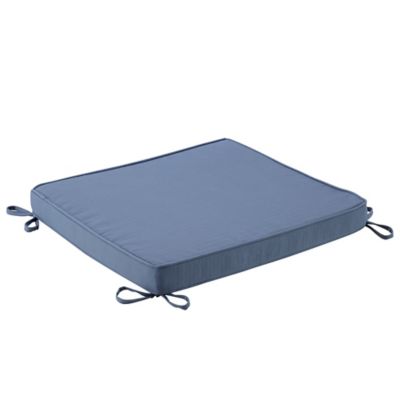
Weather Resistant Outdoor Seat Cushions for additional seating options made to handle changing outdoor conditions. Waterproof seats can also make a thoughtful gift for a new driver, an outdoorsman, a dog owner, a busy parent, or anyone who spends weekends working and playing outside. They are the kind of practical gift that earns its keep after the first muddy ride or sudden shower.
Fit, comfort, and care are just as important as water resistance. A cover that is too loose may bunch beneath you, slide when you get in and out, or leave gaps around the areas that need protection, while one that is too tight may strain its seams or make access to buckles difficult. Always follow the manufacturer’s fit and installation directions, especially when using a cover in a vehicle. Seat covers and liners should not interfere with seat belts, child safety seat harnesses, airbags, controls, or built-in safety features. For child car seats, use only a liner or protective accessory that is approved for that type of seat and installed according to the car seat and accessory instructions; extra padding or an ill-fitting layer can affect proper harness performance. Waterproof does not always mean indestructible, either. Sharp tools, pet claws, rough hardware, and prolonged exposure to heat can damage coated fabrics and vinyl, so keep abrasive items from rubbing against the surface and inspect seams, straps, and drainage areas from time to time. After exposure to rain, spilled drinks, or wet clothing, allow the seat or cover to dry fully before folding it away. Shake out dirt first, wipe off mud before it hardens, and use mild soap rather than harsh solvents unless the care instructions say otherwise. During the warmer season, waterproof seating can help manage sweat, sunscreen, damp towels, and muddy outdoor gear; as cooler weather settles in, it can protect against wet jackets, snowy boots, and rain-soaked pets. Choosing the right seat means matching the material, coverage, fit, and cleaning routine to the way you actually spend your time. With a dependable waterproof seat or cover in place, a little rain or mud is less likely to turn a truck cab, boat, outdoor chair, or family vehicle into a cleanup project.