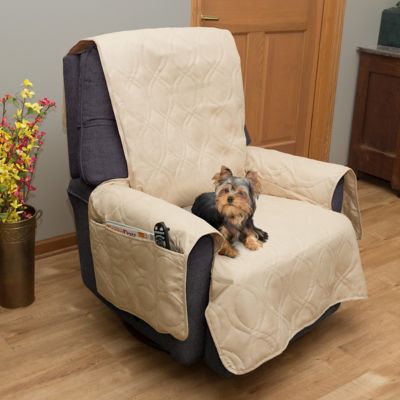
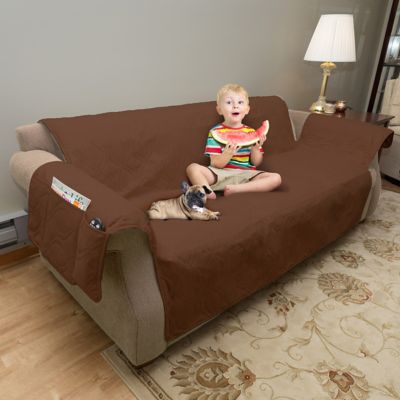
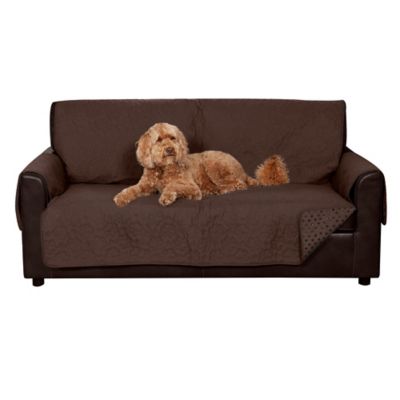
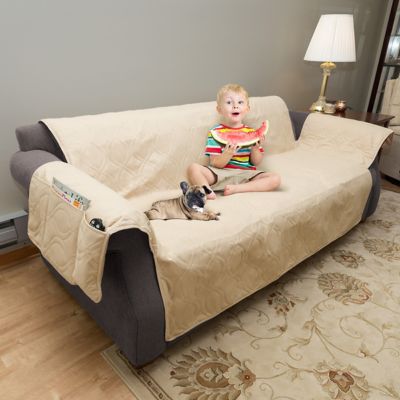
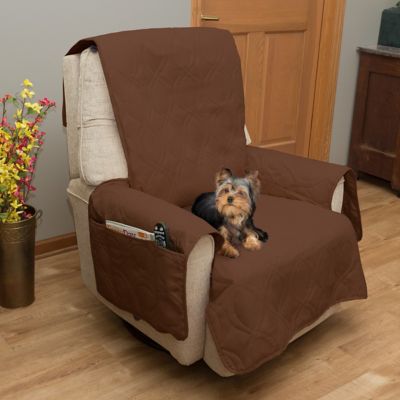
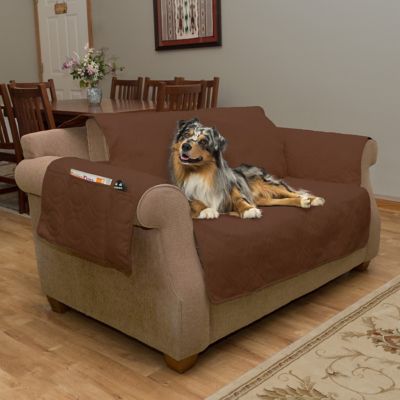
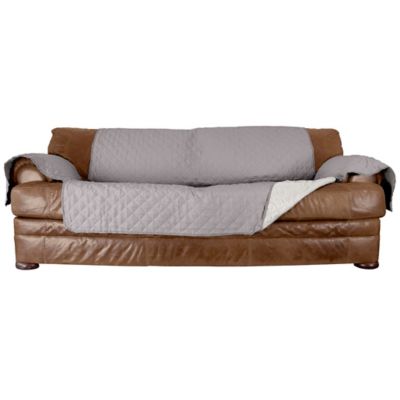
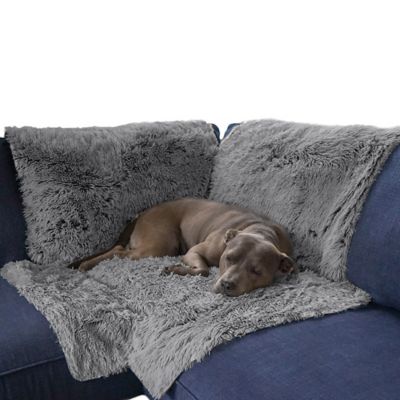
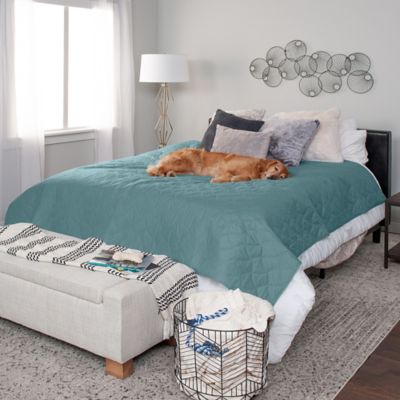
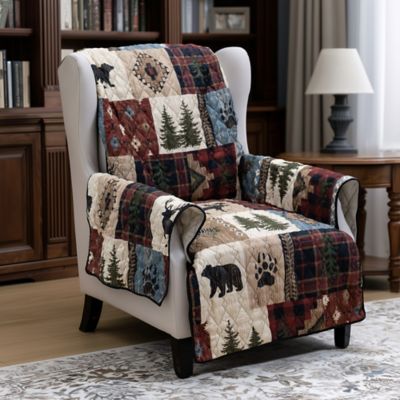
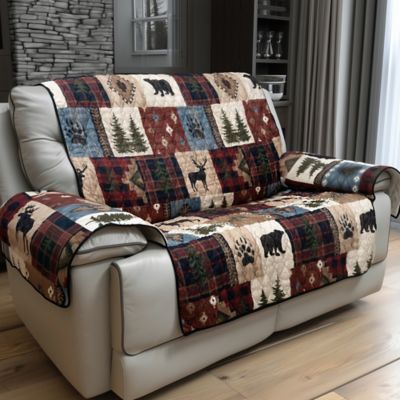
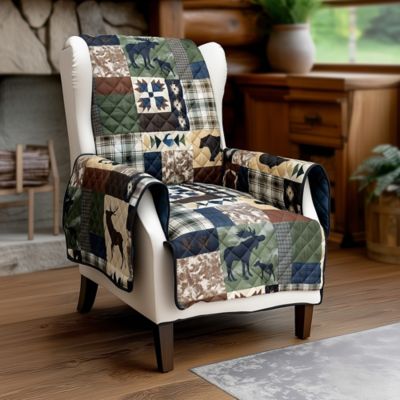
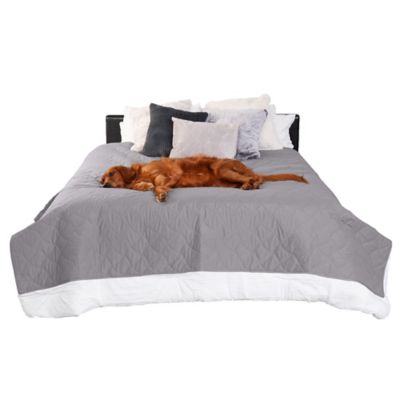
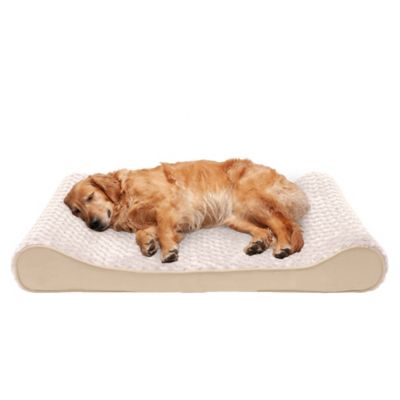
Waterproof furniture covers for pets put a liquid-blocking layer between your pet’s favorite resting spot and the upholstery underneath. Along with catching loose fur and paw prints, they help keep spills, drool, and accidents from reaching couch cushions, chair seats, and bedding when the covered area stays properly positioned. That makes them a practical addition to homes with puppies still learning house rules, older dogs with occasional bladder leaks, or cats that claim the same armchair every afternoon. The important distinction is in the construction: a waterproof cover has a barrier designed to stop liquid from passing through, while a water-resistant cover generally slows moisture penetration rather than blocking it completely. A soft top alone does not establish waterproof protection. Depending on the construction, that protection may come from an inner membrane, a thermoplastic polyurethane layer, or another liquid-blocking backing. Seams, edges, and openings matter, too, since liquid can find its way around an otherwise protective panel. Quilting adds texture and helps hold layers together, but stitching through a waterproof barrier needs an appropriate sealing method to keep those needle holes from becoming leak paths. For a dog that settles onto the sofa after a romp around the property, a cover can catch dirt and moisture before they work into the fabric below. For a cat that curls up beside the family every evening, it creates a removable layer for collecting shed hair. These covers are meant to make everyday pet messes easier to manage, not to make furniture chewproof or scratchproof. Strong claws, persistent digging, and chewing can damage fabric and puncture a protective membrane. With the right coverage and regular cleaning, a waterproof pet furniture cover lets an often-occupied couch or chair remain part of family life without every little mishap turning into an upholstery-cleaning job. It also gives pets a familiar place to stretch out close to their people.
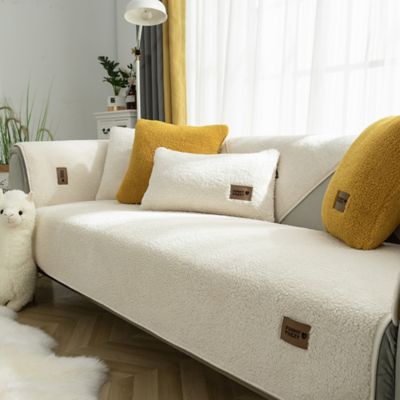
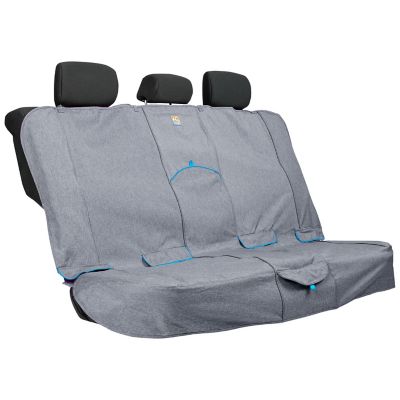
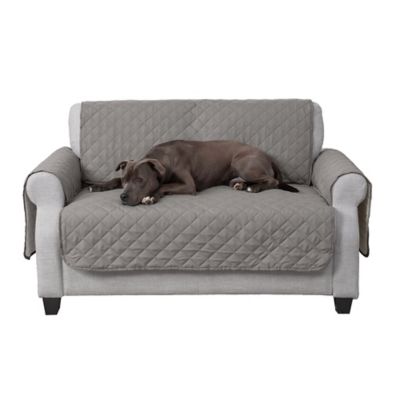
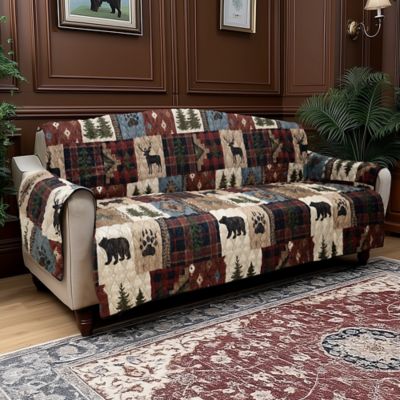
Materials influence how a waterproof sofa cover feels, how it hangs over the furniture, and how much routine upkeep it needs. Polyester and microfiber faces are common choices for a soft surface that can be easier to brush free of loose hair, although tightly woven fabric often releases hair differently than a plush pile. Fleece adds a cozy resting surface, but its texture may hold onto fine fur. A smooth face offers less pile for hair to settle into, while a quilted surface adds cushioning and a more substantial feel. Beneath that outer fabric, the waterproof layer does the job of blocking liquid; thickness or softness by itself is not proof of protection. Backing deserves equal attention, especially on a slick seat where a dog’s running start can pull a loose throw out of place. Grip dots, nonslip panels, tuck-in sections, and securing straps can help reduce shifting, though their effectiveness depends on the furniture shape and upholstery. Rubberized or coated backings are not suitable for every leather finish or fabric, so compatibility matters before leaving a cover in place for extended periods. Fit comes down to more than whether the label says sofa, loveseat, or recliner. Seat width, cushion depth, back height, and arm coverage determine where the protective fabric actually lands. A broad cover with enough overhang can shield the cushion front where a large dog slides down, while a smaller pad may suit a cat’s single resting spot. On sectionals, the chaise and corner can leave gaps unless the cover shape accounts for both. On reclining furniture, loose fabric and straps must stay clear of hinges, footrests, and moving mechanisms. Coverage should remain useful when someone sits down or a pet turns around, not just when the furniture is empty. A well-fitting cover lies comfortably across the seat without creating large folds that bunch beneath paws or expose the upholstery as soon as a pet gets settled.
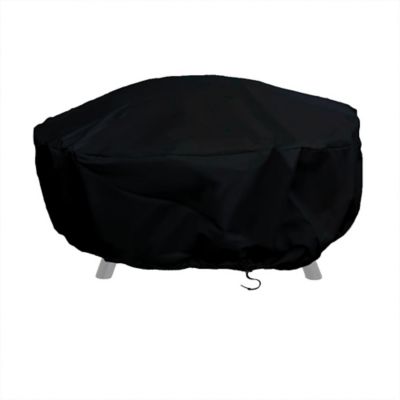
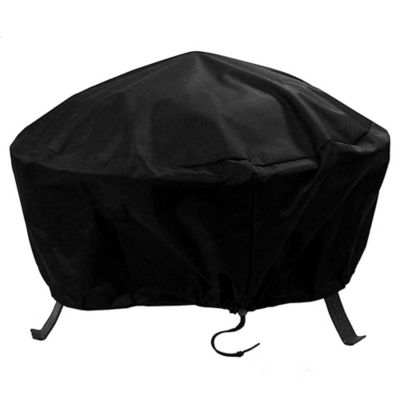
Everyday care has a lot to do with how well a waterproof furniture cover holds up over time. Machine-washable construction can simplify cleanup, but the care label still governs water temperature, detergent, drying method, and whether the cover will fit comfortably in a household washer. A large sofa cover packed tightly into the drum may not rinse thoroughly or wash evenly. Removing loose hair and brushing off dried dirt before laundering helps keep those messes from spreading through the load. Liquid accidents need prompt attention even when the barrier is waterproof: pooled moisture can travel toward an uncovered edge, soak into surface fabric, or reach the furniture if the cover has shifted. Blotting rather than pressing a spill across the seat keeps the cleanup more contained. Bleach, fabric softener, and high dryer heat can affect some coatings, membranes, and backings, so they belong in the routine only when the care instructions permit them. Drying the cover completely before putting it back also helps avoid trapping dampness against upholstery. Between washes, checking seams, straps, and the underside can reveal thinning fabric, loose stitching, or a separating layer before the next accident. Homes with several pets may benefit from broad coverage across shared seating, while a household with one small companion may only need protection on a favorite cushion. A washable cover can also make a thoughtful, practical gift for someone bringing home a puppy or caring for a senior pet, especially when the furniture measurements and laundry needs are already known. Indoor pet covers and outdoor furniture covers serve different purposes, even when both mention moisture protection. For tables and seating on a porch or patio,
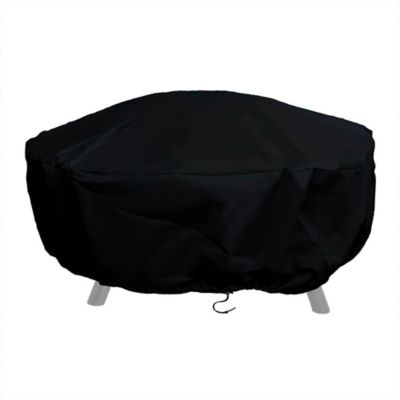
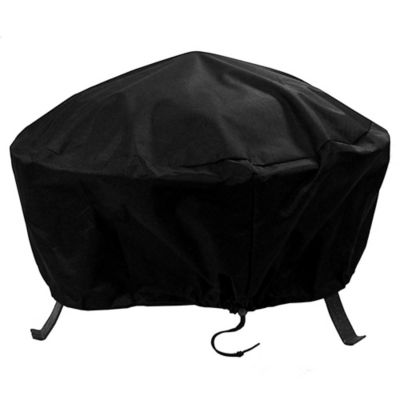
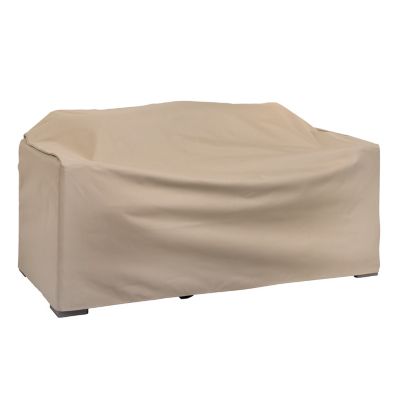
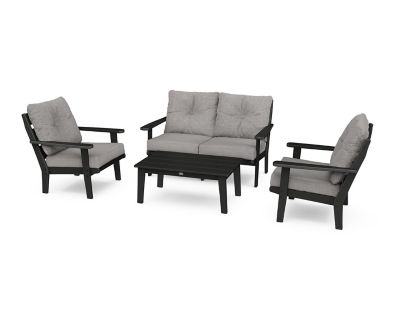
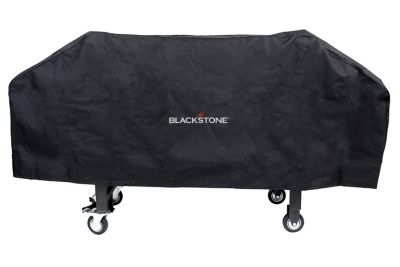
Water Resistant Patio Furniture Covers belong to a separate category with different coverage and fastening needs; water resistance is not the same claim as a waterproof barrier for pet accidents. Inside the house, the most useful pet cover brings together liquid protection, a steady fit, a comfortable surface, and care requirements that work with the household routine. That combination helps keep a favorite seat welcoming for both two-legged and four-legged family members.