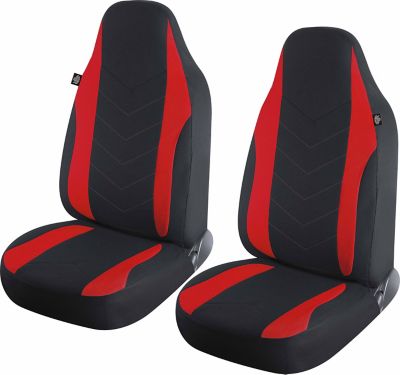
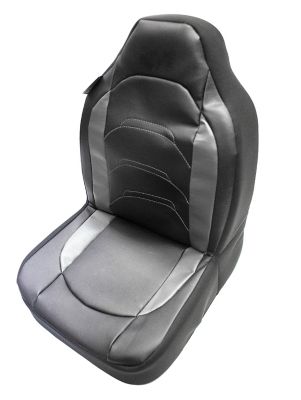
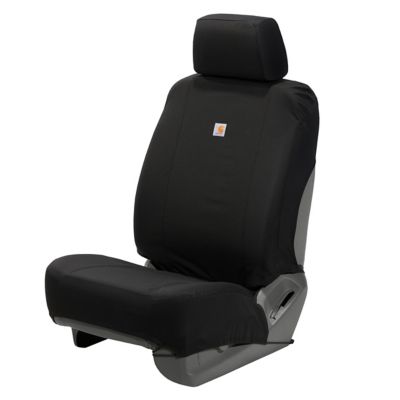
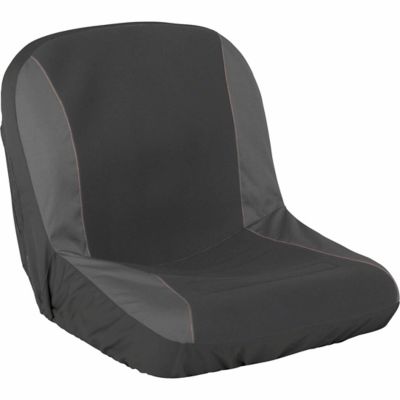
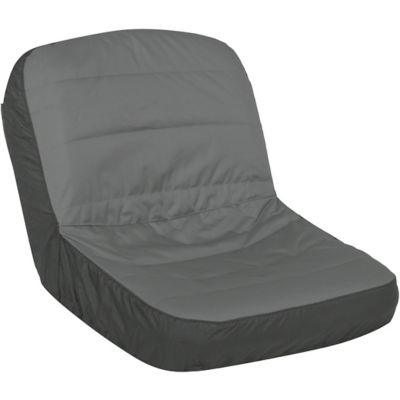
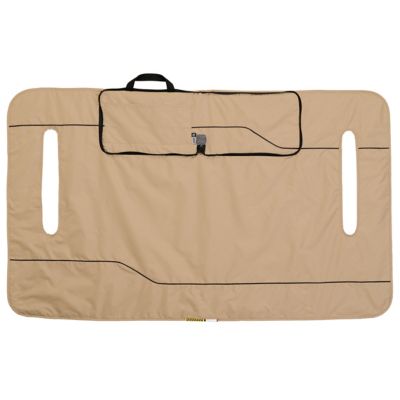
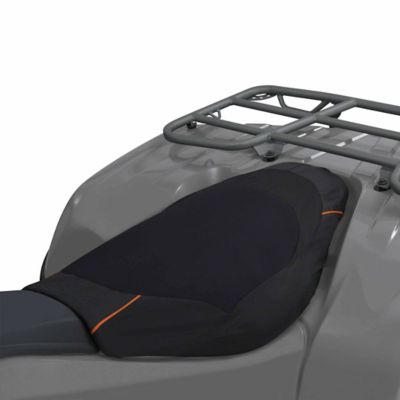
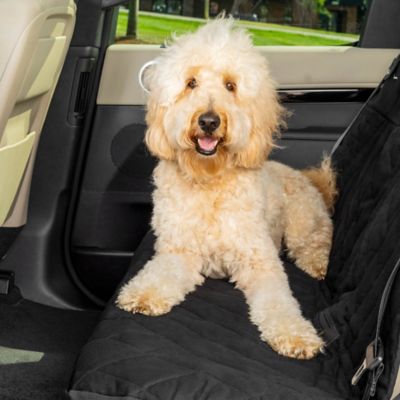
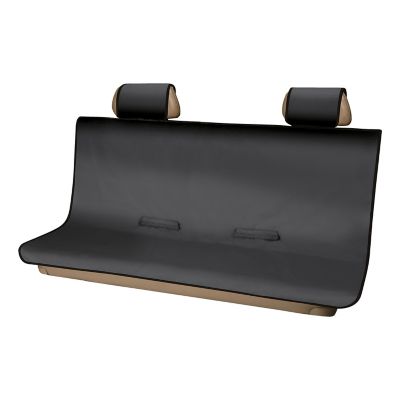
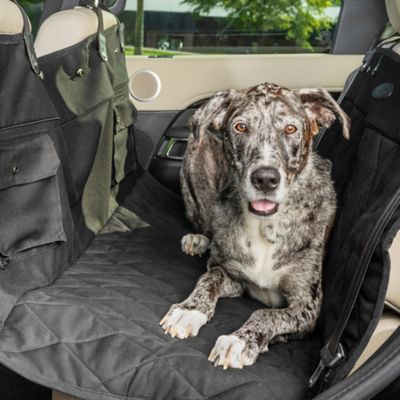
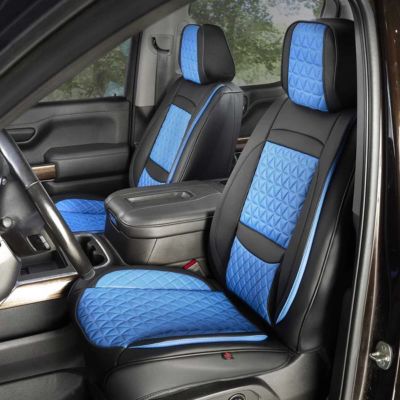
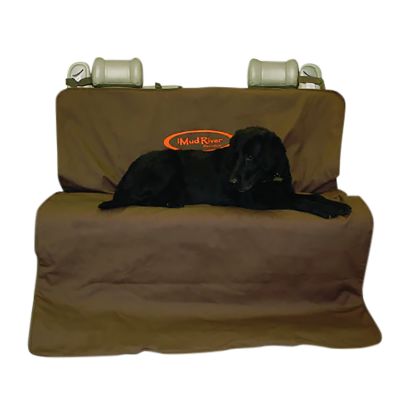
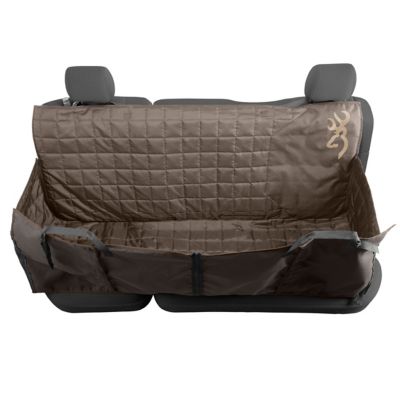
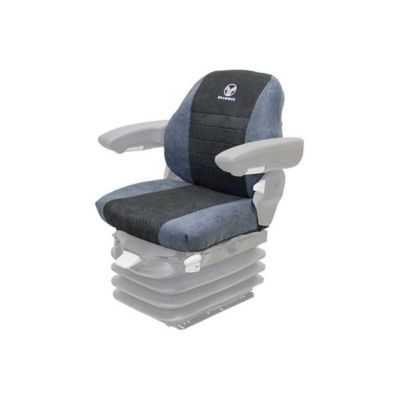
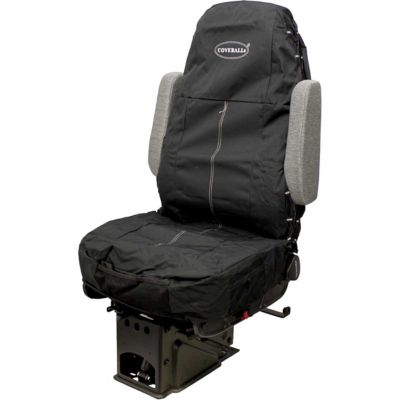
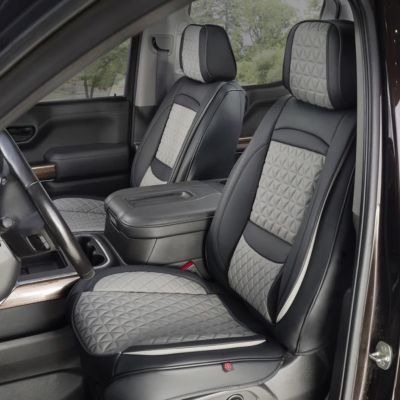
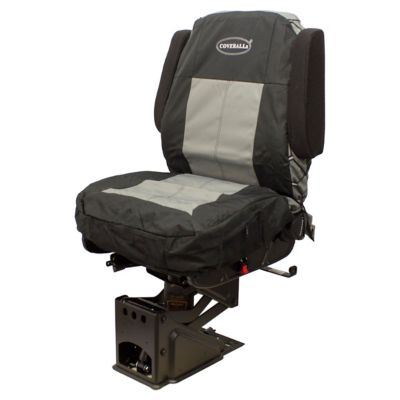
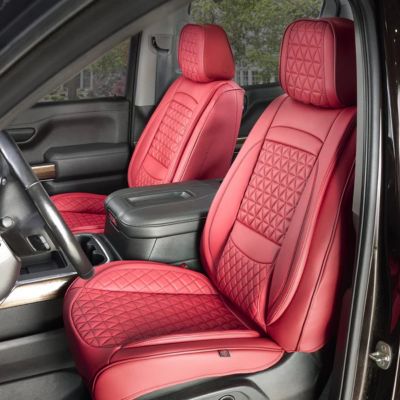
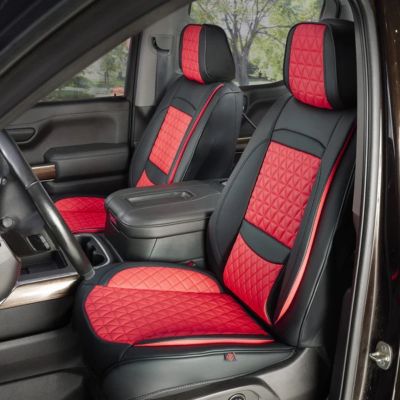
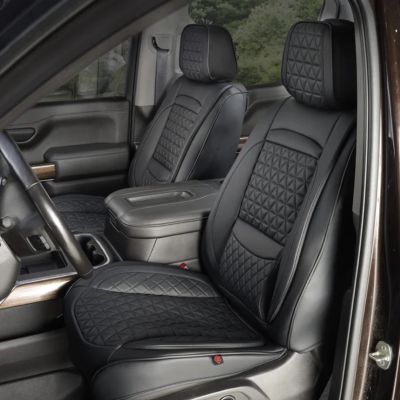
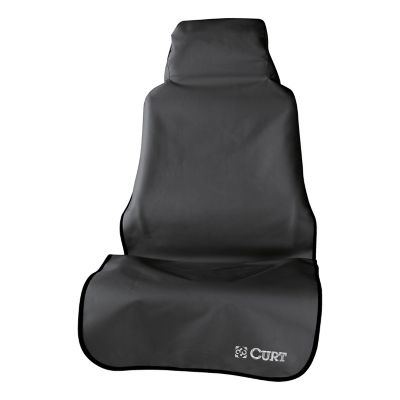
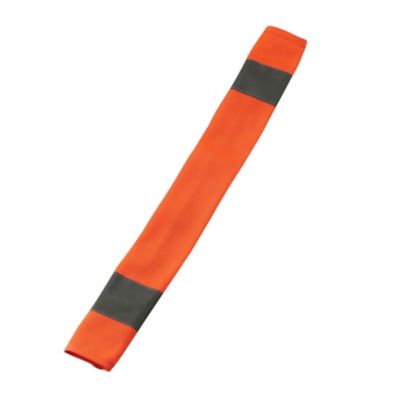
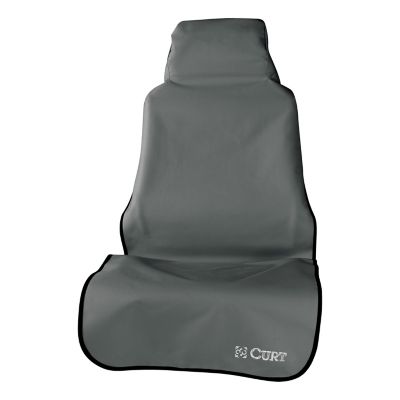
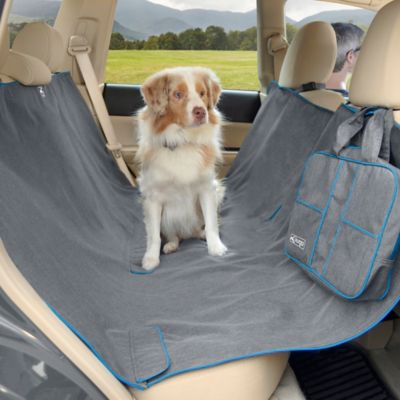
Heavy-duty seat covers protect truck, SUV and car upholstery from mud, grit, pet hair, spills and the wear that comes from climbing in and out all day. In a farm pickup, the driver’s seat can take a beating along the door-side edge, where a tool belt brushes past and work pants grind dust into the fabric. In the back seat, the bigger concern might be a dog that hops in with muddy paws or a crew that eats lunch in the cab. The best material for either spot depends on what usually makes the mess. Duck canvas has a firm, tightly woven face that stands up well to rubbing from work clothes and gear. Ballistic nylon is another tightly woven option for seats that see frequent scuffing, while heavy polyester can make sense when most of the cleanup is dust, crumbs and the occasional splash. A smoother face tends to wipe down more easily, while a pronounced weave may need a soft brush to loosen grit. Where drinks or muddy paws are a regular concern, look at the backing as well as the face fabric. A water-resistant finish can buy time to blot a spill, but it doesn’t mean liquid can’t seep through stitching or around an opening. A waterproof backing adds another barrier beneath the fabric, though seams and gaps still matter. For a seat that gets climbed across several times a day, reinforced seams and sturdy stitching at the outer edge can matter as much as the thickness of the fabric. No fabric cover is meant to stop a sharp tool from poking through, but a well-fitted layer can spare the seat from everyday scuffs and keep fine dirt from settling straight into the upholstery. A front cover can take the brunt of the daily work, while coverage across the back makes more sense when dogs or passengers do most of the riding there.
Fit starts with the seat itself, not just the name of the vehicle. Two pickups from the same model year can have different front seats or rear benches depending on cab style and trim. Along with the year, make and model, note whether the front has separate bucket seats or a split bench, whether the headrests come off and where the seat controls sit. In the back, pay attention to where the bench splits and whether there’s a fold-down armrest. A cover that stretches across the whole bench may be fine for a seat that stays in one position, but it can be a nuisance if one section folds down every day to reach tools or make room for feed sacks. Vehicle-specific covers tend to follow the shape of the cushion more closely, while general-fit covers are made to work across a range of seat shapes and may need more adjustment. Either way, the material should sit flat along the cushion and seatback rather than bunching up under a leg or pulling loose at the corner. Straps and a grippy backing can help hold the cover in place when someone slides out of a tall cab, but fasteners need to sit clear of seat tracks, wiring and adjustment levers. Buckles, latches and release handles should stay easy to reach. For seats with built-in side airbags, check the vehicle manual and the cover’s fit information to confirm that the cover is intended for that seat and won’t interfere with airbag deployment. The same fit check is worthwhile for heated or ventilated seats, since a thick layer can change how much heat or airflow comes through. Those details are worth sorting out before picking covers as a gift for someone who spends a lot of time in a work truck. A quick look at the cab layout can be more helpful than knowing the truck’s model name alone.
Most of the upkeep comes down to getting grit off the surface before it works into seams and taking care of spills before they soak in. Shake out or vacuum loose dirt, giving the crease between the seatback and cushion a little extra attention. A soft brush can lift dried mud from a textured fabric, and a damp cloth may be enough for paw marks or a splash of coffee. Blot liquid instead of scrubbing it farther into the weave, and check beneath the cover if a spill has reached a seam or pooled along an edge. Follow the care label before washing the whole cover. Some fabrics can go in the washer, while covers with certain backings or coatings may call for spot cleaning. Let the cover and seat dry fully before putting everything back together so moisture doesn’t get trapped against the upholstery. While the cover is off, brush out dirt from underneath and check stitching and straps for wear, especially if the seat sees a lot of stop-and-go chores. A strap that has worked loose can let grit creep underneath and leave the cover sliding around on every trip. That same habit of putting a barrier between a piece of equipment and the everyday mess carries over to
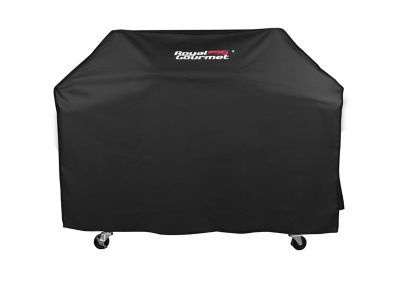
Heavy Duty Grill Covers, which help keep dust and grime off the grill between cookouts. Back in the cab, the right cover should make cleanup simpler without getting in the way of how the seat works. For the pickup that goes from hauling fence supplies to taking the family into town, that might mean a wipeable front cover that stays put through repeated stops and a rear cover that leaves both halves of the bench free to fold. Match the fabric to what lands on the seat and the fit to how the cab gets worked, and the cover can take the brunt of the mess without adding another chore to the day.