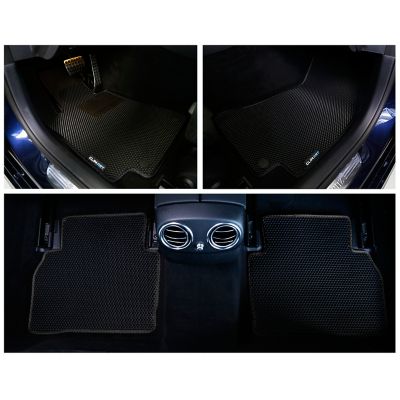
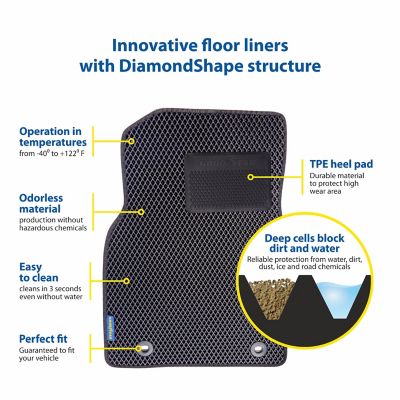
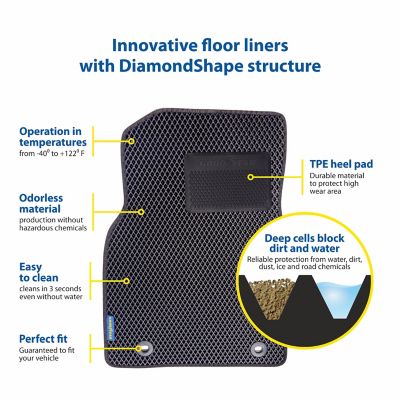
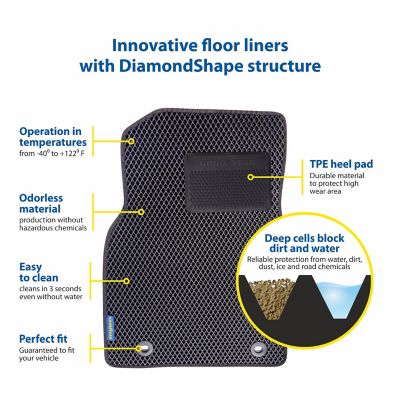
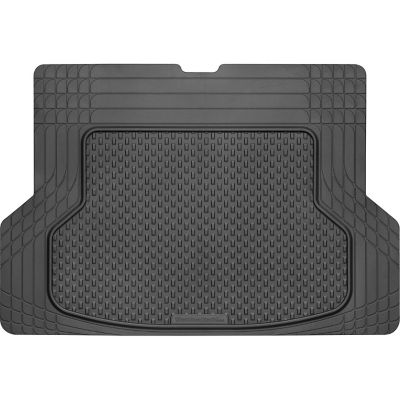
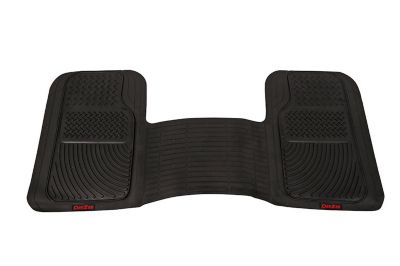
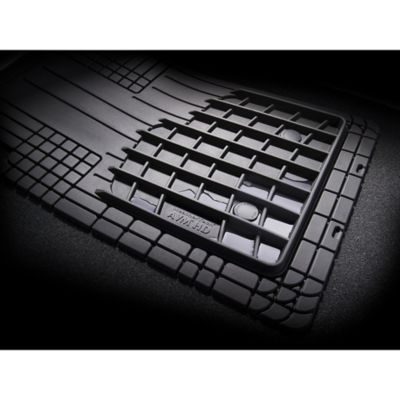
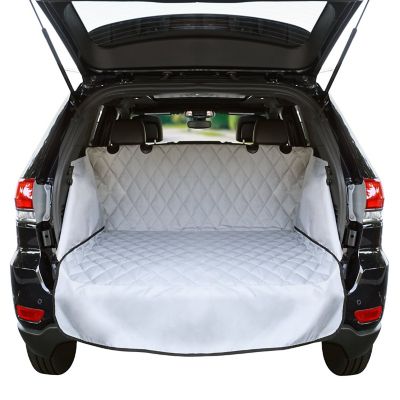
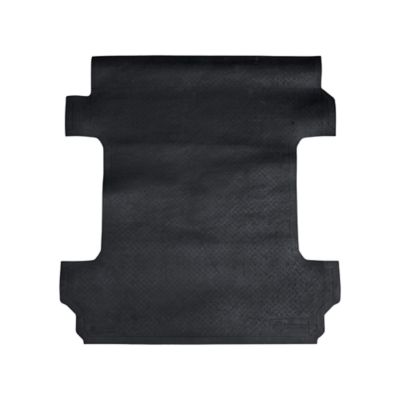
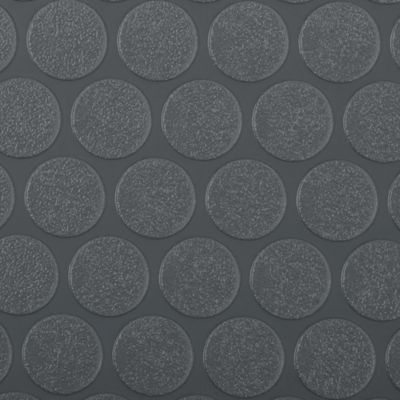
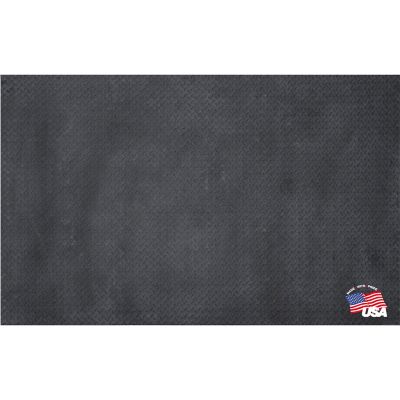
Waterproof mats are floor coverings made with materials or backing that block liquid from passing through to the surface underneath. They help manage muddy footprints, splashes and everyday spills in places where a bare floor takes a beating, from the back door and mudroom to the kitchen and pet feeding area. On a country property, that might mean catching the water dripping off chore boots before it reaches the hallway. In a busy household, it might mean keeping a tipped water bowl from turning into a puddle beneath the table. The important distinction is between a mat that sheds water, one that absorbs moisture into its top layer and one that provides a waterproof barrier underneath. Those features can overlap, but they are not interchangeable. An absorbent face can hold moisture while a waterproof backing helps protect the floor; a solid rubber or vinyl surface may hold spills on top for wiping away. Water-resistant materials offer some protection, but they should not be assumed to stop liquid during prolonged contact. Construction matters just as much as the material name, especially around seams, edges and openings. Waterproof mats with raised borders can help contain small spills, while flatter edges make a smoother transition for feet, rolling carts and everyday traffic. Neither shape can contain more water than its surface allows, and liquid can still reach the floor if it runs around the edges. During the cooler months, when wet leaves, muddy soles and melting frost follow everyone indoors, having a defined place to land boots makes the entry feel a little more manageable. A well-chosen mat gives that mess somewhere to settle without asking the rest of the house to take it on. Color and texture play a part, too: darker tones and patterned surfaces can make tracked-in soil less noticeable between cleanings, while lighter colors make grit and spills easier to spot.
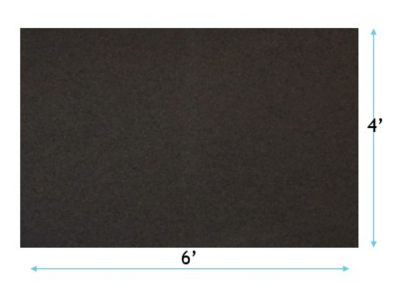
The best fit for a waterproof floor mat depends on the space, the floor beneath it and the work happening around it. Entryway mats benefit from a textured surface that helps loosen dirt from footwear, along with enough room for more than one quick step across the edge. A small landing inside the door has different needs than a wide mudroom where several pairs of boots collect after chores. Measuring the available floor space, including door swing and nearby furniture, helps keep the mat from bunching against a threshold or blocking a walkway. Low-profile edges are especially useful where doors have little clearance, while a larger footprint can catch splashes that would otherwise land beyond a water bowl or sink. Rubber, vinyl and other synthetic materials appear throughout this category, but their flexibility, weight, temperature limits and care requirements vary. A textured backing can help limit movement on a suitable surface; it does not guarantee that a mat will stay put on every floor. The floor should be clean and dry beneath it, and the mat should lie flat without curled corners. For wood, laminate, sealed concrete and other finished surfaces, backing compatibility deserves attention because some materials can stain, react with finishes or hold moisture underneath. Outdoor placement calls for a mat rated for outdoor conditions, including the sunlight and temperature changes it will face. Solid waterproof mats and
Drainage Mats serve different purposes: a solid barrier helps keep liquid above the floor, while openings in a drainage design let water pass through to the surface below. That makes the underlying floor and its ability to drain an important part of the choice. Traction also depends on the surface texture, footwear and anything spilled on the mat. Water, grease and fine mud can all affect footing, so a waterproof surface is not automatically a slip-proof one. For a porch, garage entrance or utility room, matching those details to the setting matters more than choosing by appearance alone.
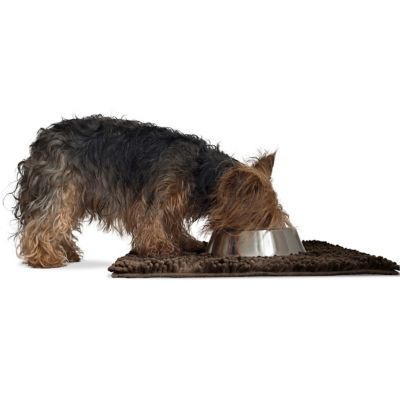
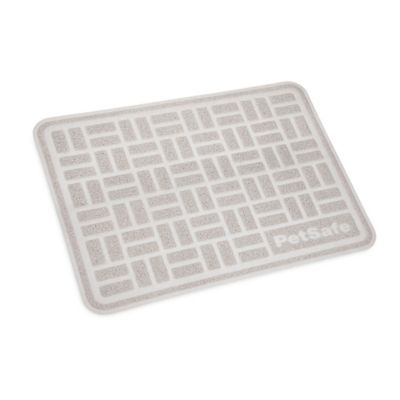
Around the house and outbuildings, waterproof mats earn their place by making repeated messes easier to handle. Pet owners often want a washable barrier with enough coverage for the enthusiastic drinker who leaves a trail of droplets after every visit to the bowl. A mat beneath a feeding station can catch those splashes and stray bits of food, though a pet that chews needs supervision and a surface suited to that behavior. Near a kitchen or utility sink, a cushioned waterproof mat can provide a softer standing surface during dishes, vegetable washing or other tasks that keep you in one spot. Cushioning, firmness and thickness all affect how that surface feels underfoot, and extra thickness is not always the right answer in a tight passage. In a workshop or garage, the material needs to suit the expected exposure; waterproof does not mean resistant to oil, fuel, solvents, heat or heavy equipment. A mat intended for household splashes may not be appropriate for those demands. For folks tending animals, working outdoors or simply sharing a home with kids and pets, the appeal is practical: less grit carried through the rooms and a contained spot for some of the day's wet mess. Picture the back door after evening chores, with damp gloves on the bench and muddy boots lined up below. A mat that fits the space and lifts easily for cleaning can make that corner much easier to keep in order. Care is worth considering before purchase, particularly for larger mats that become awkward to move when wet. Some allow a quick wipe or rinse, while others need a gentler cleaning method, so the care directions should settle the question. Grooves and textured faces may need brushing to release packed-in dirt. Drying both the mat and the floor beneath it helps prevent lingering dampness, and regular checks for cracks, lifted edges or worn backing help keep the setup working as intended. The right waterproof mat suits the mess, stays manageable to clean and fits naturally into the daily routine.