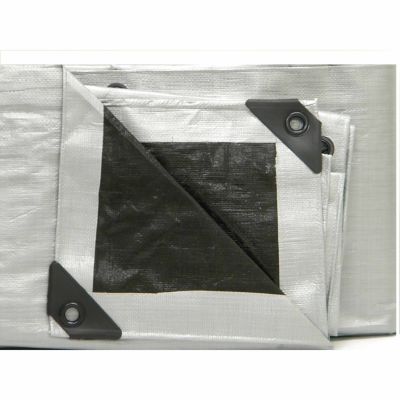
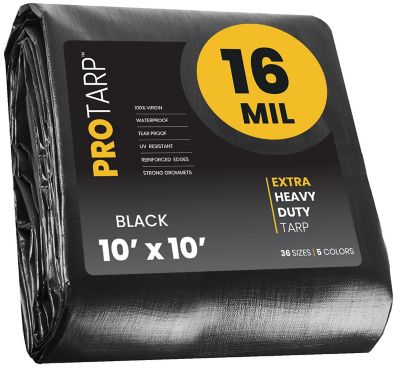
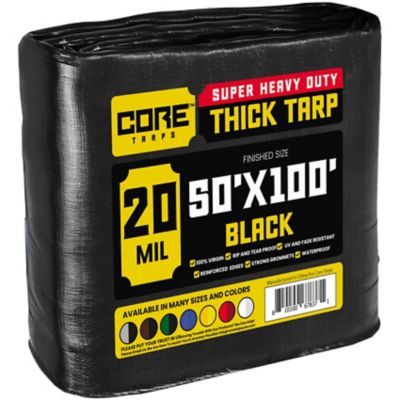
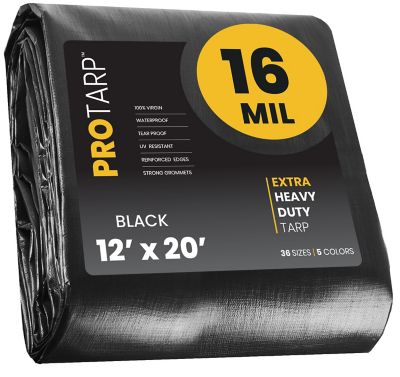
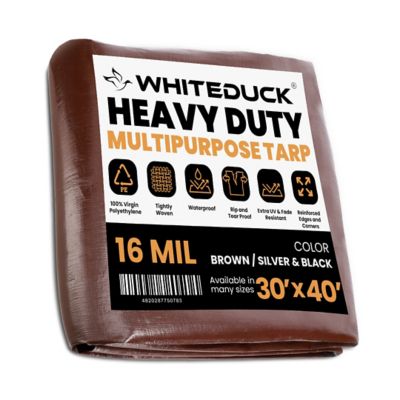
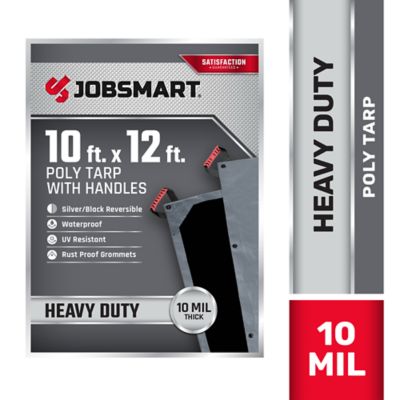
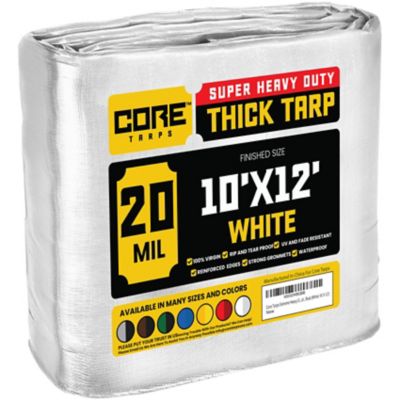
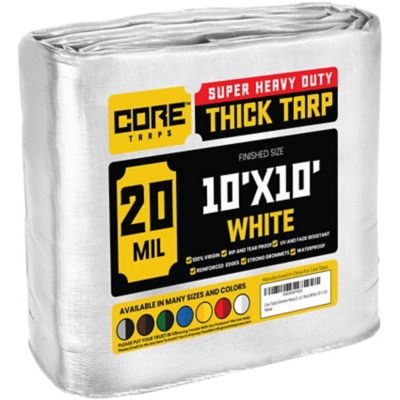
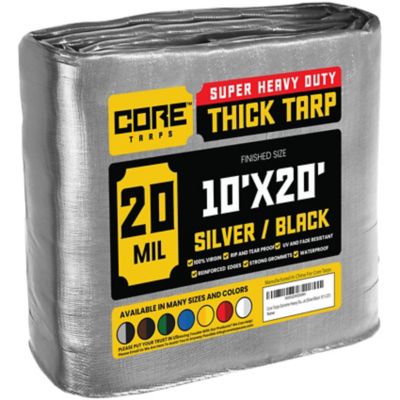
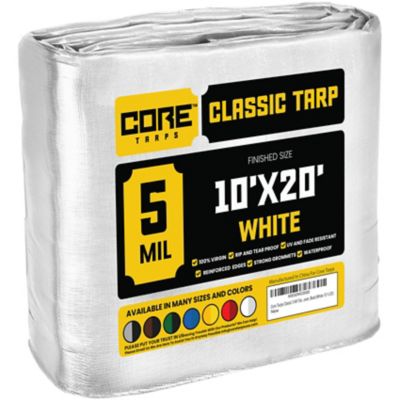
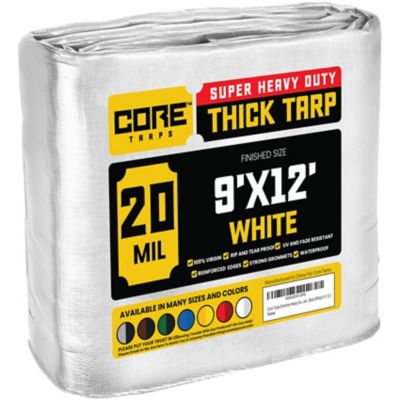
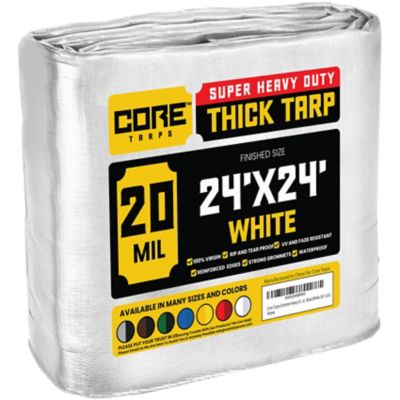
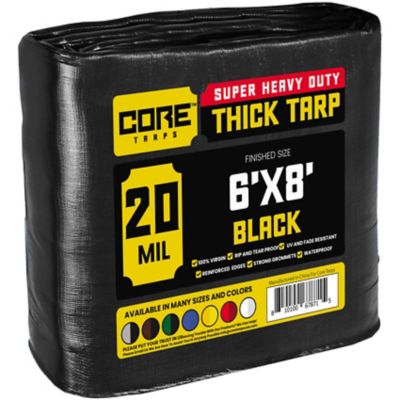
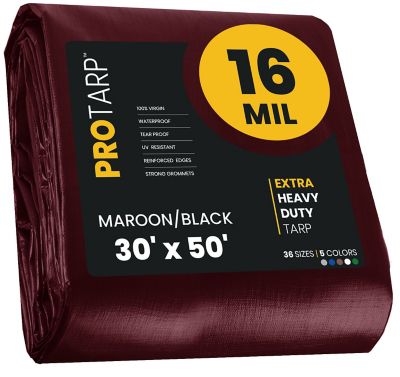
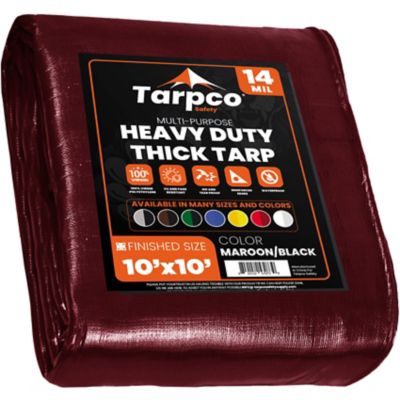
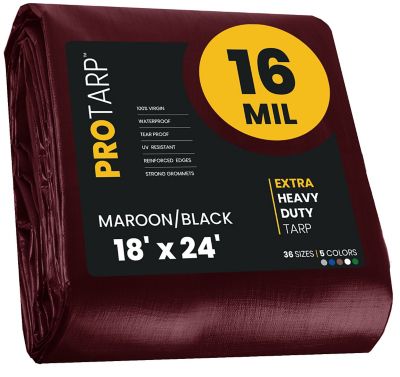
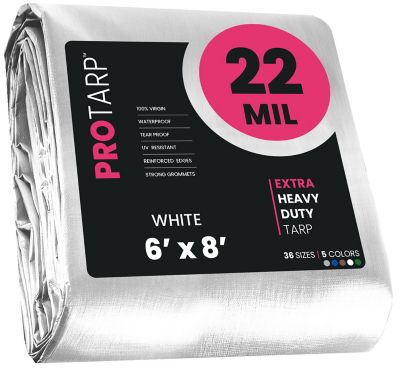
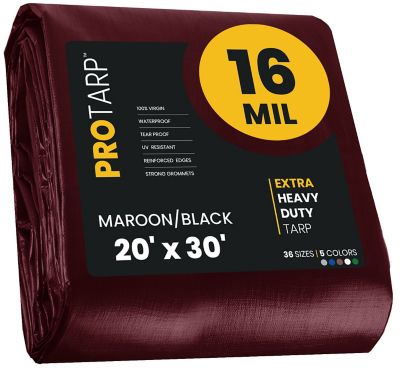
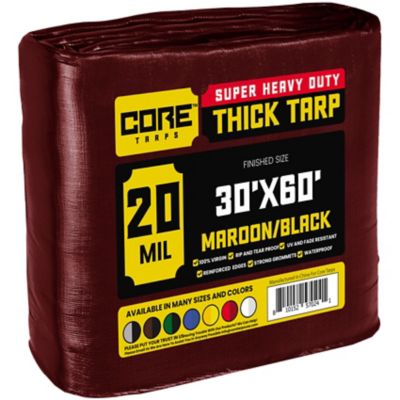
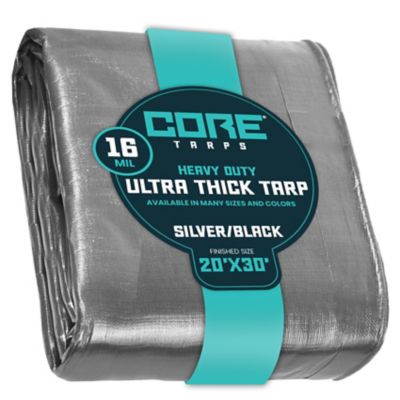
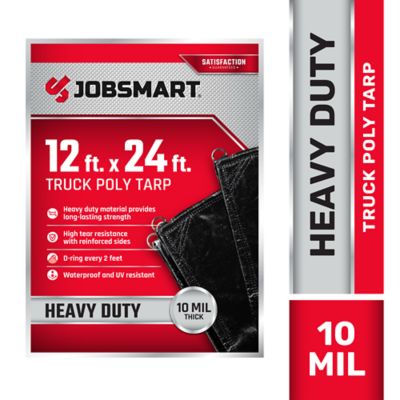
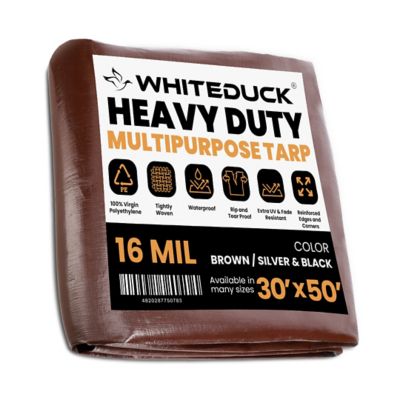
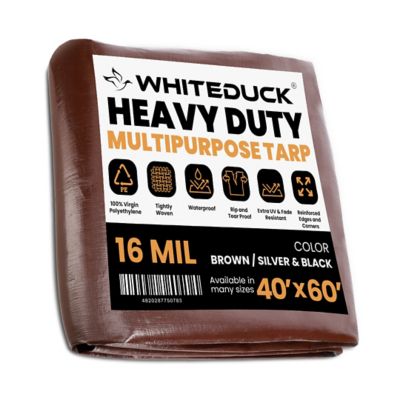
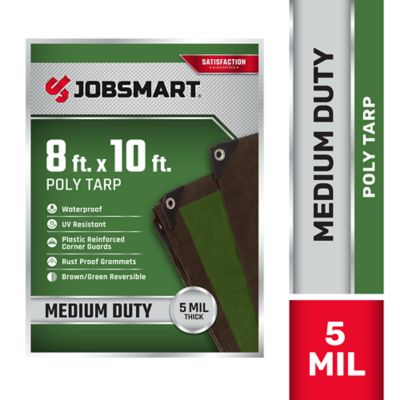
Waterproof polyethylene tarps are dependable, practical covers for farm, home, worksite, and outdoor projects where rain, snow, mud, and damp ground can create a mess. A polyethylene tarp is made with a woven plastic core and laminated polyethylene layers that form a solid barrier against moisture. When the material is in good condition and properly secured, this waterproof construction helps keep water from soaking through to the items underneath. Use one to cover firewood, lumber, hay equipment, lawn and garden tools, outdoor furniture, grills, trailers, boats, or building materials during the cooler months. They can also serve as a temporary ground cover beneath equipment, a splash guard beside a muddy work area, or a quick shelter over supplies while a project is underway. On a farm or acreage, a tarp often earns its keep in a dozen different ways: covering a load of feed during a sudden shower, protecting a stack of fencing supplies, or keeping leaves and moisture off equipment parked outside. At home, one can help shield patio items, landscaping materials, bicycles, and seasonal decorations from changing weather. Poly tarps are generally lightweight compared with many fabric covers, making them easier to fold, carry, and reposition when one person is working alone. They are available in different sizes, colors, thicknesses, and levels of durability, so the right choice depends on what is being covered, how long it will stay outside, and how much wind or handling it will face.
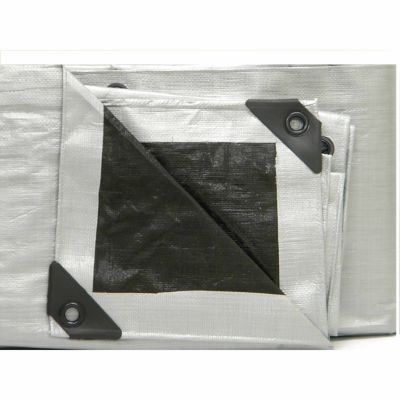
Tarp thickness is commonly measured in mils, and that number can help match the cover to the job. Light-duty polyethylene tarps around 4 mil are useful for short-term protection, light yard work, painting projects, moving, and covering items in a sheltered location. For repeated outdoor use or exposure to rough surfaces, heavier options in the 10-mil to 20-mil range provide a thicker barrier and improved resistance to punctures, abrasion, and tearing. A heavier tarp is often the better fit for covering a trailer, protecting building materials, or securing a load that may be handled more than once. Look closely at the weave, laminated coating, reinforced edges, and corner construction, since these details affect how a tarp performs when pulled tight. Built-in metal or aluminum grommets give you dependable tie-down points for rope, bungee cords, straps, or tarp clips. Grommets spaced roughly every 18 to 36 inches make it easier to distribute tension along the edge instead of putting all the strain on one corner. For windy locations, use multiple tie-down points and avoid leaving large loose sections that can flap like a sail. Secure the tarp snugly, but leave enough room for normal movement without overloading the grommets. Rounded or reinforced corners can add strength where the cover receives the most pulling force. UV resistance is another useful feature when a tarp will remain in sunlight, since ultraviolet exposure can weaken plastic over time. Mildew resistance is helpful in damp climates, especially when the tarp may cover equipment or materials for an extended stretch. Even a waterproof tarp should be allowed to dry before it is folded and stored, because trapped moisture, dirt, and plant debris can lead to mildew or unpleasant odors. Brush off grit, let the cover dry fully, and fold it loosely in a clean, dry place away from sharp tools and rodents.
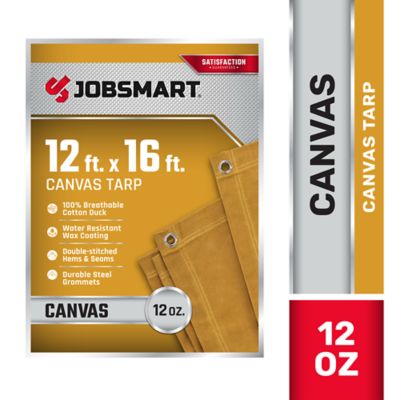
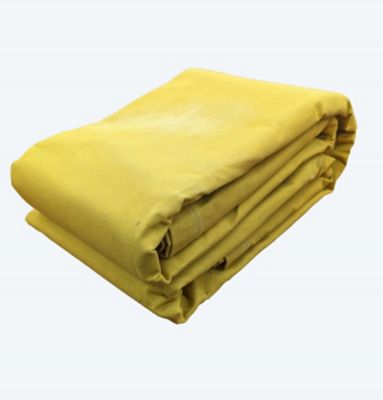
When choosing a waterproof polyethylene tarp, start with the dimensions of the item you plan to cover and allow extra material for draping, overlap, and tie-downs. A cover that is too small may leave edges exposed, while one that is much too large can collect water or catch wind if it is not secured well. Remember that listed dimensions may describe the cut size before hemming, so the usable coverage can be slightly smaller. Consider the conditions around the job, too. A tarp used under a porch or inside a barn may not need the same thickness as one stretched over a trailer in an open field. For long-term outdoor exposure, prioritize a heavier material with UV stabilization, reinforced edges, and sturdy grommets. For a quick cleanup project or a temporary cover, a lighter tarp may be easier to handle and more economical. These covers are useful gifts for a new homeowner, gardener, camper, hunter, farmer, contractor, or anyone who spends weekends fixing, hauling, planting, and maintaining property. They tuck easily into a truck box, tool shed, barn, garage, or camping gear bin, making them handy to keep close before bad weather rolls in. Polyethylene tarps are also a practical companion to more breathable cover materials. For example,
Heavy Duty Canvas Tarps may be preferred when a rugged fabric cover is a better match for the job. Whichever cover you choose, use the correct size and thickness, keep sharp edges from rubbing against the material, and check the tie-downs after strong wind or heavy precipitation. With sensible setup and storage, a waterproof polyethylene tarp can help protect valuable supplies, simplify outdoor work, and keep everyday chores moving through wet weather and changing seasons.