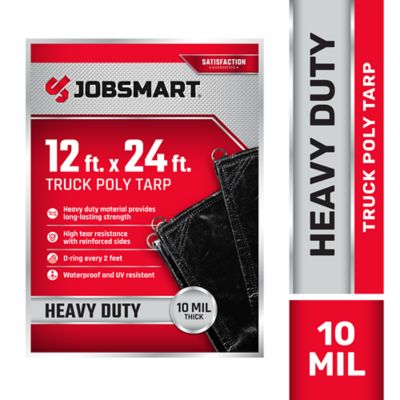
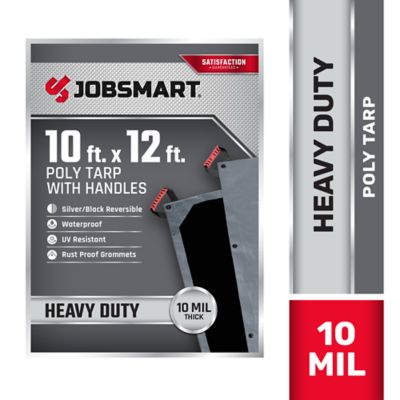
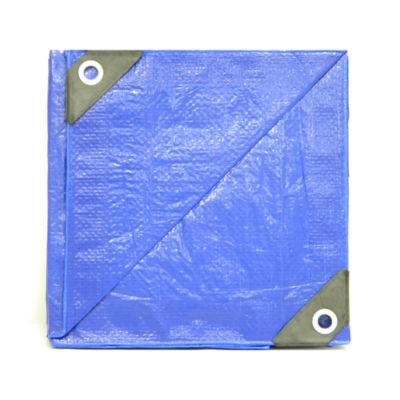
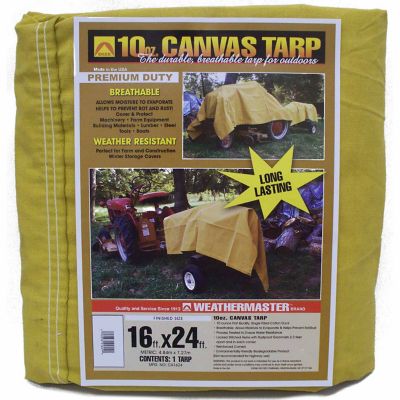
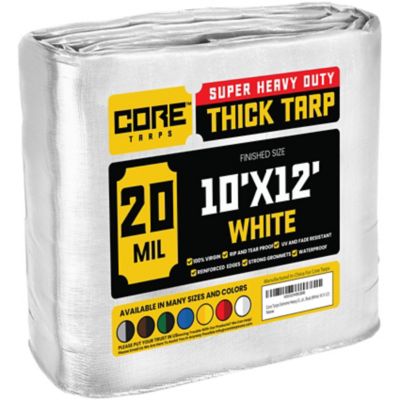
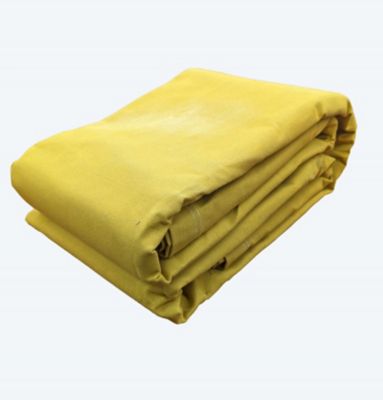
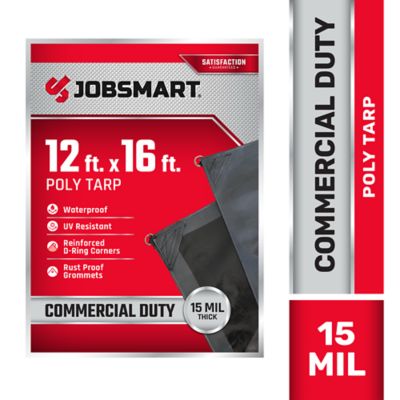
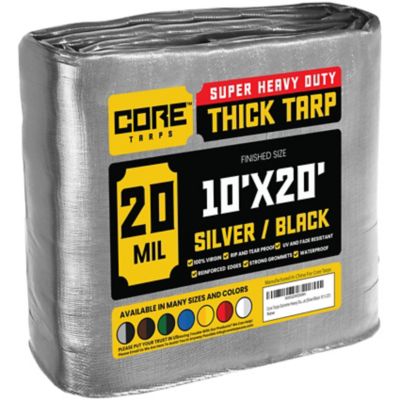
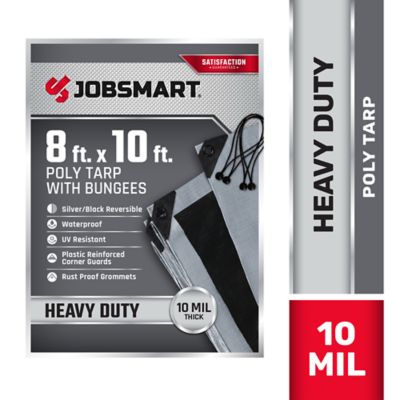
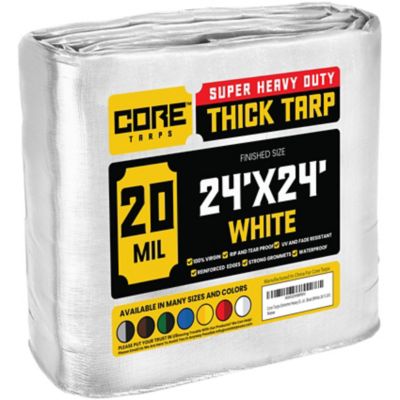
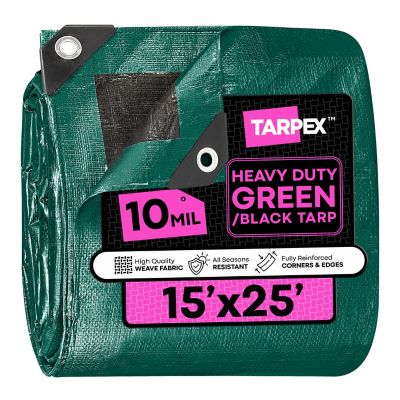
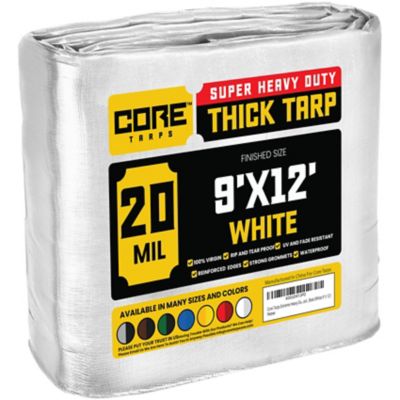
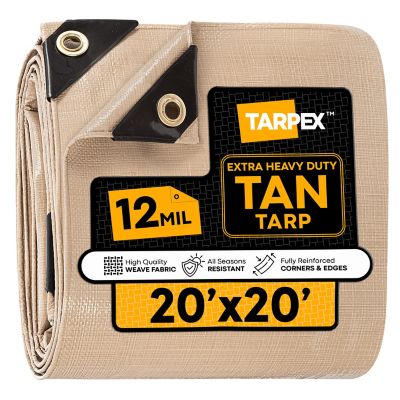
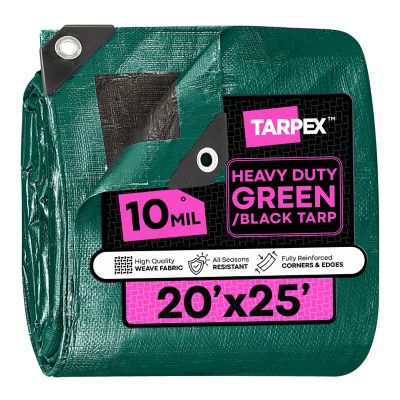
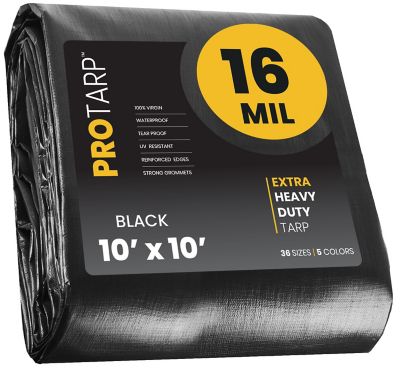
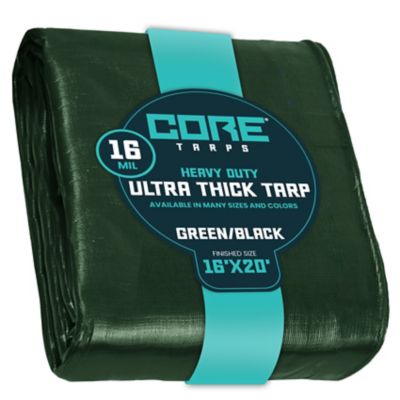
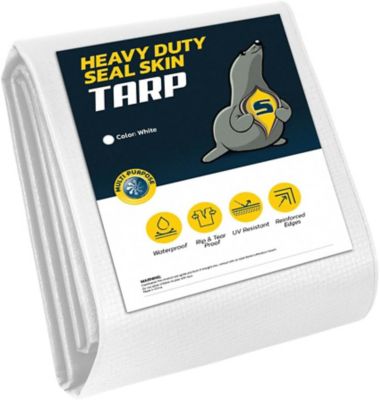
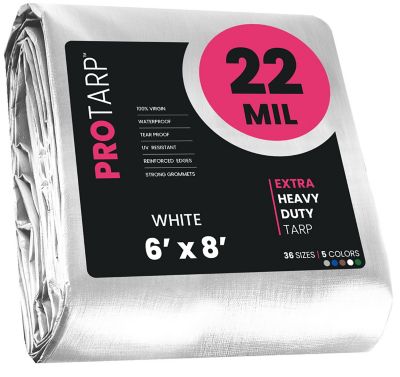
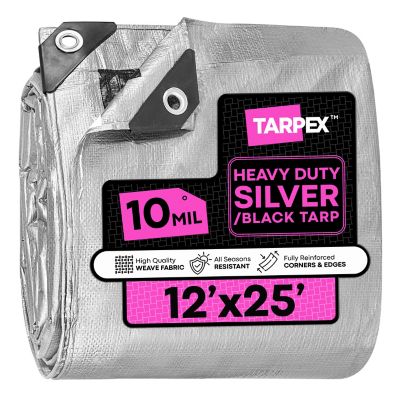
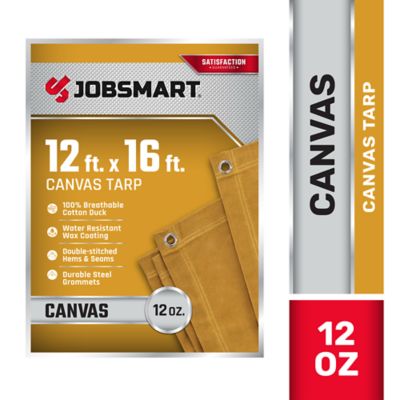
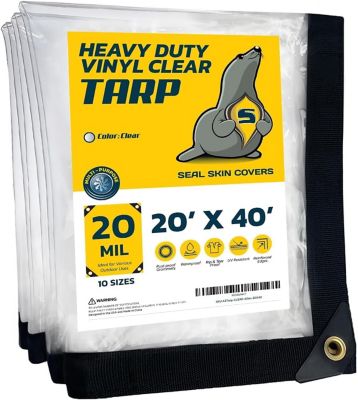
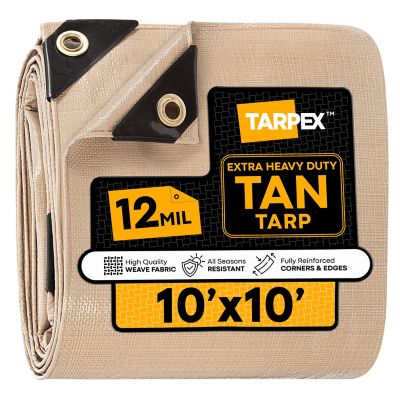
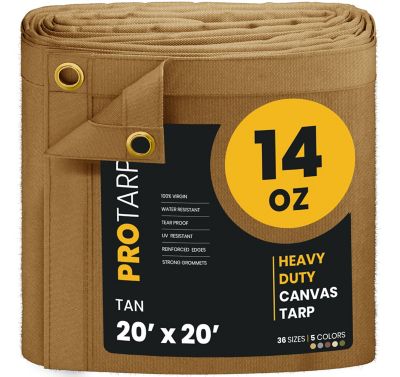
Waterproof tarps provide a flexible barrier against rain and liquid moisture, helping keep equipment, supplies, and work areas covered around the farm, yard, or campsite. Their protection comes from the material and its coating, not simply from how thick or heavy the cover feels. A waterproof tarp has a body designed to prevent water from passing through, while its overall performance also depends on intact seams, sound edges, and a fit that sheds water rather than collecting it. That distinction matters when a mower needs temporary cover beside the shed or a load of lumber needs protection before a project gets underway. Polyethylene tarps generally have a woven plastic core with a water-blocking coating, making them a practical choice for jobs that call for manageable weight and straightforward handling. Coated vinyl tarps tend to be heavier and can suit work where repeated contact, dragging, or rubbing puts more strain on the cover. Canvas behaves differently: untreated canvas is not waterproof, and treated canvas may resist water without creating the same barrier as a fully waterproof coating. Material descriptions help separate those options instead of treating every tarp as interchangeable. Farmers, homeowners, contractors, and campers may all reach for waterproof covers, but the demands of covering a parked implement differ from laying a ground barrier beneath camping gear. A tarp spread over rough metal edges needs attention to abrasion, while one that gets folded and carried often benefits from a weight that is easy to manage. Sun exposure also matters for covers that stay outside, since ultraviolet light can weaken materials over time unless the tarp has suitable protection. Waterproof does not mean breathable, either. Moisture already beneath the cover can remain trapped, and condensation can form when conditions change. For firewood, equipment, and other materials that benefit from airflow, a covered top with open space around the sides can make more sense than a tightly wrapped bundle. The best match balances water protection with the way the covered material needs to breathe, drain, and stay accessible.
Size and construction make a big difference once a waterproof tarp moves from a folded package to a working cover. Length and width need to account for the height of the load as well as its footprint, with enough material left to reach the tie-down points without stretching the fabric tight. A tarp that matches the dimensions of a trailer bed exactly may leave little room to cover anything stacked above the rails. On the other hand, a much larger cover can leave loose folds that flap, catch wind, or collect water. Listed measurements may describe the material before hemming or the finished tarp, so that distinction belongs in the sizing decision. Shape matters, too: a flat rectangular cover drapes differently over a box-shaped load than over an implement with handles, brackets, and projecting corners. Reinforced hems and corners help spread stress where the tarp takes repeated pulls. Grommets provide attachment points, but the surrounding fabric and reinforcement determine how well those points hold up under tension. Closely spaced attachment points can offer more options for securing a cover, though spacing alone does not establish strength. Metal grommets and their finishes also differ in resistance to corrosion. Thickness often appears in mils, with one mil equal to one-thousandth of an inch; that measurement is different from fabric weight stated in ounces per square yard. A higher mil count indicates a thicker material, but thickness by itself does not tell the whole story about tear resistance, coating performance, or service life. The weave, reinforcement, seams, and intended application all deserve a look. For a cover that gets pulled across equipment several times a day, flexibility and manageable weight can matter as much as extra thickness. For longer outdoor assignments, resistance to sunlight and repeated abrasion may carry more weight. A supported slope helps rain run off, while a sagging center can turn a cover into a basin. Water pooling adds weight and puts strain on seams and attachment points, even when the tarp material itself blocks moisture.
Everyday handling helps waterproof tarps keep doing their job between projects. A sharp bracket, rough board end, or exposed bolt can wear through a cover where it rests against the same spot, so padding contact points can reduce concentrated rubbing. Secure attachment limits flapping, but pulling every tie-down as tight as possible can overload grommets or stretch the material. Tie-downs need suitable anchor points, and a tarp over a trailer load is not a substitute for securing the load itself. Equipment should be cool before covering, with exhaust outlets and other heat sources kept clear. These covers are temporary protection, not structural roofing, and emergency roof coverage calls for proper installation without climbing onto a wet or damaged roof. Around a woodpile, a waterproof top cover can keep rain off the stack while leaving the sides open for circulation. Around garden projects, a tarp can separate supplies from damp ground or cover materials between work sessions, provided runoff has somewhere to go. When the main need is protection from general outdoor exposure rather than a liquid-water barrier,
Weather Resistant Tarps offers a related category to consider; waterproof and water-resistant claims are not interchangeable, and the stated protection should match the job. Care is usually straightforward, but it should follow the material’s cleaning directions. Loose dirt can be brushed away, and many coated tarps tolerate gentle cleaning with mild soap and water. Harsh cleaners, stiff scrubbing, and unnecessary dragging can damage coatings or accelerate wear. Letting a tarp dry before folding helps keep trapped dampness from lingering in storage. A clean, sheltered storage spot also reduces exposure to sunlight, pests, and sharp tools between jobs. Periodic checks of folds, seams, corners, and grommets can reveal small problems before the next covering task. Repair patches need to suit the tarp material, since an adhesive that bonds to vinyl may not bond well to polyethylene. With a sensible fit, suitable construction, and a little attention between jobs, waterproof tarps can serve as practical covers wherever rain protection is part of getting the work done.