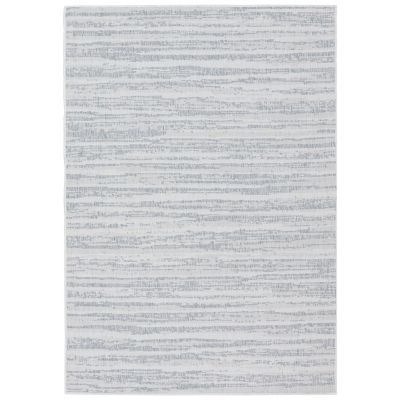
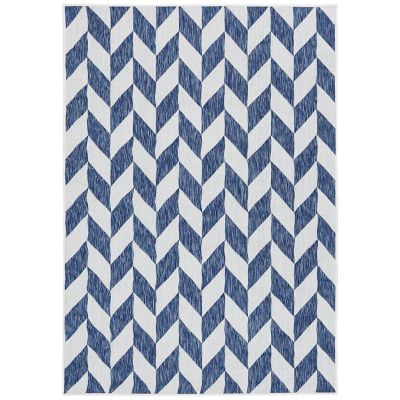
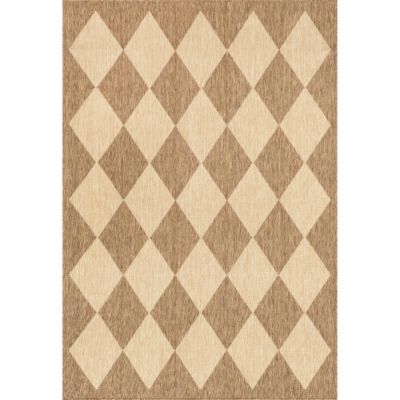
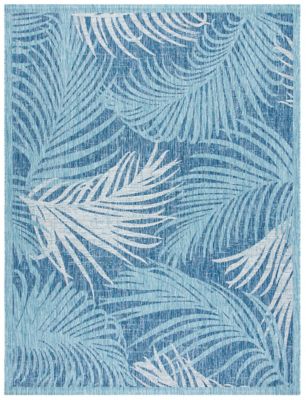
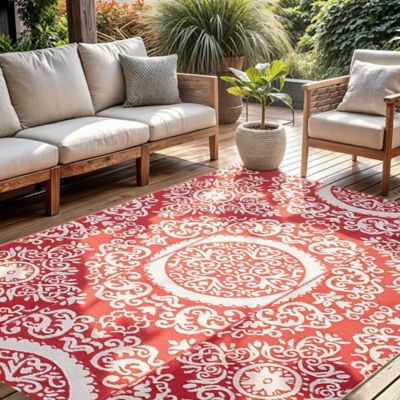
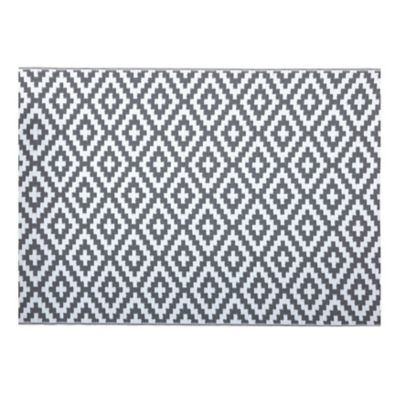
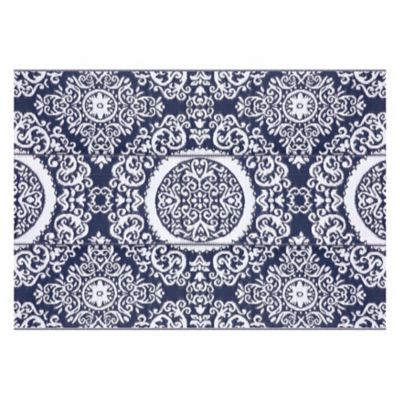
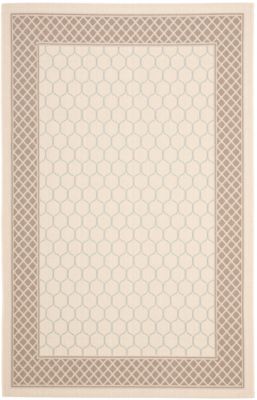
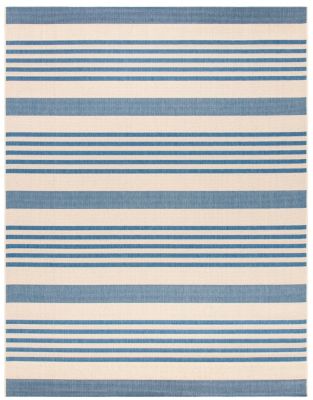
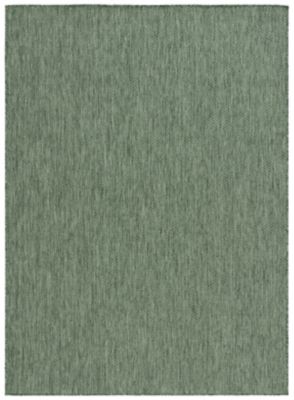
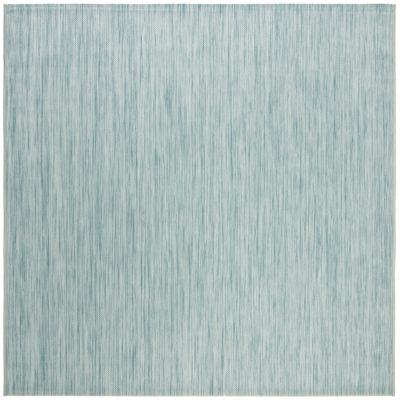
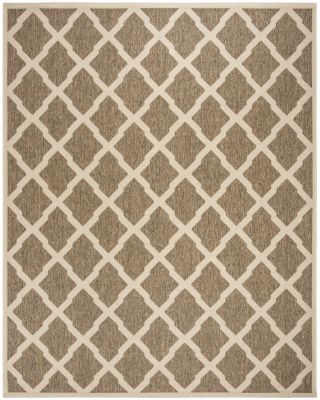
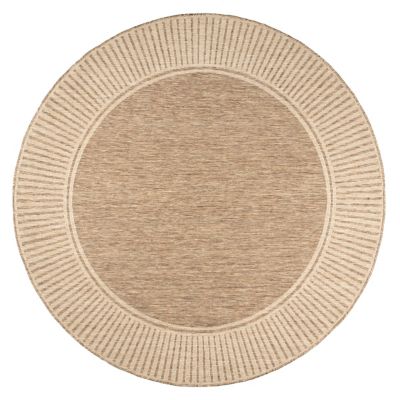
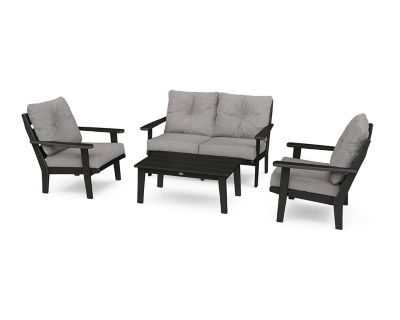
Water resistant outdoor rugs help make patios, porches, decks, outdoor kitchens, campsites and other open-air spaces feel more finished and comfortable without requiring the same fuss as an indoor rug. They give muddy boots, dusty shoes and bare feet a defined place to land while adding color and texture around a seating area, grill or entryway. A rug under a patio table can soften the look of a hard surface, and a runner along a covered porch can help tie together rocking chairs, planters and a front door. They also come in handy around the barn, cabin, camper or tailgate when you want a cleaner, more welcoming spot for folks to gather. When shopping for water resistant outdoor rugs, start with the location. A covered porch usually gives a woven synthetic rug plenty of protection, while an uncovered patio, poolside area or campsite calls for a material that can handle regular exposure to rain, splashes and tracked-in dirt. Measure the space before choosing a size, leaving enough room for furniture legs to sit securely on the rug without crowding walkways. Rectangular rugs work well beneath dining tables and seating groups, while runners suit porches, outdoor kitchens and narrow paths. Round and square shapes can help define a small bistro set or fire pit area. It is also worth considering how much wind the space gets; a lightweight rug is easy to move and clean, but a heavier weave may stay put better in a breezy yard. Outdoor rug pads or nonslip backing can add stability on smooth decking, concrete and tile, while still allowing air to circulate underneath.
Most water resistant outdoor rugs are made with durable synthetic fibers such as polypropylene, olefin or recycled plastic, often called PET. Polypropylene and olefin rugs are popular because they are soft underfoot, resist fading and can usually be rinsed with a garden hose. Their woven construction may hold a little moisture after a hard rain, so they need time to dry fully before being placed back on the floor. Recycled plastic and plastic-woven rugs generally absorb little to no water, making them a practical choice for uncovered patios, pool areas, muddy campsites and spaces where quick drying matters. In simple terms, water resistant does not always mean completely waterproof. Look at the construction, backing and care instructions to understand how a rug will perform in your setting. For a covered porch, comfort and appearance may be the top priorities. For a fully exposed deck, a rug that dries quickly and will not trap moisture underneath may be a better fit. UV-resistant material helps colors stand up to bright sunshine, especially in yards with little shade, though any outdoor textile can fade over time with constant exposure. Low-pile and flat-woven styles are easier to sweep, less likely to catch on chair legs and more convenient beneath outdoor furniture. Reversible designs can give you two looks in one and may help hide everyday dust between cleanings. Neutral shades blend naturally with wood, stone and metal, while a patterned rug can bring a little life to a plain concrete slab. These rugs make useful housewarming, wedding, birthday or holiday gifts for someone settling into a new home, outfitting a camper or creating a backyard sitting area. Pairing a rug with outdoor seating accessories, such as
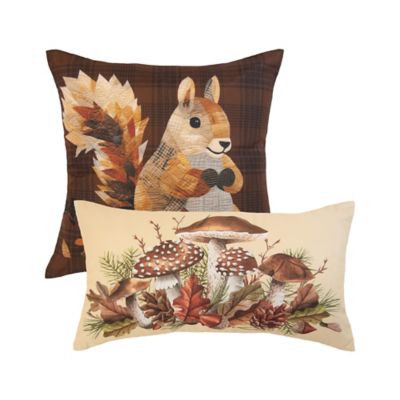
Weather Resistant Outdoor Pillows, can make a thoughtful gift set for a porch-loving friend or a family member who enjoys hosting outside.
Routine care is simple and helps an outdoor rug stay useful through changing weather. Shake it out or sweep it regularly to remove leaves, grass clippings, sand, pet hair and loose soil before those bits work deeper into the weave. When the rug needs more than a quick cleanup, lay it on a clean surface and rinse it with a garden hose. Mild dish soap mixed with water and a soft brush can loosen muddy footprints or food spills, but harsh chemicals and stiff scrubbing may damage fibers, fade colors or weaken the backing. Rinse away all soap and hang or lay the rug flat so air can reach both sides. Let it dry completely before putting it back under furniture; trapped moisture can encourage mildew odors, particularly on concrete or other surfaces that do not breathe well. After heavy rain, lift the corners or move the rug to a sunny, ventilated area when practical. During the cooler months, consider rolling it—not folding it tightly—and storing it in a dry shed, garage, mudroom or covered storage area if freezing temperatures, heavy snow or long wet spells are expected. Keep it off damp floors and away from sharp tools that could puncture the material. With the right size, construction and care routine, water resistant outdoor rugs can make everyday outdoor spaces more inviting, from a quiet front porch coffee spot to a busy family patio where muddy paws and work boots are part of the scenery.