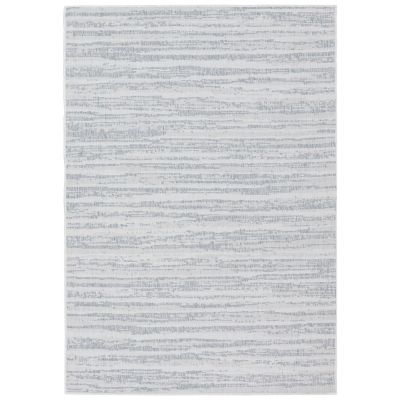
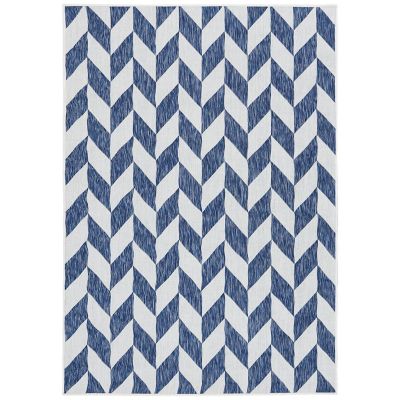
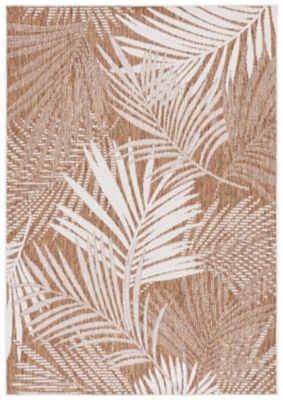
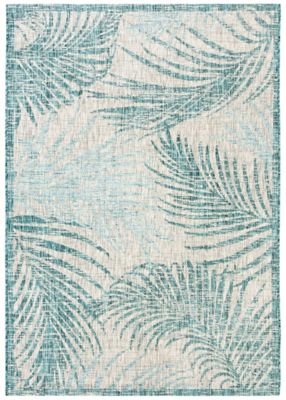
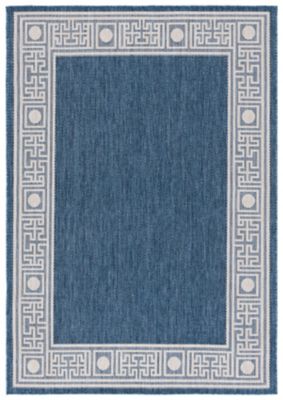
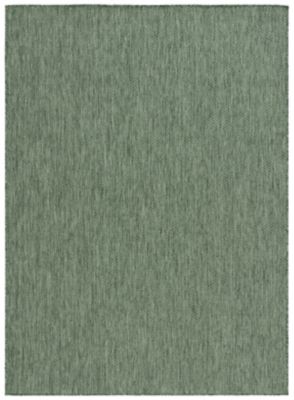
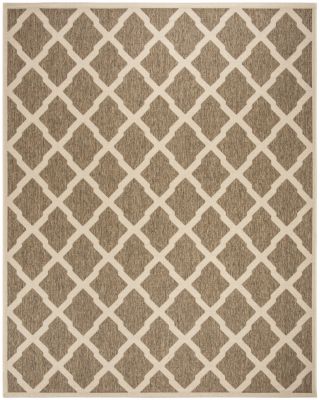
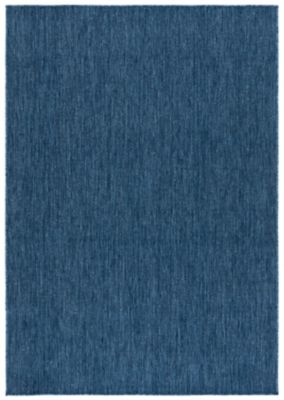
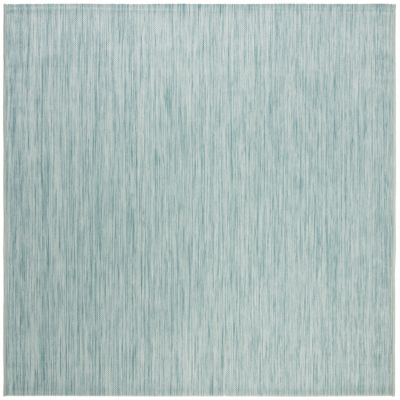
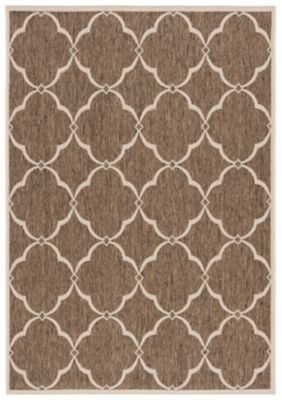
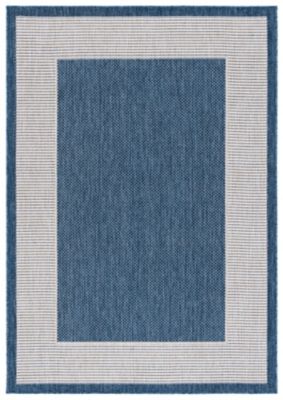
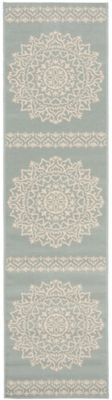
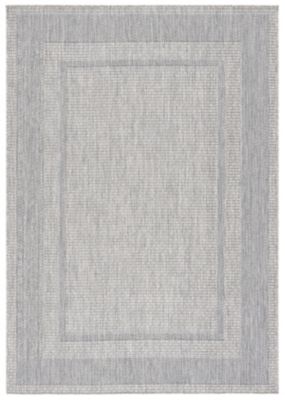
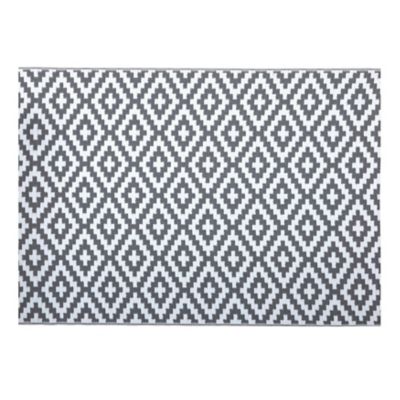
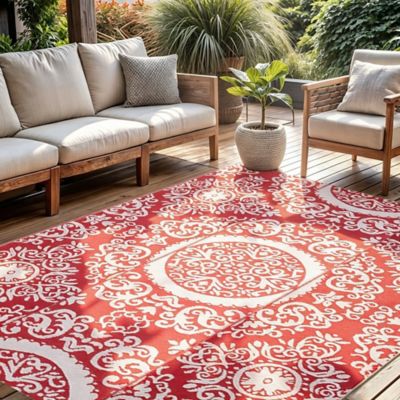
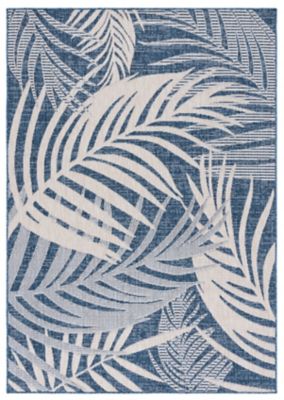
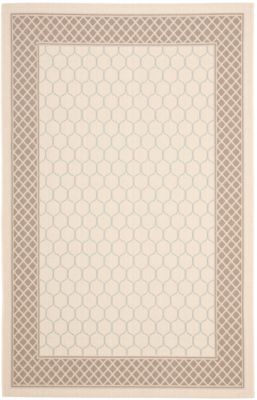
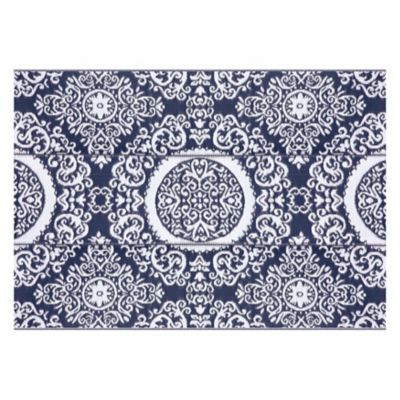
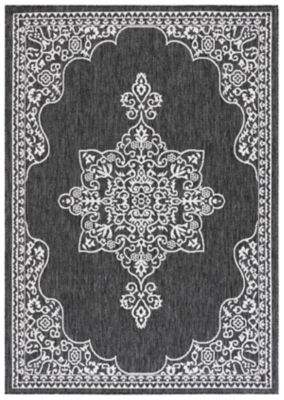
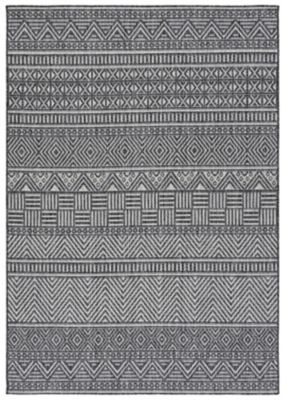
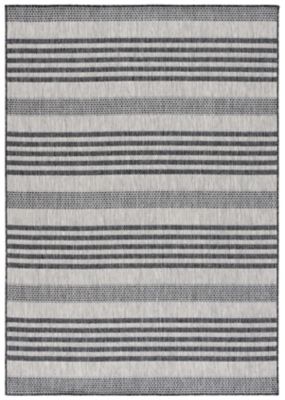
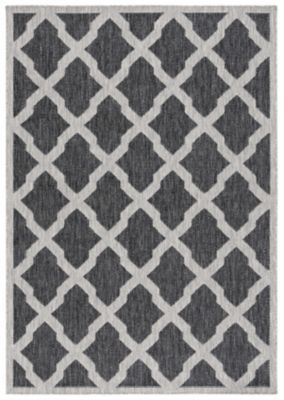
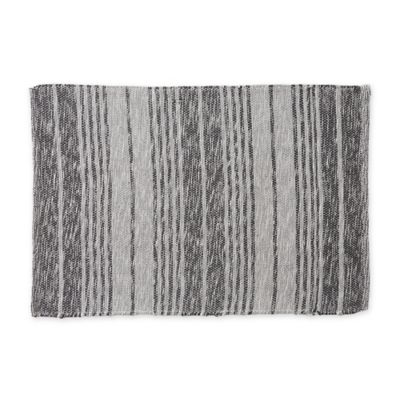
Fade-resistant outdoor rugs are designed to slow color loss from sunlight through their fibers, dyes, or UV-resistant treatments. They help bring a porch, patio, deck, or outdoor sitting area together while keeping their color longer under the exposure described by the manufacturer. Fade resistance does not mean a rug will never fade, and it does not automatically mean the rug is waterproof or suited to every outdoor surface. The fiber, construction, backing, and care instructions all matter. Polypropylene is a common outdoor rug material because it absorbs little moisture and is generally easy to clean. Some rugs feature solution-dyed fibers, with color added before the fibers are formed rather than applied only to the surface. That construction can help with color retention, though the stated outdoor rating still matters. Polyester also appears in outdoor rugs, but fiber content alone does not establish how well a rug will handle direct sun. Look for clear information about UV resistance and whether the rug belongs in an uncovered space or a sheltered spot. A rug beneath a covered porch still gets sunlight along the edges, especially where the sun reaches under the roof. On an open deck, exposure may stretch across most of the rug for hours at a time. Those differences make placement just as important as appearance. Flatwoven rugs tend to have a low profile that works well beneath tables and along busy paths, while more textured surfaces bring a softer feel to a seating area. Earth tones, stripes, geometric patterns, and other designs can tie together a wooden bench, metal chairs, and a well-traveled back door. Patterned surfaces may also make bits of tracked-in soil less noticeable between cleanings. For a porch where folks gather after chores or a patio that hosts family meals, the right rug adds comfort underfoot without needing to turn the space into an indoor room. Sun exposure and foot traffic are separate challenges, so consider both color retention and how the weave handles everyday movement.
Getting the size and fit right makes fade-resistant outdoor rugs easier to live with. Measure the open floor area, then account for doors, steps, posts, railings, and the furniture that will sit on top. A dining rug needs enough room for chairs to slide back without their rear legs catching an edge. In a sitting area, placing the front legs of a bench or chairs on the rug helps connect the furniture instead of leaving a small patch floating between the seats. A narrow porch may call for a runner, while a broad patio can take a larger rectangle that gathers the table and chairs into one spot. Leave clearance around stair landings and keep edges out of door swings. Thickness matters here: a rug that looks fine in an open space may bunch beneath a low door or create a raised edge where people carry feed buckets, groceries, or a tray of food. Check that the backing and any outdoor-rated pad are suitable for the flooring beneath them. Some combinations can affect painted surfaces, sealed concrete, wood, or composite decking, so follow the guidance for both the rug and the floor. A pad can help limit movement, but it should not block drainage or hold moisture against the surface. On decks, keep drainage gaps clear and lift the rug periodically to inspect underneath. Uneven pavers and rough boards deserve attention before laying a rug down; fabric will not fix a loose stone or a splintered plank. In exposed areas, consider how securely the rug lies and whether its corners stay flat. Keep rugs away from fire pits, hot grill parts, and other heat sources unless the manufacturer specifically permits that placement. For households with children or pets, a low pile and straightforward cleaning routine can make a busy gathering spot more manageable. Choose the layout around how people actually walk, sit, and move through the space, not just how the rug looks beneath an empty table.
Care plays a part in keeping an outdoor rug looking good, even when its fibers resist fading. Loose grit works down into the weave and can wear against the fibers as boots and chair legs move across it. Shake out smaller rugs when practical, sweep away leaves and dirt, or vacuum according to the care label. Clean up spills promptly, blotting rather than grinding them into the surface. Many outdoor rugs allow washing with water and a mild cleaning solution, but not every backing or fiber has the same requirements. Check the instructions before reaching for a hose, scrub brush, stain remover, or pressure washer. Strong chemicals and aggressive cleaning can affect color or damage the construction, so test any permitted cleaner in an out-of-the-way spot first. After rinsing, let the rug and the surface underneath dry thoroughly before putting furniture back. Quick-drying fibers still need airflow, and damp debris trapped beneath a rug can leave marks or encourage mildew on nearby surfaces. For a patio beside a sprinkler or an uncovered deck,
Water Resistant Outdoor Rugs offer another useful feature to consider alongside fade resistance. Water resistance and UV resistance address different kinds of exposure; one should not be taken as proof of the other. Review both when the rug will face regular sunlight and splashing. Where practical, rotate a rug occasionally to spread exposure and foot traffic more evenly, provided its shape and placement allow it. Remember that sections shaded by furniture may age differently from open areas. If a rug needs to be put away, clean it first, allow it to dry completely, and follow its storage instructions. These routines suit a hardworking back porch just as well as a quieter spot with a pair of rocking chairs. Choosing fade-resistant outdoor rugs comes down to matching the stated sun protection, material, size, and care needs to the place they will serve. A well-matched rug gives everyday outdoor spaces a more settled, comfortable feel while keeping upkeep within a manageable routine.