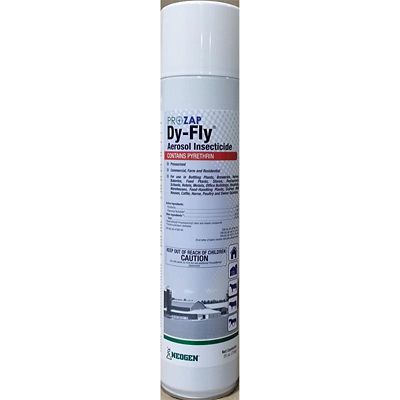
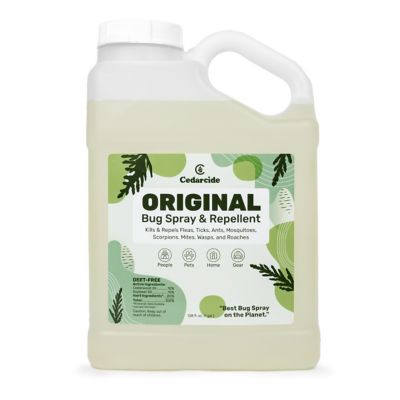
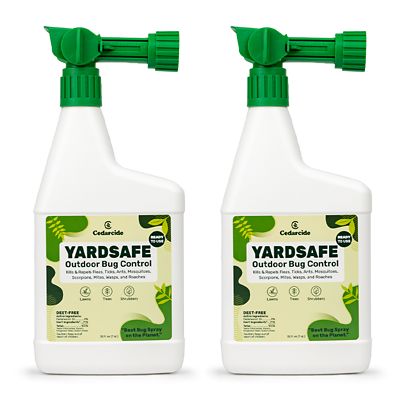
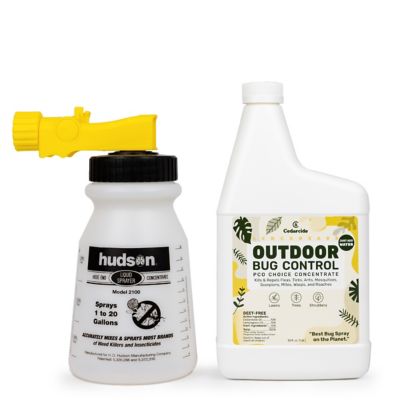
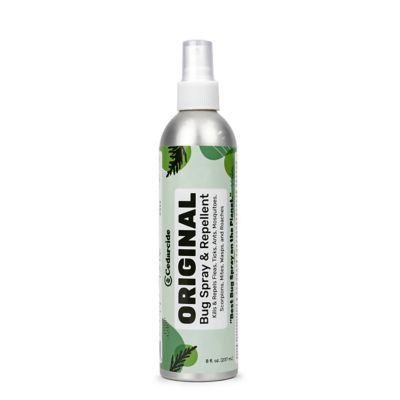
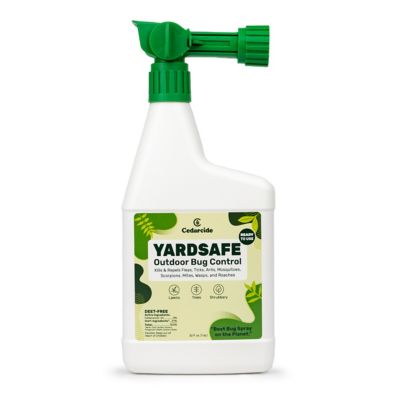
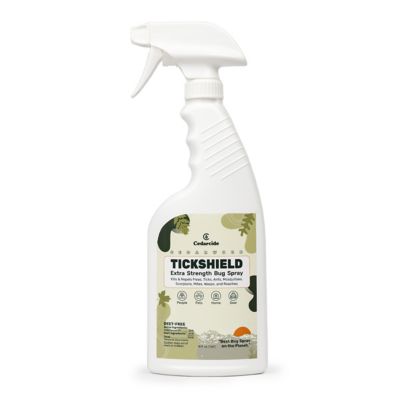
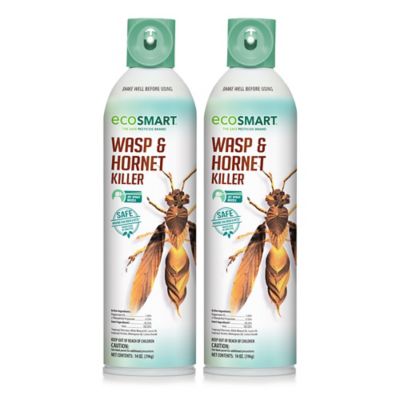
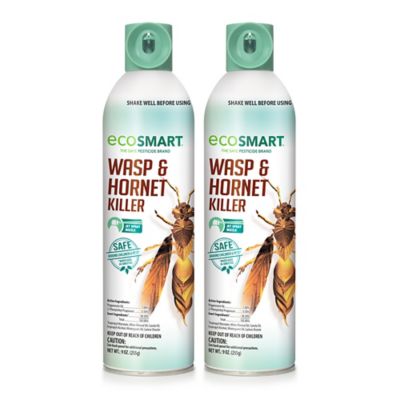
Wasp repellents are intended to help discourage wasps from gathering or nesting in certain areas, with results depending on the formula, the insect, and the setting. Around a porch, picnic table, workshop entrance, or feed shed, the right choice starts with the job described on the label. A repellent is meant to discourage insects from approaching or settling; a trap attracts and captures them; and a wasp and hornet killer is an insecticide intended to kill the insects named on its label. Those functions are not interchangeable, even when they appear alongside one another in a broader selection of wasp control supplies. A yellowjacket circling an open soda can presents a different situation from repeated traffic through a gap beside a barn door. Some wasps forage for sweet liquids, meat, and other food sources, while others may be looking for nesting sites. That makes intended use just as important as the type of package. For a back porch where the family gathers after chores, a repellent labeled for that setting may fit the goal of discouraging visits. For a shed with insects moving steadily into a wall opening, a deterrent alone is not a substitute for identifying and addressing an established nest. Wasps also prey on other insects, and some help pollinate plants, so targeted control around occupied spaces makes more sense than treating every part of a property alike. Homeowners and people tending outbuildings often want options that fit into normal routines without interfering with animal care or outdoor meals. Covered trash containers, tight-fitting lids, and prompt cleanup of spilled drinks or animal feed can help reduce attractants, though those measures do not guarantee a wasp-free space. Comparing wasp repellents means looking beyond a broad claim and considering the site, the insects present, and the directions for the particular formulation.
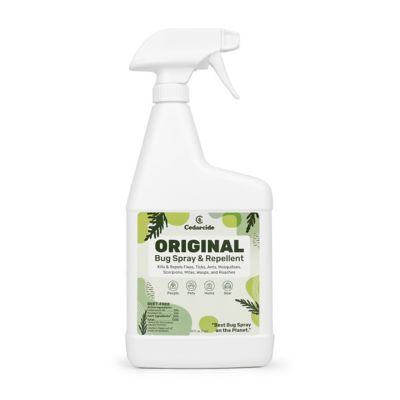
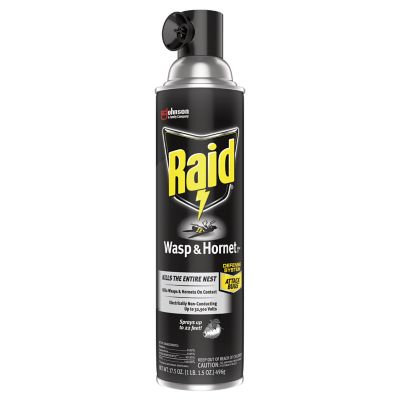
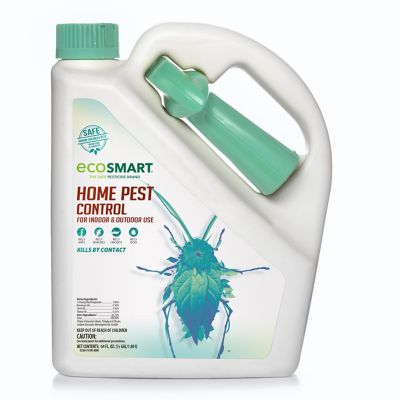
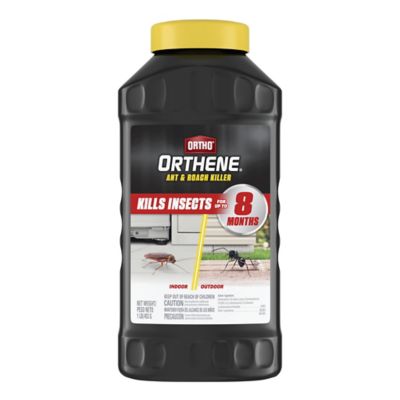
Spray-based wasp repellents vary in their ingredients, application methods, labeled surfaces, and limits on where they belong. Some formulations contain plant-derived ingredients, including peppermint, clove, geranium, or lemongrass oils. Certain essential oils have shown repellent effects in research settings, but a strong scent alone does not establish how well a finished product will perform around a home or barn. The formulation and label directions matter more than the ingredient’s familiar name. An oil-containing spray may also leave marks on some finishes or fabrics, making surface compatibility worth checking around painted trim, stained wood, outdoor cushions, and equipment housings. Any label directions covering spot testing, drying time, repeat applications, and cleanup help determine whether a formula suits the space. Neither plant-derived nor synthetic ingredients should be assumed harmless to pets, livestock, children, bees, or other wildlife. Application restrictions, contact precautions, and any required waiting period before people or animals return to a treated area deserve close attention. Porches next to chicken runs, kennels, stock tanks, and feed storage call for particular care with labeled locations and protection of food and water. Repellent sprays intended for surfaces are not automatically appropriate for skin, clothing, animals, or edible plants. Package design also affects everyday handling. A trigger sprayer and a pressurized can handle differently, and the stated coverage, spray pattern, and application directions help distinguish their intended jobs. A long-range stream on a nest-treatment insecticide does not turn that product into a general-purpose repellent or eliminate the risk of stings. Secure closures, readable directions, and a container that fits designated pesticide storage can make handling more straightforward. Storage and disposal requirements belong in the comparison, too, especially in a busy shop or utility area. Keeping the original label with the container preserves the information needed for handling and future applications.
Non-spray options bring a different set of considerations. Hanging nest decoys are marketed as visual deterrents, but evidence supporting their effectiveness is limited, and they do not remove an active colony. Wasps do not all respond to nearby nests in the same way, so a faux nest should not be treated as a protective boundary around a porch or barn. Materials such as paper, fabric, or molded plastic affect how a hanging deterrent is supported, cleaned, and stored, with care requirements varying by design. Size, attachment method, and clearance from doors or walking paths also matter around a working property. Traps, by contrast, rely on attracting foraging wasps rather than driving them away. The target species, lure type, entry design, and placement directions are important shopping considerations because a trap near a busy doorway may draw insects toward the very spot people want to keep clear. Reusable designs may involve emptying, cleaning, and replacement lures, while disposable designs have their own handling and disposal requirements. Those maintenance differences matter beside a detached garage or utility shed, where a product that needs frequent attention may not suit the daily routine. For a property with several kinds of biting or stinging pests,
Yard Insect Repellents offers a broader look at options for other labeled targets and settings. A mosquito repellent, fly control product, or general yard spray should not be assumed to repel wasps unless its label supports that use. Even a well-matched product cannot promise protection from every sting, and repellents are not a substitute for professional help with a nest in a wall, roof void, or another hard-to-reach location. Where an active nest sits close to people or animals, or someone has a history of serious sting reactions, professional pest control is a better fit than relying on a deterrent. Clear labeling, manageable upkeep, and a close match to the intended space help narrow the choices for life around the house, yard, and barn.