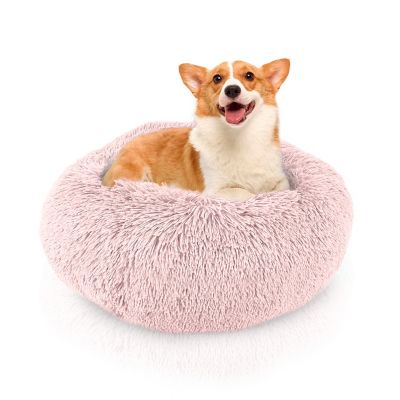
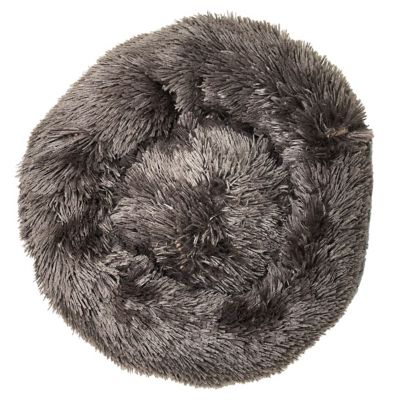
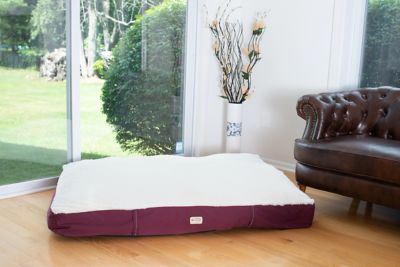
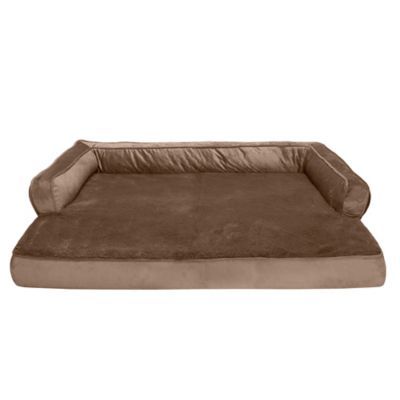
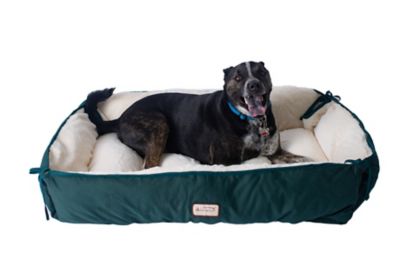
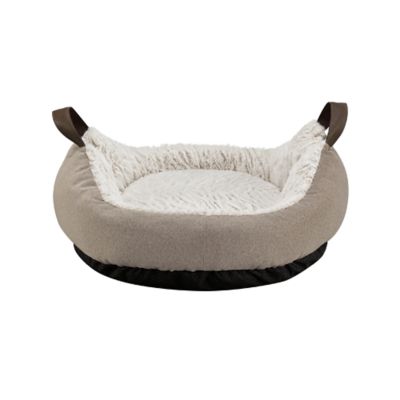
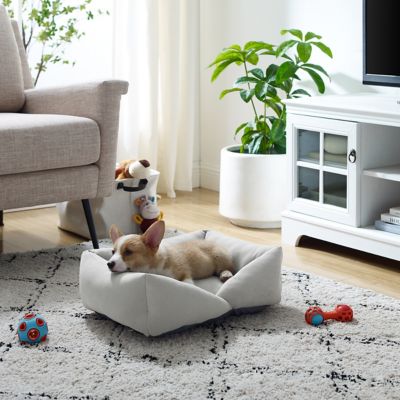
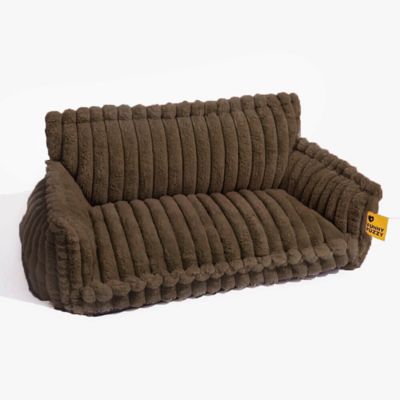
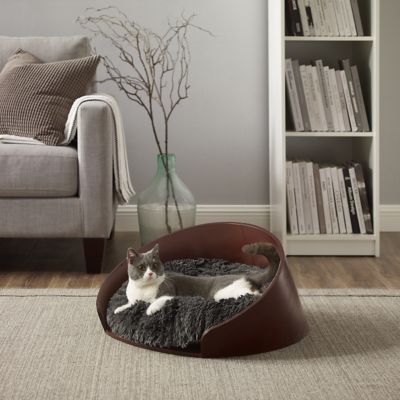
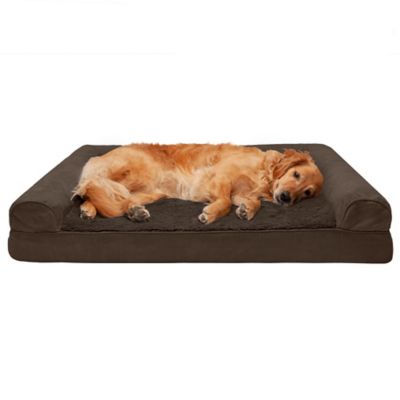
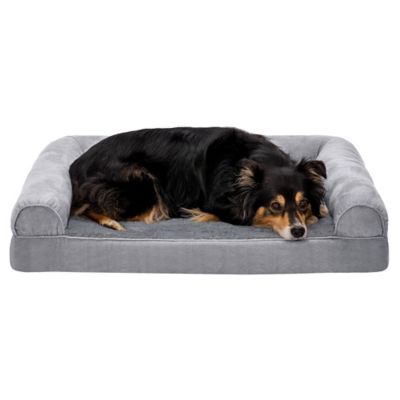
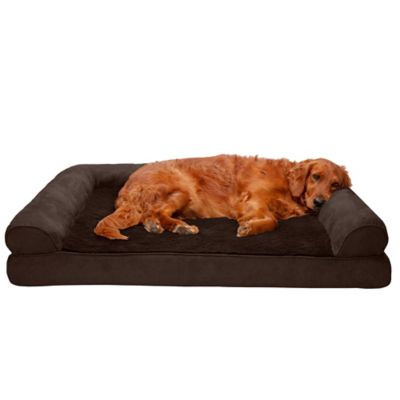
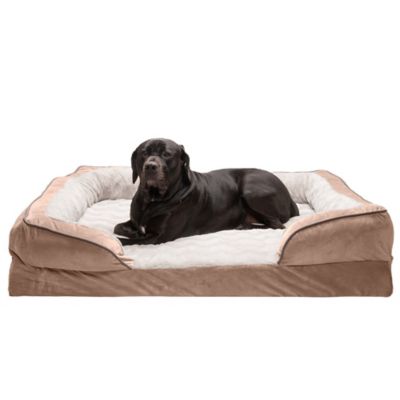
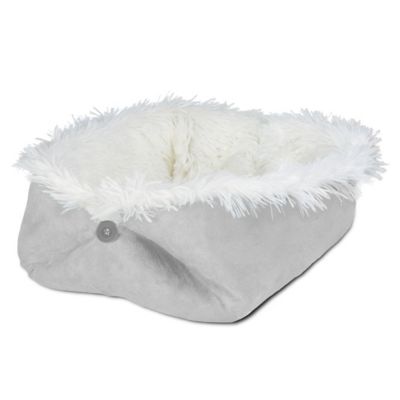
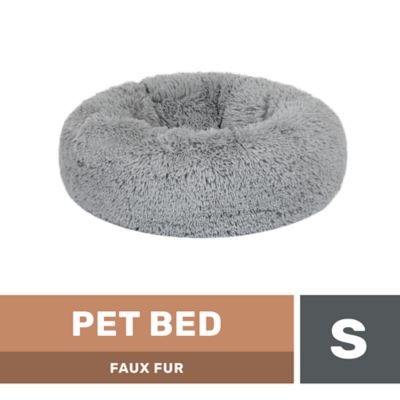
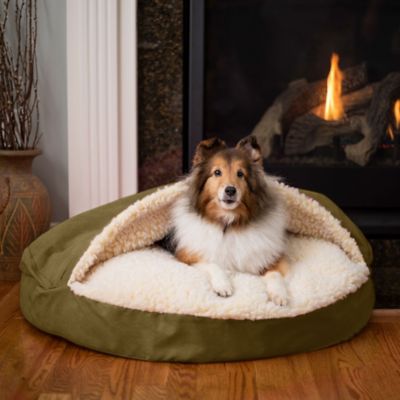
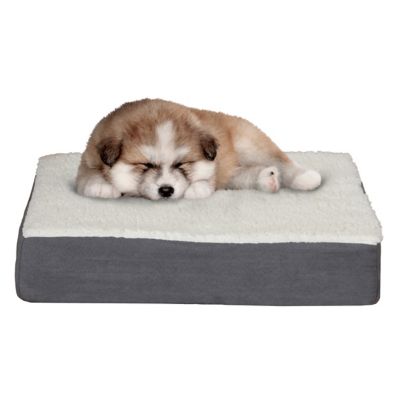
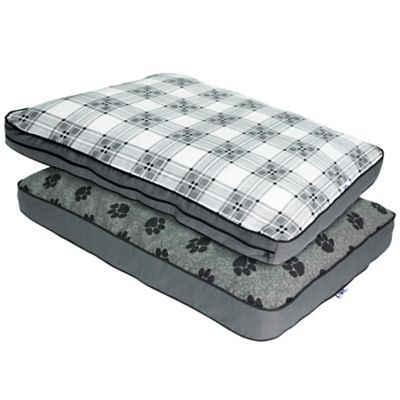
A fluffy dog bed gives a dog a soft place to settle after a walk down the lane, a romp in the yard, or a day spent keeping an eye on the household. The appeal starts with the surface: plush fibers, fleece, and shaggy fabrics create a cozy feel beneath paws and offer a comfortable spot for a nose to tuck in. Underneath that soft exterior, the bed’s shape and filling make a difference in how it feels through a long afternoon nap. Loose fiberfill offers a cushiony, nestlike feel, while foam provides a firmer foundation that may suit dogs that need steadier footing when they lie down or stand up. Some beds combine a supportive base with a fluffy top, bringing both features into the same sleeping space. Round beds with raised sides suit dogs that curl into a tight ball, especially those that like to rest their chin on an edge. A broad, flatter sleeping surface gives a sprawler room to stretch out without bumping into bolsters. Rectangular shapes can fit neatly beside a couch or along a bedroom wall, while a round cushion makes a snug resting spot in a quiet corner. Size means more than the measurements across the outside of the bed. Thick bolsters take up space, so the inside sleeping area matters just as much, particularly for a long-legged dog or one that changes positions throughout the night. A dog’s usual sleeping posture offers a better picture of the space needed than weight alone. For households with more than one dog, separate beds can give each animal a familiar place to rest without competing for the softest spot. Whether the sleeper is a little companion who follows every step around the kitchen or a bigger dog ready to clock out after chores, the best fit leaves enough room to relax naturally.
The feel of a fluffy dog bed depends on more than how thick the pile looks. Longer fibers create that deep, shaggy texture many dogs enjoy burrowing into, but they can also catch loose hair, grass seeds, and bits of leaves carried in from outside. A shorter plush or fleece surface still feels soft and may be simpler to keep tidy in a busy home. Dogs with feathered legs or thick coats can bring plenty of yard debris indoors, making the cover’s texture worth a close look. Seams, zippers, and the way the cushion holds its shape also matter when a dog circles, paws, and nests before settling down. A tightly stitched cover and filling that stays evenly spread help the bed stand up to that daily routine. No fluffy fabric is chew-proof, though, and a dog that tears at fabric or pulls out stuffing needs supervision and a sleeping setup suited to that behavior. For older dogs, a low entrance can make getting onto the bed easier than climbing over a tall rim. A base that grips the floor can help limit sliding on smooth surfaces, especially when a larger dog steps in with some momentum. Young puppies and dogs prone to accidents bring another set of considerations: a washable cover is handy, but it does not necessarily keep moisture from reaching the filling. A water-resistant liner, when included, adds a separate layer between everyday spills and the cushion beneath. For a dog that runs warm, an open bed with room to stretch may feel better than a deep nest surrounded by high sides. Short-coated dogs and those drawn to the warmest corner of the house may prefer a more enclosed shape during the cooler months. The related
Warm Dog Beds page offers another place to explore beds with warmth in mind. Fluffiness alone does not tell the whole story about insulation or support, so the outer fabric, interior construction, and sleeping shape all deserve consideration together.
A fluffy dog bed fits most comfortably into daily life when its care needs match the household routine. After a muddy outing, drying paws before a dog climbs in can cut down on grit worked into the fibers. Loose hair and surface dirt are easier to manage with regular shaking outdoors or gentle vacuuming when the care instructions allow it. Removable covers simplify laundry day, while some smaller beds can go into a washing machine as a whole; the label should spell out the right method, water temperature, and drying requirements. A large, heavily filled bed may need more washer space than a home machine provides, and a soaked cushion can take longer to dry than its cover. Thorough drying matters because damp filling can hold odors and lose its inviting feel. High heat can affect certain plush fabrics or foam components, so a bed that looks easy to wash still needs care suited to its materials. Between cleanings, turning or fluffing a loose-filled cushion can help redistribute filling that shifts toward the edges. Placement matters, too. A dry spot out of foot traffic lets a dog rest without being stepped around all evening, while keeping the bed near the family can suit a companion that dislikes being shut away. Beside a favorite chair, near a home office desk, or in a quiet bedroom corner, a dedicated bed gives the dog a clear resting place without taking over the walkway. Indoor plush beds are generally better kept away from rain, damp porch floors, and muddy entryways unless their stated intended use says otherwise. They also belong a safe distance from stoves, fireplaces, and portable heaters. For visits to family or overnight stays, a familiar bed can bring along the scent and feel of home if it is practical to carry. As a gift for someone welcoming a dog or caring for an longtime companion, a fluffy bed is a thoughtful choice when the dog’s size, habits, and household laundry setup are known. Softness makes the first impression, but comfortable proportions, suitable support, and manageable care are what make that resting spot part of everyday life.