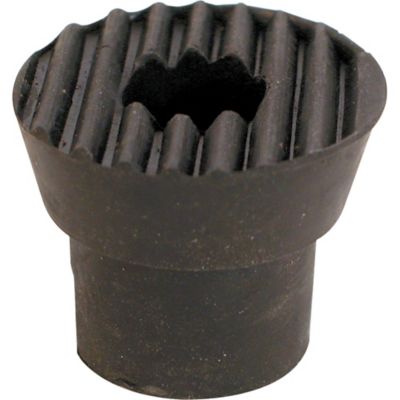
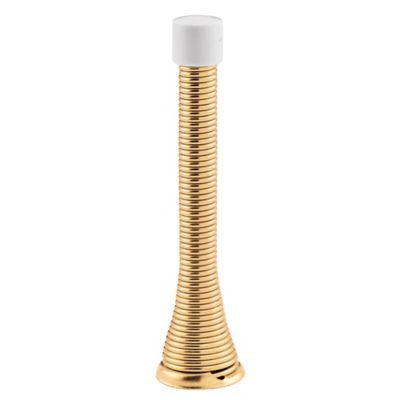
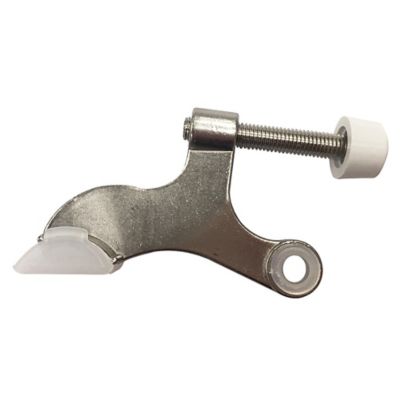
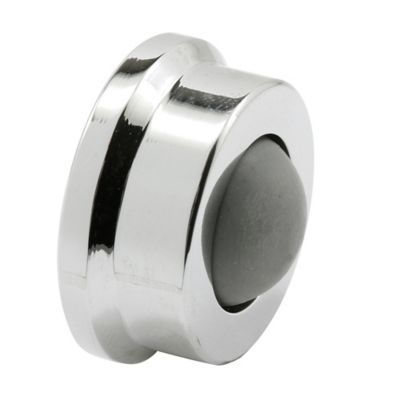
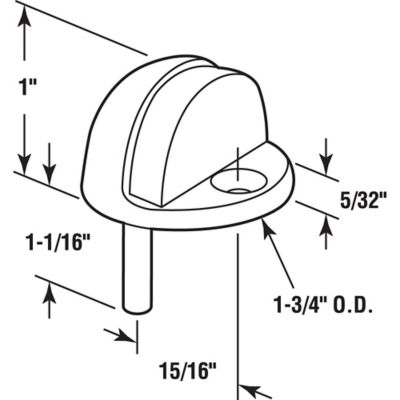
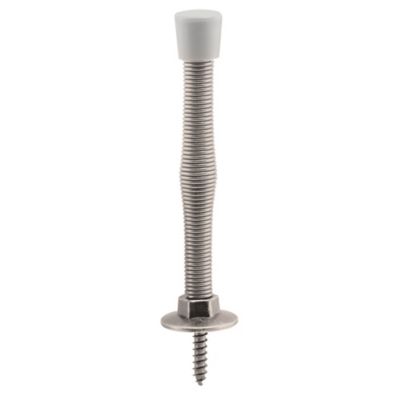
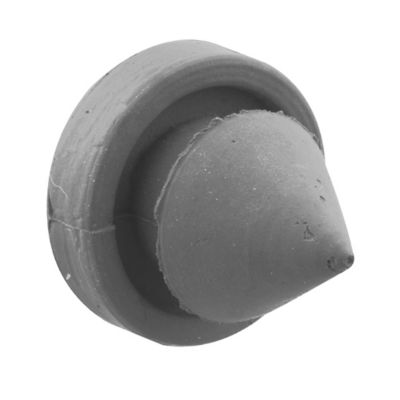
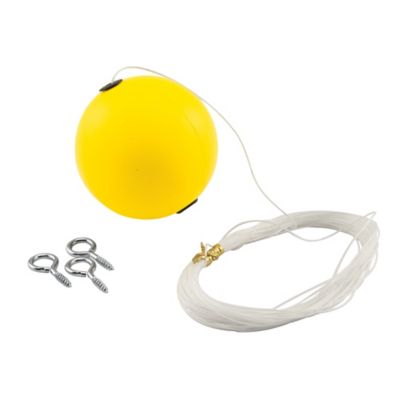
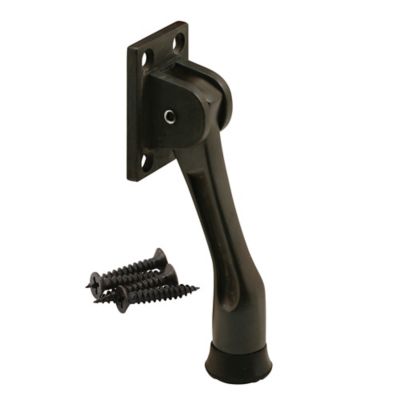
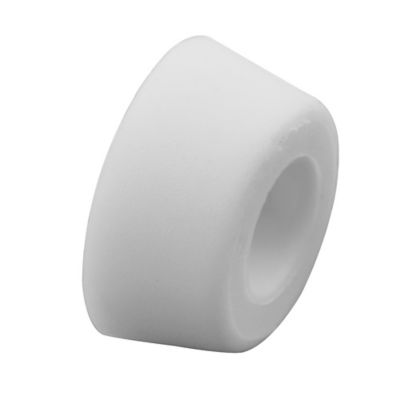
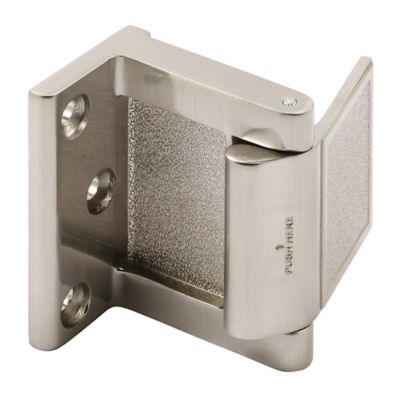
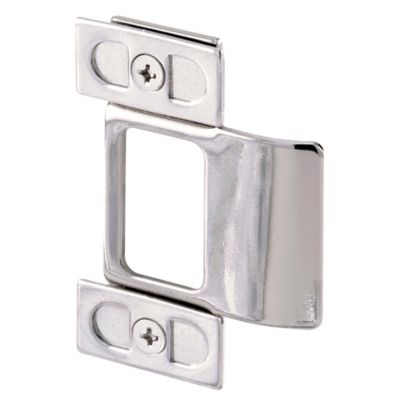
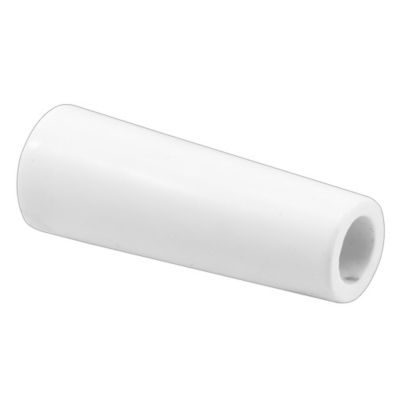
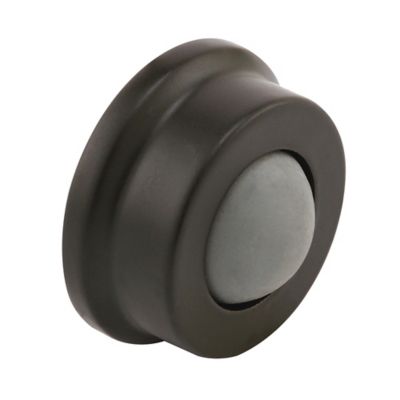
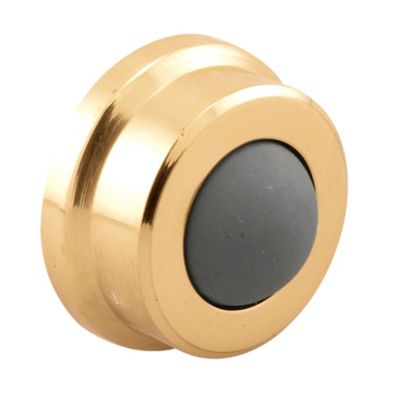
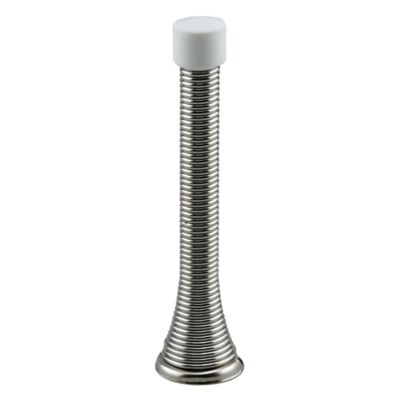
Commercial door stops help keep entryways working smoothly while protecting doors, walls, trim and nearby equipment from everyday wear. They are a practical choice for barns, shops, warehouses, offices, retail spaces, schools, farm stores, clinics, restaurants and other buildings where doors see steady foot traffic. A door that swings too far can leave a dent in drywall, scrape a baseboard or bang into shelving, machinery and stored goods. A door that will not stay open can be just as troublesome when people are carrying feed bags, boxes, tools or supplies through the building. The right commercial door stop helps control that movement, giving the door a dependable stopping point and, in some designs, holding it open when needed. Look for construction suited to the job, including sturdy stainless steel, brass or bronze materials for busy areas and locations where the hardware may be exposed to damp air, dust or frequent contact. A durable rubber bumper can soften the impact and reduce noise, while a solid mounting point helps the stop stand up to repeated use. In a high-traffic hallway, loading area or shop entrance, heavy-duty hardware is worth considering because the stop may be used dozens of times in a day. For a quieter office, guest area or finished outbuilding, a lower-profile style can provide protection without drawing much attention. Commercial door stops also pair well with other entryway hardware, including latches, closers, hinges and locks. Shoppers planning a broader update can find related options in
Door Security Hardware to help improve the way a building opens, closes and stays secured.
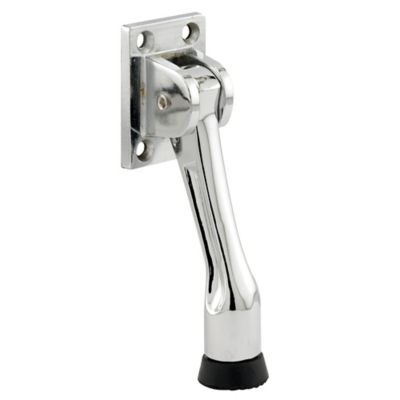
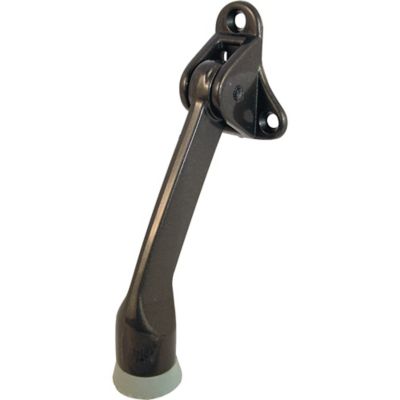
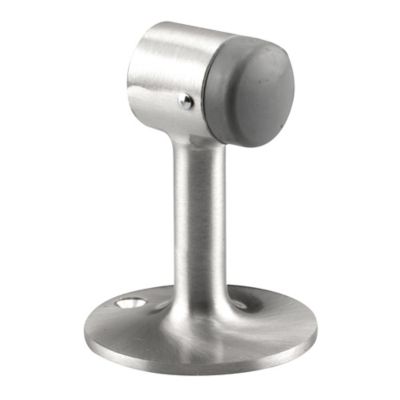
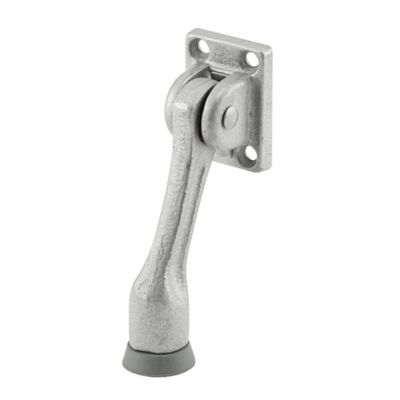
Choosing a commercial door stop starts with looking at the door, the surrounding space and the way people use the entrance. Wall-mounted stops are a smart fit when the floor needs to remain clear or when the door swings close to a finished wall. They help keep a handle or door edge from leaving marks, especially in narrow corridors and utility rooms. Floor-mounted stops are useful when a strong, low-positioned stopping point makes sense, though the mounting surface should be checked before installation. A kick-down style can be handy for doors that need to be held open often, since it can be engaged or released with a boot while hands are full. This is especially helpful in a farm shop, supply room, kennel, greenhouse or service area where workers are moving between inside and outside throughout the day. Magnetic or hold-open designs can make frequent trips easier by keeping a door open until it is released, while portable wedge-style options offer flexibility for temporary work, cleaning, moving equipment or deliveries. Pay attention to the door’s weight and swing, since a lightweight interior door and a thick steel service door place very different demands on the hardware. Measure the clearance between the door and wall, note where the handle lands, and make sure the chosen stop will not interfere with carts, pallet jacks, livestock gates or other traffic. Installation matters, too. A stop should be attached to a sound surface with suitable fasteners, and the mounting location should allow the door to stop before the handle or edge reaches the wall. In older barns and outbuildings, uneven floors, wood siding and worn trim may call for extra care during installation. Taking a few minutes to inspect the area first can prevent a loose stop, stripped screw or fresh wall damage later.
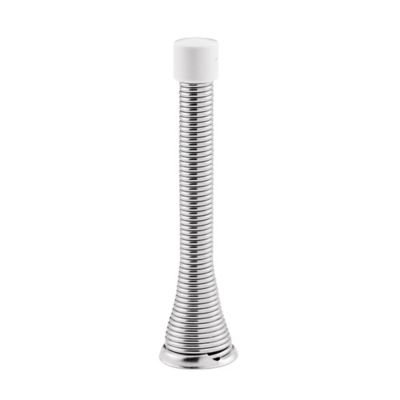
Commercial door stops are useful for property owners, maintenance crews, contractors, facility managers and anyone responsible for keeping a busy building in good shape. They can be installed in a new workshop during construction, added to a remodeled office or used as a simple fix when a door has started banging against a wall. They are also a thoughtful practical gift for someone setting up a garage, building a homestead, opening a small business or improving a rental property. During the warmer part of the year, open doors can help move air through a shop, barn or storage building, while during the cooler months a controlled door can make deliveries and daily chores easier without letting the door swing into a wall or equipment. In areas where wind is common, a dependable stop can help prevent a sudden gust from throwing a door wide open, although it should not replace a proper latch when the door needs to remain secured. Check the bumper, spring, fasteners and mounting surface from time to time, particularly on entrances exposed to mud, moisture, grit or heavy use. Replace worn rubber or damaged hardware before the door begins striking the wall again. Whether the goal is wall protection, hands-free convenience, temporary access or a reliable hold-open point, commercial door stops offer a small improvement that can make a noticeable difference every day. The best choice is one that matches the door’s size, the traffic level and the conditions around the opening, giving workers, customers and family members a smoother path through the building.