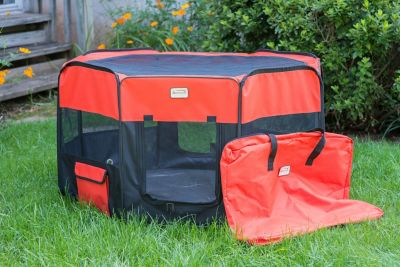
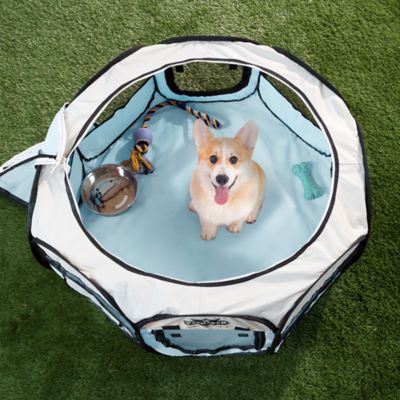
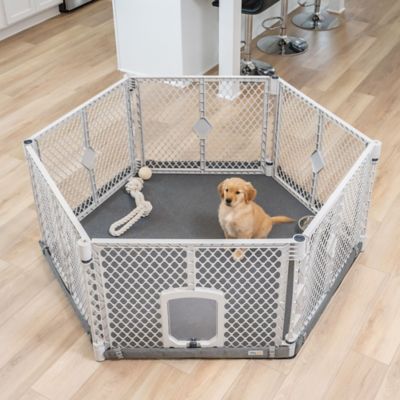
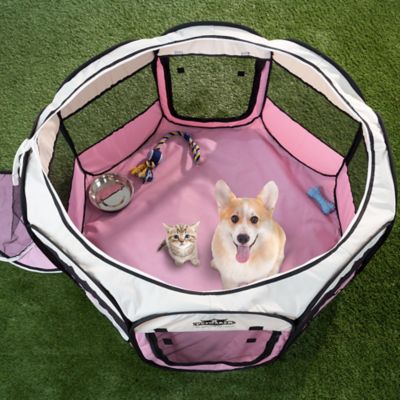
Portable outdoor cat playpens give cats a little room to watch the yard, sniff around and stretch out while keeping their outdoor time contained and supervised. For an indoor cat that likes to sit by the screen door, an enclosed space can bring the sights and sounds of the backyard closer without allowing free roaming. These lightweight enclosures also make sense for families who travel with their cats, visit relatives or spend time at a campground that permits pets. A playpen serves a different purpose from a travel carrier: the carrier handles transportation, while the pen provides room to settle in once everyone reaches a suitable spot. Depending on the design, a portable pen may have mesh walls, a fabric floor, an enclosed roof and zippered openings, with a folding or pop-up frame that packs into a carrying bag. Those details matter when the same enclosure moves between a back porch, a level patch of lawn and a storage shelf in the mudroom. Mesh panels let a cat keep an eye on nearby activity, while more enclosed sections can offer a place to retreat from view. A familiar blanket, a favorite toy and a stable water bowl can make that temporary space feel less strange. Some cats settle down to watch birds from a distance; others would rather curl up beside their person’s chair. Either way, a portable playpen is for supervised time together, not unattended housing or protection from loose dogs, wildlife or other animals. An enclosed top is especially important for cats that climb, and a secure floor connection helps limit gaps along the bottom. The most suitable setting is quiet, level and away from vehicle traffic, lawn equipment and anything a cat could pull through the mesh. Keeping the pen close enough for a person to notice pawing at a zipper or chewing on a seam makes outdoor time easier to manage from the start. A cat that crouches, pants, repeatedly tries to escape or seems overwhelmed belongs back in a familiar indoor space.
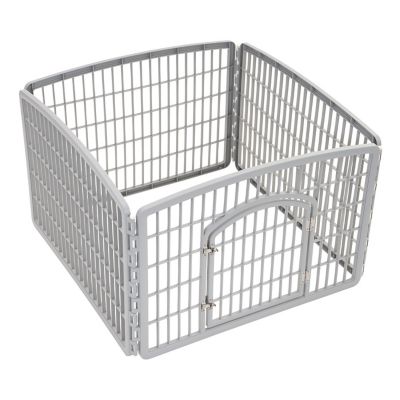
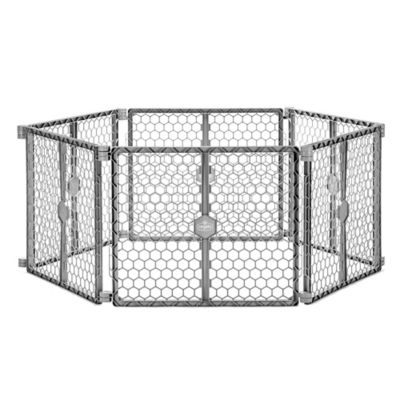
Construction and fit have a lot to do with how a portable cat playpen handles everyday outings. Polyester or nylon fabric can keep packed weight manageable, while mesh openings provide visibility and airflow. Fabric weight, mesh construction and stitching all affect resistance to snagging, especially with a cat that likes to knead or reach toward passing movement. Reinforced corners and neatly finished seams are useful details around the spots that take the most pulling. Coated metal frames, flexible supports and rigid folding panels each have a different feel during setup and storage, so the frame style should suit both the space and the person handling it. Pop-up designs can open quickly, but their folded shape and twist-down motion deserve attention before packing for a trip. Other folding styles may take a little more assembly while offering a more defined shape once standing. Whatever the construction, the playpen needs to sit fully open with its supports properly engaged. Interior dimensions tell more than the overall footprint alone. An adult cat needs enough room to stand naturally, turn around and lie stretched out without pressing against every wall. A larger enclosure may also leave space between a resting spot, water and a litter tray when the manufacturer permits that arrangement. Those supplies take up real floor space, and a pen that looks roomy while empty can feel cramped once they are inside. For two cats, extra square footage does not replace a comfortable relationship; only cats that already get along should share an enclosure, with room to move apart. Entry openings deserve a look, too. A wide opening can make placing a bed or lifting a reluctant cat less awkward, while zipper covers or closures designed to resist pawing can help limit escape attempts. No fabric enclosure is escape-proof, though, and a determined climber or chewer may need a different setup. A level base free of sharp stones, sticks and rough edges helps protect both paws and the playpen floor.
Portability is about more than carrying weight. A folded playpen should fit the vehicle, closet or storage space where it will spend time between outings, and its carrying bag should accommodate the frame without forcing the fabric against sharp hardware. Separate pockets or compartments can help keep stakes and other small parts from rubbing against mesh during travel. Ground anchors, when included or specified by the manufacturer, help position the enclosure on suitable ground, but they do not make it safe to leave a cat alone. On a porch or patio where stakes cannot go into the ground, the design needs a manufacturer-approved way to remain stable rather than an improvised tie-down arrangement. For households planning a more permanent yard setup with standing room for a person,
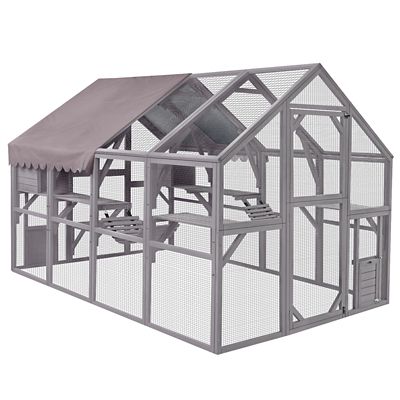
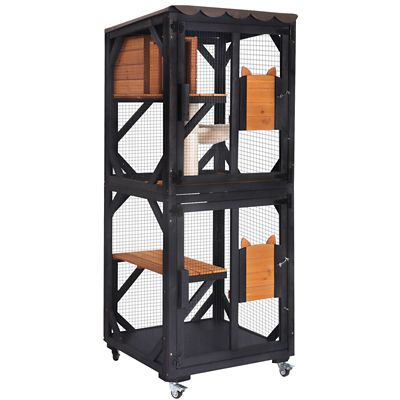
Walk-In Outdoor Cat Enclosures are a different category to consider alongside packable pens. The portable option puts the emphasis on moving, folding and storing rather than creating a fixed outdoor living area. That makes routine care part of its usefulness. Grass, litter and loose fur can collect in floor seams, and crumbs left behind can draw insects. Care directions vary by fabric and frame, so cleaning should follow the manufacturer’s instructions, especially for removable floors or washable panels. A pet-safe cleaner, when permitted, should be rinsed away as directed, and every part should dry completely before the pen goes back into its bag. Mesh, zippers, stitching and frame connections also need a quick check before each outing. A small tear or bent support can become a bigger problem once a cat pushes against it. Outdoor access still calls for appropriate parasite prevention and veterinary advice for the individual cat, even when roaming is off the table. With enough room, secure closures and a setup that fits the household’s routine, a portable playpen can give a cat a comfortable place beside the porch chair while its person sits close by.