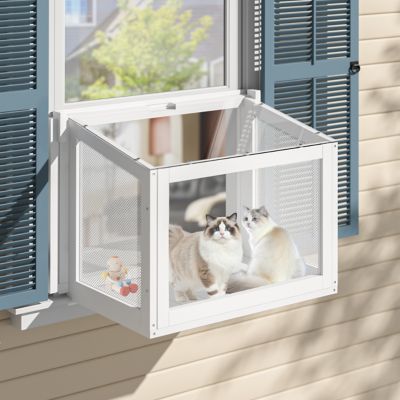
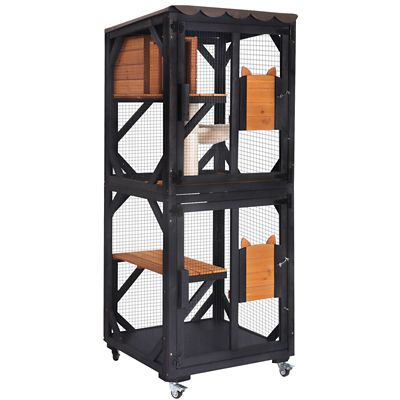
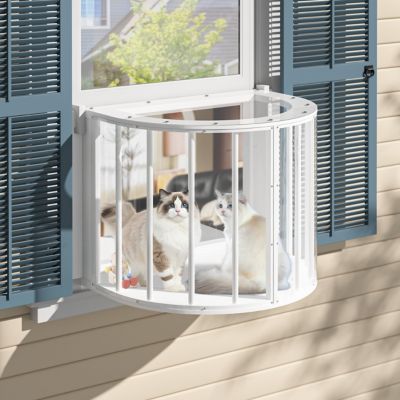
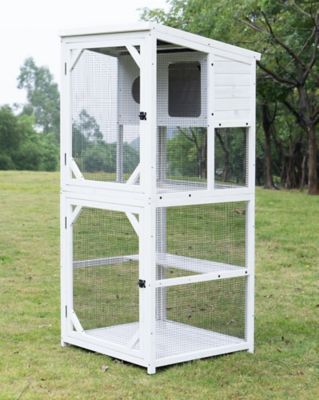
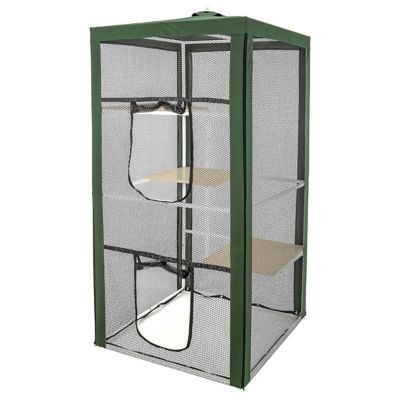
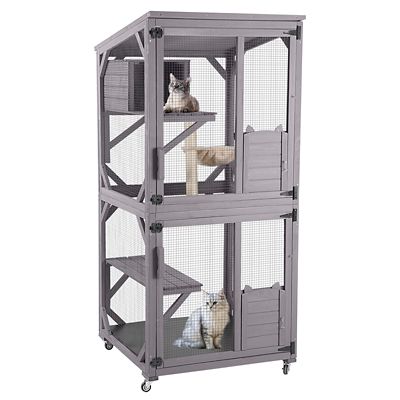
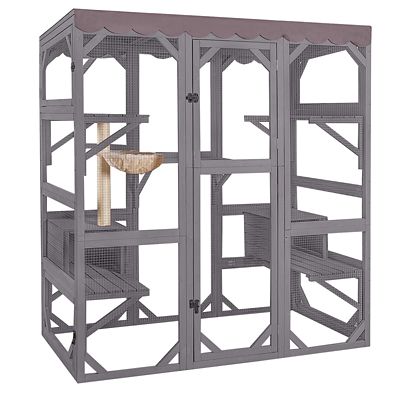
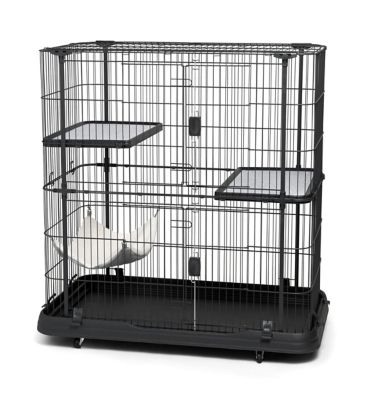
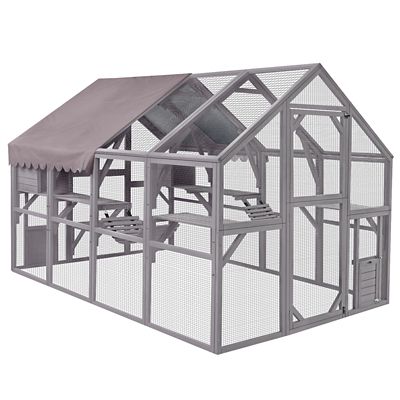
A little room beside the back door can give a cat a whole lot to watch. Catios for small outdoor spaces bring enclosed room for stretching, climbing, and keeping tabs on the yard to patios, porches, and other spots where every square foot counts. For a cat that follows birds from window to window or settles in whenever the screen door opens, an outdoor enclosure offers another place to explore without free roaming. Compact designs make that possible without taking over the whole sitting area or blocking the path to the house. Some layouts put most of their space overhead, with shelves and raised resting spots arranged within a narrow footprint. Others keep the enclosure lower and wider, leaving room for a cat to walk, turn around, and lounge near ground level. The best fit depends on more than the amount of open floor. Overall height, roof shape, door swing, and the room needed to reach latches all affect how comfortably a catio fits into everyday life. A narrow porch may have enough space for the enclosure itself but still need a clear walkway for carrying groceries or letting the family out the door. On a small patio, a corner placement can leave the middle open for chairs while giving the cat a view of the yard. Window-connected enclosures and freestanding styles also serve different households. A connecting opening may let a cat move between approved indoor and enclosed outdoor areas, while a separate enclosure generally means carrying the cat to and from its space. That distinction matters for a shy cat that dislikes being carried, an older cat with limited movement, or a household juggling more than one pet. Measurements should account for trim, railings, steps, and uneven surfaces, not just the empty patch where the frame will stand. Entry doors and emergency exits need to remain fully accessible, too.
Materials and construction make a noticeable difference in how a compact catio feels, how it holds together, and how much attention it needs. Wood frames can blend easily with porch furniture and fencing, though their care requirements depend on the wood, finish, and exposure. Metal frames offer a different look and may have protective coatings that need occasional inspection, especially around joints and fasteners. Mesh is just as important as the frame around it. Wire spacing, attachment points, and the strength of the panels all matter for keeping a cat contained; a screen that stops insects is not necessarily built to stand up to paws and climbing. Openings need to suit the cat’s size, with particular attention to kittens and small adults that can squeeze through surprisingly tight gaps. Smooth edges, covered wire ends, and latches that resist an inquisitive paw help make the enclosure more comfortable to share with a curious pet. A roof or top panel is another important feature, since cats may climb far higher than their owners expect. Covered sections can provide an overhead barrier, but they do not turn an enclosure into unattended housing or guarantee protection from wildlife. Stable footing and secure placement matter just as much in a small space as they do in a large one. Manufacturer requirements for assembly, anchoring, and supporting surfaces deserve close attention, and elevated locations call for extra care with building rules, structural limits, and escape prevention. For routine upkeep, accessible corners and doors wide enough to reach through make fur, tracked litter, and spilled water easier to handle. Removable resting surfaces can simplify cleaning, while washable fabrics need to dry fully before going back into place. Hinges, connections, and mesh benefit from regular checks for loosening, corrosion, splinters, or damage. An enclosure that is easy to inspect and clean is easier to keep ready for the next visit outside.
Inside a small catio, a thoughtful layout can do more for a cat than a crowded collection of climbing surfaces. A clear landing spot near the entrance gives the cat somewhere to settle before moving farther in, while a raised perch offers a view beyond the porch rail or patio furniture. Shelves with enough room for the whole cat to rest are more inviting than narrow ledges, particularly for broad-bodied adults. Older cats and cats with mobility limitations may be more comfortable with low platforms, gentle transitions, and resting places close to the entrance. Confident climbers may enjoy more vertical room, provided the arrangement does not create awkward jumps or long, unobstructed drops. In a two-cat household, separate lounging spots and more than one route between levels can help keep one cat from controlling the entire enclosure. A sheltered nook also gives a watchful or easily startled cat somewhere to retreat when a lawn mower starts or a neighbor walks past. The same attention to footprint and usable climbing space applies inside the house, where
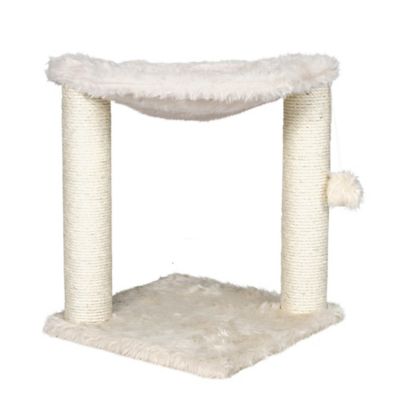
Cat Trees For Small Apartments can complement an enclosed outdoor area without filling the room. Neither space needs to be crowded to hold a cat’s attention. A comfortable perch, room to scratch, and a clear view can be plenty for a relaxed stretch of birdwatching. Fresh drinking water belongs within easy reach, and food should not sit outside attracting other animals. Small toys and loose accessories need supervision so they do not become something to swallow or snag. A catio works best as an extension of indoor life, with regular check-ins and a straightforward way back to the house. For households with a modest porch or a small patch beside the door, that can mean more room for a favorite companion to stretch out while keeping the outdoor space useful for everyone else.