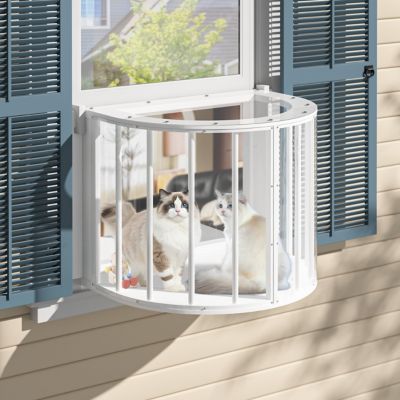
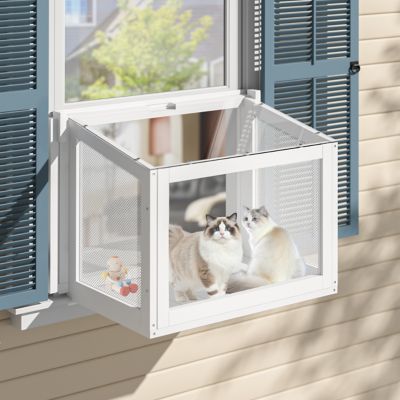
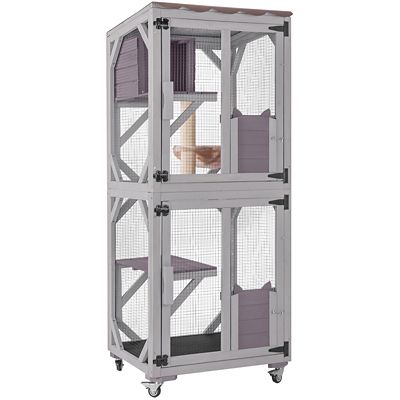
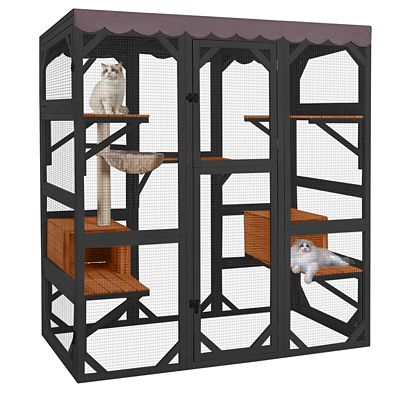
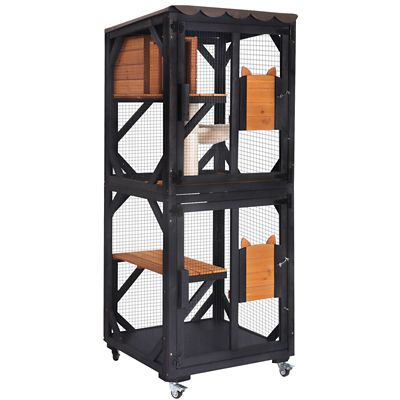
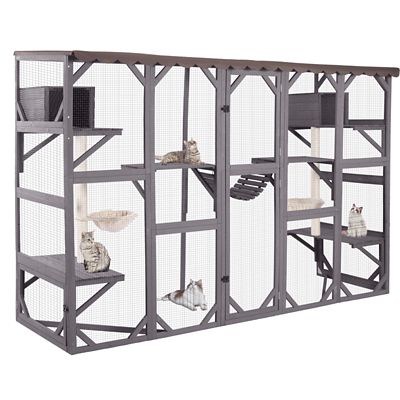
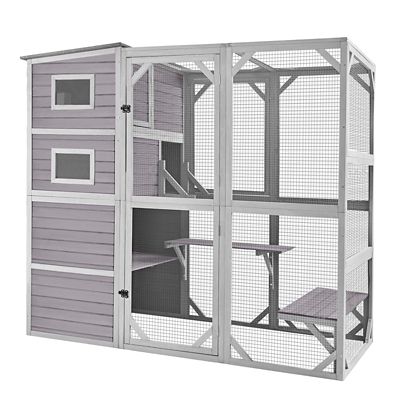
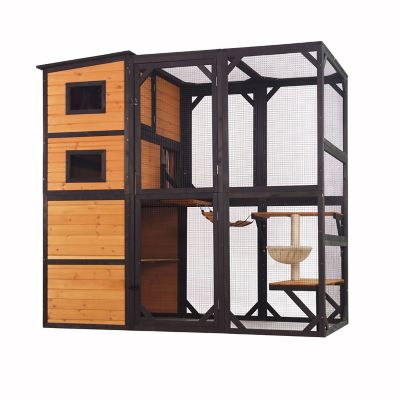
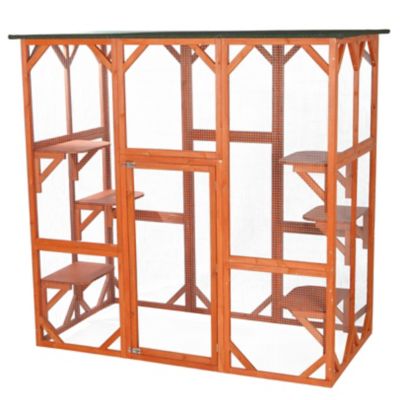
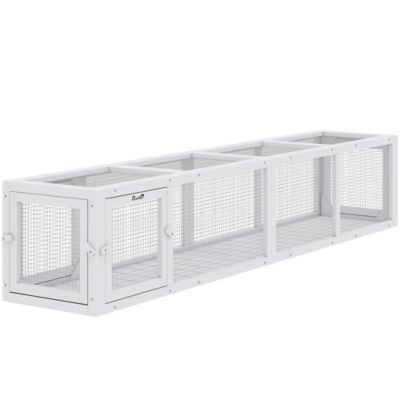
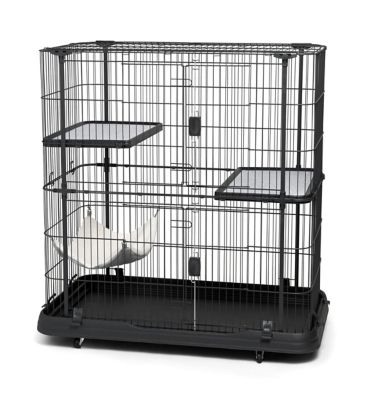
Window-access catios give house cats a spot to watch the yard, sniff the air and settle in for a good stretch without having the run of the property. Connected to a suitable window, these enclosed spaces extend a cat’s surroundings beyond the sill while keeping the route back indoors close by. For a cat that spends half the day studying birds from behind the glass, an outside perch adds new scents, sounds and room to move. These enclosures can suit homes with a small side yard, a narrow space beside the house or an outdoor area where a larger enclosure would take up too much room. The right fit involves more than the enclosure’s overall width and height. Window style, sill depth, opening size, exterior trim and distance from the ground all affect how a window connection comes together. A sliding window presents a different opening than a double-hung window, and a crank-out sash may interfere with the space an enclosure needs. Screens alone are not a containment barrier, and any pass-through needs a secure fit without gaps around its edges. Window-access catios also differ in how they sit against a building: some configurations depend on a supported base, while others require attachment suited to the wall and the enclosure’s design. A window frame or sill should never be assumed to carry the enclosure’s weight. For renters, permission for exterior attachments matters just as much as the measurements. For households with an older cat, the distance between the indoor landing spot, window opening and first outdoor platform deserves a close look. A low, steady route can be more inviting than a tall opening that calls for a leap. Young, active cats may enjoy more climbing space, but every layout still needs room to turn around, pass through the opening comfortably and retreat indoors without squeezing past another cat. That easy back-and-forth is a big part of the appeal: a familiar indoor resting place stays within reach while the cat explores a little farther.
Materials and construction make a real difference in how a window-access catio feels underfoot and how much attention it needs over time. Wood frames can blend comfortably with siding, porches and other features around a home, though exposed edges and finishes need regular checks. Metal frames offer another approach, with joints, welds and protective coatings worth examining during routine care. Wire panels or mesh should be securely attached along every edge, with spacing suited to the cat’s size and no sharp ends facing a walking or resting area. A determined cat can paw at corners, lean against panels or work at a loose connection, so the frame, fasteners and screening need to function as a complete enclosure. Kittens and small cats may fit through openings that look narrow at first glance. The enclosure also needs to suit the setting around the house; a yard visited by roaming dogs or wildlife calls for close attention to panel strength, latches and attachment points. No enclosure removes the need to keep an eye on a pet. Inside, broad shelves and solid resting surfaces offer comfortable footing, while raised edges and stable platforms can help make movement less awkward. Bare wire is not a comfortable substitute for a proper resting floor. Taller layouts need practical spacing between levels rather than long jumps from shelf to shelf, especially in a household with cats of different ages. Access doors matter for people, too. A door large enough to reach the far corners makes wiping surfaces, checking hardware and retrieving a reluctant cat much easier. Latches should close firmly, and doors need enough clearance to operate without catching on siding, plants or nearby equipment. A well-matched enclosure leaves access to the window’s normal operation and any required emergency exit intact rather than trading household safety for extra cat space.
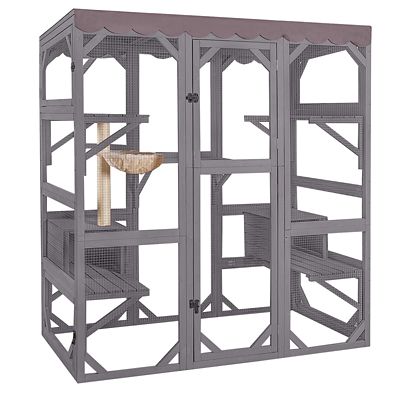
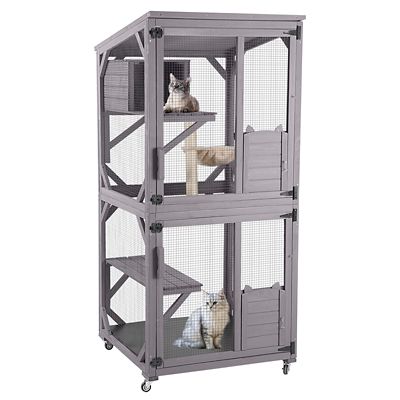
Everyday comfort often comes down to the details a cat notices first: a steady landing, a perch with a clear view and a quiet corner away from foot traffic. A window-access catio beside a busy walkway may need a different arrangement than one overlooking a tucked-away patch of yard. Some cats head straight for the highest shelf, while others prefer a lower platform where they can sit close to the house. In a home with two or more cats, separate resting spots and a clear path to the window can reduce crowding. An enclosure may have generous height yet still feel tight if one cat can block the only passage. Space for a scratcher or a small, easy-to-clean resting mat can make the enclosure more inviting, provided those additions do not obstruct doors, cover latches or create a climbing route to a weak point. For layouts with room for a person to step inside,
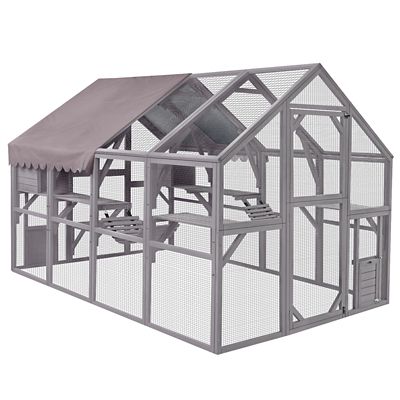
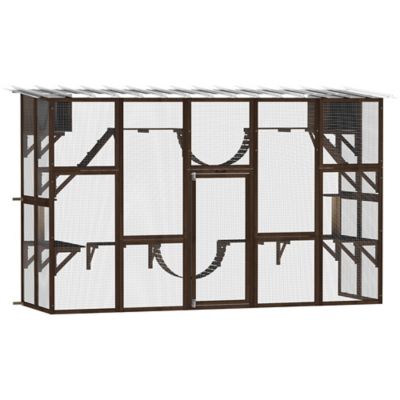
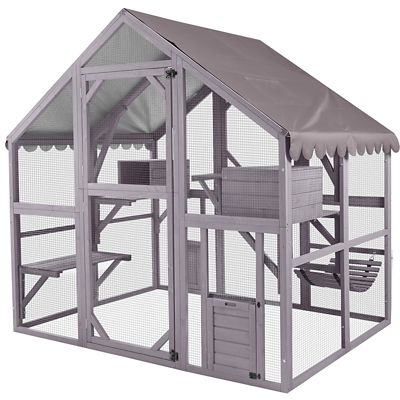
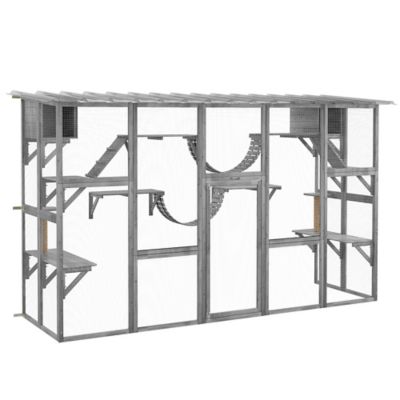
Walk-In Outdoor Cat Enclosures offer a different format worth considering alongside window-connected spaces. The amount of room needed depends on the cats’ habits as well as the footprint beside the house. A compact perch may suit a cat that mainly wants a lookout, while a more spacious enclosure allows room for stretching, climbing and choosing between resting places. Ongoing care should stay manageable: removable pads, reachable corners and surfaces that can be cleaned according to the material’s care directions make daily upkeep less of a chore. Food scraps, fur and other buildup should not collect around tracks, hinges or the window connection. Routine checks can catch loose screws, worn mesh, rough wood and shifting supports before they become bigger concerns. Cats also need a gradual introduction, with the freedom to investigate the opening and return indoors at their own pace. A window-access catio works best as an extension of a cat’s familiar home life, with comfortable footing, sensible access and room to enjoy the sights beyond the glass.