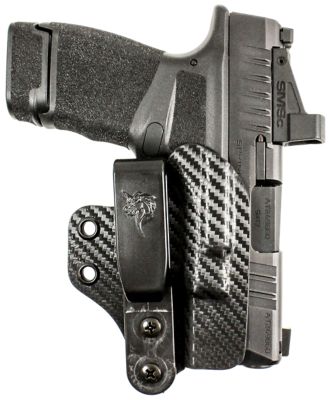
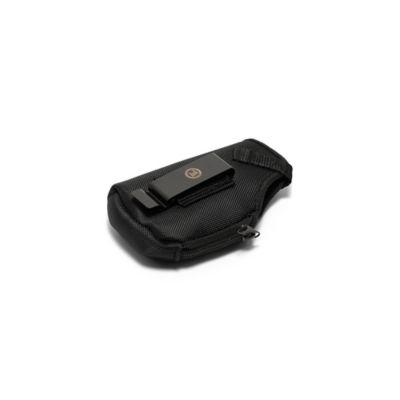
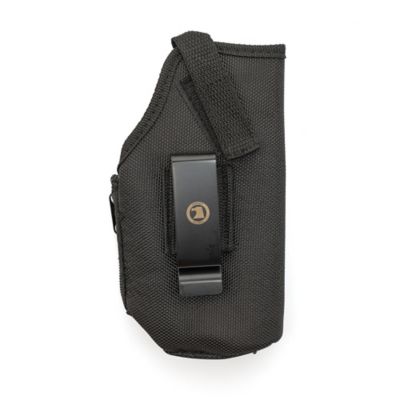
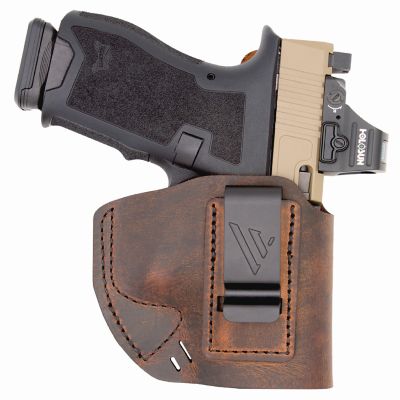
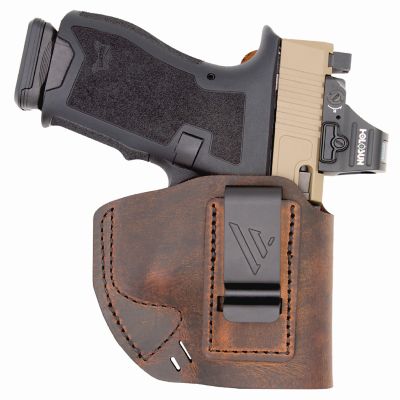
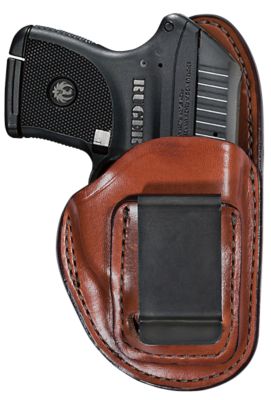
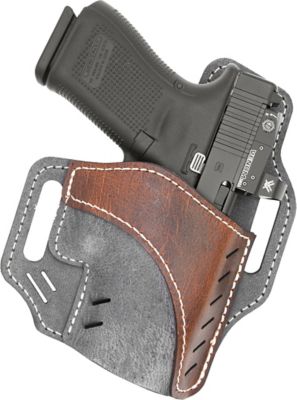
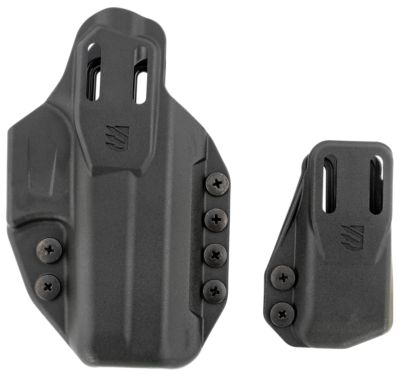
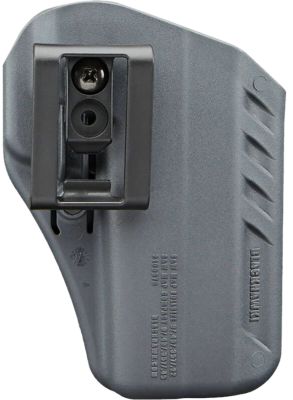
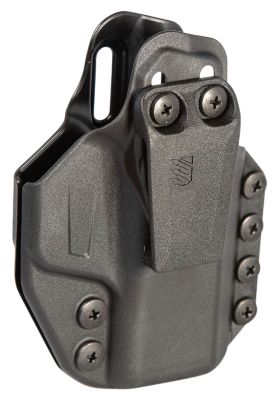
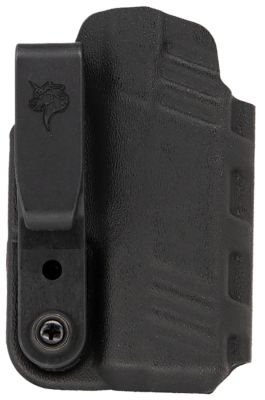
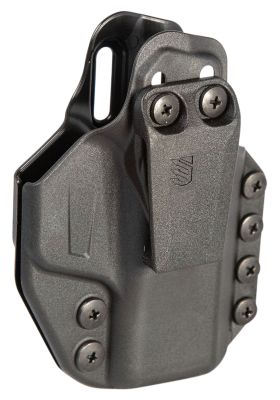
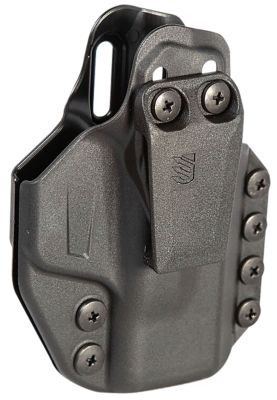
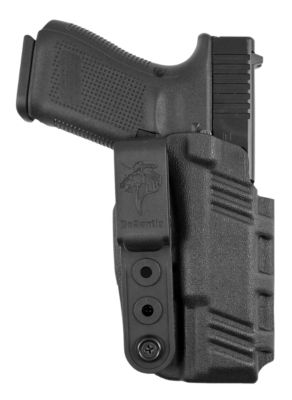
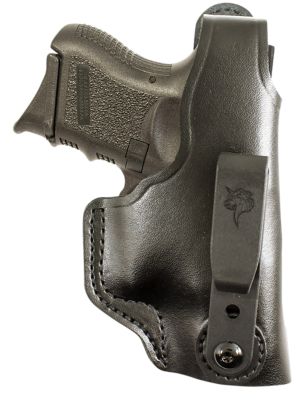
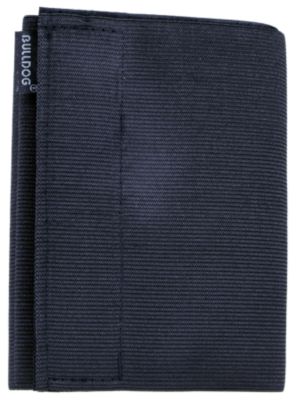
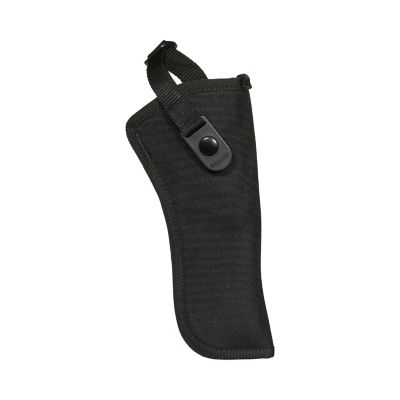
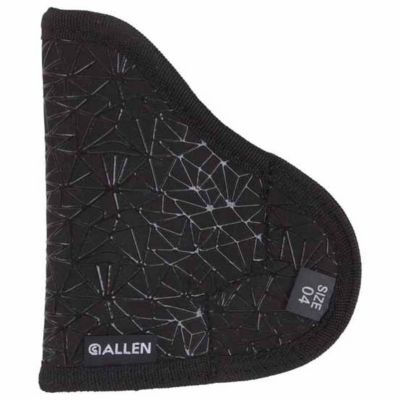
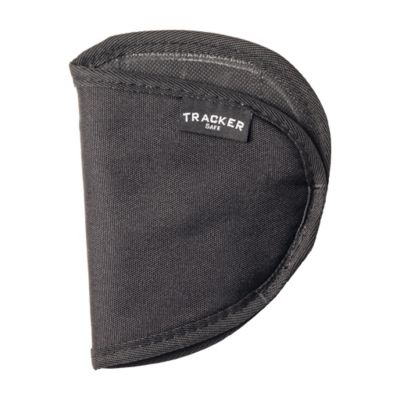
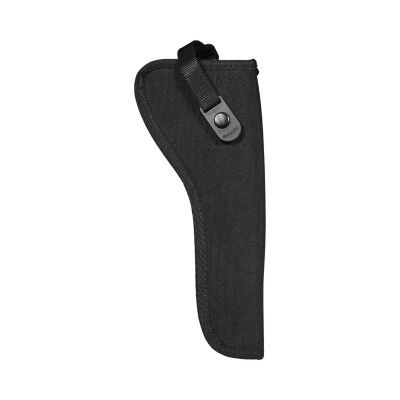
Waistband holsters hold a handgun at the waist, with designs that attach to a belt, clip to a waistband, or wrap around the midsection. Inside-the-waistband holsters sit between the body and the waistband, while outside-the-waistband styles ride on the outside of the pants and generally depend on a belt for support. Belly band holsters are a related option: these broad, adjustable wraps secure around the torso rather than relying on traditional belt loops. For shoppers interested in that wraparound style,
Belly Band Concealed Carry Holsters are worth a look. Across these designs, fit involves more than whether a handgun slips into a pocket. Compatibility includes the firearm’s make, model, barrel length, frame dimensions, and any attached accessories, along with the holster’s stated fit requirements. A model-specific molded shell and a flexible fabric pocket can feel quite different against the body, and neither should be judged by appearance alone. Full trigger-guard coverage, protection against outside pressure reaching the trigger, and secure retention are central considerations. The holster should also keep its attachment points secure through ordinary movement without interfering with the firearm’s controls. Handedness matters, too; right-hand and left-hand configurations are not interchangeable unless the design expressly supports both. For lawful owners traveling between home, the farm, and town, a holster needs to suit the whole day rather than a few minutes standing in front of a mirror. Sitting behind the wheel, bending to tie a boot, or settling into a chair can reveal pressure points that are not obvious at first. Waistband holsters are carry equipment, not locking storage, and their use remains subject to applicable laws, property rules, and individual training. A comfortable fit never takes the place of responsible handling or keeping a firearm inaccessible to children and unauthorized people.
Materials and construction make a noticeable difference in how waistband holsters feel, hold their shape, and stand up to repeated wear. Molded polymer shells generally provide a defined shape and a firm barrier around the trigger guard, though their fit depends closely on the firearm configuration. Leather brings a different feel, with thickness, stitching, edge finishing, and reinforcement influencing how the holster supports the handgun. Leather can change shape with wear, so a secure fit at the start does not eliminate the need for regular inspection. Woven nylon and other fabric constructions may include padding or reinforced sections, while belly bands often combine elastic panels, fabric pockets, and adjustable closures. Softness against the skin is only one part of the picture; the handgun pocket still needs appropriate trigger protection and retention. Some wraps incorporate a rigid insert or shell, and compatibility depends on that complete design rather than the stretch of the band alone. Broad contact surfaces can spread pressure, but a band that rolls, bunches, or shifts may become bothersome over a long day. Sizing deserves attention because pants size, belt size, and the measurement required for a wrap are not necessarily the same. Closure overlap and the manufacturer’s measurement method affect the final fit. With belt-mounted styles, clip or loop dimensions need to match the belt, and the belt itself must support the weight without sagging or twisting. Inside-the-waistband carry also takes up room inside clothing, making waistband space and seam placement practical considerations. For someone spending hours in a truck seat or moving between standing and seated work, smooth edges and a stable attachment can matter as much as padding. Raised seams, exposed closure edges, and bulky hardware may create rubbing even when the main panel feels soft. A sound fit balances support and comfort without squeezing so tightly that ordinary movement becomes awkward.
Care and inspection help waistband holsters remain serviceable through everyday handling. Perspiration, dust, lint, and grit can collect along seams, inside pockets, and around clips, especially when a holster shares the day with work clothes and a pickup cab. Cleaning requirements vary by material, so the maker’s care directions matter more than a one-size-fits-all routine. Leather may call for a different approach than molded polymer, and some fabric assemblies have components that should not be soaked or machine washed. Excess oil, strong cleaners, and unapproved conditioning treatments can affect finishes, stitching, or retention. Any cleaning, adjustment, or fit inspection belongs with the firearm removed and safely secured. Before returning a holster to service, the entire assembly should be dry and checked for cracked shells, stretched pockets, loose fasteners, frayed stitching, bent clips, or closures that no longer hold firmly. Wear around an attachment point deserves attention even when the rest of the holster still looks good. A holster that shifts unexpectedly, loses retention, or allows material into the trigger area is not ready for continued carry. Those details matter to a first-time buyer as well as someone replacing a familiar setup after years of wear. Waistband holsters can suit lawful owners who prefer their handgun supported close to the body, while belly band designs may appeal to people whose clothing does not accommodate a conventional carry belt. Intended use, body shape, clothing, and firearm compatibility all influence whether a particular style makes sense. For a gift, recipient involvement is especially helpful: knowing the correct handgun model is only the starting point, and personal preferences about handedness, support, and fit are hard to guess. Extra accessory pockets may be useful, but their placement and load should not interfere with the handgun compartment or the wrap’s stability. Whether the day includes a trip to the feed store or routine travel, the most useful features are practical ones: secure attachment, appropriate protection, manageable care, and a fit that stays consistent through ordinary movement.