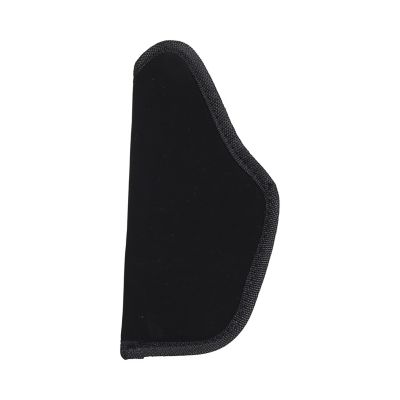
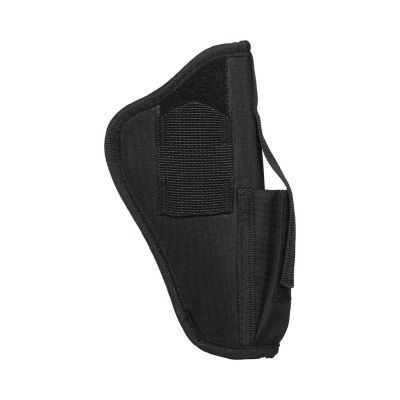
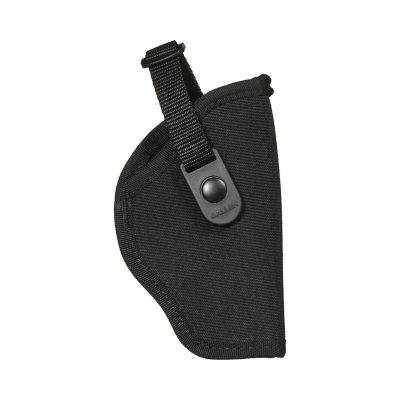
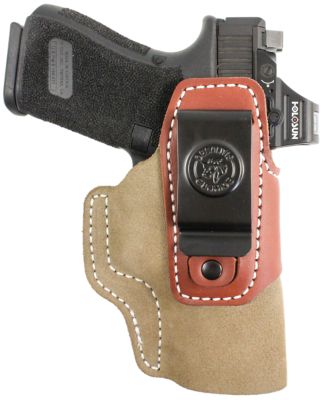
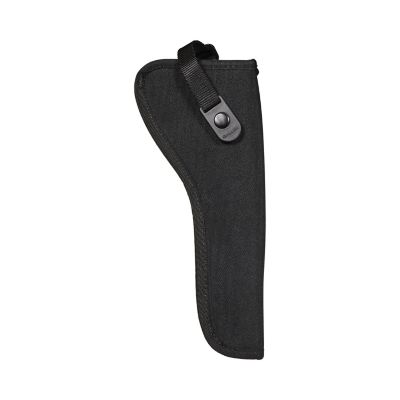
Belt clip holsters give you a practical way to secure a holster to a belt, waistband or clothing while keeping your setup close at hand. They are commonly used with inside-the-waistband (IWB) and outside-the-waistband (OWB) holsters for lawful concealed carry, everyday work around the property and duty-style use. The right clip can make a noticeable difference in comfort and stability, especially when you spend long hours driving a tractor, walking fence lines, loading feed or working in and out of a pickup. A clip that holds firmly helps keep the holster from shifting when you bend, climb or reach, while a well-matched design can make getting dressed and geared up a simpler part of the morning routine. Before choosing a belt clip holster, check that it is compatible with the holster body and firearm model you plan to use, and always follow applicable laws, safe-handling practices and the holster maker’s instructions. A firearm should be secured in a purpose-built holster that covers the trigger guard, and fit should be checked with the firearm unloaded before carrying. For a broader look at carrying options, browse our
Waistband Holsters selection.
The belt or waistband you wear is one of the biggest factors in choosing the right clip. Standard over-belt clips are often made from molded polymer or metal and are designed to fit common belt widths, frequently around 1.5 or 1.75 inches. Matching the clip’s listed size to the actual width of your belt helps prevent unwanted sliding, rocking or lifting during the draw. A sturdy, reinforced gun belt generally offers more support than a soft fashion belt, work pants waistband or a worn leather belt, though a flexible polymer clip may feel more comfortable for everyday use. If you prefer to tuck in a shirt while keeping the holster concealed, look for a tuckable clip with enough space between the clip and holster body to let fabric pass through. J-clips and C-clips are low-profile choices that can leave very little hardware visible; a J-clip typically hooks beneath the belt, while a C-clip wraps around the belt for a more secure connection. Fabric-clamping clips attach directly to pants or other clothing and can be useful with athletic shorts, drawstring waistbands or clothing without a traditional belt, but they should be checked carefully for reliable retention and fabric compatibility. Metal clips may provide a firm grip, while polymer options can offer a little flex and a smoother feel against the body. Consider the material, finish, spring tension and attachment screws, along with how easy the clip is to put on and remove without loosening the holster. A quick-detach or modular mounting system may suit someone who moves the same holster between a work belt, everyday belt and vehicle setup. For many folks, a small adjustment in ride height or cant—the forward or rearward angle of the holster—can make a big difference in comfort. Mounting patterns with multiple holes allow you to fine-tune that position, but any adjustment should be tested carefully with an unloaded firearm before regular use.
Belt clip holsters can be useful for ranchers, hunters, farm and livestock workers, security personnel, outdoorsmen and anyone who needs a dependable way to carry compatible equipment during a full day on their feet. They may also make a thoughtful gift for a responsible adult who already owns a compatible holster and has a clear need for a different belt, waistband or clothing setup. A clip for a heavy work belt may be a good fit for someone who spends the day repairing gates or checking stock, while a low-profile or tuckable style may better suit office-to-work clothing during the cooler months. Pay attention to how the clip behaves during ordinary movement: sit in a truck seat, climb a step, bend at the waist and walk at a steady pace while checking for shifting, pinching or exposed edges. Retention should be firm without requiring excessive force to attach or remove, and the clip should not interfere with the holster’s trigger-guard coverage or safe draw path. Inspect screws, mounting holes and clip tension from time to time, particularly after hard use, exposure to dust or moisture, or a long day of chores. Keep the holster and clip clean and dry, avoid modifications that are not approved by the manufacturer, and replace worn or damaged parts instead of relying on a questionable connection. During warmer weather, lighter clothing and increased activity can make concealment and sweat resistance more important; as the weather turns cooler, heavier layers may call for a different ride height or tuckable arrangement. The best choice is the one that matches your belt width, clothing, holster style and daily routine while staying secure, comfortable and easy to inspect.