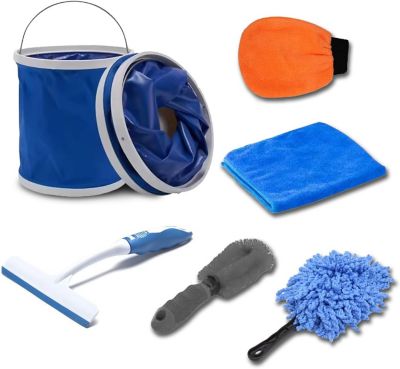
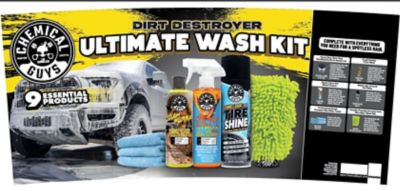
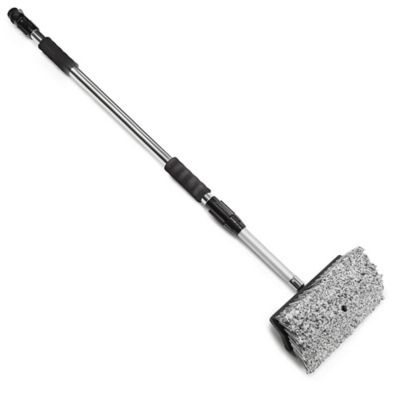
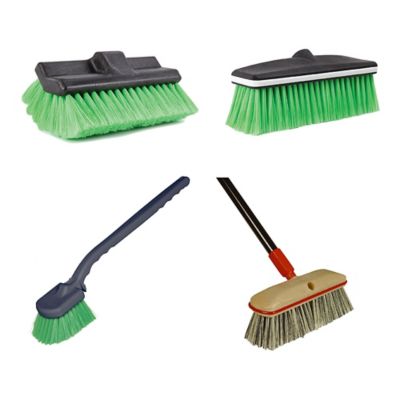
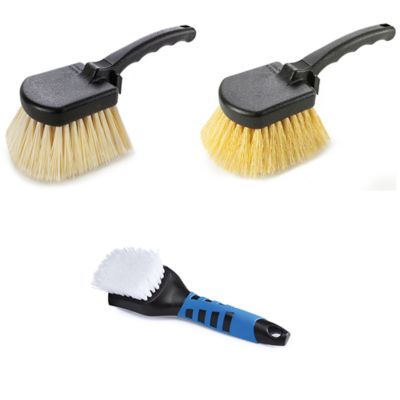
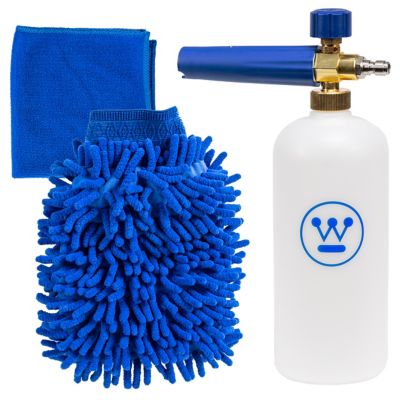
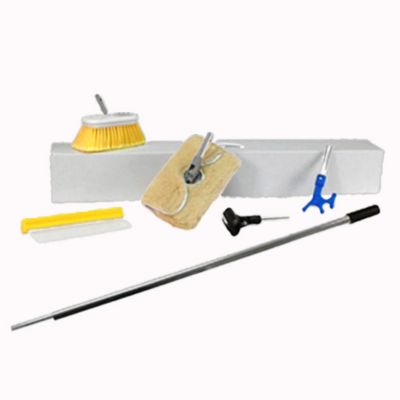
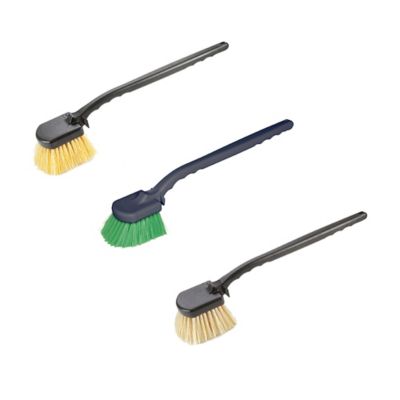
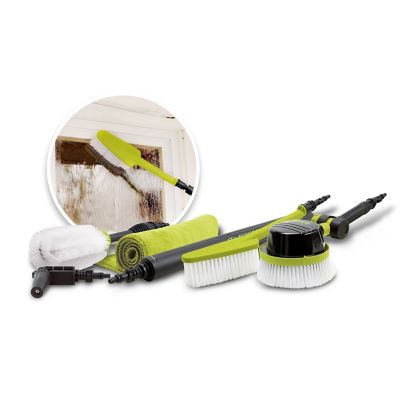
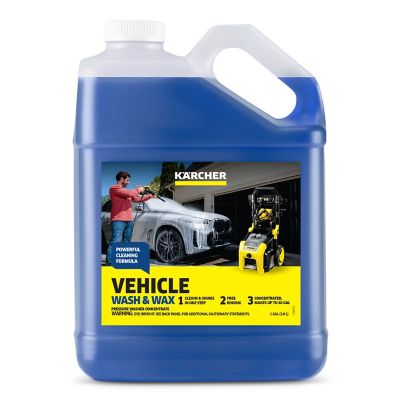
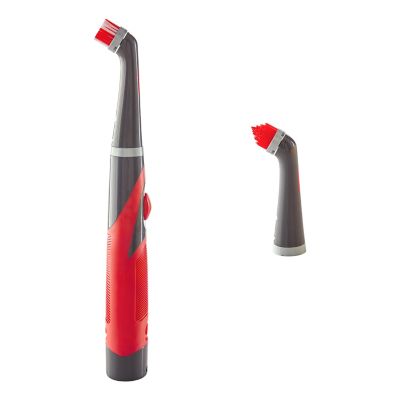
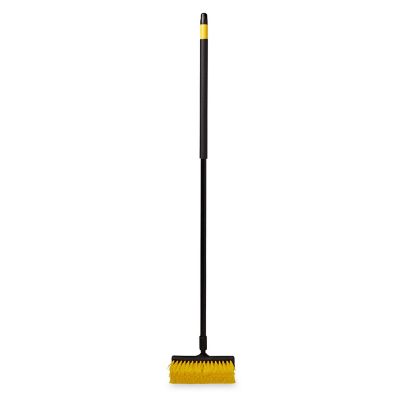
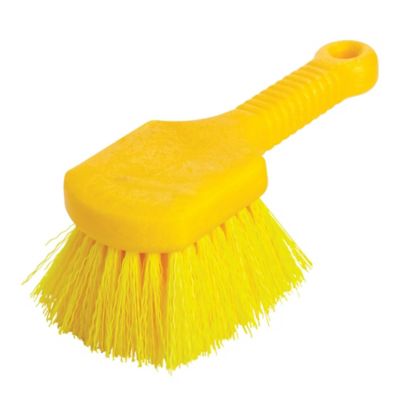
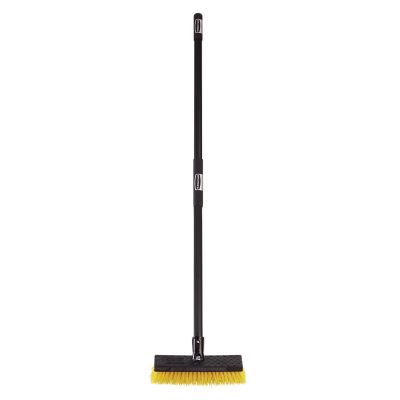
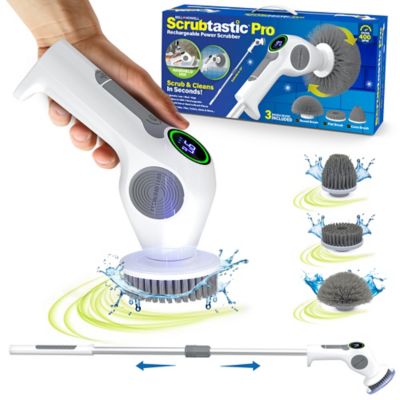
Vehicle detailing tools cover exterior washing, drying, paint correction, and interior cleaning, with different materials and shapes suited to each job. A pickup that travels gravel lanes brings a different mess home than a car that mostly stays on pavement, but both benefit from tools that lift dirt without grinding it into the finish. For exterior washing, wash mitts, soft brushes, buckets, and hose attachments serve different purposes. Microfiber and chenille mitts provide plenty of surface area to hold wash solution and collect loose dirt, while long-handled brushes offer extra reach across truck roofs, tall doors, and larger body panels. Bristle softness matters, along with the construction around the brush head: exposed metal edges or hard corners can contact paint when a tool turns sideways. Wheels, tires, and wheel wells call for their own tools because brake dust and road grit do not belong on the mitt that washes the hood. Slim wheel brushes reach between spokes, curved heads follow inner wheel surfaces, and firmer tire brushes help scrub textured rubber. A brush suited to a tire sidewall may be too aggressive for a painted wheel, so the intended surface matters more than how tough the bristles feel. Bucket inserts help separate settled debris from the wash area, though they do not replace rinsing a dirty mitt. Foam sprayers and wash attachments add another consideration: hose fittings, connector styles, and pressure ratings need to match the equipment already in the garage. Comfortable grips, manageable handle lengths, and heads that fit around mirrors or narrow grille openings make a difference over a full vehicle. For someone washing a daily driver, farm truck, or family SUV, the most practical assortment covers broad panels and tight spaces without expecting one brush to handle every surface. Replaceable heads and washable materials can also make the setup easier to maintain over time, especially when mud, dust, and repeated trips around the property are part of everyday life.
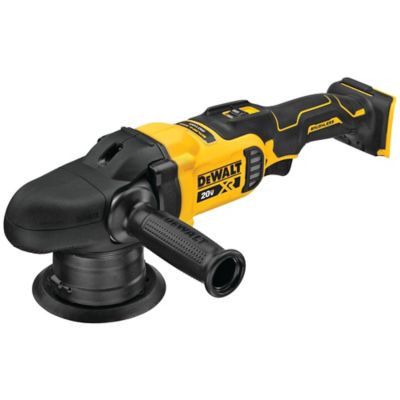
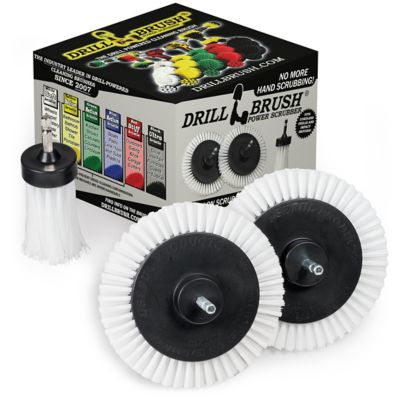
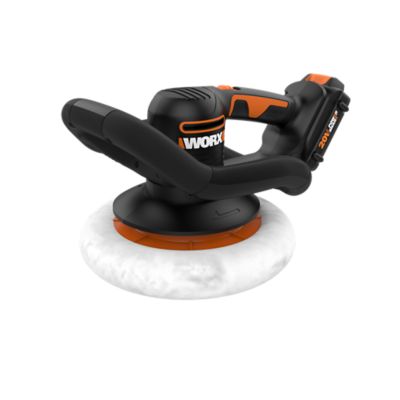
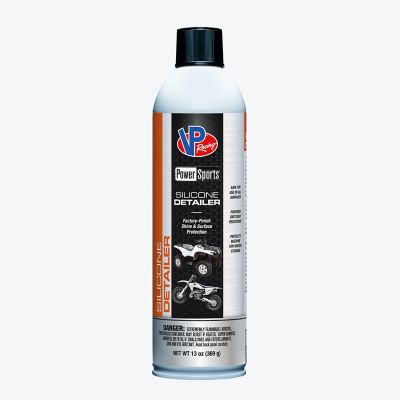
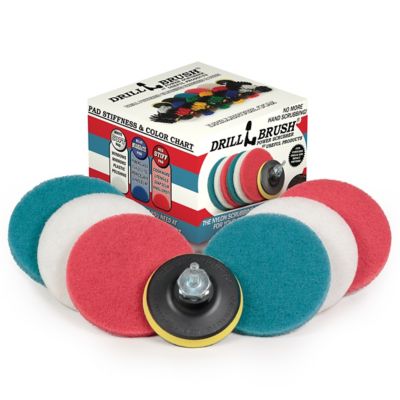
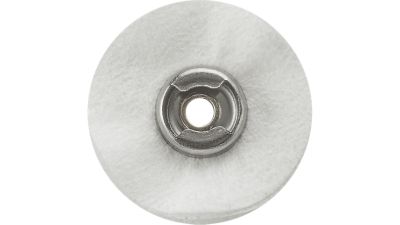
Drying and finish-care tools handle the details that remain after washing. Absorbent microfiber drying towels offer broad coverage across doors and hoods, while smaller towels fit around mirrors, trim, and door jambs. Towel construction affects how the fabric behaves: longer fibers can cushion contact with the surface, twisted-loop styles hold water well, and low-lint weaves suit glass and other smooth areas. Size and weight deserve attention, too, since a large towel can become awkward once it is full of water. Clean edges and soft bindings matter anywhere fabric touches paint. Detailing blowers offer another way to move water out of badges, grilles, seams, and mirror housings, where trapped droplets can run down a freshly dried panel. For paint correction, polishing machines, backing plates, and pads work together to address certain surface imperfections rather than simply wash away dirt. Dual-action polishers combine rotation with an oscillating motion, while rotary machines turn on a fixed axis and generally demand more control. Neither design makes every finish or defect suitable for polishing. Pad material, abrasive compound, machine speed, pressure, and paint condition all affect the result, and polishing removes a small amount of the finish. Foam, microfiber, and wool pads have different cutting and finishing characteristics, with performance depending on the full pad-and-compound combination. Pad diameter must match the backing plate and the machine’s specifications; a smaller setup can fit narrow sections, while larger pads cover open panels. Machine weight, grip shape, vibration, cord reach, and battery compatibility also influence comfort through a longer job. Clean pads and towels are just as important as the machine itself, since trapped grit can leave marks. Separate storage for paint-care cloths and wheel-cleaning tools helps prevent that crossover. Washable textiles, pads with clear care directions, and components that dry thoroughly before storage are practical choices for repeat work, whether the goal is tidying up a hardworking pickup or spending more time refining a well-kept car’s finish.
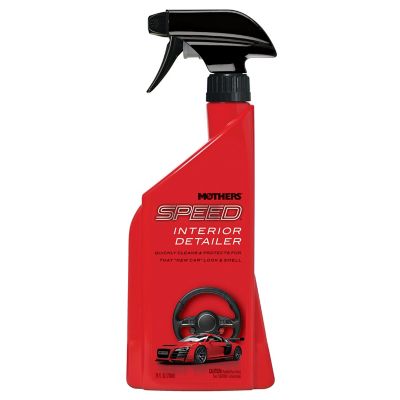
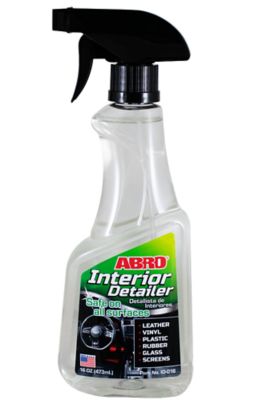
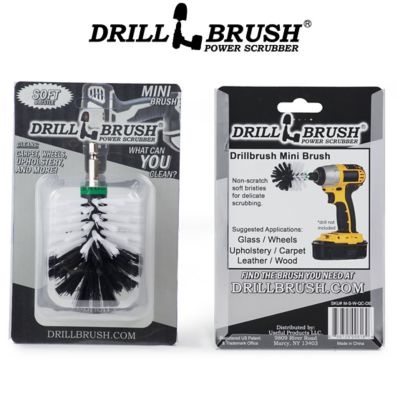
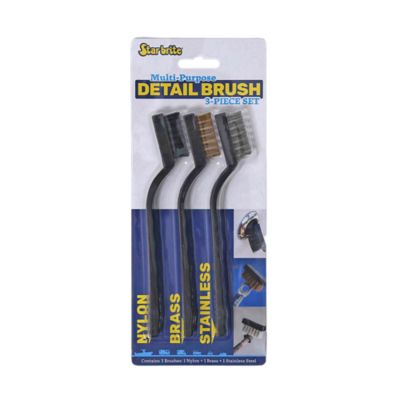
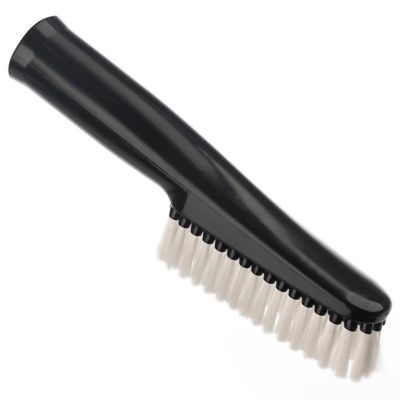
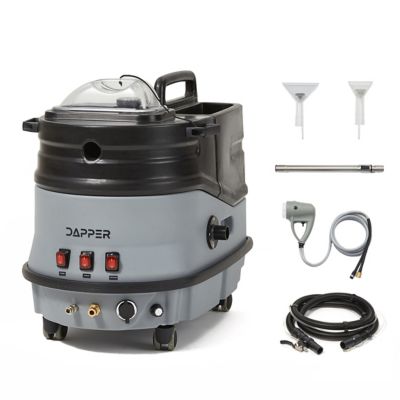
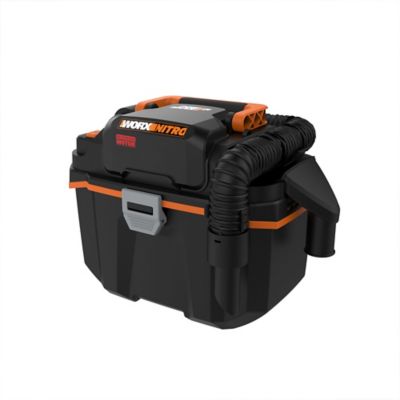
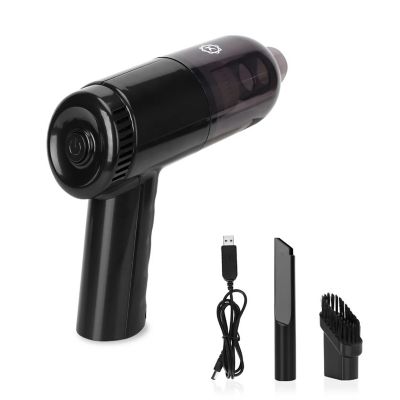
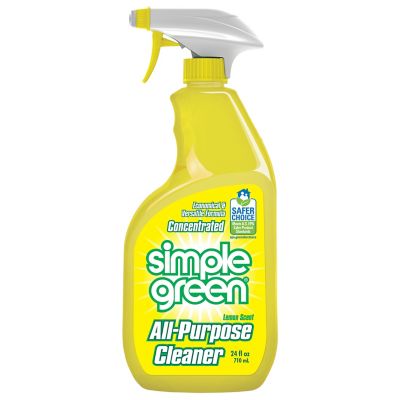
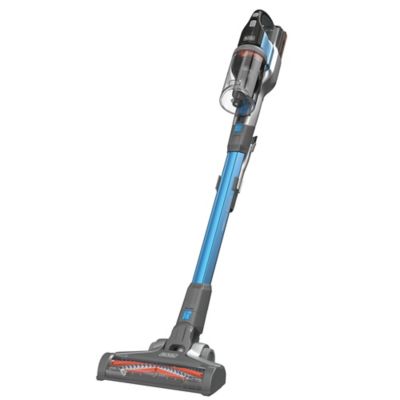
Interior detailing tools focus on the places that collect everyday mess: dust along the dash, crumbs beside the seat rails, grit in carpet, and muddy footprints across floor mats. Soft detailing brushes loosen dust around vents, seams, and console edges, while narrow vacuum attachments reach between seats without requiring a bulky nozzle to squeeze into the gap. Brush stiffness and tip shape should suit the surface. A firm brush that lifts dirt from a rubber mat can be too harsh for a display screen, glossy trim, or coated leather. Microfiber cloths provide a gentler option for many interior surfaces, although the vehicle manufacturer’s care directions still matter for touchscreens, upholstery, and specialty finishes. Carpet and upholstery extractors combine cleaning solution with recovery suction, while wet/dry vacuums handle only the materials and liquids permitted by their ratings. Those differences matter in a work truck with ground-in soil or a family vehicle with cloth seats, where surface dust and embedded mess call for different equipment. Tank capacity, hose reach, nozzle width, and access to a suitable power source all affect how comfortably equipment fits the job. A compact nozzle may reach under a bench seat more easily, while a wider head covers an open cargo area with fewer passes. Removable tanks and accessible filters can simplify cleanup afterward. Tool care also plays a part in service life: brushes need grit rinsed from their bristles, towels need laundering according to their fabric instructions, and damp equipment needs a chance to dry before it goes into a closed cabinet. For microfiber, fabric softener can reduce absorbency and leave residue. A garage setup that includes
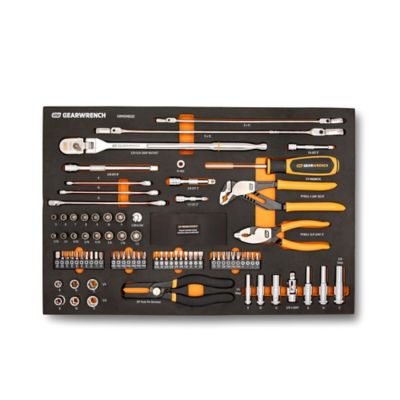
Auto Tools alongside detailing equipment supports vehicle upkeep from mechanical chores to the cab and finish. For a truck owner, weekend car enthusiast, or someone who takes pride in a tidy daily driver, detailing tools make a practical gift when the materials, attachments, and care requirements match the vehicle and the work ahead.