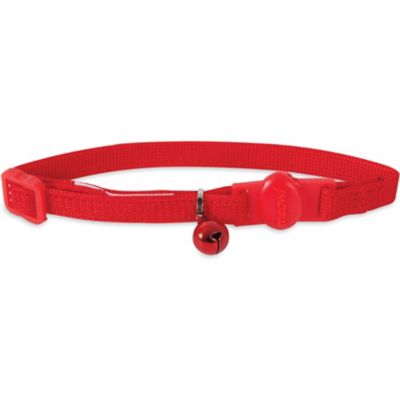
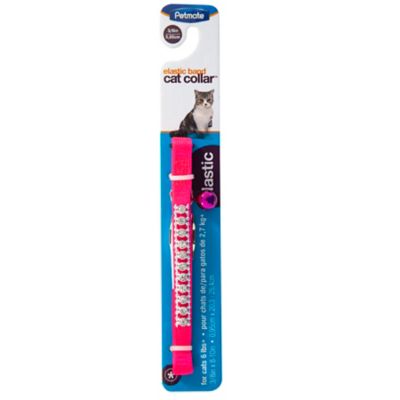
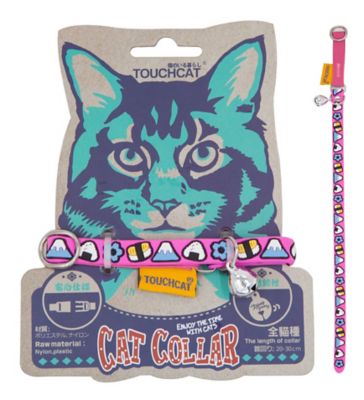
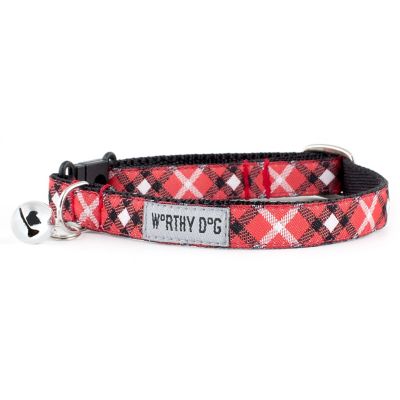
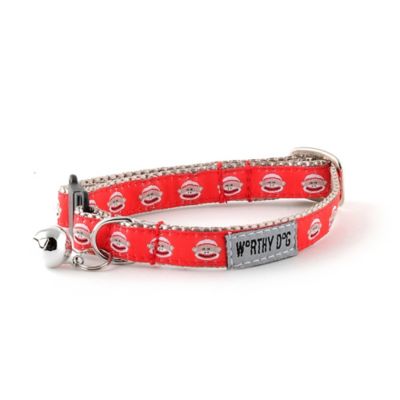
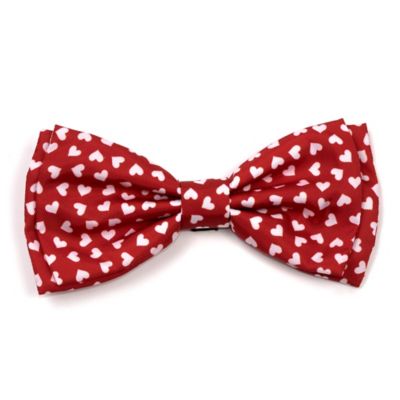
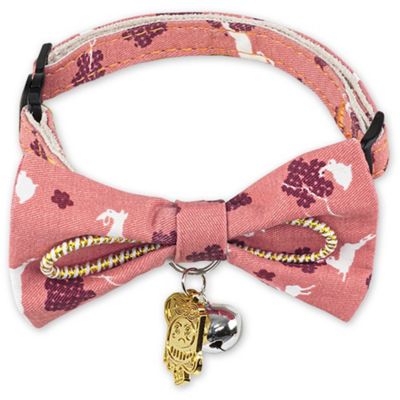
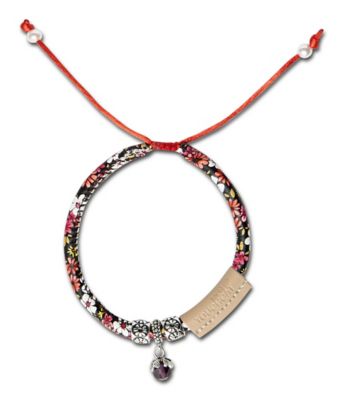
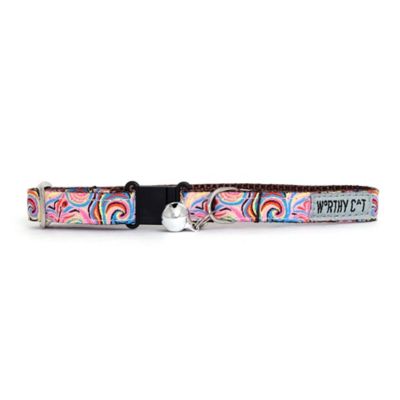
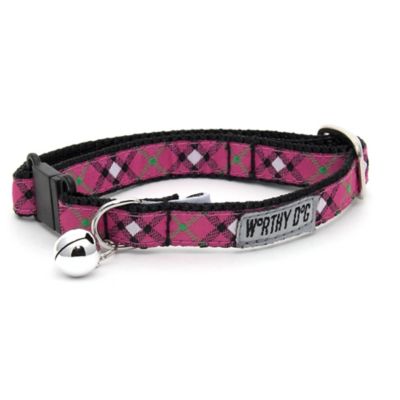
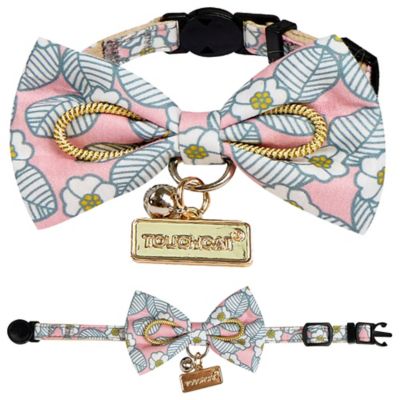
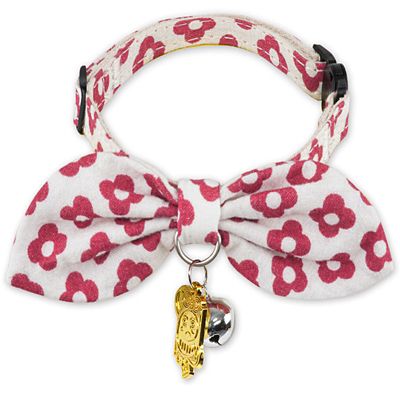
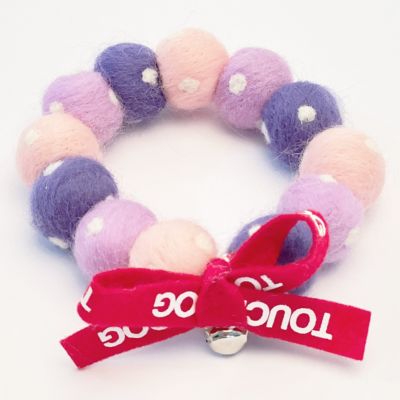
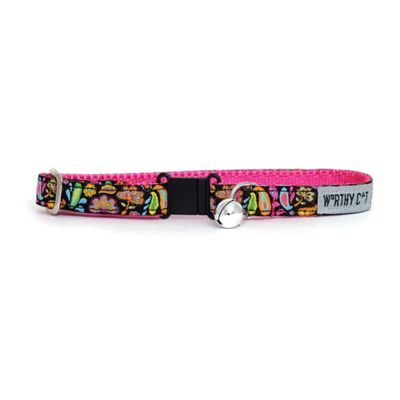
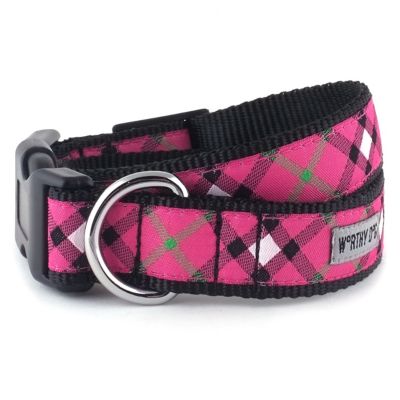
Valentine's Day cat collars bring heart prints, red and pink colors, and a little extra personality to a cat's everyday look. The best match balances that holiday charm with the things a cat needs from any collar: a comfortable band, a suitable fit, and a safety breakaway closure designed to release if the collar catches on something. Small repeating hearts give a subtle nod to the occasion, while larger patterns or a bow tie make more of a statement in a family photo. Red can stand out against a black or gray coat, and pink or patterned fabric can show nicely against cream or white fur. Looks are only part of the choice, though. Nylon and polyester webbing are common collar materials that offer a lightweight feel and can handle regular rubbing against fur and bedding. Cotton fabric can provide a soft surface, though the backing, stitching, and care directions matter just as much as the outer fabric. Smooth edges, tidy seams, and hardware without rough spots help keep the band comfortable around the neck. For a cat that spends the afternoon stretched across a windowsill or follows the family from room to room, a narrow, lightweight collar generally makes more sense than a wide band with several dangling extras. A bow, charm, or bell adds another detail to consider, especially for a cat that notices every new sound or movement. Removable accessories make it easier to keep the look simple when a cat prefers less fuss. Any attachment should sit securely without interfering with the buckle or leaving long loops that could catch a paw. A heart pattern alone can carry the Valentine's Day theme without adding weight. Whether the collar is meant for everyday identification or a short, supervised photo session, comfort should lead the decision, with the holiday pattern adding a cheerful finishing touch rather than changing how freely the cat can move.
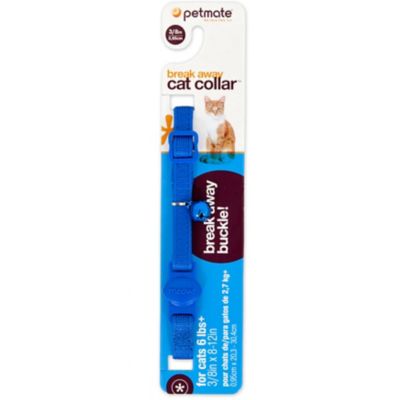
Fit and closure deserve a close look when comparing Valentine's Day cat collars, especially for kittens, small adult cats, and cats with thick coats. A flexible tape measure around the neck gives a starting point, but the collar maker's sizing directions should determine the size and adjustment. A properly fitted band commonly allows two fingers to slide comfortably underneath without leaving enough slack for the cat to slip its lower jaw or a front leg through it. Fur can hide excess space, so checking beneath the coat matters more than judging the fit from across the room. Growing kittens need frequent fit checks, and an adult cat's collar may also need adjustment after a change in weight or coat thickness. Breakaway construction is important even for indoor cats, which can catch a collar on furniture, a crate opening, or another household obstacle. An ordinary side-release buckle that opens when squeezed is not necessarily a safety breakaway buckle; the closure needs to be designed to separate under tension. Follow the maker's directions for checking its operation, and keep accessories clear of the release mechanism. Identification tags should be light enough for the cat and attached where the collar design allows, with lettering that remains easy to read. A breakaway collar serves a different purpose from walking equipment, so a leash should not be clipped to it. For a coordinated holiday look on supervised outings, explore the
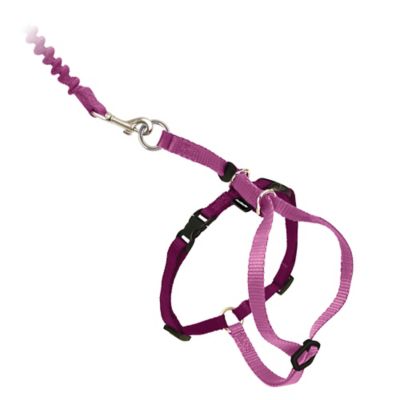
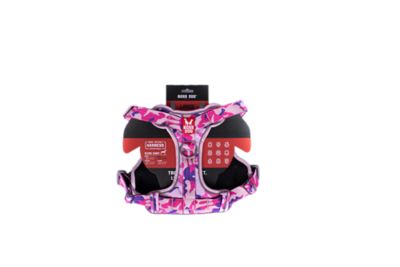
Valentine's Day Pet Harness theme, and confirm that any harness selected is designed and sized for cats. A properly fitted cat harness distributes leash pressure across the body rather than relying on a neck band. For a cat still getting comfortable with walking gear, quiet indoor practice is a better starting point than making a holiday outing the first trial. A familiar routine and a patient pace matter more than matching accessories.
Everyday wear gives a collar plenty to contend with, from scratching and grooming to meals, naps, and the occasional tumble through a favorite cardboard box. Strong stitching, secure adjustment hardware, and a band that keeps its shape help a collar stand up to that routine, but even a well-constructed collar needs regular checks. Frayed edges, stretched fabric, cracked buckles, loose attachments, or an adjustment slider that no longer holds its position are signs that the collar needs attention or replacement. Care depends on the material and hardware, so follow the maker's washing directions rather than assuming every fabric collar can go into the washing machine. When hand washing is permitted, a little mild soap and a thorough rinse can lift everyday grime without leaving a strong scent near the cat's face. Remove detachable accessories when the instructions call for it, and let the band and hardware dry fully before putting the collar back on. Check beneath the collar for tangled fur, irritation, or signs of rubbing during regular grooming. Valentine's Day cat collars can also make a thoughtful gift for a cat-loving friend or family member, particularly when the cat's neck measurement, usual collar style, and comfort preferences are known. A simple heart-print band may suit a cat that dislikes accessories, while a removable bow can suit a cat already comfortable wearing one. For a cat new to collars, short, supervised introductions paired with treats or play give the new feeling a gentler start; persistent pawing, distress, or skin irritation calls for removing the collar and reassessing it. Holiday photos should be quick and relaxed, with room for the cat to walk away rather than being held in place for a pose. Beyond the Valentine's Day look, a collar can carry useful identification. Keep contact information legible and up to date, and remember that a collar can come off, making a microchip an important additional form of identification. The sweetest finishing touch is a collar that suits the cat wearing it, from a quiet lap companion to the curious little helper watching chores from the kitchen window.