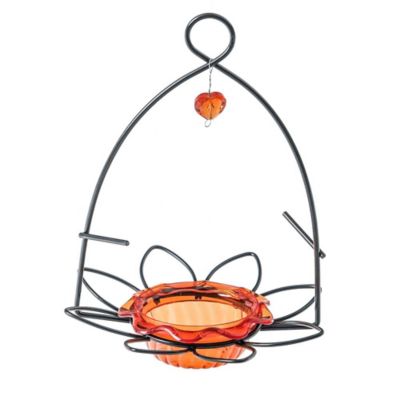
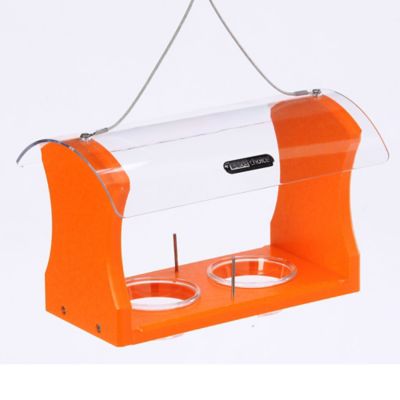
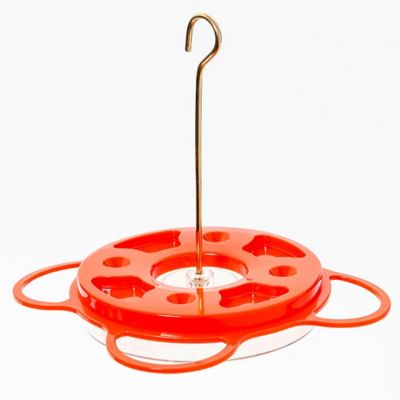
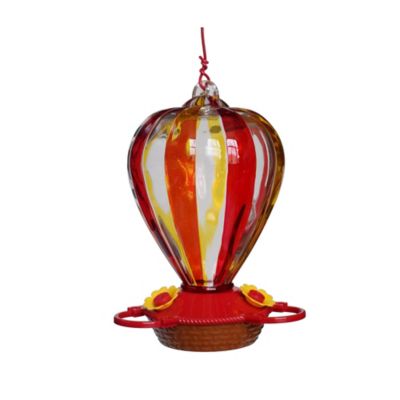
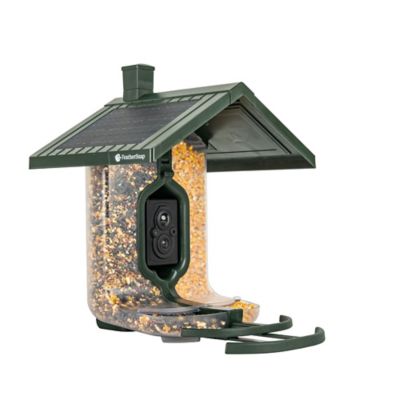
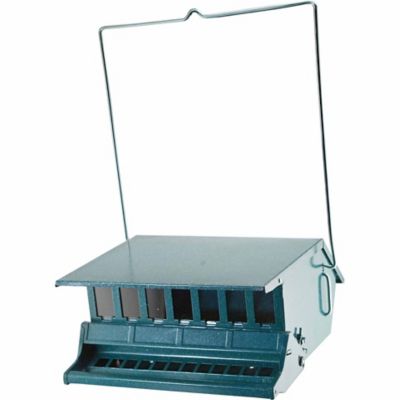
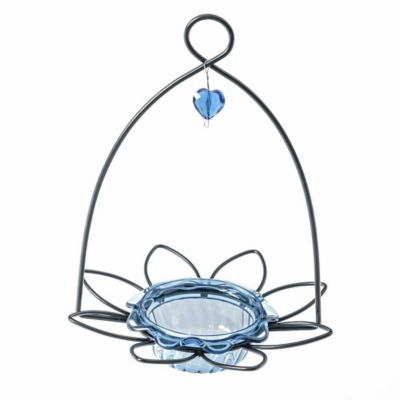
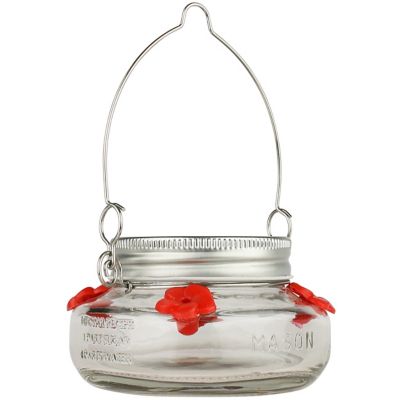
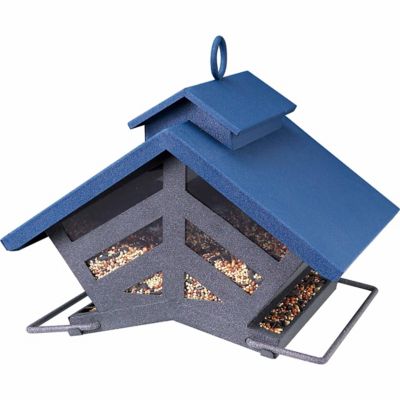
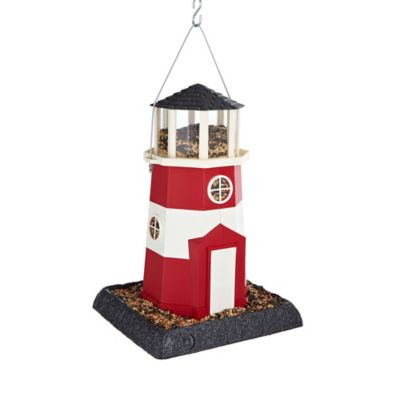
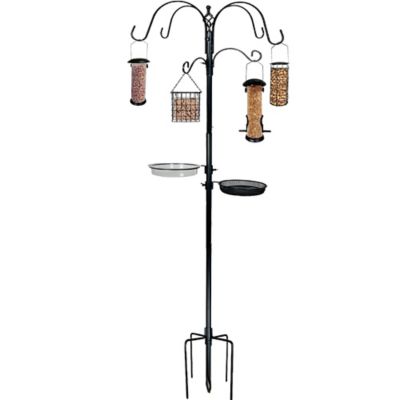
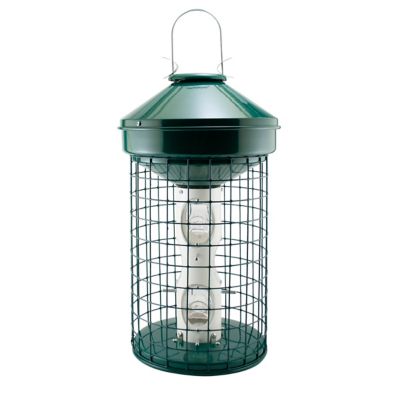
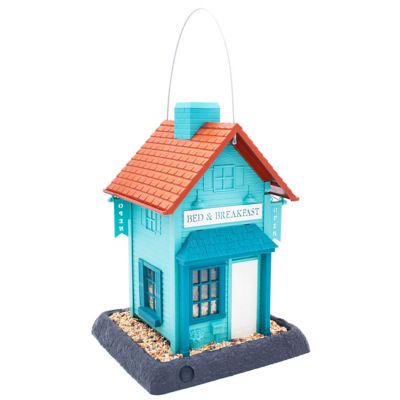
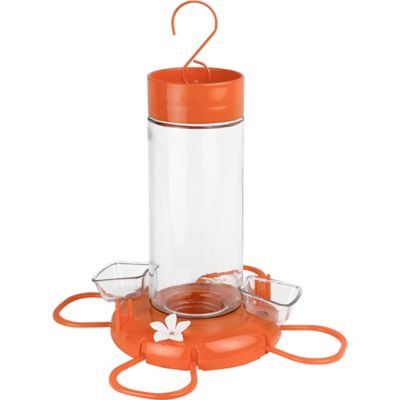
Valentine's Day bird feeders put a little heart into an everyday backyard routine. A refillable feeder gives birds a place to find seed or suet and gives someone special a reason to pause by the window, settle into a porch chair, or watch the fence line between chores. It’s a fitting gift for a spouse who knows every cardinal in the yard, a grandparent who enjoys morning birdwatching, or a friend getting settled into a place with room for a feeding station. Heart shapes and red or pink finishes can tie a feeder to the holiday, but the feeding space matters just as much as the look. Birds need access to food, a comfortable place to perch or cling, and a feeding area that doesn’t trap moisture. Unlike a birdseed ornament that gets eaten away, a refillable feeder can keep bringing birds back long after Valentine’s Day. Materials help determine how well that gift fits its home. Metal frames offer sturdy support, while protective finishes help limit rust; seams, hanging loops, and exposed edges deserve a close look. Wood brings a familiar look to a yard near a barn or garden, though smooth surfaces and accessible feeding trays make routine cleaning easier. Plastic feeders can be lightweight and easy to handle, with sunlight resistance worth considering for an exposed spot. Glass components let the recipient see the food level at a glance, but they need careful handling during filling and washing. A heart-shaped outline should leave enough room for birds to feed without squeezing into tight corners. Roof coverage, drainage holes, and a lid that closes securely are practical details that help keep the feeding area in better shape. The strongest gift choice balances a Valentine’s Day look with everyday usefulness, whether it hangs near the porch or becomes part of a larger backyard bird-feeding setup.
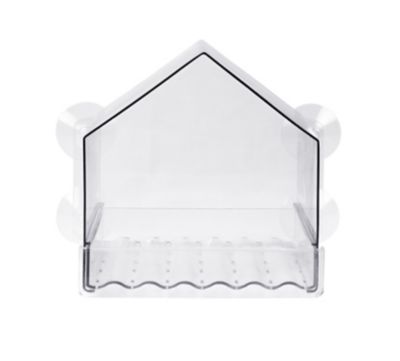
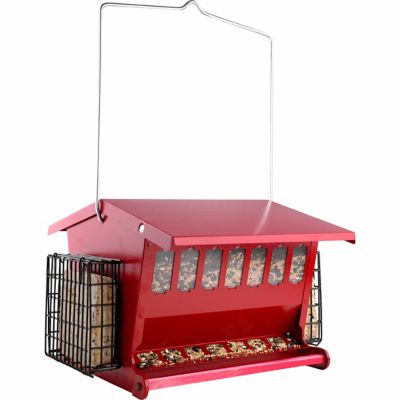
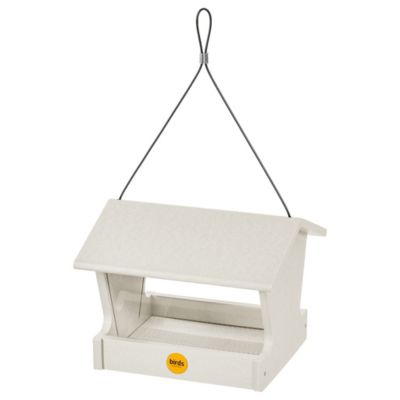
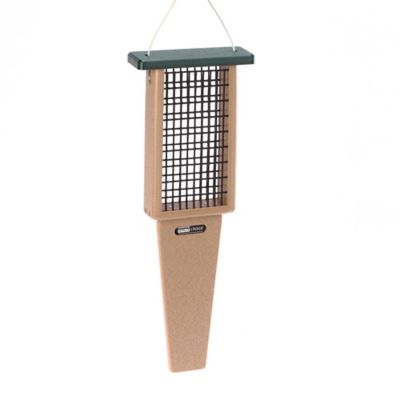
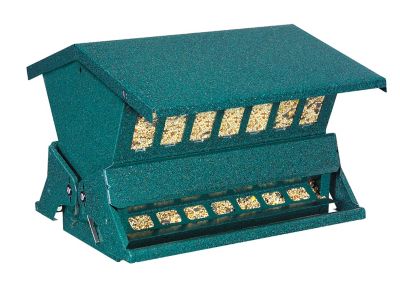
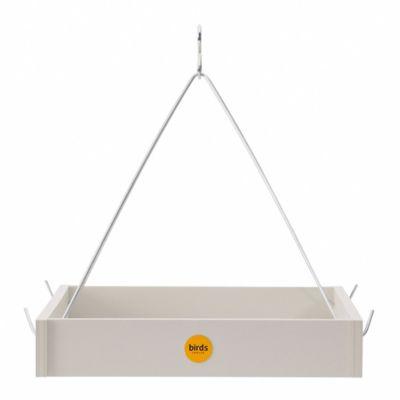
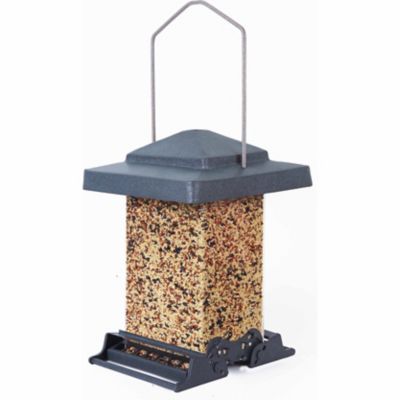
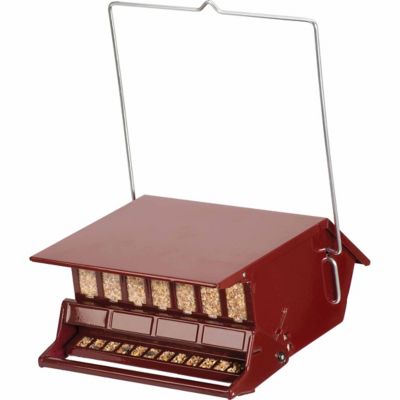
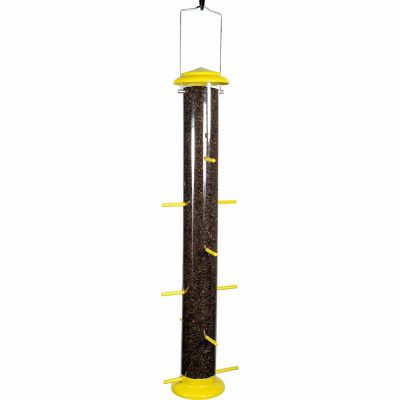
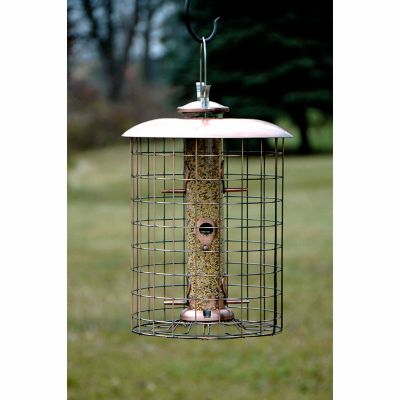
Different feeder styles suit different birds and different ways of tending the yard. A tube feeder holds seed in a narrow container with feeding ports, making it a good fit for smaller birds that can settle on its perches. A hopper feeder releases seed into a tray and can accommodate a broader range of visitors, depending on the size of its landing space. Platform feeders provide an open feeding surface, though exposed seed needs closer attention to moisture and debris. Suet cages give clinging birds access to solid food and work best when the cage fits the intended suet cake snugly. For a Valentine's Day bird feeder gift, matching the feeder to the recipient’s preferred food is more useful than choosing by color alone. Black oil sunflower seed attracts many common backyard birds, while nyjer belongs in feeders with openings designed for its small size. A feeder intended for suet won’t serve the same purpose as a seed hopper, even when both share a heart-shaped design. Capacity also affects the daily routine. Someone who enjoys filling feeders before morning chores may welcome a smaller container; someone with a busy schedule may prefer more room for seed, provided the food stays fresh between refills. Placement matters, too. A hanging feeder needs a secure hook or branch and enough clearance to avoid knocking against a wall or railing. Pole-mounted feeders need mounting hardware that fits the support, and window-mounted designs depend on clean glass and sound attachment points. A spot visible from a favorite chair adds to the gift’s appeal without making every refill a reach-and-stretch job. Nearby shrubs can offer birds shelter, but the feeding area should stay clear of places where cats can hide. Window collisions deserve attention wherever birds gather; placing a feeder within three feet of a window can limit the speed birds gain before a strike, and bird-visible markings on the glass add protection. Where squirrels visit, baffles and well-designed access controls can help, though no feeder should be treated as a promise that determined squirrels will stay away.
A feeder that comes apart easily is often the one that gets the best care. Removable trays, wide filling openings, and accessible corners make it easier to clear away seed hulls and wash food-contact surfaces. Tiny crevices can hold damp seed, while a narrow opening may turn a simple refill into a spill across the porch. These details matter especially when the gift is for someone with limited grip strength or someone who prefers to handle filling and cleaning at a comfortable table rather than outdoors. Feeders need regular washing, with more frequent attention when food becomes wet, mold appears, or bird traffic is heavy. Soap and water remove debris; an appropriate disinfecting method helps address germs that can spread where birds gather. Any cleaning solution needs thorough rinsing, and every part should dry completely before fresh food goes in. A separate cleaning brush keeps feeder grime away from kitchen tools. Seed stored in a tightly closed container stays easier to manage, and smaller refills can reduce the amount sitting in a feeder between visits. The ground underneath needs attention as well, since spilled seed and hulls can collect beneath busy feeding spots. If sick birds appear, pausing feeding and checking guidance from a local wildlife agency is a sensible precaution. For gifting, a feeder paired with food suited to its design gives the recipient a straightforward start without turning the present into a complicated project. Think about where that person will hang it, how easily they can reach it, and which birds already visit their property. A small yard, a farmhouse porch, and a garden beside a pasture can all offer rewarding views, but each calls for a different balance of size, mounting style, and access. The same practical touches suit a
Mother's Day Bird Feeder Gift for someone who enjoys watching the yard come alive. For Valentine’s Day, the heart of the gift is simple: a useful place for birds to feed and a familiar view that gives someone special a little more to enjoy each day.