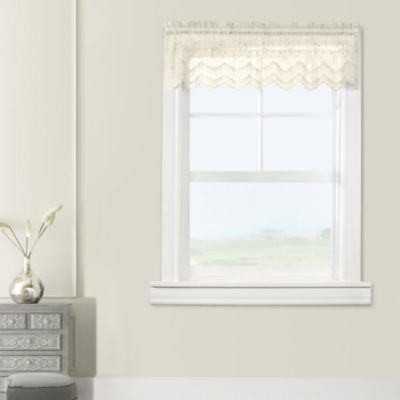
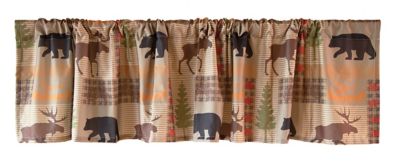
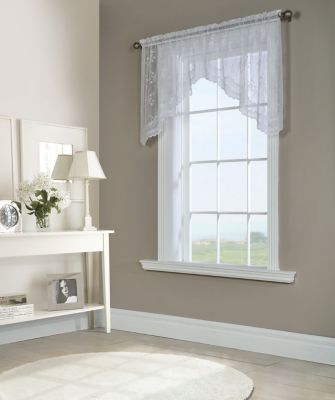
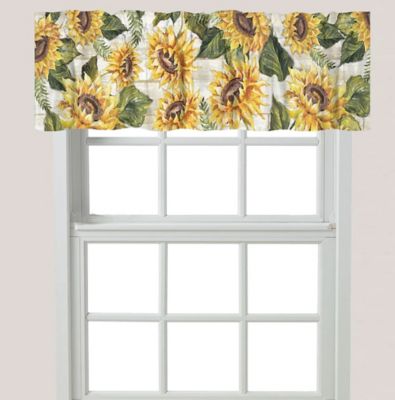
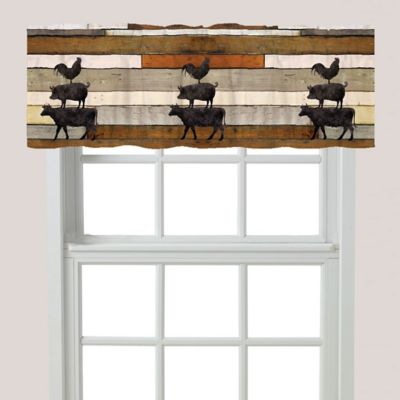
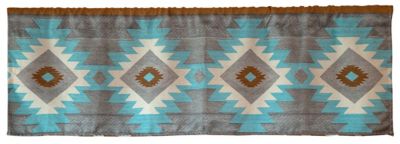
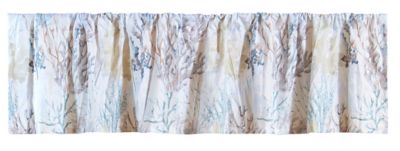
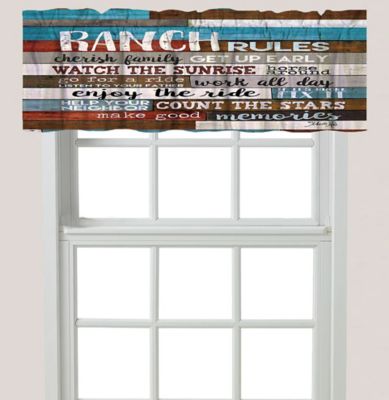
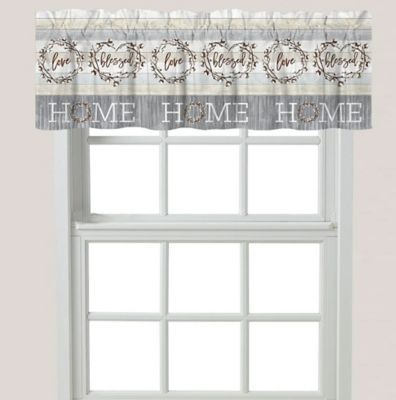
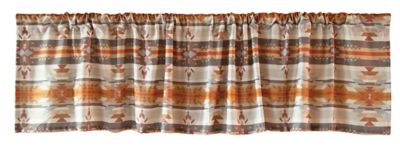
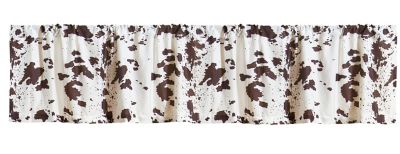
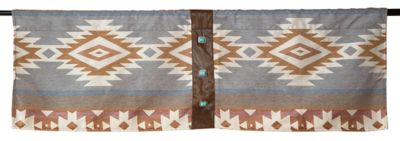
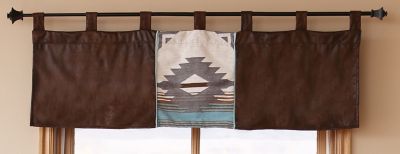
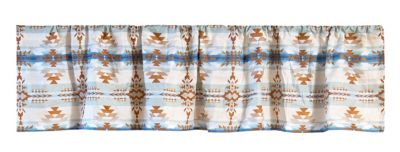
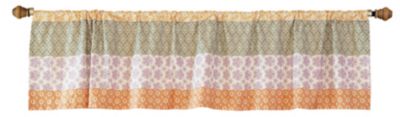
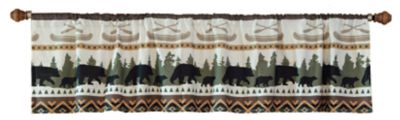
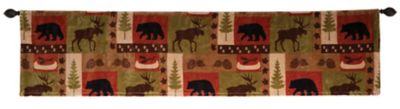
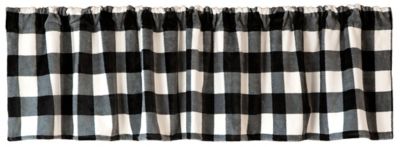
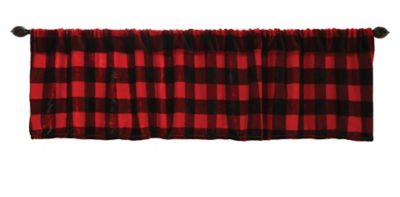
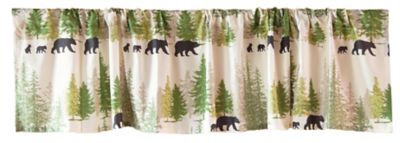
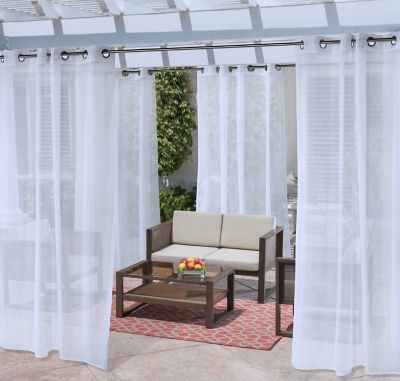
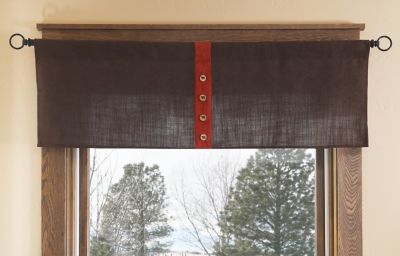
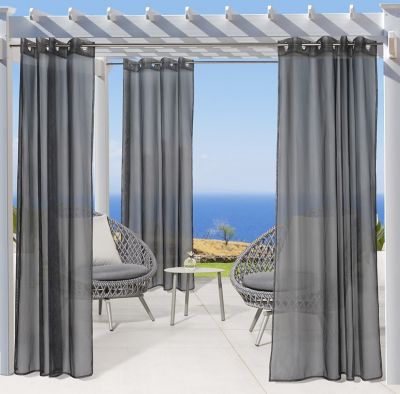
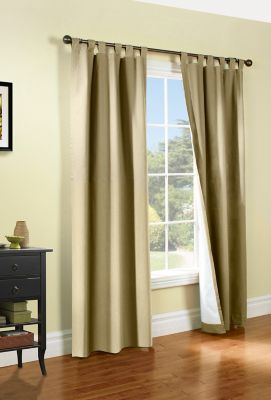
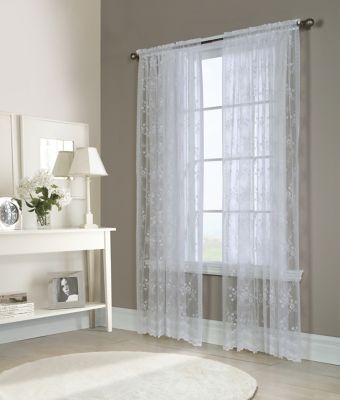
Valances for wide windows help bring a broad stretch of glass into balance without covering up the daylight that makes the room feel open. They work especially well above picture windows, kitchen windows, dining room windows, sliding glass doors, and long rows of windows found in country homes, cabins, workshops, and open living spaces. A valance sits across the upper portion of the window, softening the look of the frame while adding color, texture, and a finished edge. For a clean, orderly room, tailored box-pleat valances create straight lines and a more structured appearance. Their folded sections and banded edges pair nicely with simple furniture, wood trim, and practical farmhouse décor. Layered swags and cascades bring a dressier look, with sweeping fabric across the top and longer sections at the sides to frame the window. Gathered or ruffled valances feel more relaxed and homey, especially in kitchens, breakfast nooks, bedrooms, and guest rooms where a little extra softness makes the space feel lived in. Sheer voile scarves offer another option for wide spans, with loose fabric that can be draped, looped, or gently gathered around the rod. They let plenty of sunlight through and can add an airy touch during the warmer part of the year, while heavier woven fabrics provide a cozier appearance as the weather cools. Wide-window valances are useful for anyone updating a room without taking on a full remodeling project. They can hide an unfinished area above the glass, cover the top of blinds or shades, and tie together colors already found in rugs, cushions, bedding, or wall décor. A well-chosen valance can also be a thoughtful housewarming gift, though the recipient’s window measurements and decorating style are worth knowing before making a selection.
Getting the width right is the most important part of choosing valances for wide windows. Start by measuring the window or the full area you want to cover, including any space where the rod will extend past the frame. Measure across the installed hardware if it is already in place, and decide whether the valance should span only the glass or reach beyond the trim for a fuller, more finished look. Extra-wide valances may cover spans from about 50 inches to more than 104 inches, depending on the design and how much gathering the fabric needs. When one valance does not cover the full width, multiple standard valances can often be placed side by side on one continuous rod. This approach works well for long windows and lets you adjust the overall span without ordering one unusually large piece. Look for matching dimensions, consistent patterns, and edges that line up neatly where the sections meet. For gathered styles, the flat width of the fabric should generally equal about two to three and a half times the actual window width. Using less fullness creates a flatter, simpler appearance, while adding more fabric makes deeper folds and a softer, more generous look. Keep in mind that the listed width is often the fabric’s flat measurement rather than the finished width after gathering. A wide window with a 72-inch span may need substantially more than 72 inches of fabric for a full gathered look. Pattern scale matters, too. Small checks, narrow stripes, and fine prints can repeat across a broad window without overwhelming the room, while large motifs may need careful placement so the design does not look cut off at the seams. For a casual country setting, cotton-like textures, ticking stripes, checks, and gentle ruffles can blend naturally with wood floors and painted cabinets. Smooth fabrics, crisp pleats, and restrained colors suit a more modern room, while layered fabric and decorative side details create a formal focal point.
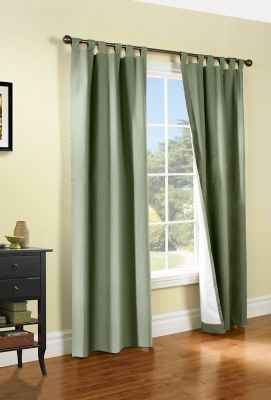
The rod and support system deserve just as much attention as the fabric. A wide window treatment places more weight and stress across the hardware, particularly when several valances are combined or when the material has a substantial weave. Use a rod that extends far enough to support the full arrangement, and place a center support bracket on wide spans to help prevent sagging. The bracket should be positioned so it does not interfere with the movement or appearance of the valance, especially if the treatment shares the rod with blinds or another window covering. Check the pocket, tabs, or other hanging method before choosing hardware, since the rod diameter needs to fit comfortably through the top of the valance. Allow enough clearance above the frame for the fabric to hang naturally, and make sure the lower edge does not block a handle, latch, countertop, or view. Wide valances can stand alone when the main goal is to add color and soften the upper frame, or they can be paired with side panels for more privacy and light control. For a simpler look on especially tall or wide windows, consider coordinating them with
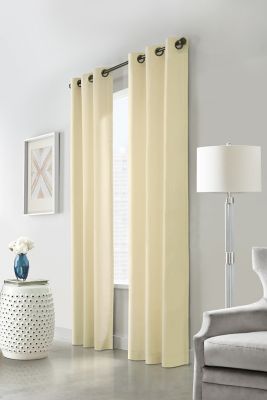
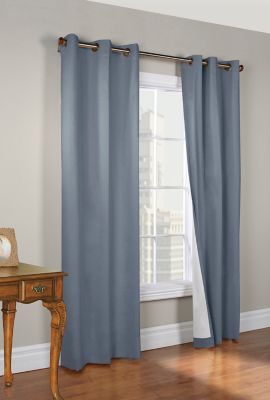
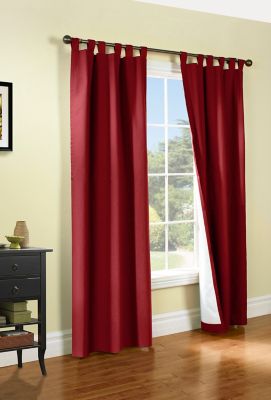
Single Panel Window Curtains on the sides. In rooms that receive strong afternoon sun, a lined treatment or an underlying shade can help protect furnishings and keep glare under control. In kitchens and mudrooms, fabrics that are easy to remove and launder are practical around cooking splatters, dust, and everyday traffic. In bedrooms and guest spaces, a fuller valance can make the room feel warmer without closing it in. Before hanging everything, press or steam the fabric, lay out multiple sections to confirm their order, and check the finished look from across the room. These small steps help wide windows look intentional rather than pieced together, giving the space a comfortable, pulled-together finish that works through changing seasons.