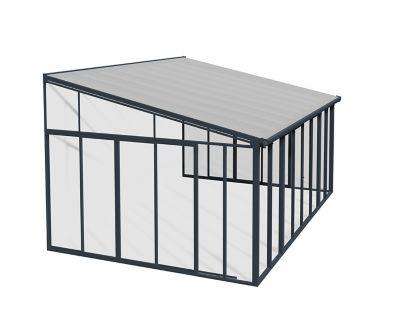
UV resistant polycarbonate sheets are a practical choice when you need daylight, dependable protection, and a material that can handle the rough-and-tumble of outdoor work. These high-strength plastic panels are made to stand up to sun, rain, wind, and temperature changes without the same breakage concerns that come with ordinary glass. Many sheets include a UV-protective layer or coating that helps block as much as 99% of harmful ultraviolet radiation while preserving useful light transmission. That protection helps slow yellowing, cloudiness, and brittleness caused by long-term sun exposure, making UV resistant polycarbonate sheets well suited for farm buildings, garden projects, workshops, and other places where a panel may spend years facing the weather. Polycarbonate is also lightweight—often around half the weight of standard glass—and is commonly described as offering up to 250 times the impact resistance of glass, though strength and performance vary by sheet style, thickness, and installation. That lighter weight can make a real difference when you are carrying panels across a yard, setting them on a roof, or working from a ladder with a helper. Gardeners use these sheets for greenhouse walls, roof panels, and cold frames, where the clear surface lets plants make good use of available sunlight while helping create a steadier growing environment. For more ideas on greenhouse projects and panel selection, visit
Polycarbonate Panels For Greenhouses. Homeowners may use them for skylights, porch enclosures, storm-door inserts, shed windows, and covered walkways, while farmers and ranchers may find them useful for replacing cracked glazing around barns, livestock areas, equipment shelters, and utility buildings. They can also serve as guards around machinery, dividers in a shop, protective covers for signs, or light-transmitting barriers wherever an ordinary pane would be too fragile. During the warmer part of the year, a clear panel can brighten a potting shed or keep a work area sheltered without making it feel closed in. As cooler weather arrives, the same kind of panel can help block drafts and wind-driven rain around an entryway, greenhouse, or outbuilding.
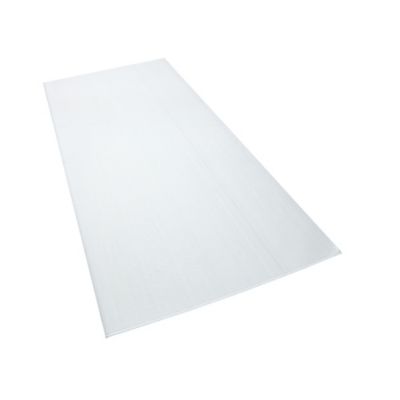
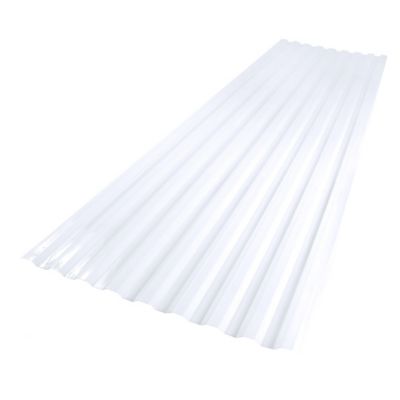
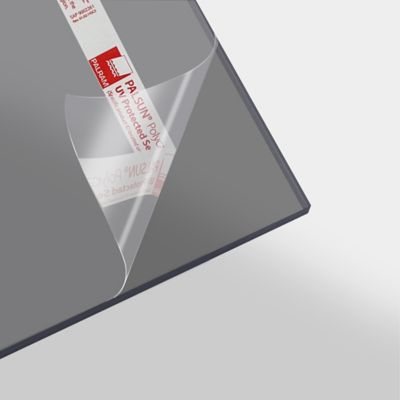
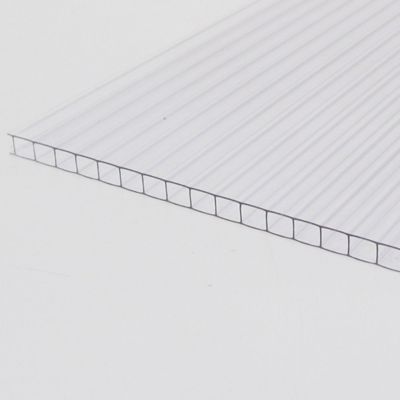
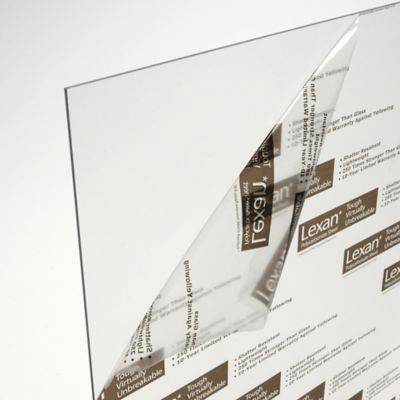
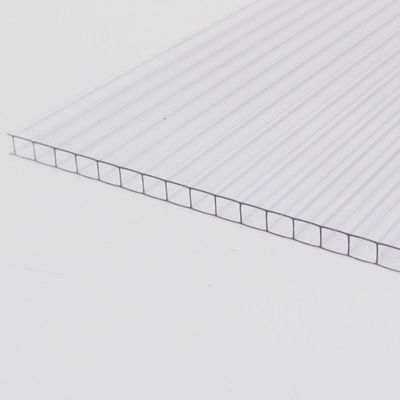
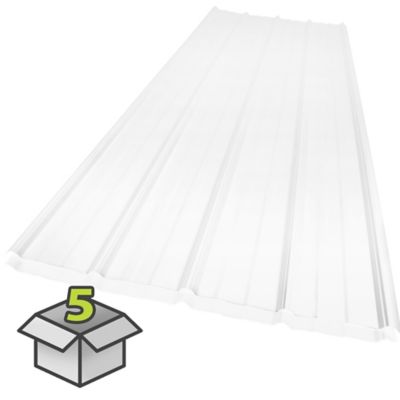
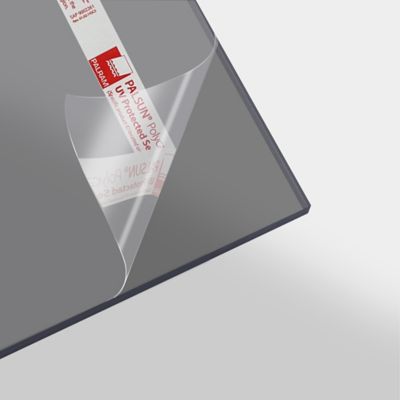
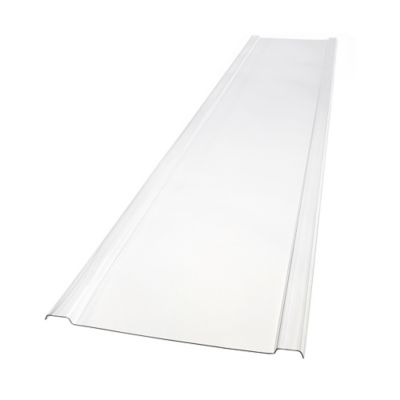
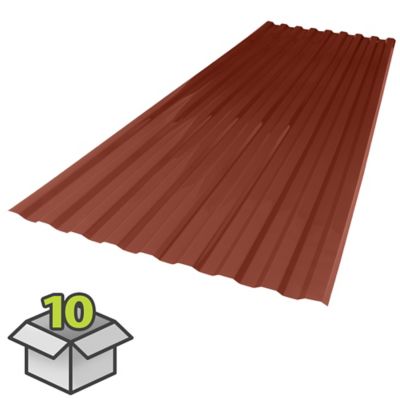
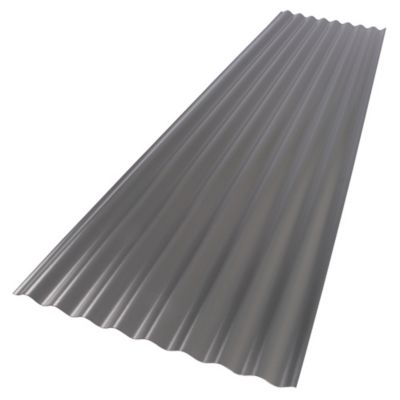
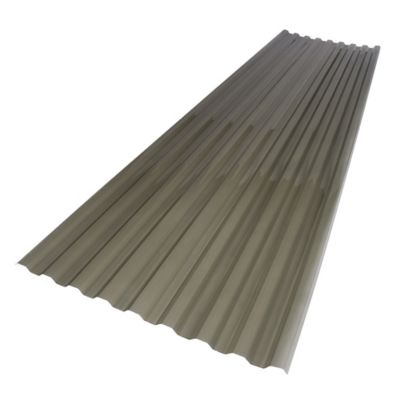
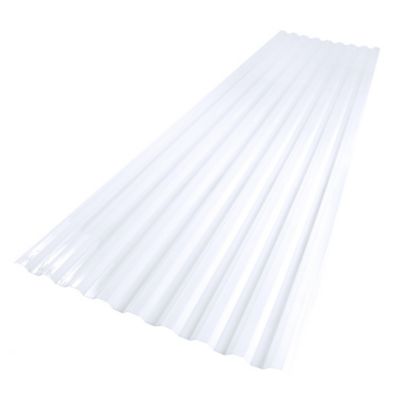
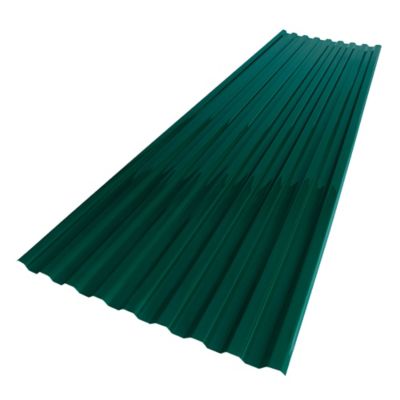
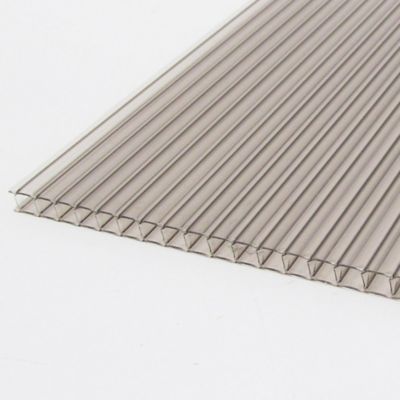
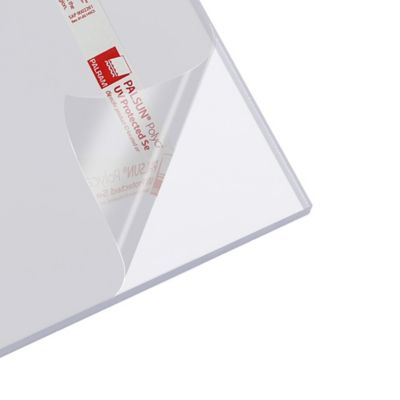
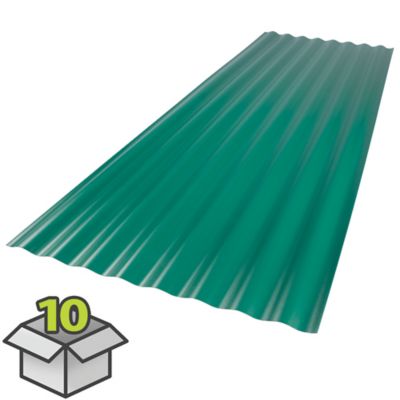
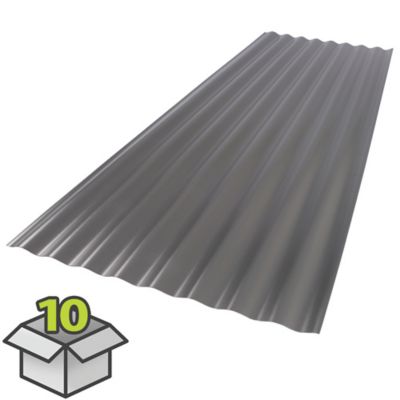
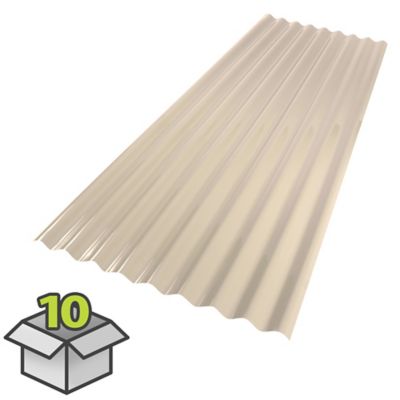
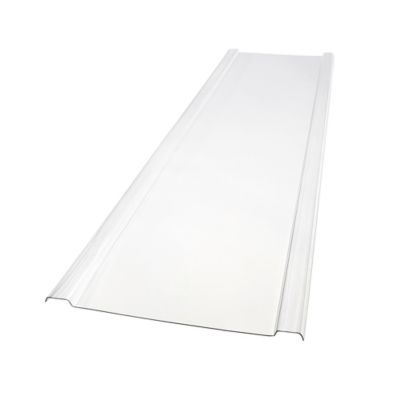
Choosing the right UV resistant polycarbonate sheets starts with matching the panel to the job. Solid sheets have a smooth, glass-like appearance and are often selected for windows, guards, doors, and areas where clear visibility matters. Corrugated sheets are shaped for added stiffness and are commonly used on simple roof coverings, lean-tos, porch roofs, and utility structures. Multiwall or twin-wall styles have internal channels that add rigidity and can provide extra insulation, which is useful for greenhouses and enclosed spaces where temperature control matters. Pay close attention to thickness, panel dimensions, light transmission, color, and whether the sheet is clear, tinted, frosted, or opaque. Clear panels bring in the most natural light, while tinted or bronze options may help soften glare and reduce the bright, open feel of a sun-facing space. A thicker sheet may be a better fit for exposed locations, larger spans, or areas that see strong wind, falling branches, or regular impact. Always check the manufacturer’s recommended support spacing and fastening pattern instead of assuming a panel can span the same distance as another style. Polycarbonate expands and contracts with temperature, so holes and fasteners need enough allowance for normal movement. Use compatible screws, washers, sealants, closure strips, and framing materials; some adhesives or cleaners can damage the surface or interfere with the UV layer. Before installation, measure carefully and plan where seams, overlaps, edges, and drainage will go. A slight slope on roof panels helps rainwater run off rather than collect, and proper flashing can keep moisture from finding its way into a wall or roof assembly. For greenhouse work, face the side labeled for UV protection toward the sun. That marked side is designed to take the brunt of outdoor exposure, and turning it inward may reduce the panel’s weathering performance. Protective film is helpful during cutting and handling, but it should be removed promptly after installation so heat and sunlight do not bake adhesive residue onto the surface. Leave the film on only as long as needed to protect the panel, and keep the sheets flat, shaded, and supported before they are put to work.
These panels are a good fit for practical people who would rather make a repair once and have it hold up through changing weather. A small-farm owner might use them to replace a broken greenhouse section after a hard wind, while a gardener may cut a panel for a cold frame that extends the growing season and keeps young plants protected from chilly nights. Someone fixing up an older shed can use polycarbonate in place of a cracked window, bringing in sunlight without adding the weight and sharp edges of glass. They are also useful for do-it-yourself projects around the home, from a covered run for poultry to a sheltered space for firewood, tools, or muddy boots. Contractors, maintenance crews, and handy family members often appreciate the panels because they are easier to carry and handle than glass, yet tough enough for many demanding applications. When cutting, wear eye protection and follow the sheet’s care instructions; fine chips and sharp cut edges can be irritating, and rough handling can scratch the surface. Use clean tools, support the panel well, and avoid dragging it across concrete or gravel. For cleaning, plain water with a mild soap and a soft cloth is usually a safer choice than abrasive pads, strong solvents, or harsh household cleaners. Inspect outdoor panels from time to time for loose fasteners, blocked channels, cracked edges, or places where water may be getting behind the sheet. Good framing and routine checks help protect the panel and the structure around it. UV resistant polycarbonate sheets are not limited to one season or one kind of property. They can brighten a greenhouse as the weather warms, shield a porch during rainy stretches, and add a durable layer of protection around a shop or outbuilding during the cooler months. With the right style, thickness, orientation, and installation details, they offer a dependable way to bring in light while standing up to everyday outdoor wear.