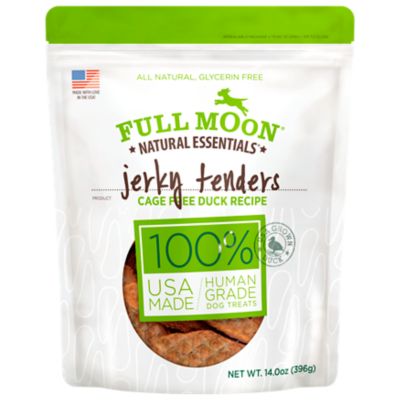
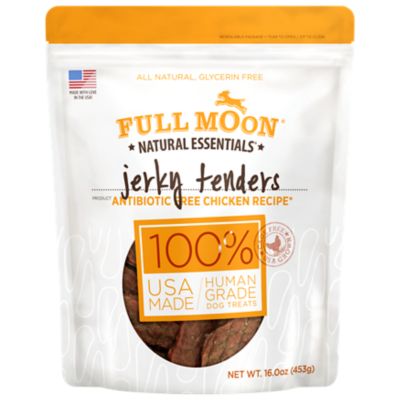
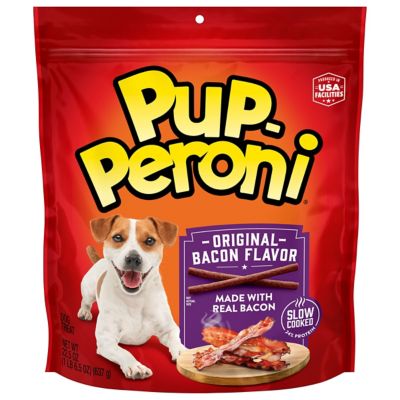
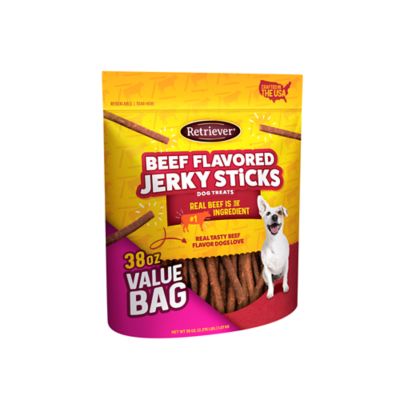
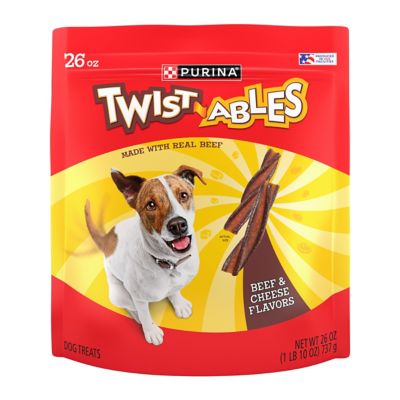
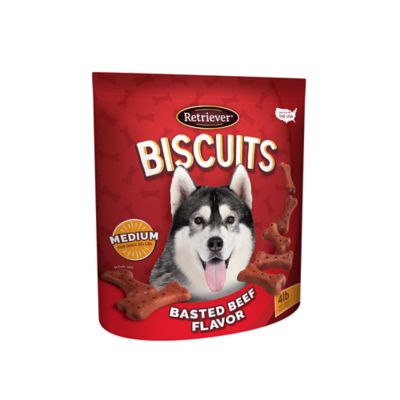
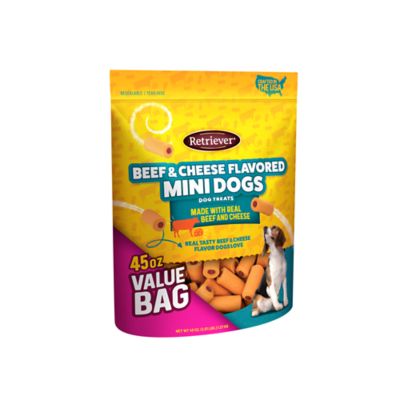
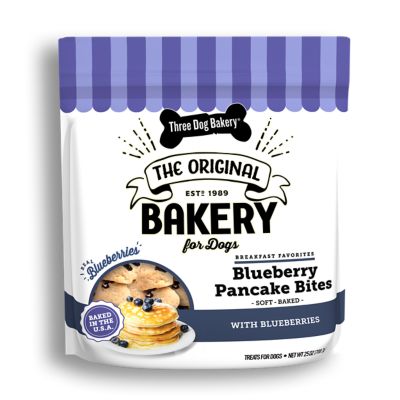
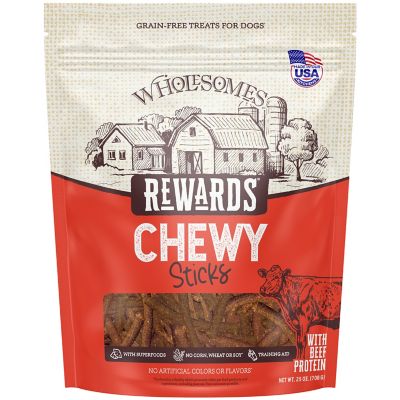
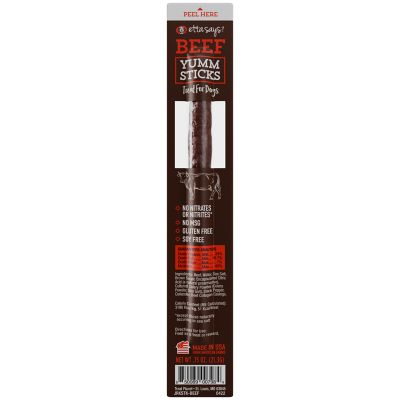
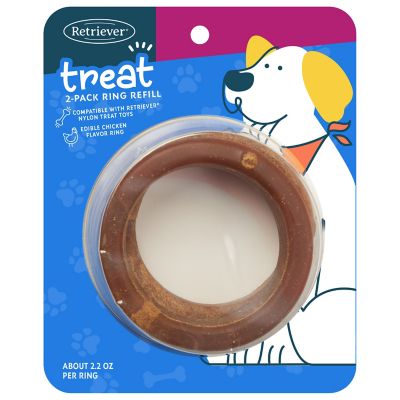
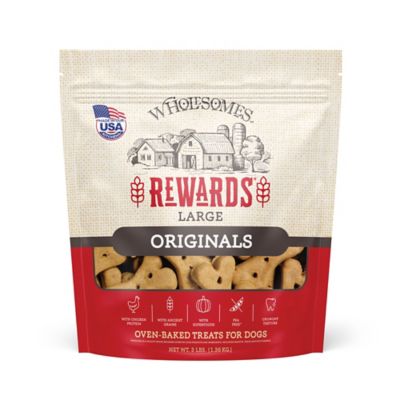
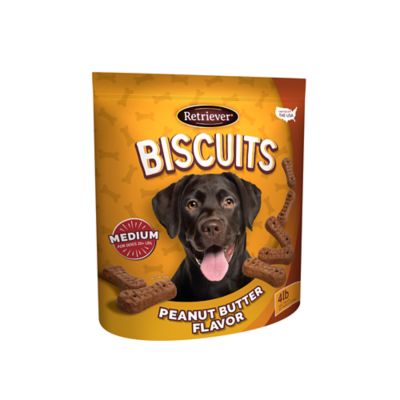
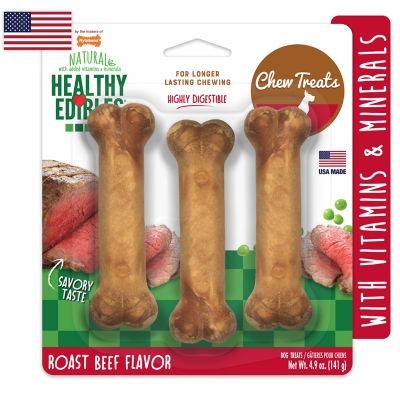
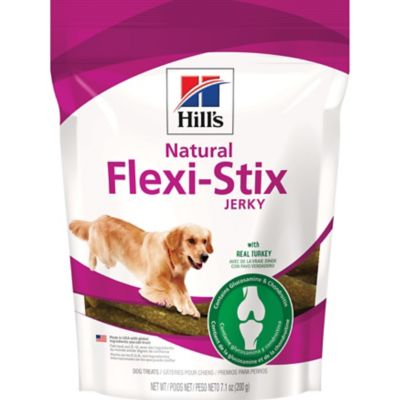
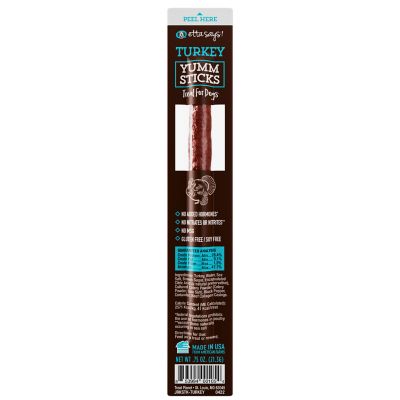
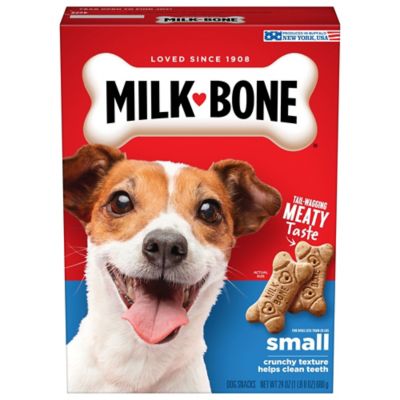
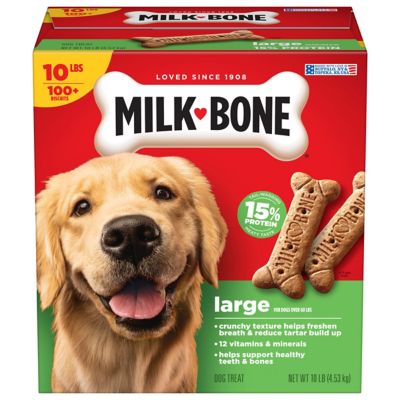
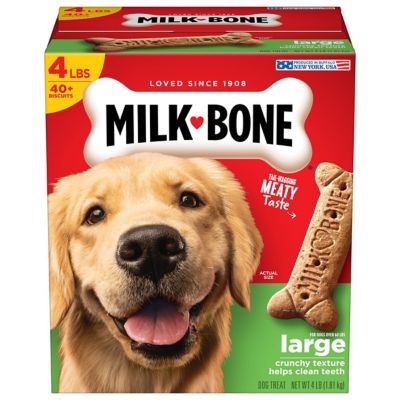
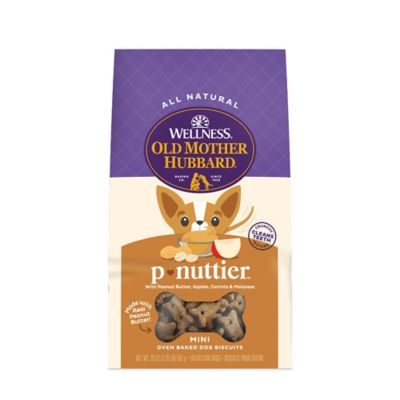
USA-made dog treats give pet owners a way to make country of origin part of their everyday treat choices, whether the reward is for coming when called across the yard or settling down after a busy afternoon. The category spans crunchy biscuits, soft training bites, meat-based strips and chews, with different textures and serving sizes for different dogs. Country-of-origin wording deserves a close look: an unqualified “Made in USA” claim generally means a product is all or virtually all made in the United States, while wording such as “made in the USA with globally sourced ingredients” signals that some ingredients come from elsewhere. Domestic manufacturing and ingredient sourcing are related, but they are not interchangeable. The package and the manufacturer’s sourcing information can help explain where a treat is produced and where its ingredients come from. That distinction matters to shoppers who want to support American manufacturing or put more thought into the path from ingredient to treat jar. Origin alone does not tell the whole story, though. A good match also depends on the dog’s size, eating habits, food sensitivities and daily routine. Meat, poultry, fish, grains, vegetables and other ingredients contribute different flavors and textures, so the ingredient list is worth reading alongside the origin statement. A short ingredient list can make it easier to identify a particular protein or avoid something your dog cannot tolerate, but fewer ingredients do not automatically make a treat suitable for every pet. Likewise, grain-free wording does not make a snack a better fit for every dog. For a dog on a prescribed diet or one with a suspected food allergy, a veterinarian can help narrow the choices without working against the regular feeding plan. American-made dog treats are still treats rather than a replacement for complete and balanced food, and the best fit is one that works with the dog’s needs as well as the household’s preferences.
Size and texture make a real difference when choosing treats for a pocket, a kitchen jar or a supervised chewing session. Small, soft pieces suit repeated rewards because a dog can usually eat them quickly and return attention to the next cue. That can come in handy when practicing a sit at the back door, teaching a puppy to leave muddy boots alone or rewarding a calm greeting when company arrives. Treats that break into smaller portions offer flexibility, especially when several family members share the training duties. A biscuit that feels modest in a large dog’s mouth may represent a sizable snack for a small companion, so calories per piece matter just as much as the package’s serving suggestion. A common veterinary rule of thumb is to keep treats and other extras to no more than about 10% of daily calories, with the main diet supplying the rest. Your veterinarian can help set a different limit when weight control or a health condition calls for it. Crunchy treats provide a different eating experience from soft bites, while meat strips may need dividing before serving, depending on their size and the package directions. Puppies, seniors and dogs with missing or sensitive teeth need particular attention to texture. Harder is not necessarily better, and a long chewing time is not worth a cracked tooth. Dogs that gulp food may also need a different shape or serving approach than dogs that nibble slowly. For shoppers considering a separate chewing option,
American Made Dog Bones is a related category to explore, with close attention to each option’s size, hardness and supervision directions. Bones and hard chews can cause tooth fractures, choking or digestive blockages, so a veterinarian’s advice is useful before adding them to the routine. No chew should be treated as risk-free, and ordinary biscuits or meat treats should not be expected to clean teeth simply because they take some crunching.
Day-to-day handling helps keep USA-made dog treats in good condition from the first opening to the last serving. Follow the package’s storage directions, close resealable bags fully and keep shelf-stable treats in a cool, dry spot away from direct sunlight. A feed room, garage shelf or truck cab can swing through temperatures and humidity levels that do not suit pet food storage, even during the cooler months. If treats go into a separate container, keep the original packaging or save the ingredient panel, lot code and best-by date so those details remain handy. Wash and dry the container before adding a fresh bag rather than continually topping off old crumbs. Some treats require refrigeration after opening; others have a stated window for feeding once the seal is broken. Changes in smell, visible mold or unexpected moisture are reasons not to serve a treat. Wash hands after handling, especially with raw animal-based treats, and follow any additional handling directions on the label. For walks along a fence line or short training sessions near the house, carrying only the amount needed keeps the rest of the bag protected from damp pockets and dirty gloves. Give chewing treats where someone can keep an eye on the dog, not while the dog is riding loose in a vehicle or left alone outdoors. In a household with more than one dog, separate treat time may help prevent crowding, guarding or hurried swallowing. Introduce a new treat in a small amount and watch for digestive upset before making it a regular reward. American-made treats can also make a thoughtful addition to a gift for a dog owner, provided the dog’s diet, age and chewing habits are known. An unopened package with clear labeling is easier for the recipient to evaluate than loose treats in a gift jar. Whether the routine involves chores before breakfast, a walk down the lane or quiet time beside the couch, the right treat fits into that rhythm without overcomplicating feeding, storage or care.