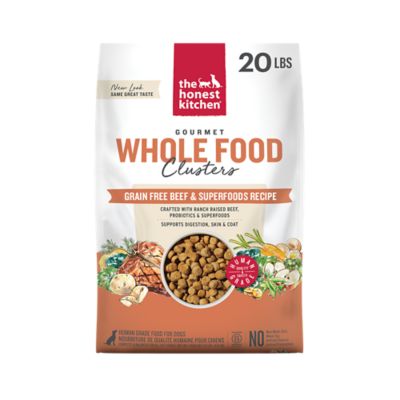
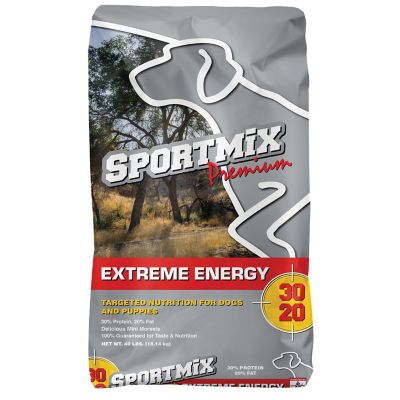
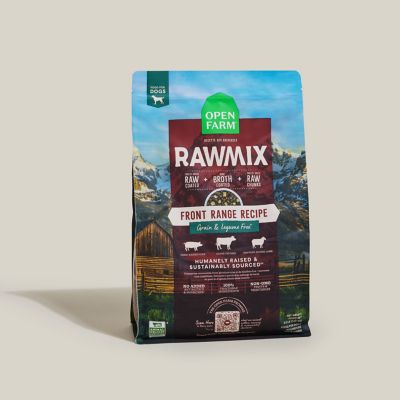
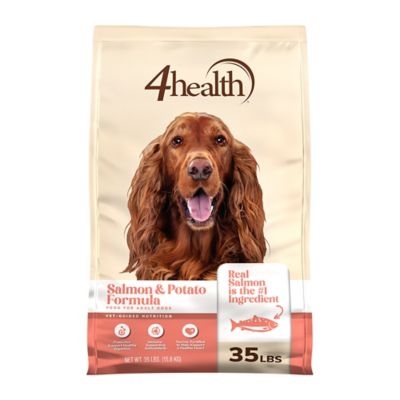
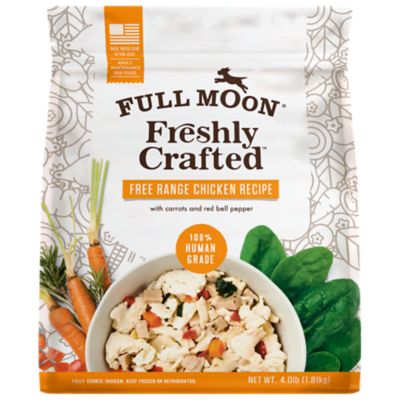
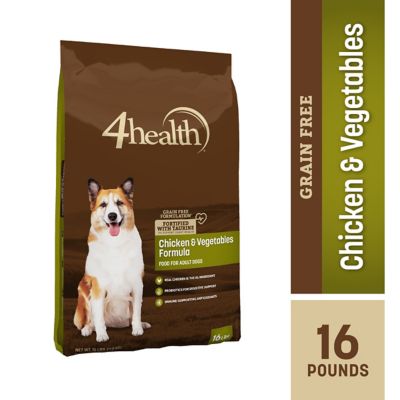
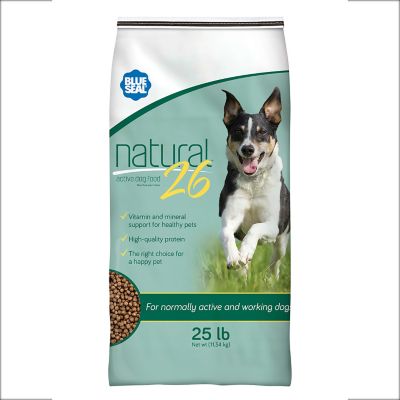
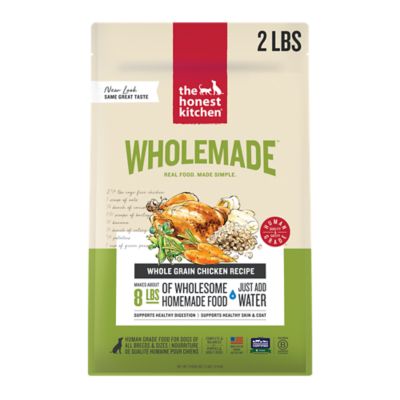
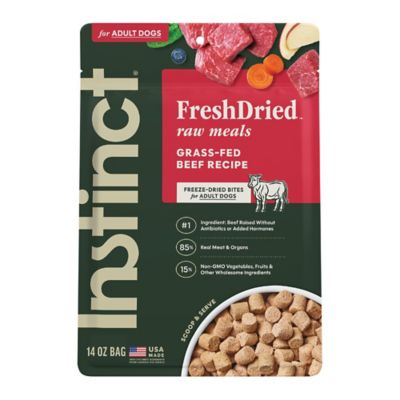
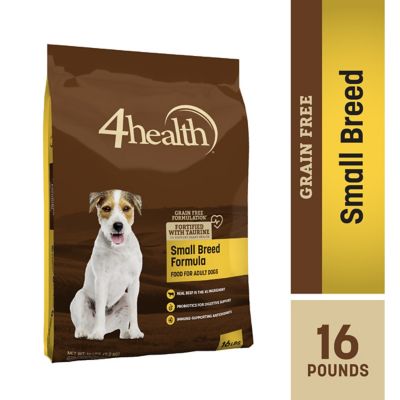
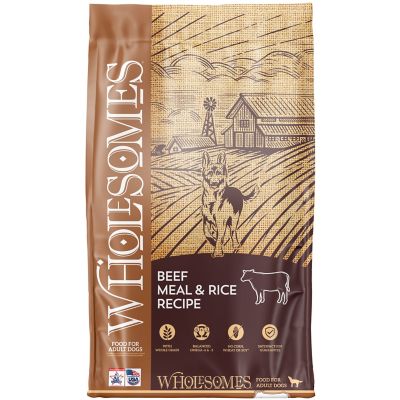
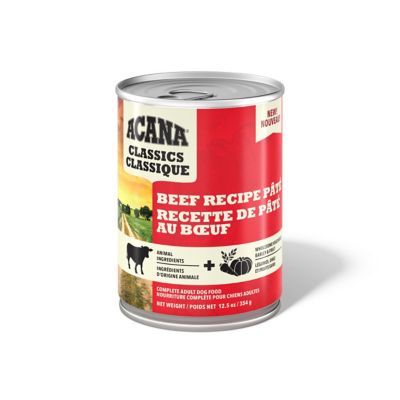
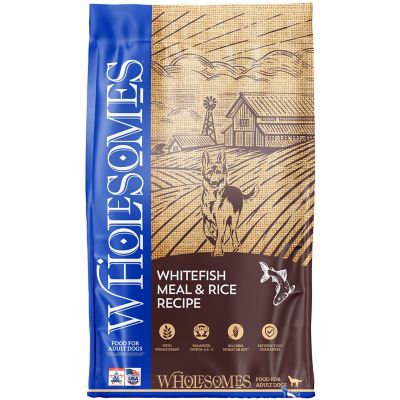
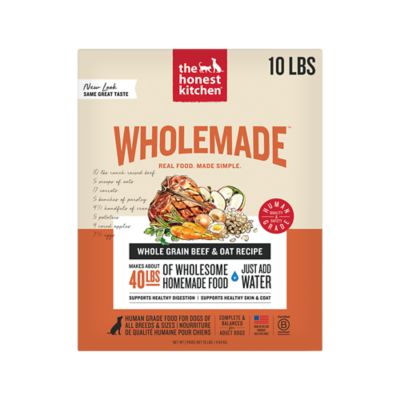
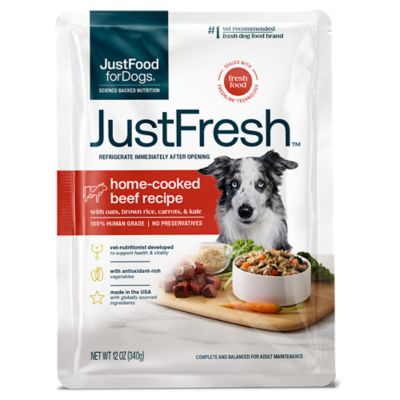
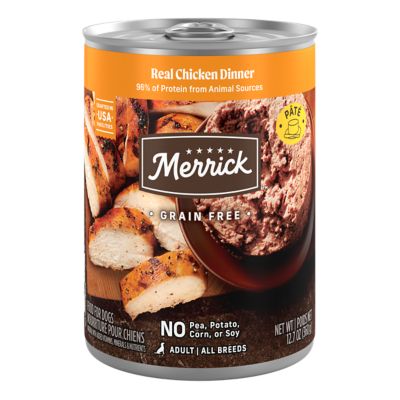
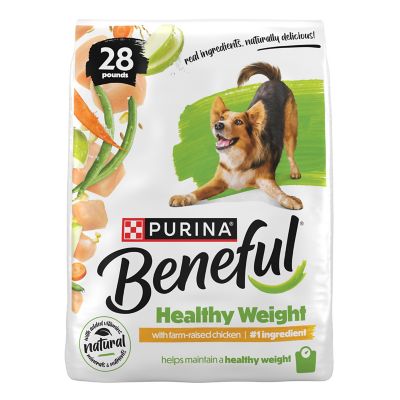
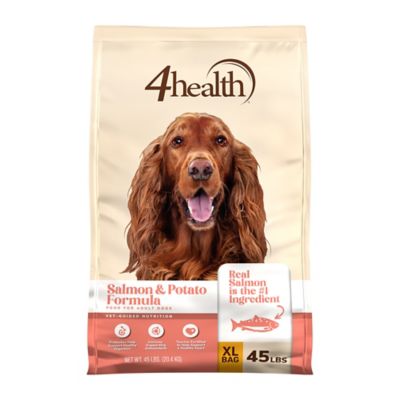
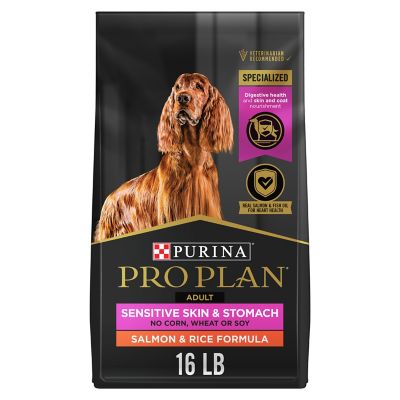
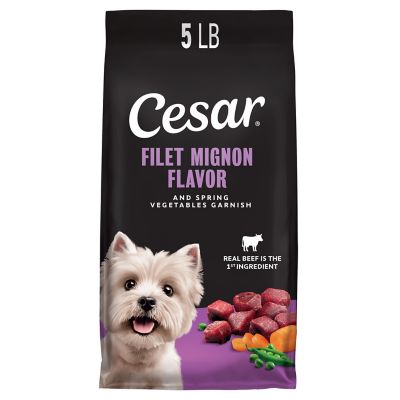
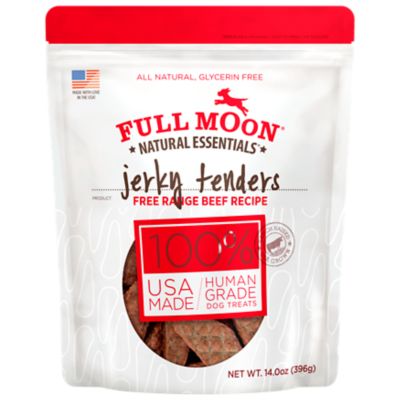
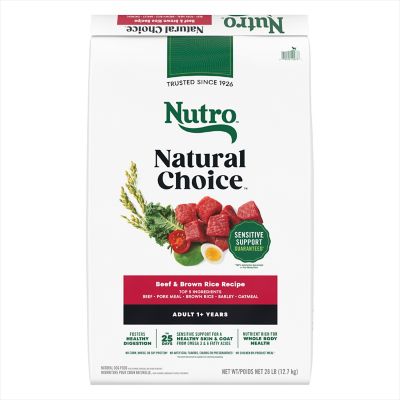
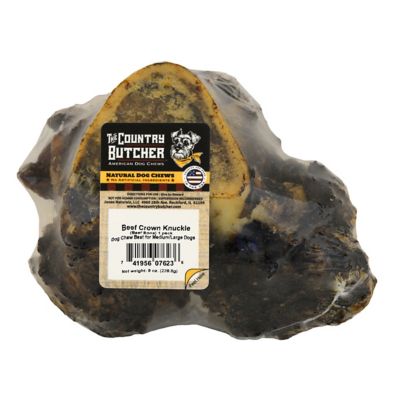
USA-made dog food is manufactured in the United States, with the full country-of-origin statement explaining any qualifications about ingredient sourcing. Some packaging carries a made-in-the-USA claim without qualifications, while other labels specify American production with globally sourced ingredients. Those statements mean different things, and an American company address alone does not establish where a food was made. For households that want to support domestic manufacturing, that distinction helps keep the focus on what the package actually says. Country of manufacture is one part of the picture, alongside nutritional purpose, calorie content, ingredients and how well a recipe fits the dog eating it. American-made dog food can take several forms, including dry kibble and wet food, each with practical differences around the house or out in the feed room. Dry food makes measured meals straightforward and generally stores well when kept according to the package directions. Wet food has a higher moisture content and a softer texture, which may suit some dogs’ preferences or feeding needs. Either format can serve as a daily diet when its nutritional adequacy statement identifies it as complete and balanced for the dog’s life stage. Food labeled for intermittent or supplemental feeding has a different role and should not be mistaken for a complete everyday meal. Ingredient lists add another layer of detail, showing protein sources, fats, grains or other carbohydrate sources, along with added vitamins and minerals. Ingredients appear in descending order by weight, but the first ingredient alone does not tell the whole nutritional story. A familiar meat name on the front of a bag is not a substitute for checking the feeding information and nutritional statement. The most useful comparison brings those details together: where the food is made, what it is formulated to provide and whether its daily serving makes sense for the dog at home. That keeps American manufacturing connected to the practical business of filling a bowl, rather than treating the origin claim as a promise about every other feature of the food.
Finding the right fit within USA-made dog food starts with the dog’s age, expected adult size, activity level and health needs. A puppy growing into a big farm companion needs food formulated for growth, with particular attention to whether the nutritional adequacy statement includes growth of large-size dogs. That detail matters more than simply choosing a bag with a puppy pictured on it. Adult dogs need maintenance nutrition suited to their body condition and daily routine, whether that means tagging along for chores, walking the fence line or spending more time stretched out near the back door. Two dogs of similar size can need different portions, and cups of one recipe may contain substantially more calories than cups of another. Package feeding amounts provide a starting point, not a fixed serving for every dog. Treats, chews and food shared during training also count toward the day’s intake. For older dogs, appetite, chewing comfort, muscle condition and medical history can matter more than the word “senior” on its own. A veterinarian can help match the diet to those needs, especially when weight changes, ongoing stomach trouble or a diagnosed condition enters the picture. Grain-inclusive and grain-free recipes are different formulation choices, not a simple ranking of which food is better. Likewise, a shorter ingredient list does not automatically make a food appropriate for a dog with suspected allergies; identifying a food reaction calls for veterinary guidance rather than repeated guesses at the feed bowl. Shoppers comparing ingredient preferences can also explore
Natural Dog Food, while keeping natural labeling separate from country-of-origin claims. One does not establish the other, and neither replaces a nutritional adequacy statement. The best everyday match is a food that supports the dog’s needs, agrees with its digestion and fits a feeding routine the household can maintain. Consistent meals and a comfortable body condition matter long after the bag’s front label has caught someone’s eye.
Once a food becomes part of the routine, handling and storage help protect it between meals. A bag size that matches the household’s feeding pace makes sense, particularly when one small dog eats far less than a pair of full-grown working companions. Check package directions for storage and how soon to finish the food after opening. Keep dry dog food in its original bag, with the opening securely closed; if an outer storage bin is helpful, place the bag inside a clean, dry container with a snug lid. That preserves the lot number, date information and feeding directions while helping keep curious noses and pests away. A sheltered storage spot away from moisture, direct sunlight and chemicals is a better choice than an open sack beside garden supplies or fuel cans. Wash and dry storage containers between bags rather than continually topping off leftover crumbs and oils. Wet food needs its own routine: cover and refrigerate leftovers promptly according to the label, and follow the package directions for serving and discarding uneaten portions. Clean bowls and fresh drinking water belong alongside either format. When changing foods, a gradual transition over about seven to ten days often gives digestion time to adjust, unless a veterinarian recommends a different approach. Mixing increasing amounts of the new food with decreasing amounts of the previous food keeps that change manageable; some dogs need a slower pace. Measuring each serving with a consistent tool also makes it easier to notice whether appetite or intake has shifted. In a household with several dogs, separate bowls or supervised meals can help ensure a fast eater does not collect everyone else’s share. Keep the original package information until the food is finished so there is a clear record if a question or recall comes up. From a young dog learning the household routine to an old companion waiting patiently at feeding time, dog food made in the USA belongs in the same practical framework: clear origin information, suitable nutrition, sensible portions and careful handling every day.