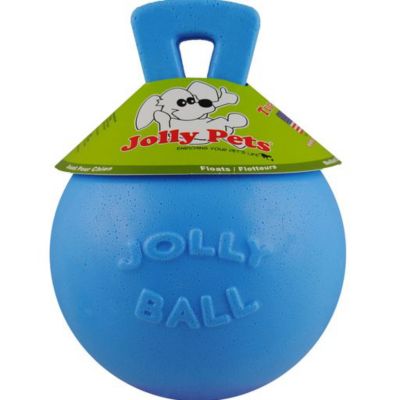
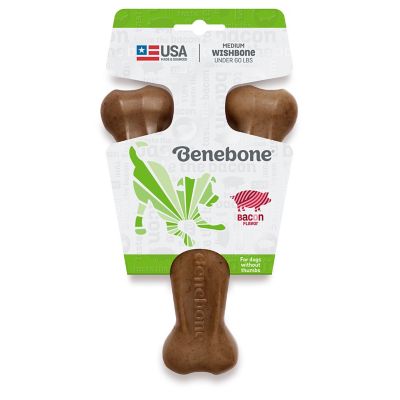
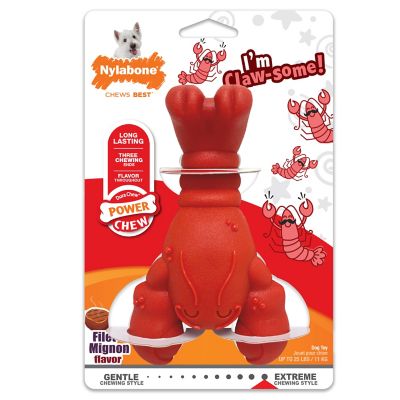
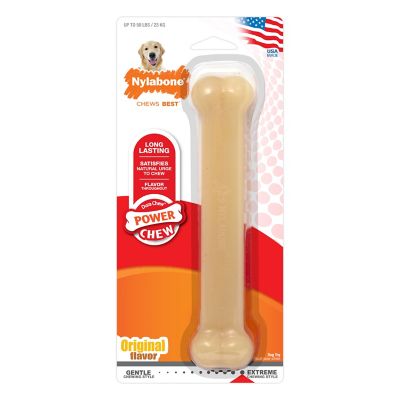
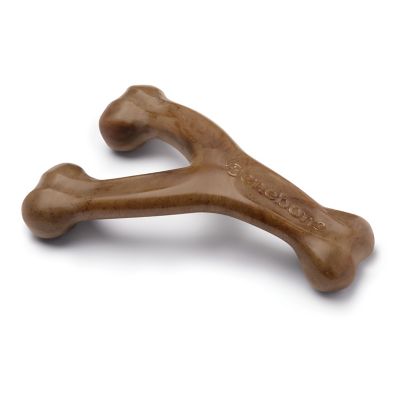
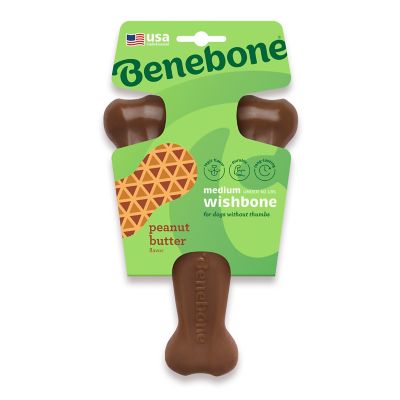
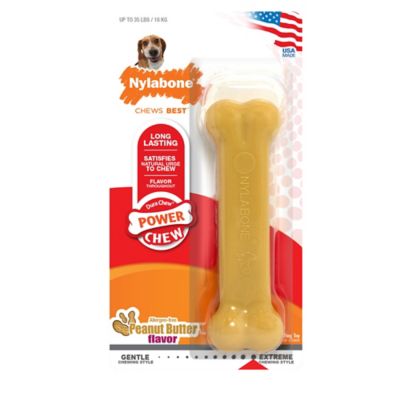
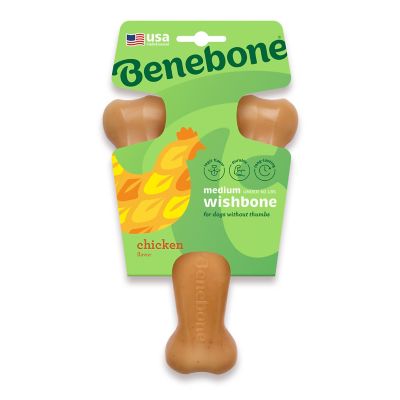
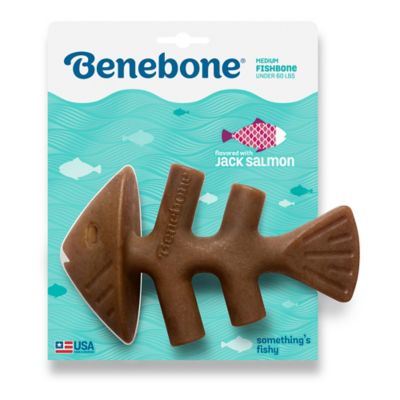
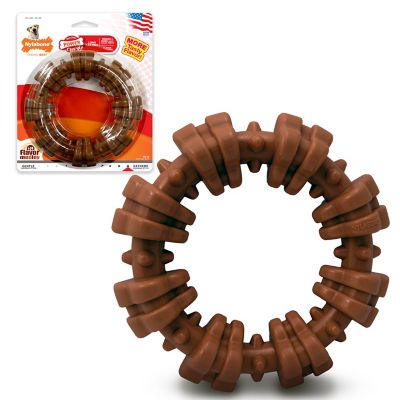
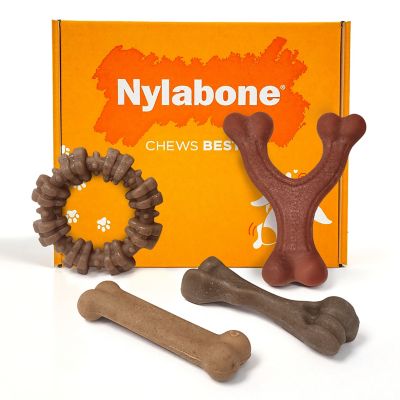
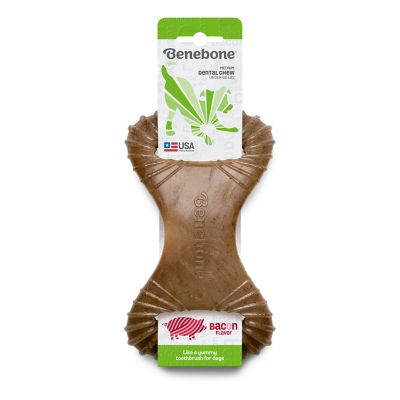
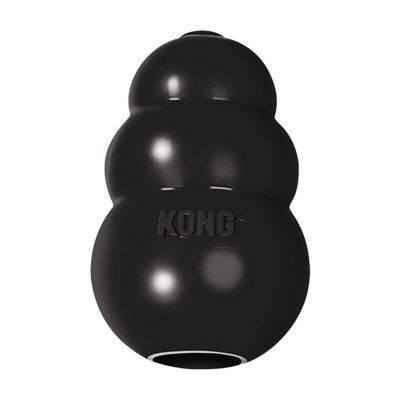
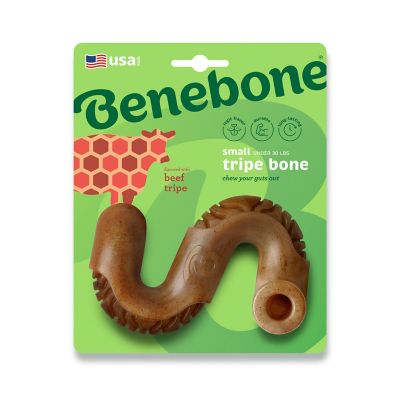
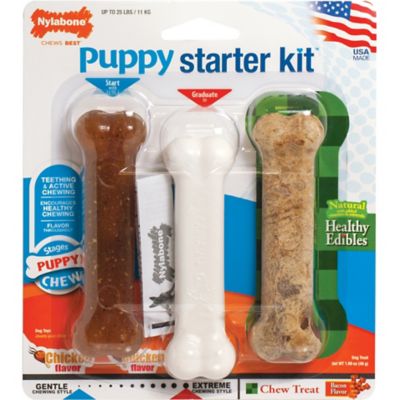
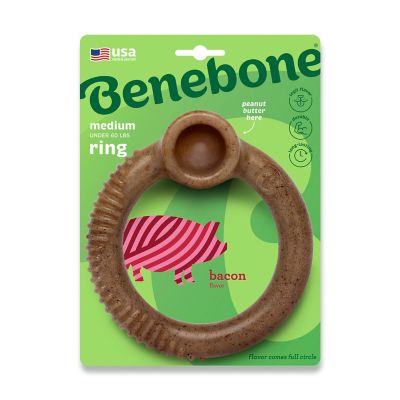
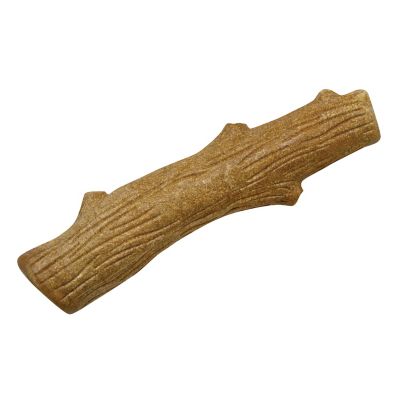
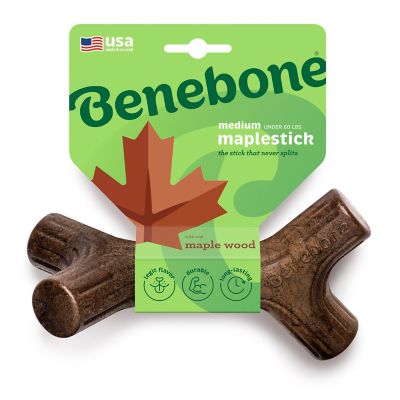
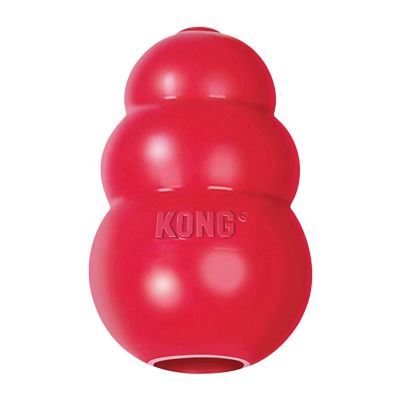
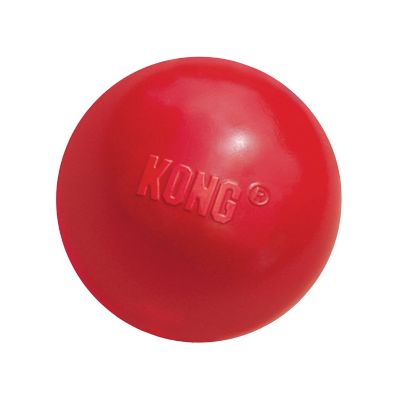
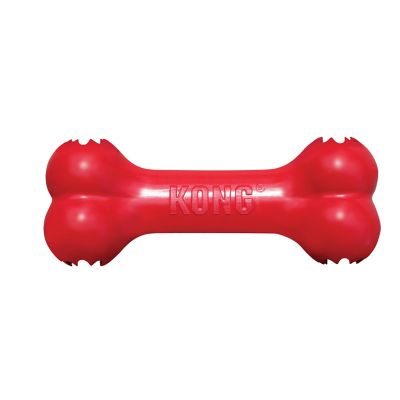
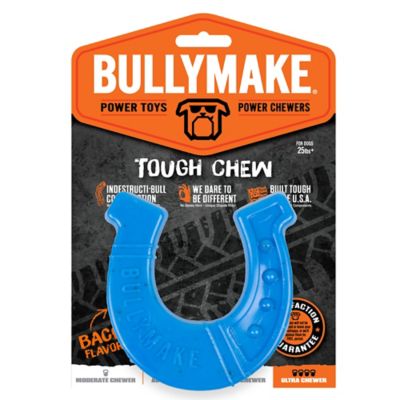
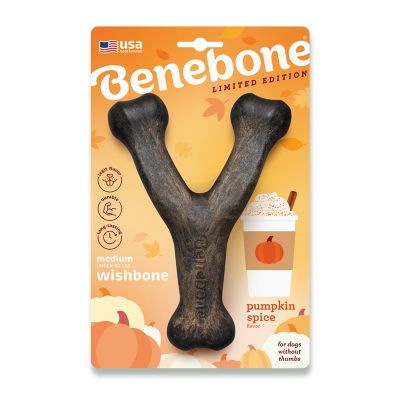
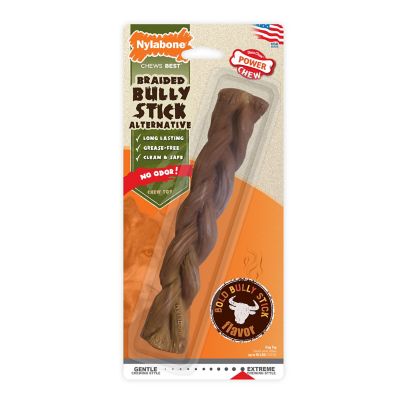
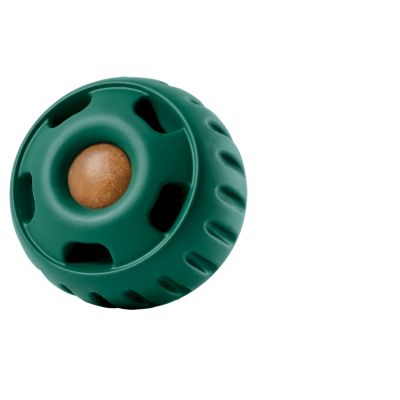
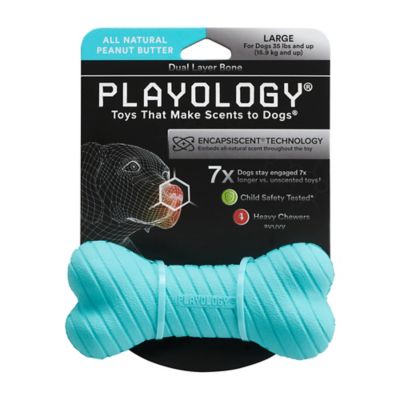
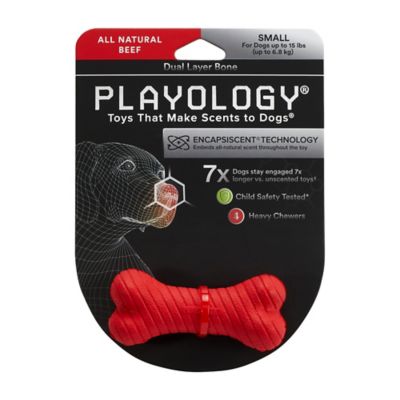
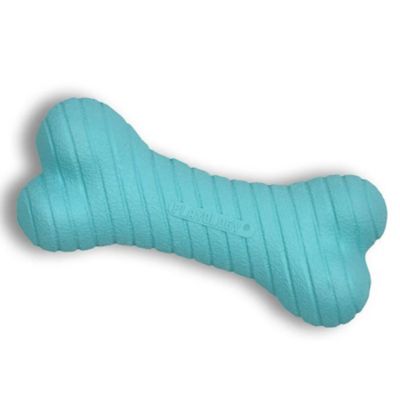
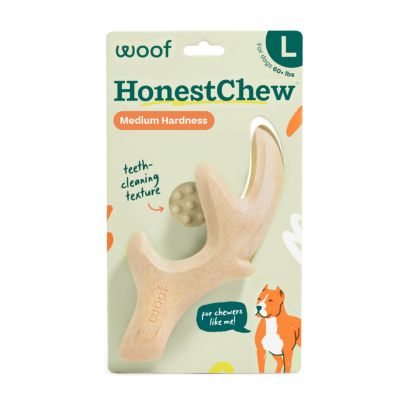
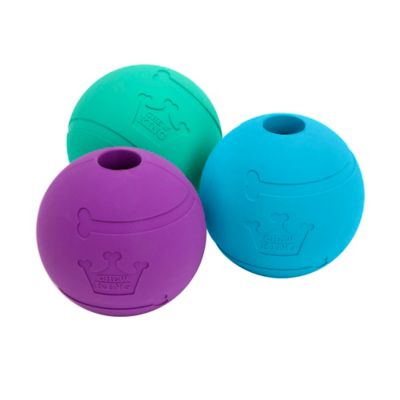
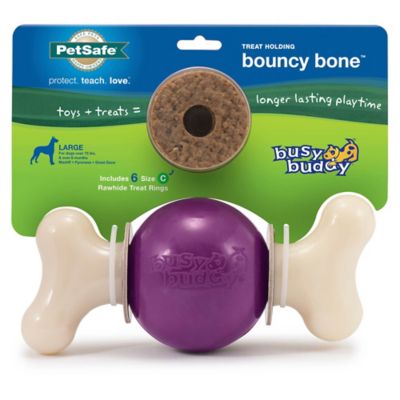
USA-made dog toys are playthings manufactured in the United States for chewing, fetching, tugging and other ways dogs stay busy. For households that pay attention to where everyday supplies come from, country of origin is one part of finding the right match. An unqualified “Made in USA” claim means a product is all or virtually all made in the United States, while qualified statements may describe domestic assembly or identify imported components. Packaging and manufacturer information help explain those differences. American manufacturing does not automatically make a toy right for every dog, though. The material, construction, size and intended activity still need to suit the dog carrying it across the yard or settling down with it beside the couch. Rubber toys often have some flex and spring, making them a practical choice for bouncing, retrieving or holding treats, depending on their design. The amount of give varies, so a rubber toy meant for gentle play may not stand up to a determined chewer. Rope gives dogs a textured grip during shared tug games, but loose strands are a reason to take a toy out of rotation. Fabric and plush toys offer softer surfaces for dogs that like to carry, cuddle or gently mouth their playthings. Dogs that pull out stuffing or tear at seams need closer supervision and a different construction if they keep swallowing pieces. Firmer chewing materials call for particular care because a very hard surface can damage teeth. The strongest-looking option is not always the best fit. Clear material descriptions, care directions and chewing recommendations matter more than appearances alone. For a dog that spends the day tagging along with chores, a toy might serve as a welcome change of pace once the work is done. For a quieter companion, it might simply be something familiar to carry from room to room.
A good match starts with how a dog actually plays, not just the dog’s breed or weight. Two dogs of similar size can treat the same toy very differently: one may parade around with it for days, while the other goes straight to a seam and starts pulling. Size recommendations provide a starting point, but the shape of the toy and the dog’s mouth matter, too. Balls and chew toys need enough size to help prevent swallowing or lodging deep in the mouth, while still allowing comfortable handling. A toy that feels awkward to pick up may get little attention, even if its weight range looks right on the label. Puppies need options suited to their developing mouths, with regular checks as their teeth and chewing habits change. Older dogs may appreciate lighter toys or softer surfaces, especially when gripping and carrying take more effort. A veterinarian can help with toy choices for dogs with damaged teeth, dental disease or a history of swallowing objects. Intended use makes a difference throughout a toy’s life. Fetch toys belong in active games with room to run and a clear landing area, rather than becoming unattended chew projects afterward. Tug toys give people and dogs a way to play together, with controlled movement and breaks when excitement builds. Food-dispensing toys invite sniffing, nudging and problem-solving, making them useful for dogs that enjoy working toward a small reward. An easier opening or a loosely filled cavity can help a beginner understand the game before tackling a greater challenge. Treats tucked into toys still count toward daily food intake, and openings should suit the food’s size and shape. In a home with more than one dog, separate play spaces may help prevent competition over a favored toy or food reward. No dog toy is indestructible, including one made in the United States. Watching the first few play sessions gives a better picture of how a dog handles a new shape or material before it becomes part of the regular routine.
Everyday care helps keep USA-made dog toys ready for another round without overlooking signs that they need replacing. Cleaning directions vary by material and construction, so a toy that tolerates a gentle hand wash may not belong in a dishwasher or washing machine. Food-holding cavities, grooves and textured surfaces deserve extra attention because damp crumbs and saliva can collect where they are hard to see. Thorough drying matters before toys go back into a basket or cupboard. A quick look before play can catch split rubber, sharp edges, unraveling rope, open seams or missing pieces. Those changes are reasons to set a toy aside rather than wait for it to break apart during a game. Toys brought back from the yard also benefit from a check for grit and other debris before a dog starts chewing indoors. Keeping a few suitable choices in rotation can make familiar playthings interesting again without leaving every toy scattered across the floor. A washable container away from feed supplies and household cleaners gives them a handy home between games. Different activities often call for different toys: something easy to carry for a walk around the property, a shared tug toy for time together and a food puzzle for a supervised stretch of quieter activity. For households that carry the same country-of-origin preference over to the food bowl,
USA Made Dog Food is another category to consider for everyday needs. Toys also make thoughtful gifts for a new puppy owner, an adoption celebration or a neighbor whose dog always comes along for a visit. Knowing that dog’s size, chewing habits and favorite games helps make the gift a better fit. Whether a dog loves a lively chase or prefers carrying a soft companion to its bed, the most useful choice is one that matches its habits and makes room for regular, supervised play.