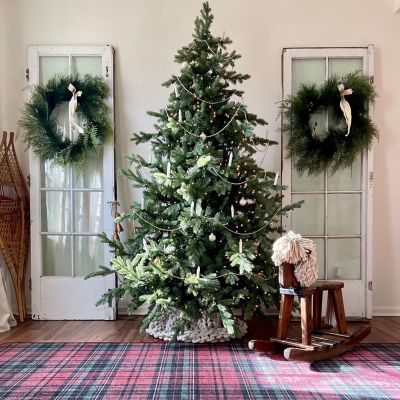
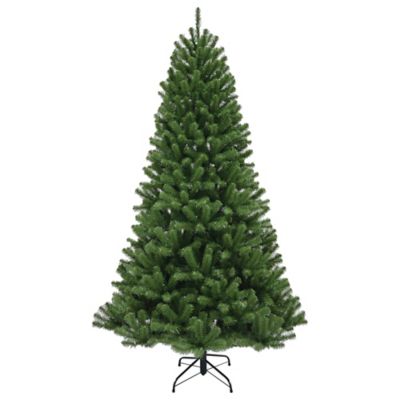
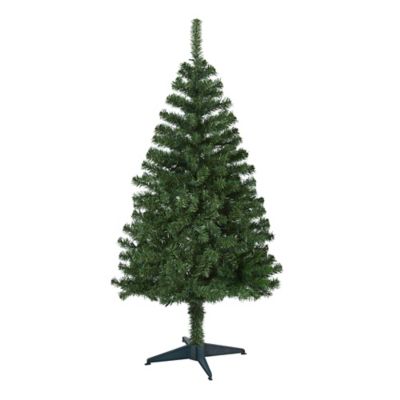
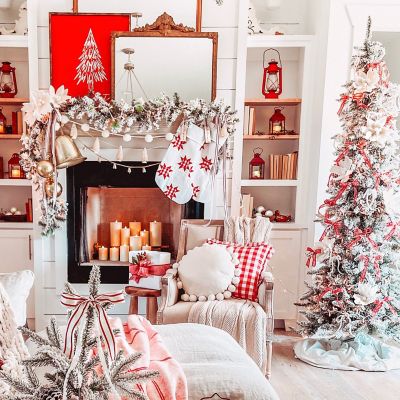
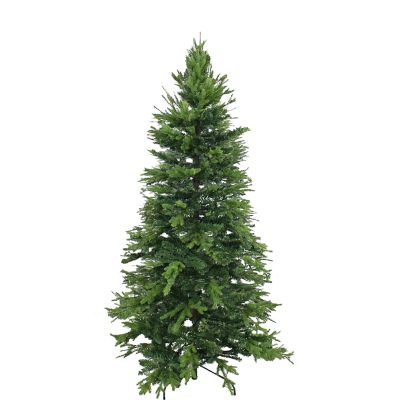
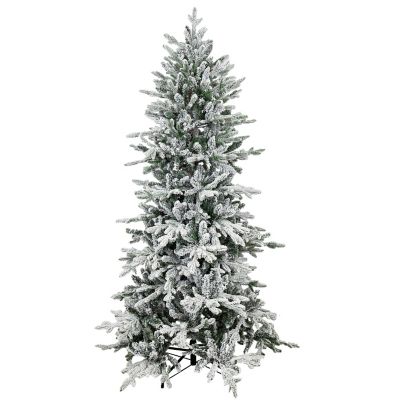
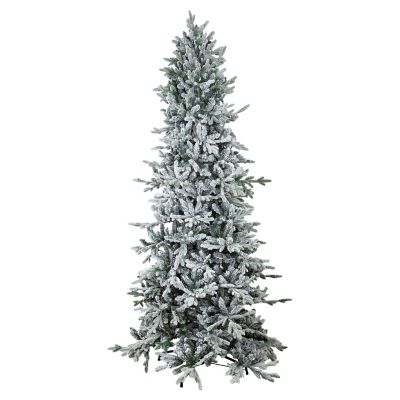
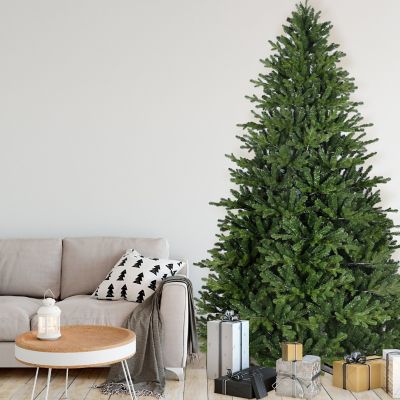
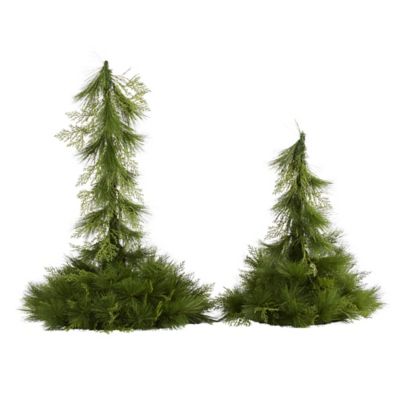
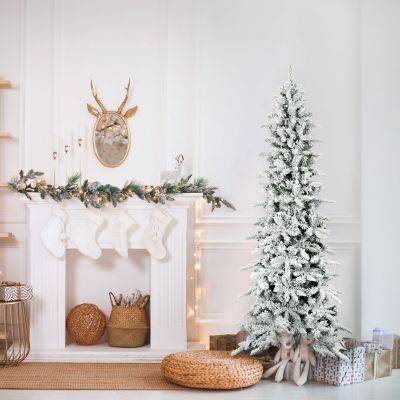
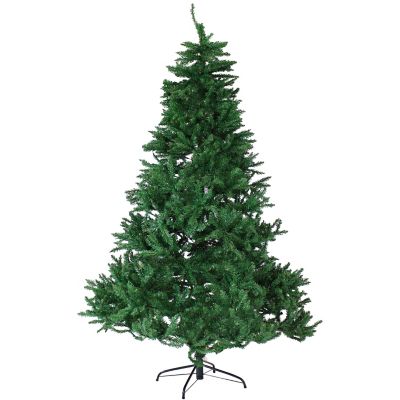
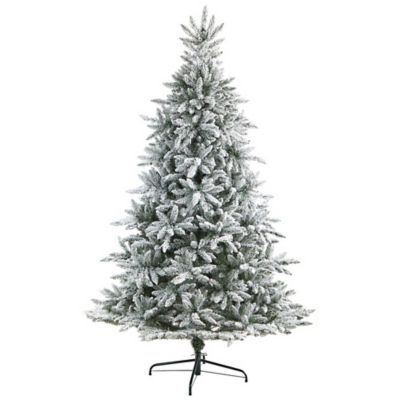
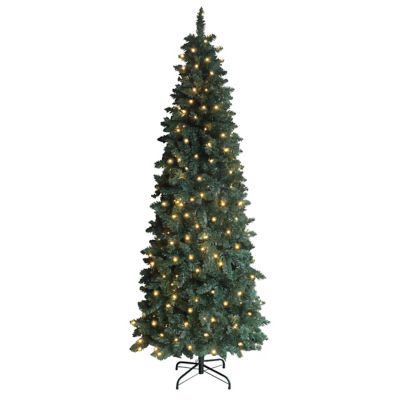
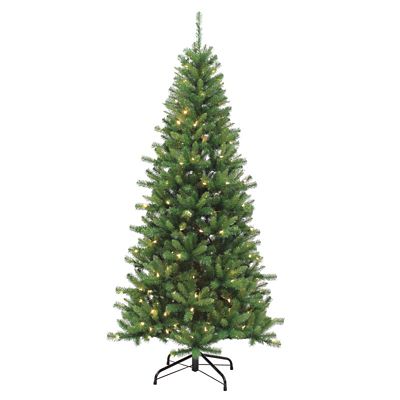
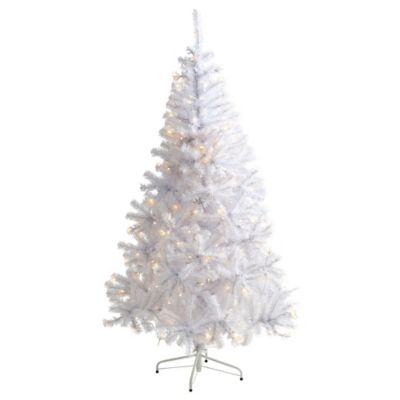
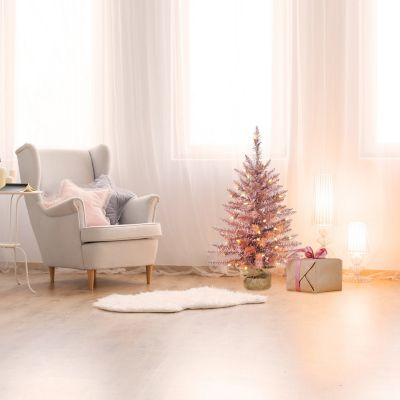
Unlit Christmas trees give you a simple, flexible way to bring holiday greenery into the home without being tied to a built-in lighting pattern. They work well in living rooms, entryways, bedrooms, offices, porches, and other spots where a little seasonal color can make the space feel warmer. Since the branches are free of attached lights, you can choose whether to leave the tree plain, add a favorite string-light color, or decorate it with garland, ribbon, handmade ornaments, and keepsakes collected over the years. That freedom can be especially handy in a busy household where everyone has a different idea of what makes a tree feel festive. An unlit tree also fits nicely into homes with more than one decorating style. A traditional green tree can carry red bows and old-fashioned ornaments, while a white, flocked, or dark-colored tree can create a cleaner, more modern look. For a bold decorating setup, explore
Black Artificial Christmas Trees and pair the darker branches with warm lights, metallic ornaments, natural wood accents, or simple greenery.
When choosing an unlit Christmas tree, start with the space where it will stand and measure more than just the open floor area. Look at ceiling height, nearby furniture, doorways, stairways, and the room’s walking paths. A tree that looks modest in a wide store aisle can feel much fuller once it is set beside a sofa or near a doorway, so leave room for the branches to spread and for people to move around it. Pay attention to the listed height and width, the shape of the tree, and whether the branches are full from top to bottom or more narrow and tidy. A slim profile can be a good fit for a hallway, apartment, hunting cabin, guest room, or corner near the fireplace, while a fuller shape makes a strong centerpiece in a larger family room. Consider how the tree is assembled and stored, too. Sectional construction can make setup easier, and branches that fold down neatly are helpful when the decorations come off and the tree heads back into storage. A sturdy stand matters for keeping the tree balanced, especially in homes with pets, young children, or plenty of foot traffic. It is also worth checking the branch tips and hinges for a natural appearance and easy shaping. When the tree arrives, give each branch time to open up, then fluff from the trunk outward. Working in small sections helps fill thin spots and gives ornaments more room to hang. Keep the original packaging or use a tree storage bag so the branches stay protected between seasons, away from dust, moisture, and curious critters in sheds or garages.
Unlit trees are a practical choice for families who already have favorite lights, for decorators who change colors from one season to the next, and for anyone who wants to avoid replacing a whole tree when a light strand stops working. They can also make thoughtful gifts for first-time homeowners, newly married couples, college students setting up their first place, or relatives moving into a larger home. A tree lets the recipient build traditions at their own pace, whether that means hanging a handful of treasured ornaments or filling every branch with decorations gathered from the whole family. In a farmhouse, cabin, or country home, an unlit tree can be dressed with burlap ribbon, pinecones, wooden ornaments, dried orange slices, or small metal accents for a cozy, lived-in look. In a child’s room, lightweight ornaments and soft colors can create a cheerful space without taking over the rest of the house. If you plan to add lights, choose strands made for the tree’s setting, inspect cords before use, follow the manufacturer’s instructions, and keep electrical connections away from damp areas. For outdoor decorating, use lighting and extension cords rated for outdoor conditions and place the tree where wind, rain, and snow will not create a hazard. With a little planning, an unlit Christmas tree can serve as a dependable backdrop for several decorating styles, from a quiet arrangement of warm lights and handmade ornaments to a bright family tree covered in years of memories.