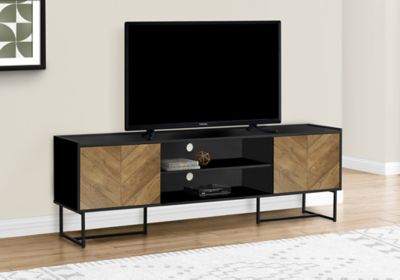
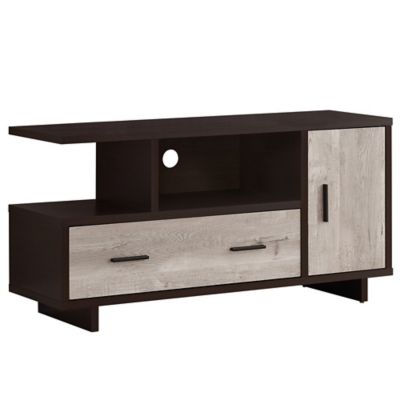
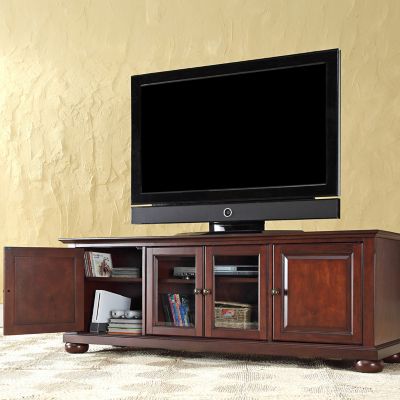
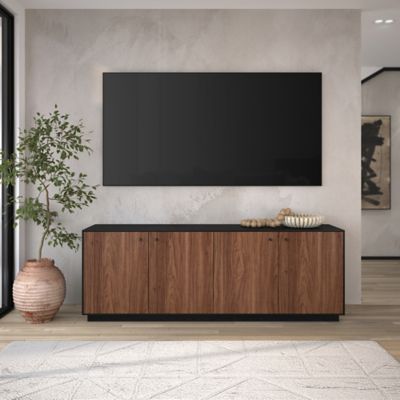
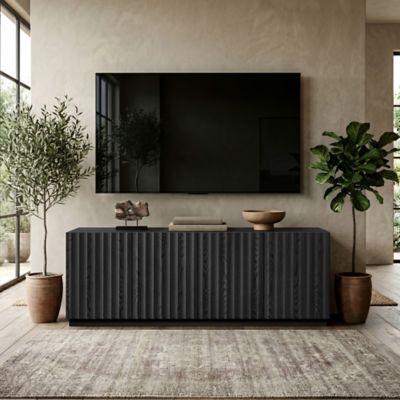
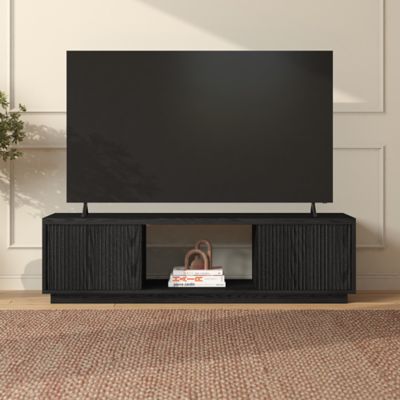
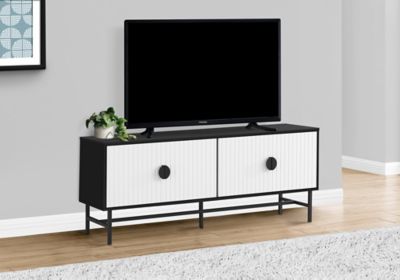
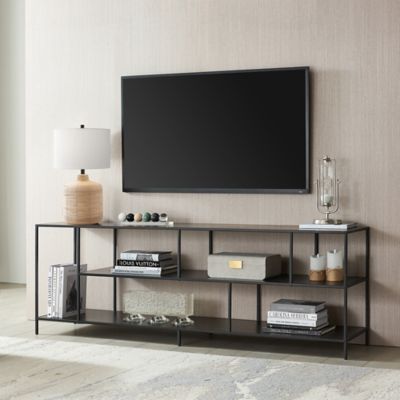
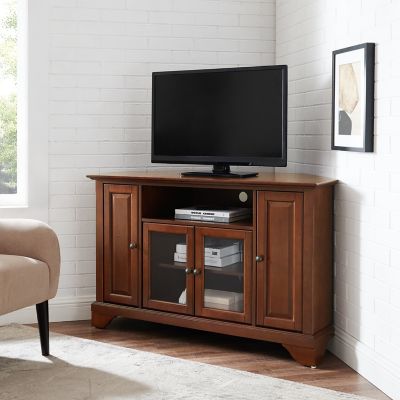
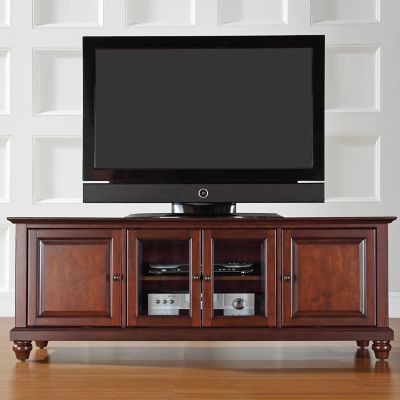
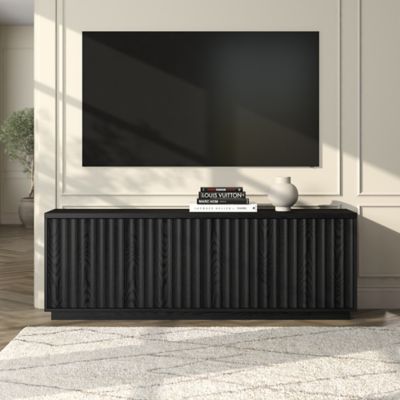
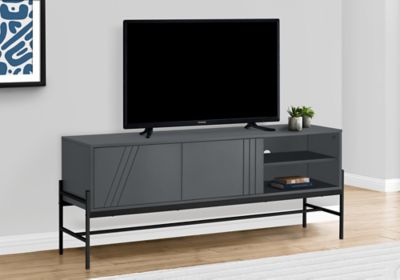
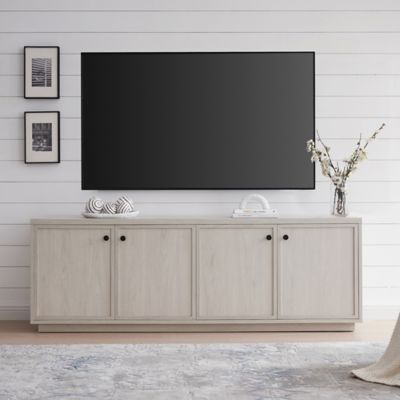
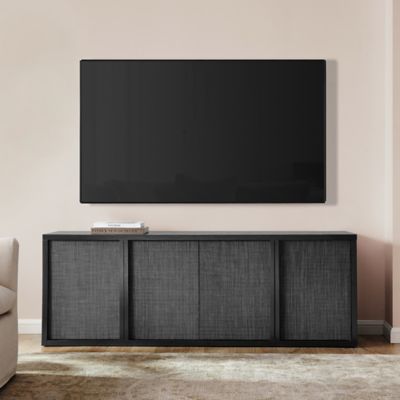
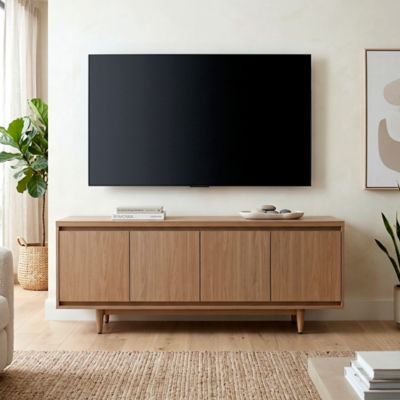
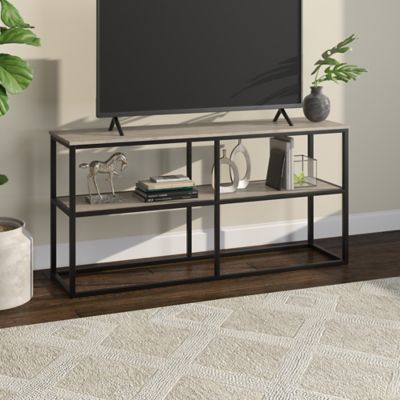
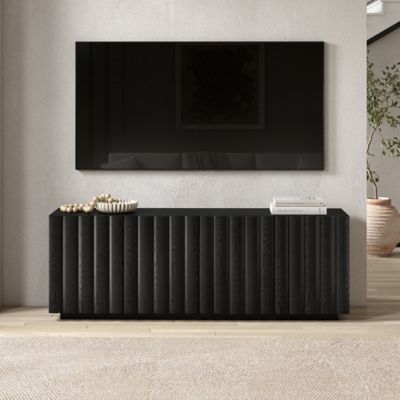
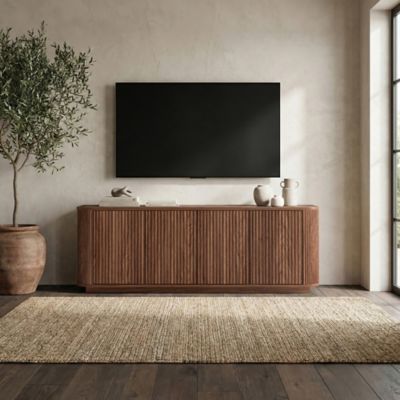
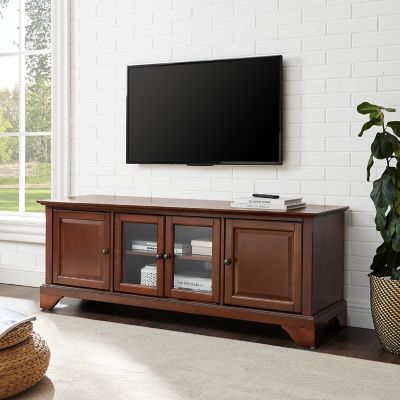
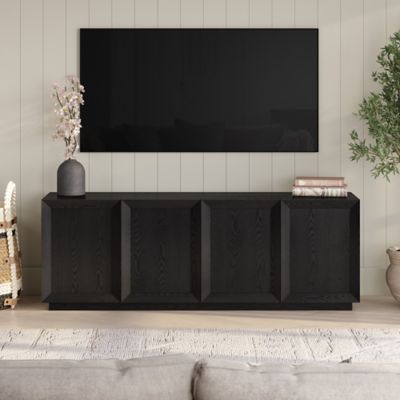
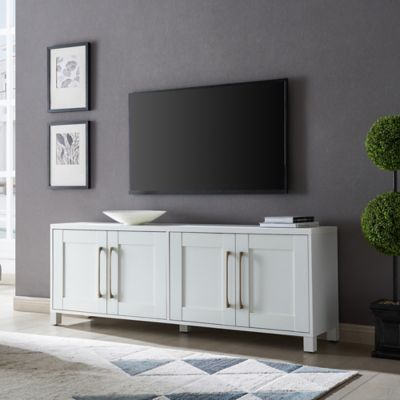
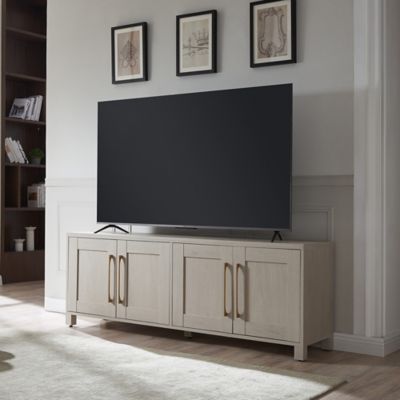
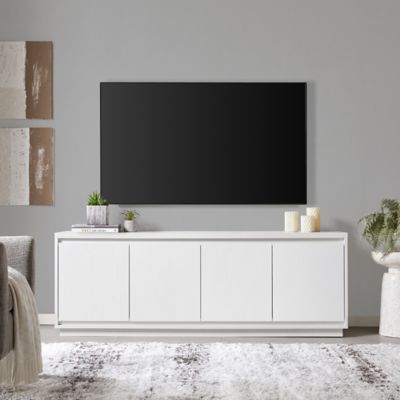
TV stands for flat-screen televisions bring the screen, entertainment equipment, and everyday storage together without making the living room feel crowded. A traditional media console gives a television a broad top surface with shelves or cabinets below, while a floor stand with an integrated mount supports the screen above a smaller base. Replacement tabletop bases attach to compatible televisions and rest on an existing piece of furniture, making them a different option from a full console. The right fit depends on more than the screen size printed on the television’s box. That measurement runs diagonally across the screen, not across its width, and two televisions with the same diagonal measurement can have different footprints. For a television resting on its own feet, the stand’s top needs enough width and depth to support every contact point completely, within the manufacturers’ requirements. Widely spaced legs deserve particular attention, since they can sit close to the edges of a cabinet that otherwise looks big enough. A console wider than the television can also leave breathing room on either side and help the setup look balanced against a broad wall. For larger screens or layouts that need more cabinet space,
oversized TV stands offer another size category to consider. Height matters just as much as width: a comfortable starting point is a screen positioned with its center near seated eye level, adjusted for the room and the way folks sit. A low sofa, a deep recliner, and a straight-backed chair can each change that sightline. Space for a soundbar also affects the arrangement, especially when the television has short legs. Leaving the screen and remote-control sensor unobstructed keeps the setup practical, whether the room is the main family gathering spot, a smaller den, or a spare room where guests settle in for a movie.
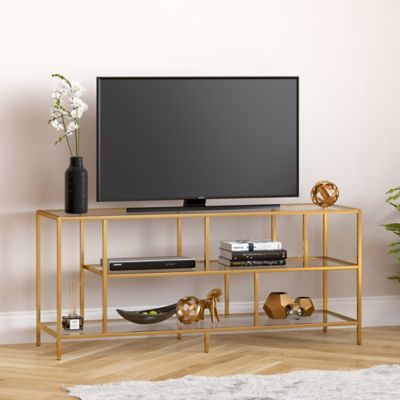
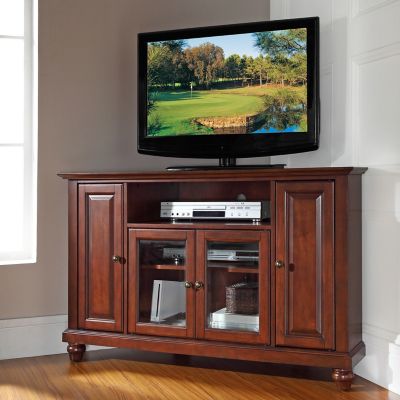
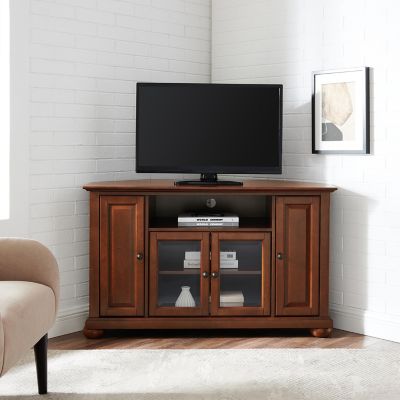
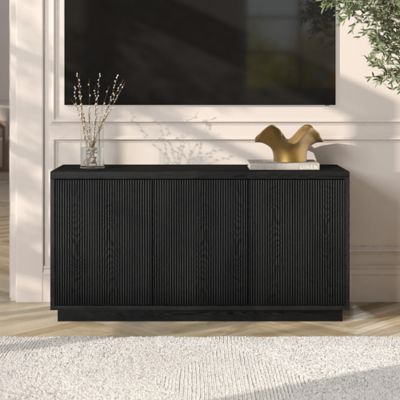
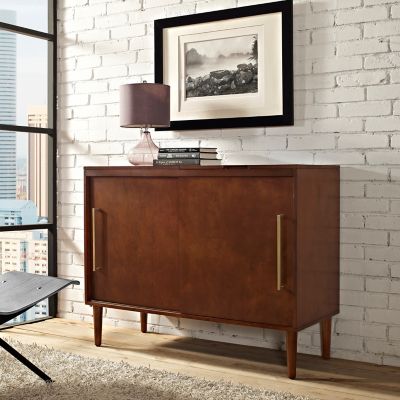
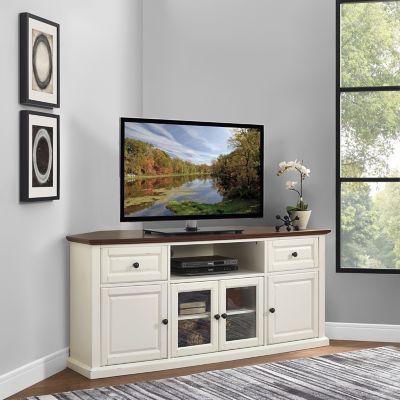
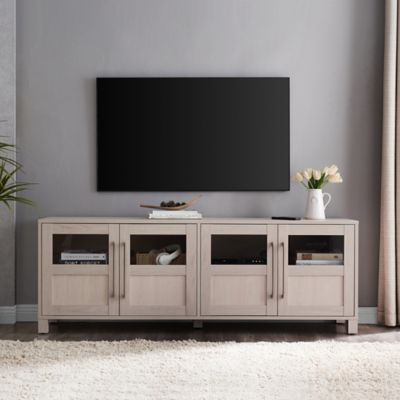
Materials and construction shape how a TV stand looks, how much it can support, and how it handles everyday wear. Solid wood brings visible grain and a substantial furniture feel, while engineered wood can provide broad, even panels with painted, laminated, or wood-veneer surfaces. Those surface treatments call for different care, so the finish matters as much as the material underneath. Metal frames work well with open shelving and simpler room arrangements, though the strength of the joints, shelf supports, and base remains important regardless of appearance. Tempered-glass shelves have a lighter visual presence, but each shelf still has its own load limit, and exposed edges need protection from hard knocks. In a busy household, easy-to-wipe surfaces and fewer tight corners can make cleanup less of a chore. Closed cabinets keep game controllers, spare cables, and movies out of sight, while open shelves make frequently handled equipment easier to reach. Adjustable shelving can accommodate a taller receiver or a game console, provided the compartment leaves the ventilation clearance specified by that equipment’s manufacturer. A cabinet door should not turn an electronics shelf into a sealed box, and rear cable openings do not automatically provide enough airflow on their own. Soundbars generally need an unobstructed position rather than a spot behind a solid door. Storage also works better when it matches the household’s habits: a shallow drawer can keep remotes together, while a lower shelf can hold baskets for small accessories. Sliding doors reduce the space needed in front of the cabinet, although they may block access to one section while another is open. Hinged doors need room to swing clear of nearby furniture. In a narrow room, cabinet depth and door clearance can matter more than an extra shelf, especially beside a recliner or along the path between the couch and the kitchen. Finishes that complement wood floors, painted trim, or simple farmhouse furniture can help the stand feel at home without requiring the rest of the room to change.
For TV stands with integrated mounts, compatibility comes down to the television’s mounting pattern, weight, and the stand’s stated screen-size range. VESA measurements describe the horizontal and vertical spacing between mounting holes on the back of the television, in millimeters; common patterns include 200 by 200 mm and 400 by 400 mm. Matching that pattern is only one part of the fit. The mounting hardware must also suit the television’s specified screw size and depth, with any required spacers installed according to its instructions. A mount’s television weight limit is separate from the load limits for shelves and other parts of the stand, so equipment and accessories need to stay within their respective ratings. Swivel and height-adjustment features can help serve seating spread across a room, but the screen needs clearance throughout its movement without pulling cables tight or striking a wall. A steady installation starts with an even floor, properly assembled joints, and any leveling feet adjusted as directed. Follow the television and furniture manufacturers’ instructions for anchoring or other tip-restraint measures, especially in homes with children or pets. Heavy components belong on shelves rated for their weight, and loose cords should stay clear of walking paths and moving parts. Cable-management openings are useful for separating power leads from connections that need occasional access, such as a game console or streaming device. Leaving a little accessible slack makes equipment changes easier without creating a tangle behind the cabinet. Ongoing care is usually straightforward: remove dust with a soft cloth, wipe spills promptly, and follow the surface-care directions rather than reaching for a strong cleaner. Glass, painted wood, veneer, and metal may require different cleaning products, and moisture should not linger around panel seams. For a first apartment, a family-room refresh, or a practical housewarming gift, a well-matched TV stand earns its space by keeping the screen supported, the equipment accessible, and the room ready for everyday living.