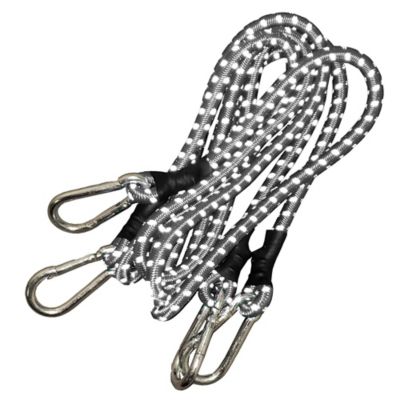
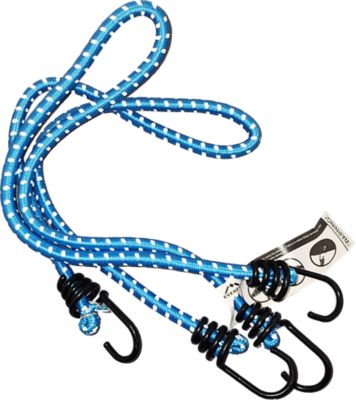
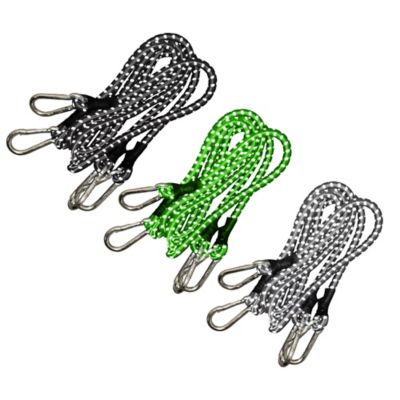
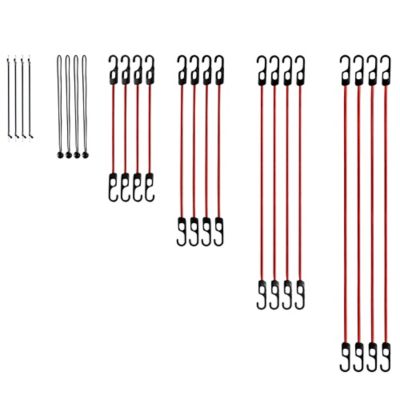
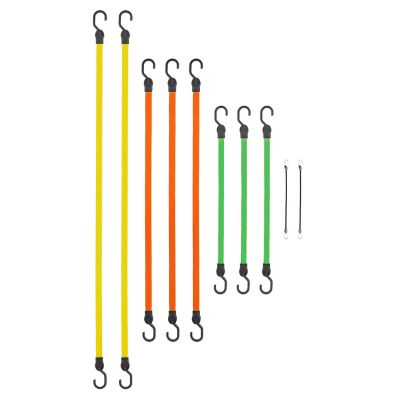
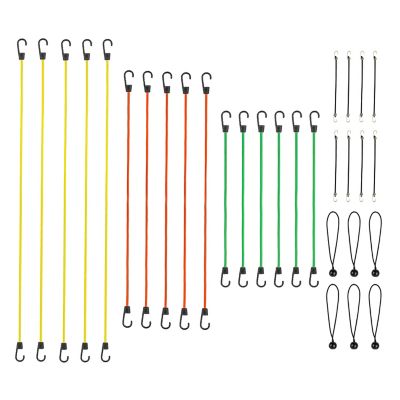
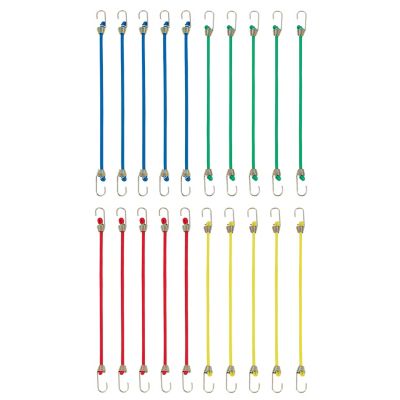
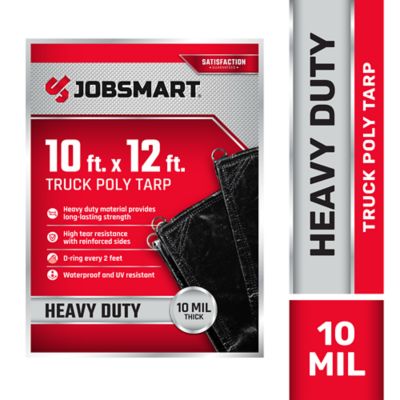
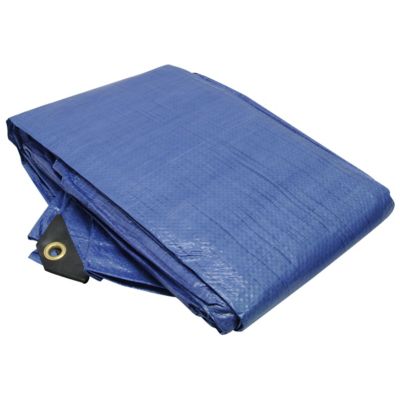
Bungee cords for tarps help hold a cover against a frame, anchor point, or other suitable support while allowing some stretch as the cover moves. The right choice depends on the distance between attachment points, the tarp’s grommet size, the shape of the support, and how much tension the cord is designed to handle. Around a farm, acreage, or busy backyard, those details matter whether the tarp covers a woodpile, shields equipment from dust, or keeps loose debris contained during a cleanup job. A cord that fits a small shelter frame may not reach around a broad stack of lumber, and a long cord can leave too much slack on a compact cover. Tarp size alone does not determine cord length; the gap from each grommet to its anchor point is what matters. Comparing that gap with the cord’s stated resting length and permitted stretch helps narrow the choices without relying on guesswork. Length measurements can also differ by design, so whether hooks are included in the listed measurement is worth checking. A workable fit holds the tarp in place without pulling the fabric tight as a drum or drawing the grommets out of shape. Several well-spaced attachment points can distribute tension more evenly than a few heavily stretched cords, provided the tarp and its supports are designed for that arrangement. For farmers, property owners, campers, and folks keeping equipment covered between jobs, a little flexibility can make fastening a tarp less fussy. That flexibility does not replace solid anchor points, though. Thin trim, loose fence wire, and sharp edges are poor places to take tension. The best match brings together a suitable cover, sound attachment points, and cords that reach comfortably within their stated limits. A tarp that sits close to what it covers also gives loose fabric less room to flap, rub against corners, or catch on nearby tools and equipment.
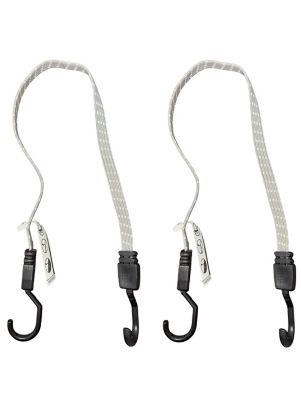
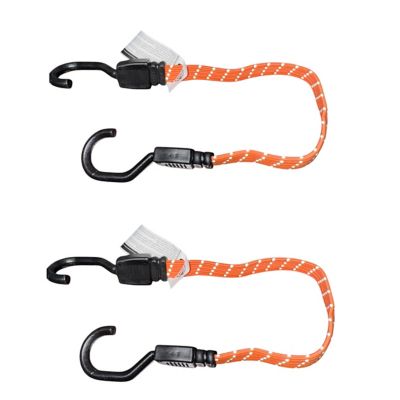
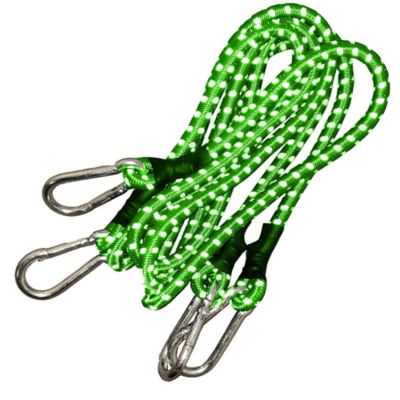
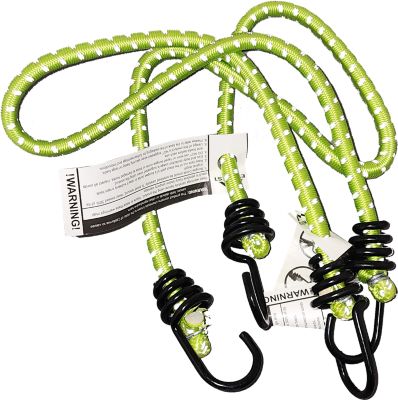
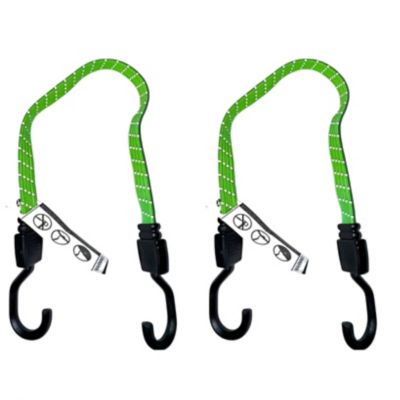
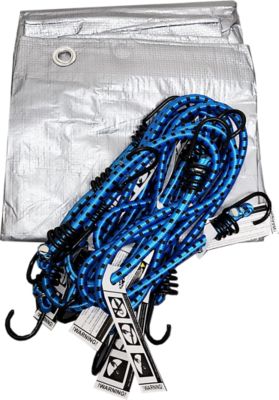
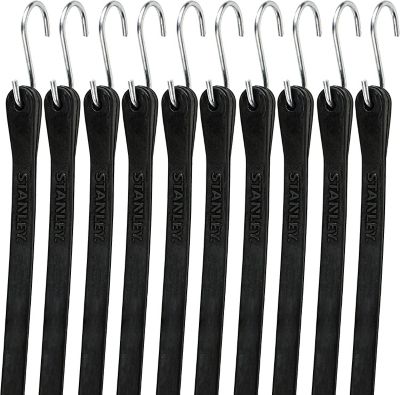
Material and fastening style make a difference in how tarp cords handle daily work. A conventional bungee cord generally has an elastic core inside a woven outer jacket. The core supplies the stretch, while the jacket helps protect it from rubbing and everyday handling. Jacket construction, core material, and the manufacturer’s exposure ratings all deserve attention when cords will spend time outdoors. Rubber tarp straps offer another construction, often with a flat body and separate end hooks rather than a fabric-covered round cord. For outdoor covers exposed to sunlight, moisture, and ozone,
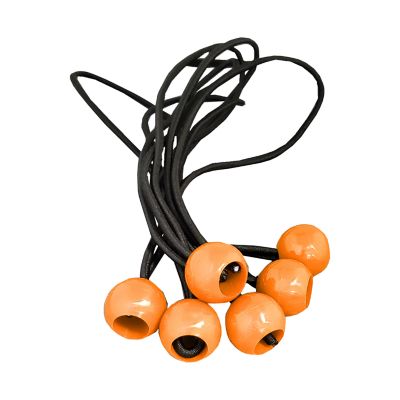
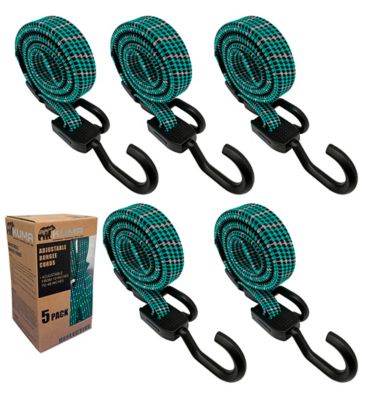
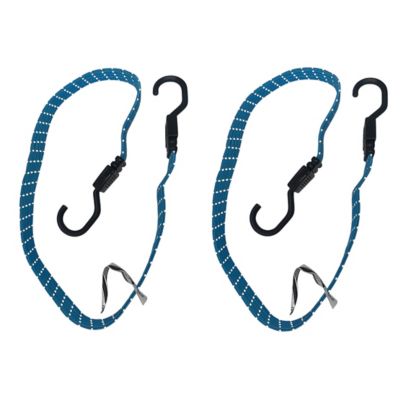
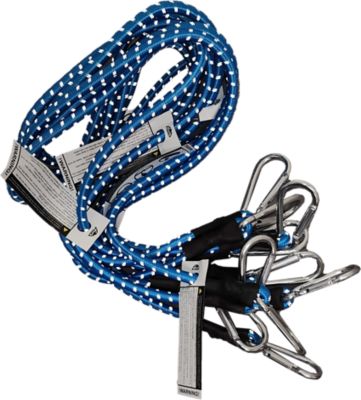
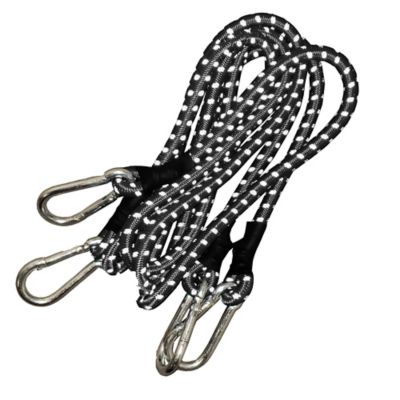
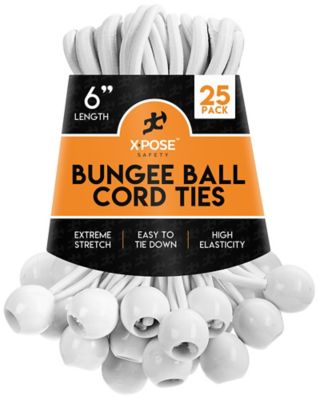
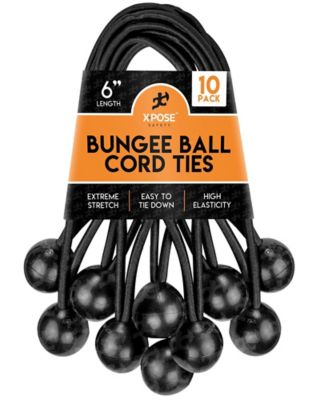
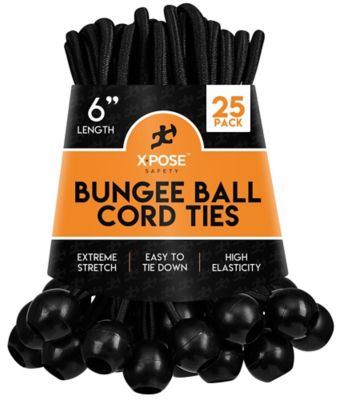
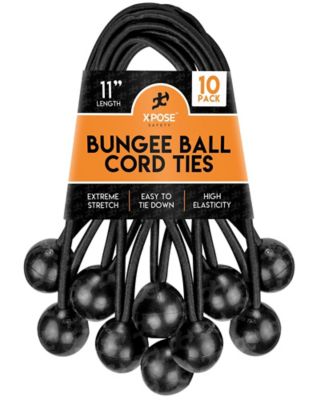
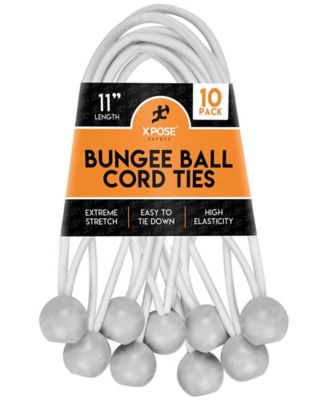
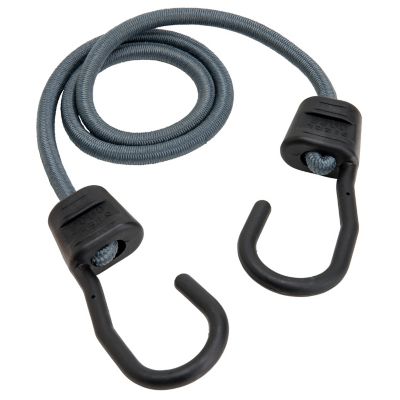
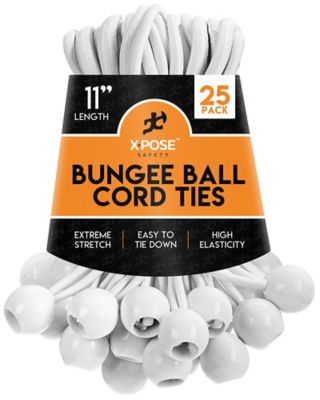
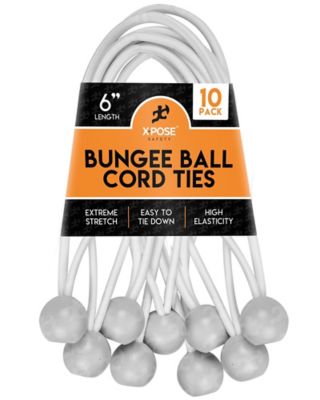
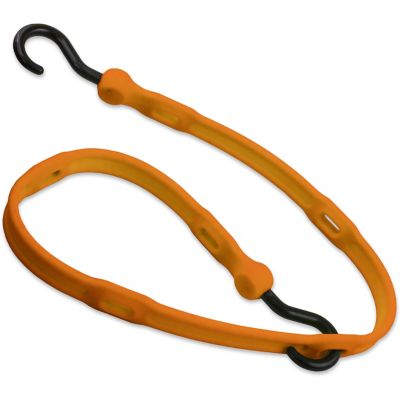
EPDM Rubber Tarp Straps are an option to consider because EPDM rubber resists those conditions. That resistance does not make every strap suitable for every job, and the stated stretch limits still apply. Natural rubber and other elastic materials can have different stretch characteristics and exposure limits, making the material description more useful than appearance alone. End hardware matters just as much as the cord body. Hook openings need enough room to fit the intended attachment point without being forced, and the hook should seat securely rather than balance on its tip. A protective coating can help limit direct metal contact with a finished surface, but it does not eliminate rubbing or guarantee protection against scratches. Ball-end bungee loops offer a different fastening arrangement for compatible grommets and frame tubing, with the elastic loop wrapping around the support and securing over the ball. Their fit depends on both the grommet opening and the size of the support. Larger hooks or thicker cords are not automatically a better match for a lightweight tarp. Hardware that crowds a grommet can put pressure on the surrounding fabric, while an overly thick loop may not pass through the opening at all. Matching the fastening style to the tarp and support keeps the setup practical, whether the job calls for a short loop around a shelter rail or a longer reach to a suitable anchor.
Care and intended use help determine how well bungee cords for tarps hold up around the place. Repeated rubbing across a rough board, rusty edge, or exposed screw can wear through a jacket or damage a rubber strap, even when the cord has plenty of stretch left. Keeping the cord’s path clear of those contact points helps protect both the fastening and the tarp. On an equipment cover, corners and protruding handles deserve particular attention because a cover pulled across them can wear in the same spot every time it moves. Condition matters more than appearance from a distance: cracked rubber, a frayed jacket, exposed core material, bent hooks, or elastic that no longer returns toward its resting length are reasons to take a cord out of service. Dirt and grit can hide wear, so cleaning according to the material’s care directions makes inspection easier. Mild cleaning methods are generally preferable to harsh solvents, and cords should be dry before they are put away. Storage away from direct sunlight, sharp tools, and excessive heat helps limit unnecessary exposure between jobs. A loose coil or an untensioned hanging arrangement also keeps cords from sitting stretched for long periods. Elastic fasteners store energy when extended, and an end that slips free can snap back quickly. Eye protection, fully seated hooks, and keeping faces and bystanders out of the recoil path are important whenever tension is applied or released. Bungee cords are not lifting slings, towing equipment, or a substitute for load-rated cargo restraints. A tarp over a trailer load does not secure the load beneath it; transport calls for appropriate rated tie-downs and compliance with applicable requirements. For everyday covering jobs, the goal is straightforward: enough reach to connect safely, enough tension to manage slack, and hardware that suits the attachment points. Those practical details make it easier to keep covers settled without overworking the fabric or the fasteners.