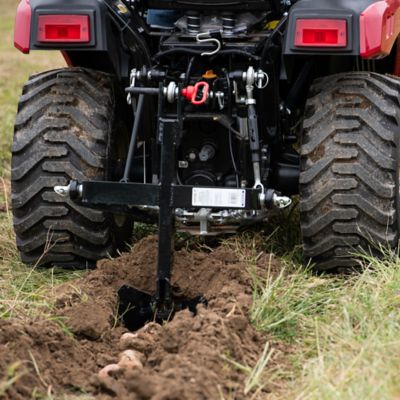
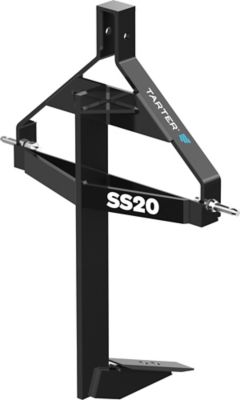
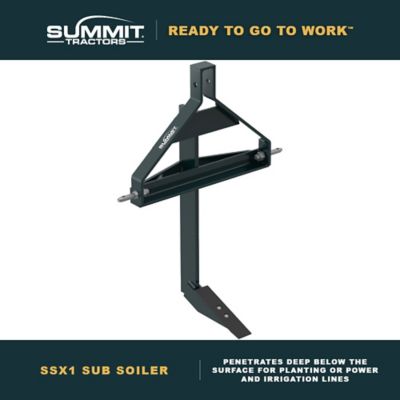
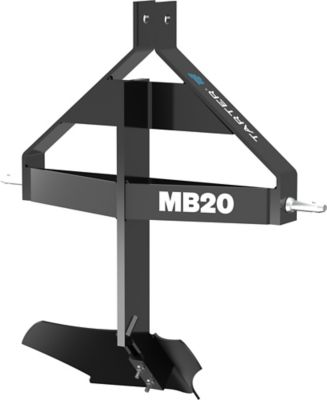
Compacted ground can look workable on top while holding a tight layer just below the reach of ordinary tillage. Tractor subsoilers for compacted soil are built for that deeper work, with a narrow point and heavy shank that penetrate beneath the surface and help fracture restrictive layers. On farms, homesteads, and smaller acreages, these implements can have a place in ground preparation where repeated equipment traffic or past tillage has left soil hard for roots to push through. A vegetable patch with shallow root growth, a field entrance packed by loaded wagons, or a planting area crossed repeatedly by tractor tires can each present a different compaction problem. The right implement depends on where that tight layer sits, how extensive it is, and what the tractor can safely pull. Unlike a plow that turns soil over or a rotary tiller that works the upper layer, a subsoiler generally opens a narrow path while disturbing less of the surface. Fracturing a compacted layer may give roots more room to grow and help water move through the soil profile, though results depend on soil structure and the conditions below the working depth. It is not a cure for every drainage problem, and it cannot make up for poor grading or a persistently high water table. Soil condition matters, too: ground that crumbles and fractures responds differently from ground that smears around the shank. Deep ripping in overly wet soil can create slick channels instead of the broader loosening intended. For growers comparing tractor attachments, that distinction helps set realistic expectations. A subsoiler earns its place where deeper compaction is the issue, rather than simply where the surface looks rough. Matching the working point to the restrictive layer is more useful than choosing the deepest possible reach, especially when conserving traction and limiting unnecessary disturbance are part of the job.
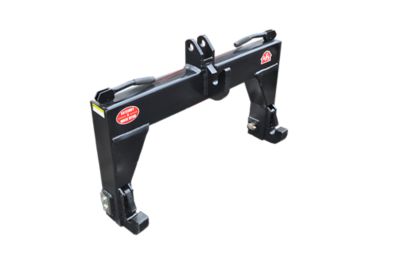
Tractor fit is just as important as the steel going into the ground. Many tractor subsoilers connect to a three-point hitch, but hitch category, pin dimensions, lift capacity, and the implement’s recommended tractor range all need to match the machine. A compact tractor and a larger farm tractor may both have three-point linkage without accepting the same attachment or handling the same draft load. Horsepower alone does not tell the whole story. Tractor weight, tire condition, traction, ballast, soil type, and working depth all affect how steadily a shank can travel through a tight layer. A narrow point still meets substantial resistance when it reaches packed clay or a stubborn tillage pan. Frame clearance also matters, both for reaching the intended depth and for carrying the implement clear of the ground during transport. Heavy steel construction gives the frame and shank the strength needed for demanding ground contact, while the shape of the shank and point influences penetration, soil movement, and pulling effort. Depending on the design, replaceable wear points can make ongoing upkeep more practical as abrasive soil wears away the leading surfaces. Welds, mounting plates, hitch connections, and hardware all deserve attention when comparing construction, since stress travels through the whole attachment rather than stopping at the tip. Where offered, shear-bolt or reset protection provides a response to an obstruction, but the protection system must suit the implement and remain within the manufacturer’s specifications. No protection feature makes buried rocks or hidden obstacles harmless. Clearance around lift arms, stabilizers, tires, and the tractor’s rear components is another practical fit consideration. For a landowner moving between a garden plot and a small field, manageable attachment and transport can matter nearly as much as working depth. The best match is an implement the tractor can lift, carry, and pull within its limits, with enough adjustment to hold the intended working position without forcing the hitch or sacrificing control.
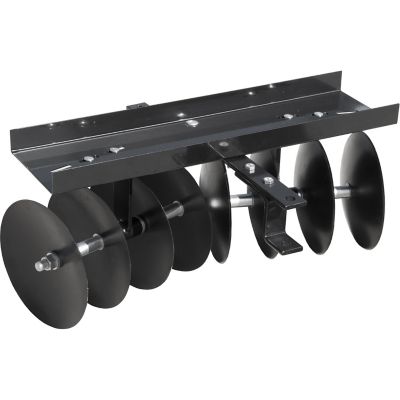
Subsoilers fit into a ground-care lineup alongside other attachments, rather than taking the place of every tillage tool. Their job is below the surface, so a pass may leave a slit, some lifted soil, or uneven ground instead of a fine planting bed. Clods, residue, weeds, and final row preparation may call for different equipment. For shallower cultivation between established rows,
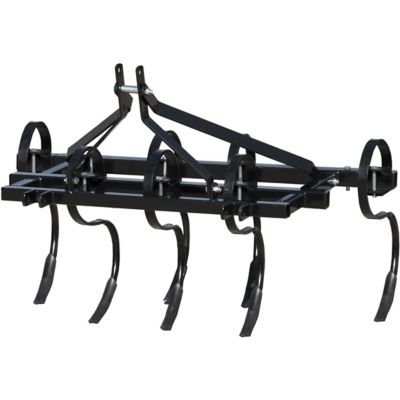
Tractor Cultivators for Garden Rows address a different kind of work, with tools intended to manage the upper soil layer rather than break a deep compacted zone. That difference is worth keeping in mind when putting together attachments for a market garden, family growing plot, or small farm. Deep loosening should serve a clear purpose; repeated passes without evidence of a restrictive layer add tractor traffic and effort without necessarily improving the ground. Keeping heavy traffic in consistent lanes and avoiding unnecessary passes over planting areas can also help protect the structure that remains after loosening. Belowground hazards deserve the same attention as tractor fit. Utility locating through 811, along with separate checks for private irrigation, electrical, water, and other buried lines, belongs in planning for any deep ground engagement. For the attachment itself, straightforward care supports a longer service life. Soil left packed around the shank, mounting points, and hardware can hide wear or damage, while clean surfaces make inspection easier. Worn points, loose fasteners, bent parts, and cracked welds need attention according to the manufacturer’s guidance before the next job. Replacement wear parts and protection hardware must match the implement’s specifications, especially where a shear bolt is designed to fail under excess load. Protected storage and care for exposed metal help limit corrosion between jobs. With a sound tractor match, suitable soil conditions, and attention to wear, a subsoiler can be a practical addition for landowners tackling a confirmed hard layer beneath otherwise workable ground. It is a purpose-built attachment for a demanding job, with its value tied to the right depth, the right ground, and a tractor equipped to handle the pull.