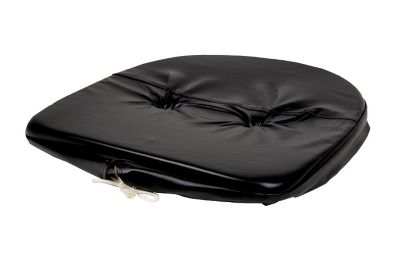
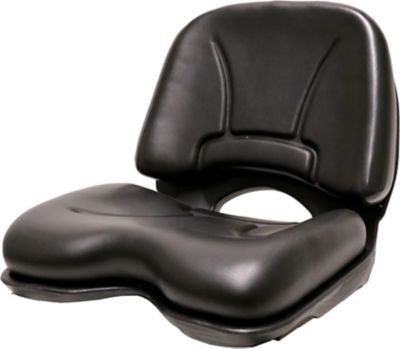
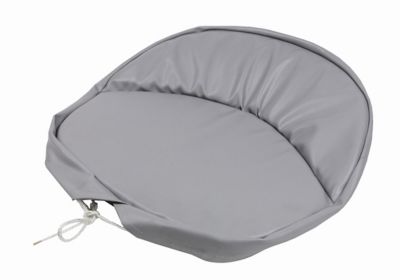
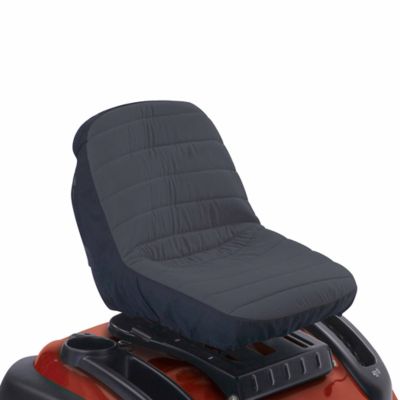
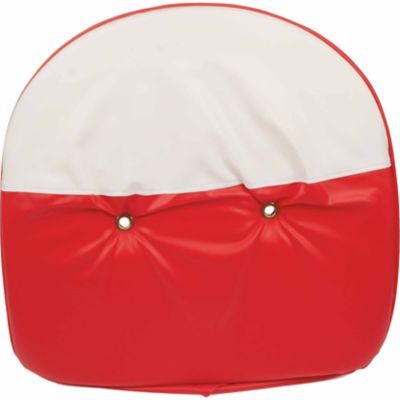
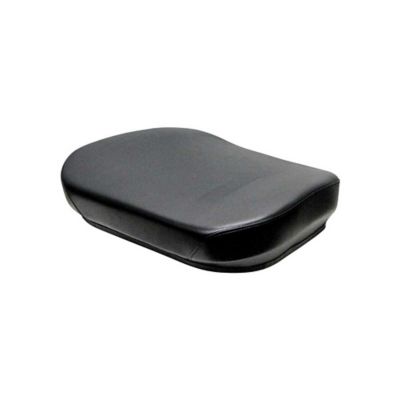
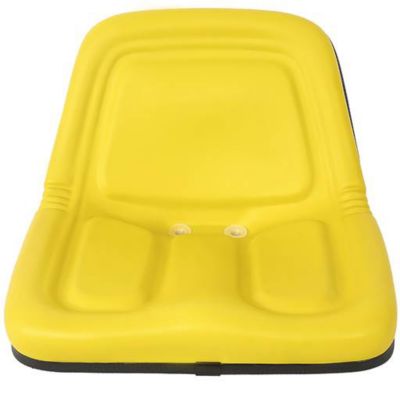
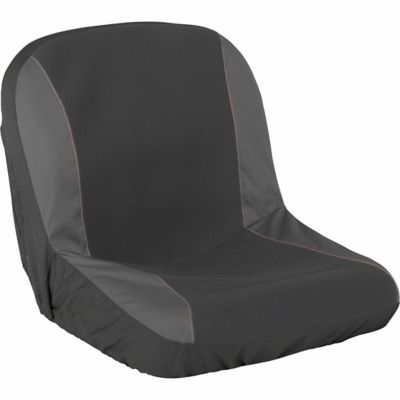
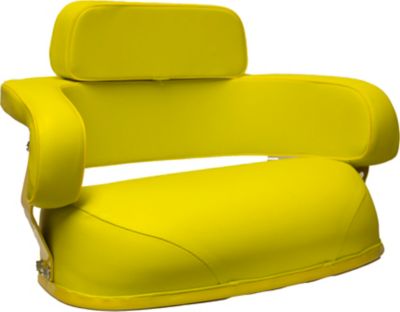
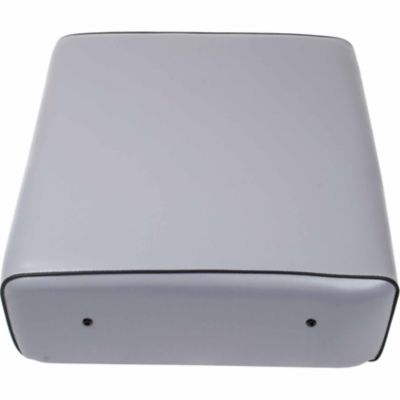
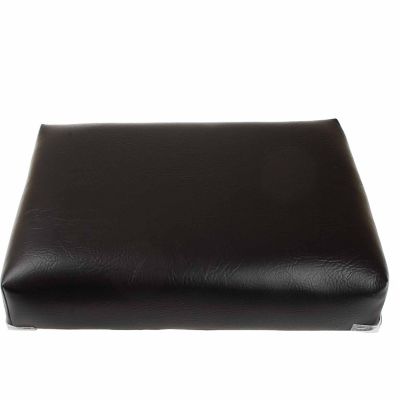
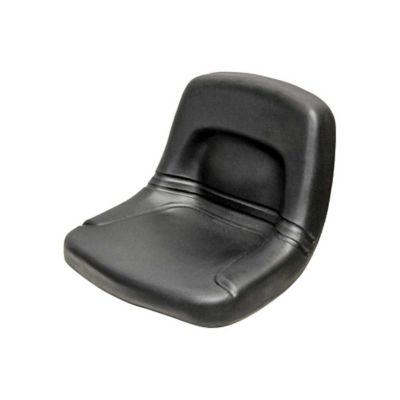
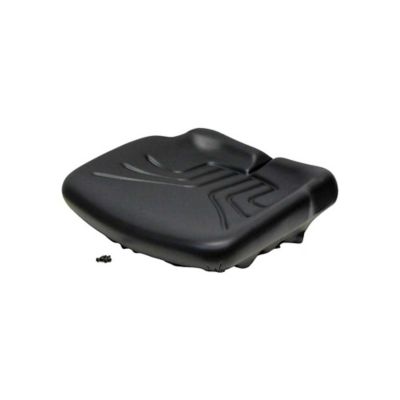
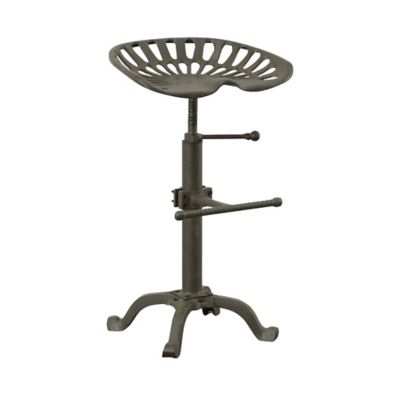
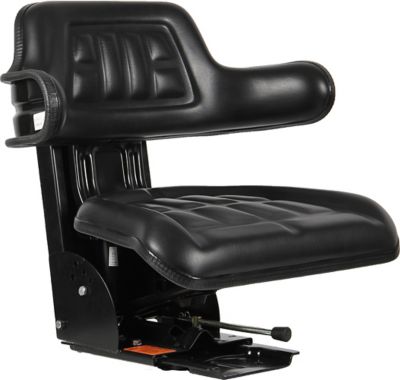
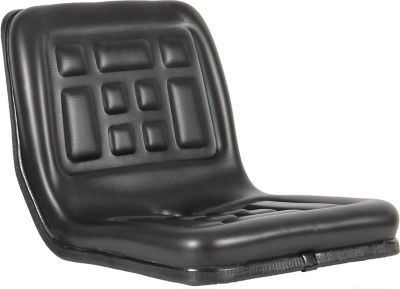
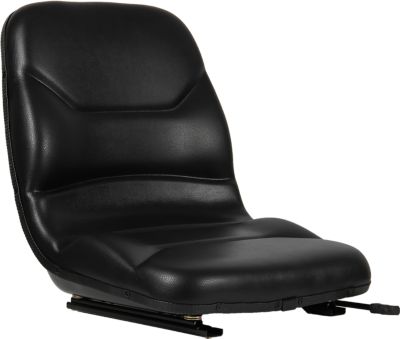
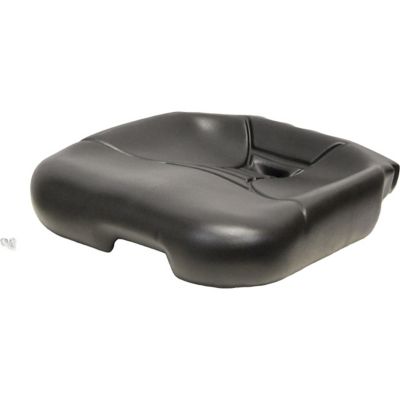
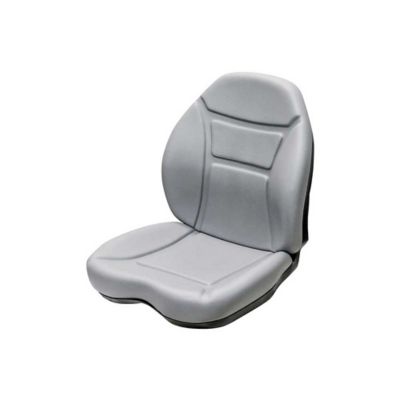
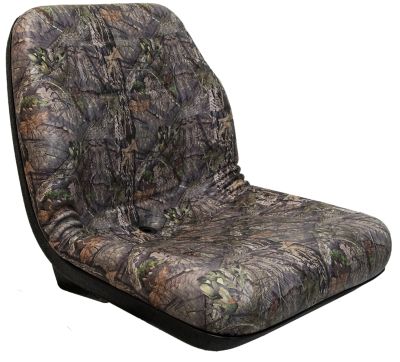
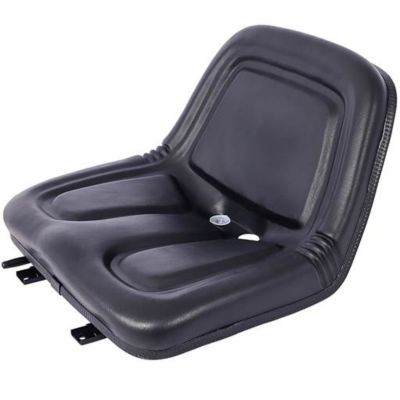
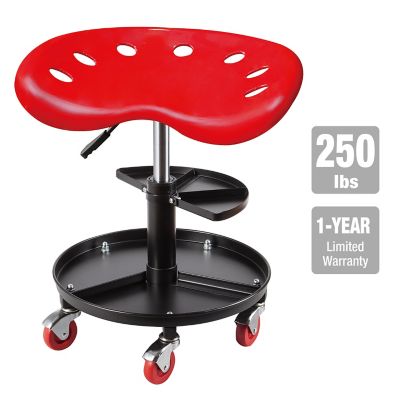
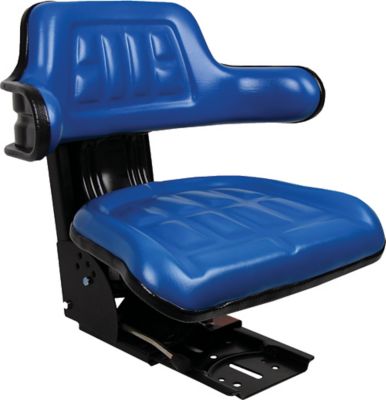
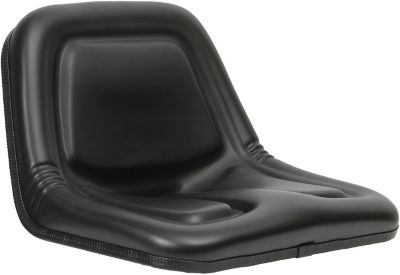
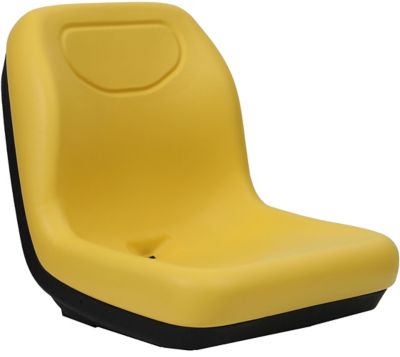
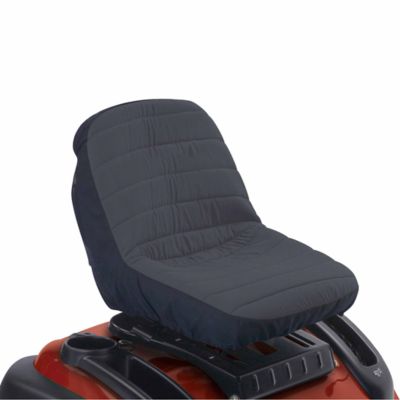
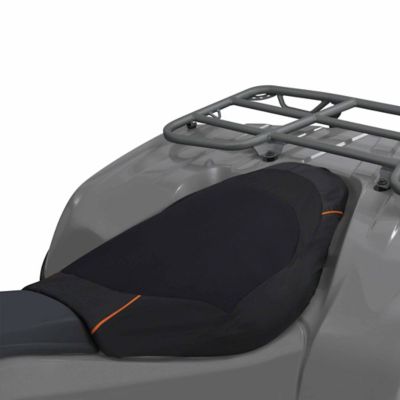
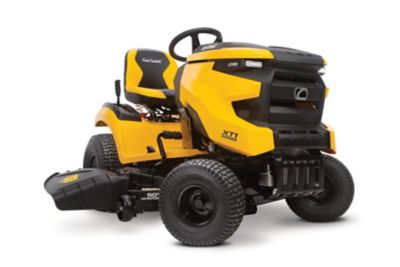
Tractor seat cushions can make a long day behind the wheel a whole lot easier, whether you are mowing a few acres, hauling feed, clearing brush, tending livestock or working through a full schedule of field chores. A basic cushion adds a layer of padding between you and a hard metal or worn seat pan, helping reduce pressure on your back, hips and legs while giving an older seat a little more life. Universal slip-on pads are often made with foam, gel or layered cushioning and attach with straps, ties or a nonslip bottom. They are a handy choice for utility tractors, riding mowers, compact equipment and other machines where you want a quick comfort upgrade without taking the seat apart. Replacement cushion kits are a more permanent option when the original upholstery has cracked, flattened or disappeared altogether. These sets may include a seat bottom, backrest or both, and some are built with steel or molded backing for a closer fit to a factory seat frame. Before choosing, check the tractor’s make, model, seat style and mounting pattern, then measure the seat pan from side to side and front to back. A cushion that looks close in a photo may not sit correctly if the corners, bolt holes or backrest angle are different. For older equipment, the model number and a few clear measurements are often more useful than guessing by appearance.
The material matters just as much as the shape. Heavy-duty vinyl is a practical choice for farm equipment because it wipes clean after dusty work, muddy boots or a leaky bale of feed, and weather-resistant covers can stand up to occasional moisture when the tractor is parked outside. Breathable fabric can feel more comfortable during warm work, especially when you spend hours seated and moving between slow passes across a pasture, but it may need more care if it is exposed to rain, manure or wet clothing. High-density foam helps keep a cushion from flattening quickly, while gel layers can provide a softer feel and help spread weight across the seat. Look for reinforced seams, durable straps and a bottom surface that will not slide around every time you climb aboard. If the tractor has suspension or a seat that swivels, make sure the added cushion does not interfere with the seat’s movement, safety switch or operating controls. A thick pad can also change your seating height, which may affect your reach to the steering wheel, pedals and levers. For equipment that sees rough ground, a secure fit is especially important; a loose cushion can shift when the tractor drops into a rut or crosses a washout. Keeping a spare cover, checking fasteners and brushing off grit before it works into the upholstery can help a seat cushion last longer. For covered porches, outdoor work areas or other seating that needs similar protection,
Weather Resistant Outdoor Seat Cushions can offer useful material and care considerations.
Tractor seat cushions are useful for more than full-time farmers. Homesteaders, acreage owners, landscapers, grounds crews, hunting property managers and anyone who spends time on compact equipment can appreciate a little extra support during the cooler months, when routine chores often take longer and heavy layers make a hard seat feel even less forgiving. They can also make a thoughtful gift for a parent, grandparent, neighbor or farmhand who takes pride in keeping an older tractor working. A simple universal pad is a sensible gift when you do not know the exact machine, while a fitted replacement set is better suited to someone who can provide the tractor details and measurements. For a restoration project, matching the cushion style to the age and appearance of the equipment can help bring a weathered seat back together with the rest of the machine. For everyday use, focus less on looks alone and more on how the cushion will be stored, cleaned and secured. A tractor that lives under a roof may be well served by a fabric-covered pad, while equipment that sits near a feed lot or out in the elements may call for sealed vinyl and water-resistant construction. During wet weather, let the cushion dry before covering the tractor so moisture does not get trapped underneath, and inspect the seat pan for rust or sharp edges that could damage the new padding. With the right fit and a sturdy cover, a tractor seat cushion can turn a stiff, jarring ride into a more comfortable place to settle in, keep an eye on the rows and finish the work at hand.