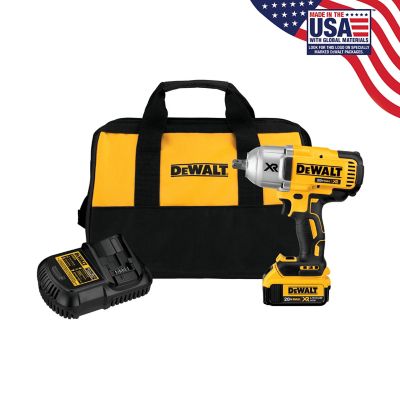
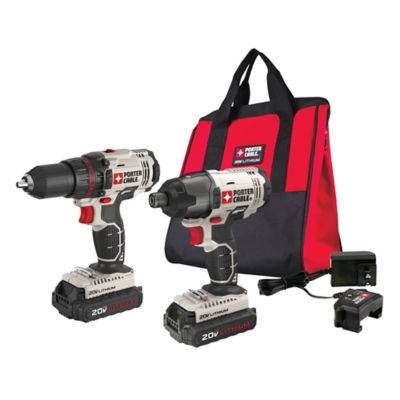
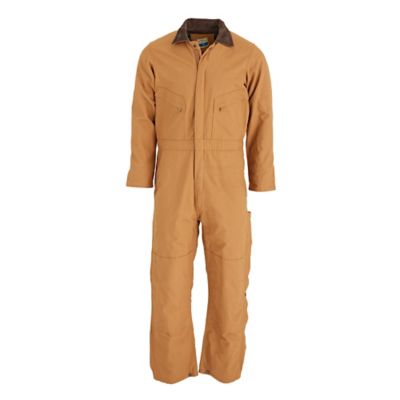
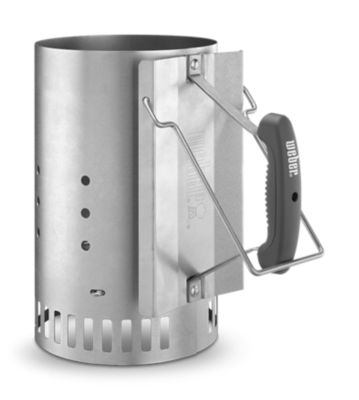
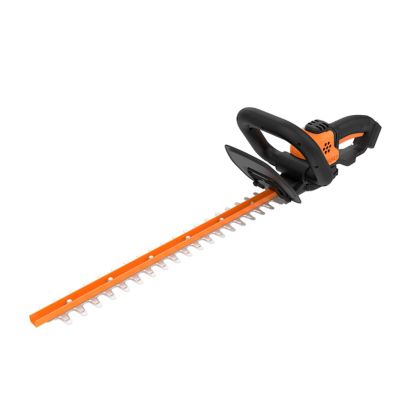
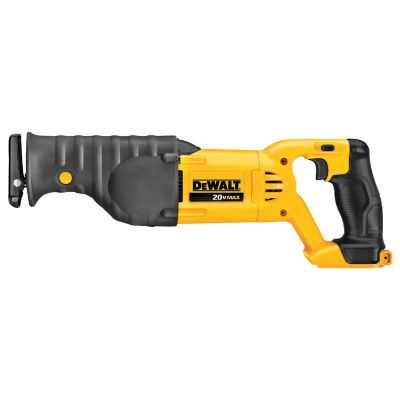
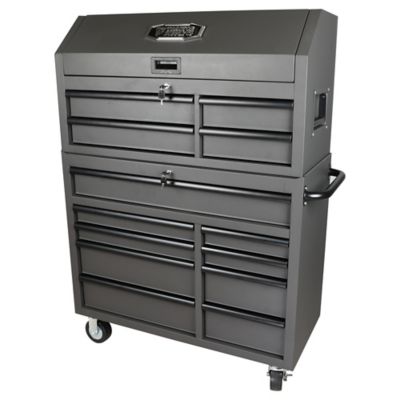
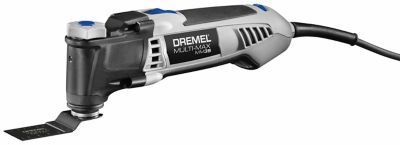
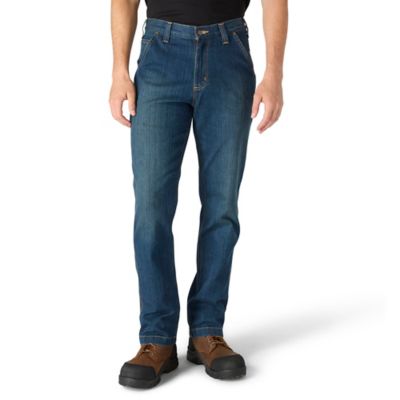
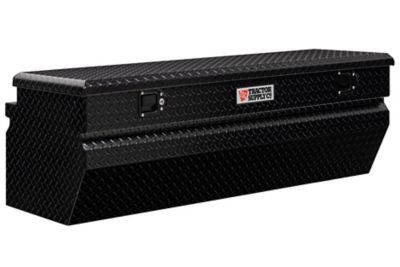
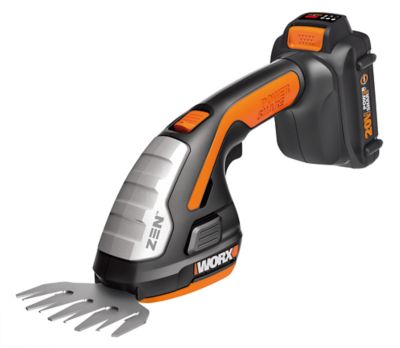
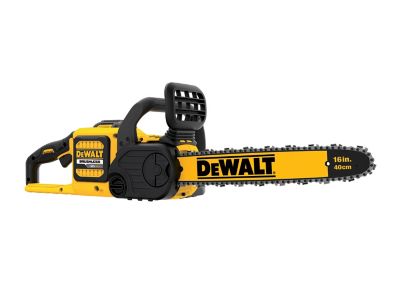
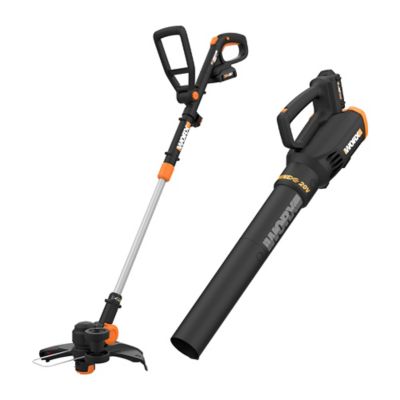
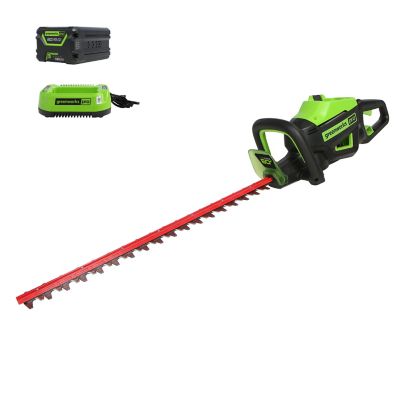
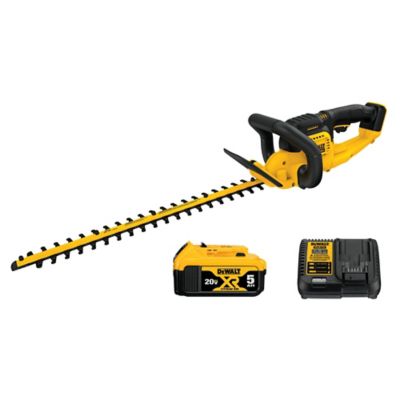
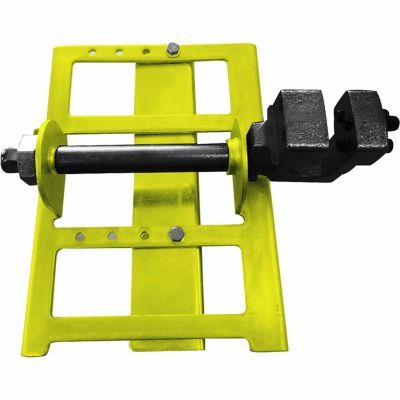
Tools for dads make thoughtful gifts when they fit the work Dad enjoys and the jobs that land on his bench. For one dad, that means keeping the place running, from tightening a loose gate hinge to fixing a wobbly chair. For another, it means spending a few quiet hours in the shop, building something that will earn its keep around the house or barn. The best tool gifts for dads match those routines rather than simply adding more pieces to a crowded drawer. Hand tools bring control to fastening, gripping, and adjustment work, while power tools help with repeated tasks and jobs that call for more speed or force. Measuring and layout tools support careful work before the first cut, and tool storage keeps the whole setup easier to manage. These categories serve different purposes, so a well-rounded collection is about covering real tasks, not having the biggest count. A dad who handles small household repairs may appreciate comfortable, straightforward equipment that stays close at hand. Someone maintaining acreage or working on machinery may need greater working capacity, access in tight spaces, or equipment that travels well between the shop and the job. For dads just getting their own workspace together, versatile tools can form the foundation for years of repairs and projects. For an experienced craftsman, the better gift may fill a particular gap or replace something that no longer feels right in his hand. Familiarity matters, too: the tools Dad reaches for most often say plenty about what belongs in his collection. Tools for dads can mark Father’s Day, a birthday, retirement, or a simple thank-you for lending a hand. When his favorite projects also happen beside the grill,
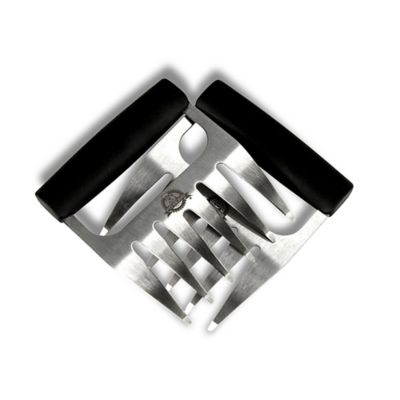
Father's Day Grilling Tools brings that same practical gift-giving approach to outdoor cooking. Either way, a useful gift feels personal because it suits the way he spends his time.
Materials, construction, and fit make a difference long after the wrapping comes off. Many hand tools feature steel working parts, with alloy selection and heat treatment helping determine how well those parts handle force and resist wear. A hard working edge serves a different purpose from a body that needs toughness under load, so material claims make the most sense alongside the tool’s intended task. Protective finishes can help limit corrosion, but they do not take the place of proper care. Handles may combine metal, molded materials, or cushioned gripping surfaces, each affecting feel, control, and cleanup. A comfortable grip gives the hand enough room without forcing the fingers too far apart, and surfaces should stay manageable during the kind of work Dad normally does. Someone who regularly wears work gloves needs room around controls and handles; someone making small adjustments may care more about a slim profile and a clear view of the work. Weight and balance deserve just as much attention as size. Extra heft can feel steady on a bench yet become tiring when a job stretches overhead or requires reaching into a cramped corner. Longer handles may offer more leverage, but only within the equipment’s intended operating limits and where there is room to move safely. Fit also means matching the work itself, including the correct measurement system, working range, and connection size. A close fit at a fastener helps maintain contact and reduces the chance of slipping or damaging its edges. For powered equipment, useful considerations include control placement, speed adjustment, vibration, and whether its capacity suits the materials Dad handles. More power is not automatically a better fit for a small repair. Equipment that feels manageable and responds predictably can matter more than impressive numbers, especially when the work calls for patience. Clear operating instructions and task-appropriate eye, hearing, and respiratory protection belong alongside any tool setup.
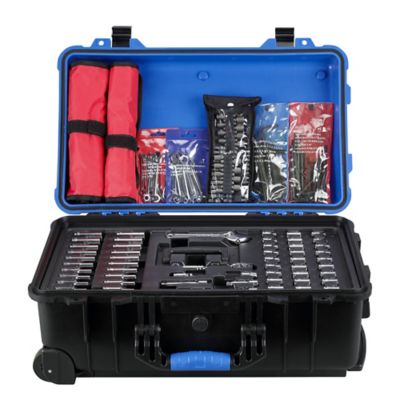
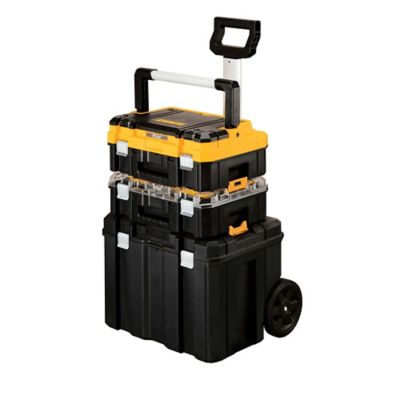
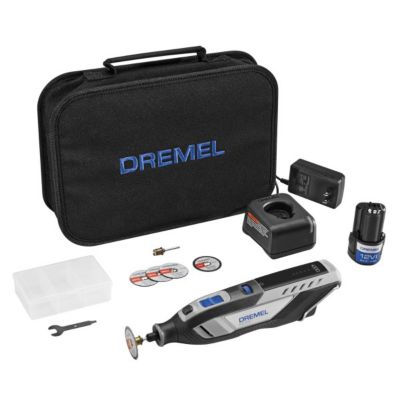
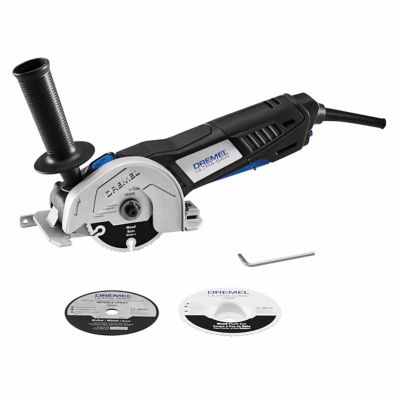
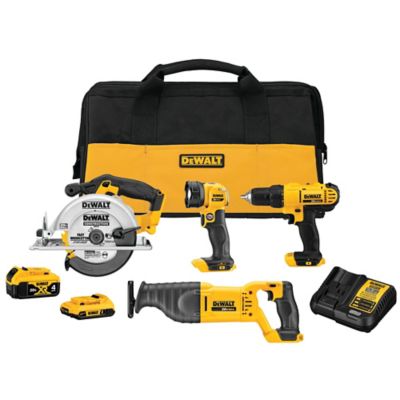
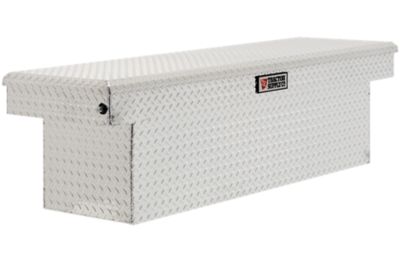
A tool collection works best when its pieces fit together, both on the job and back in the shop. Cordless equipment offers freedom of movement around a property, while corded equipment can suit a fixed workspace with a suitable electrical connection. With battery-powered tools, compatibility is a practical gift consideration: batteries and chargers must match the system specified by the manufacturer, and a similar appearance or voltage label does not establish that match. Battery weight also changes how equipment feels during longer stretches of work. Accessories need the right connection, dimensions, speed rating, and material application, whether the task involves shaping wood or working with metal. Those details help distinguish a gift Dad can put to work from one that needs another round of planning. Storage deserves the same attention. A setup that stays by the workbench can prioritize visibility and easy access, while one that rides between buildings needs secure closures, manageable carrying weight, and compartments that keep working edges from knocking together. There is real value in opening a case and finding the right piece without emptying everything onto the tailgate. Clear size markings and sensible organization also make cleanup easier when a repair is finished and there are still chores waiting. Keeping tools in good working shape usually starts with removing dust and debris, wiping away moisture, and following the manufacturer’s directions for lubrication and storage. Gripping surfaces should remain free of oil, and cords, housings, handles, and attachments need regular checks for damage. Cutting edges and moving parts may require additional care specific to their design. Equipment should be disconnected from its power source as directed before cleaning or changing attachments, and damaged tools belong out of service until properly addressed. For the dad who takes pride in looking after his place, these everyday details matter. The right tools support that care with a comfortable fit, suitable working capacity, and a place in the routine, ready for the next loose hinge, shop project, or helping hand a neighbor needs.