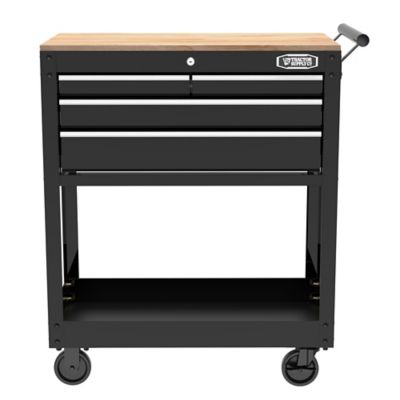
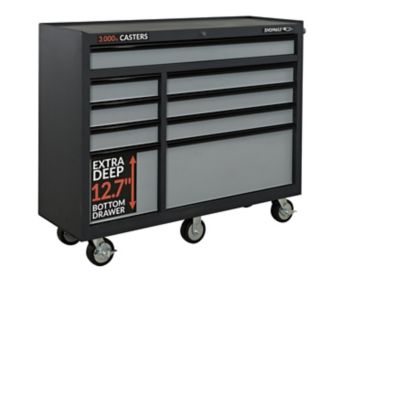
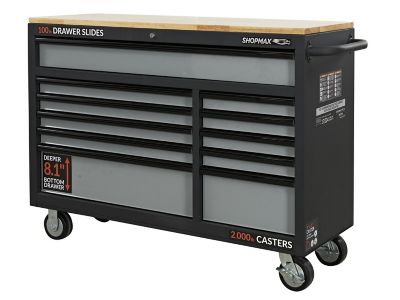
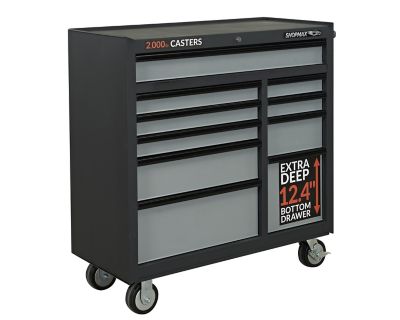
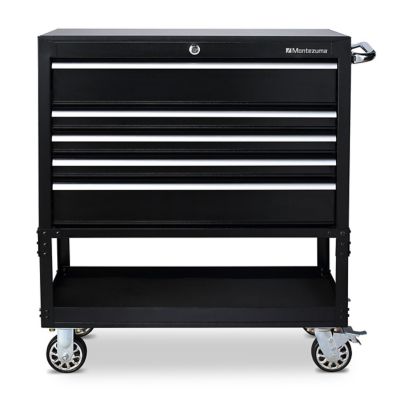
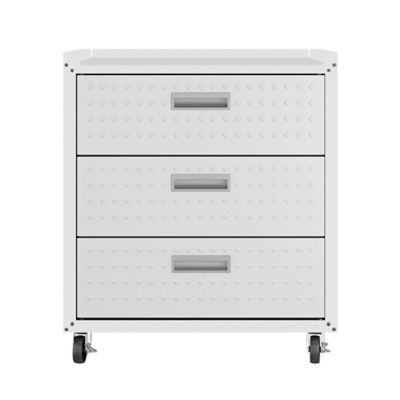
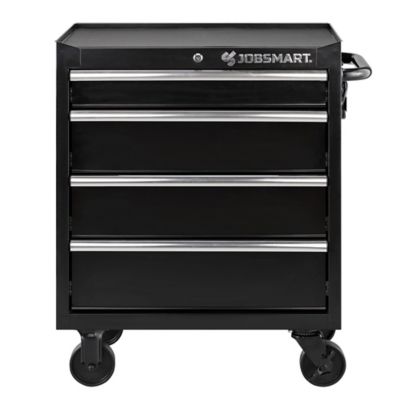
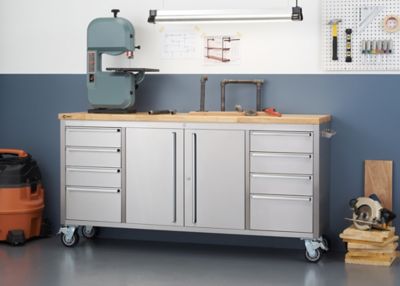
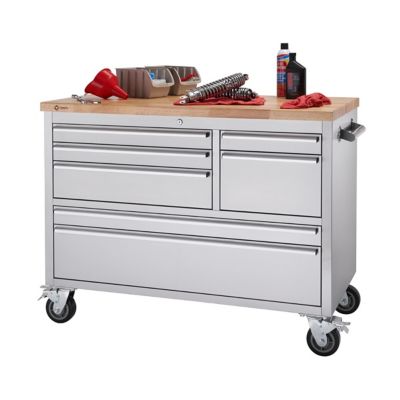
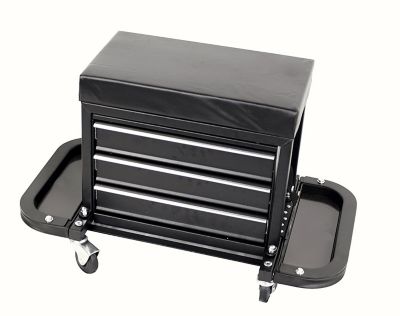
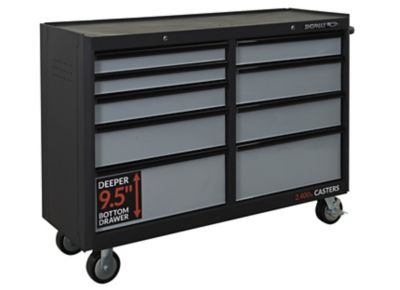
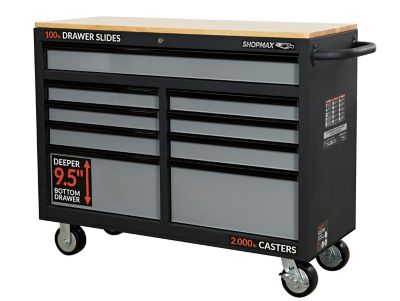
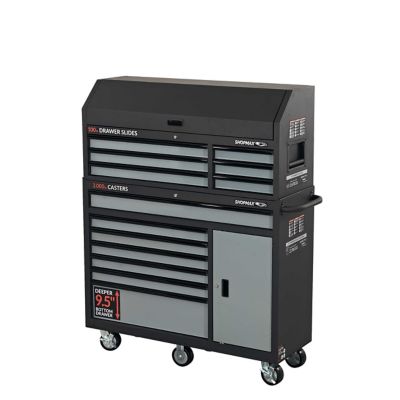
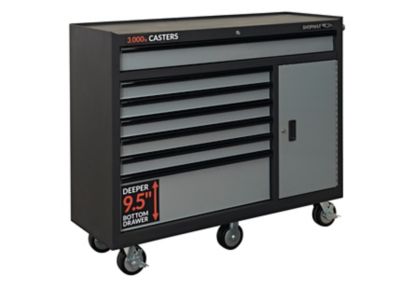
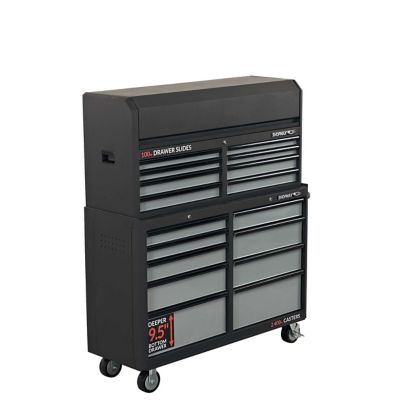
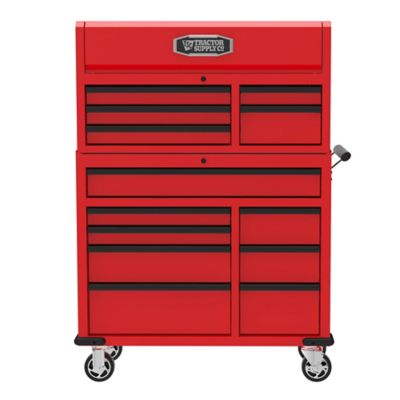
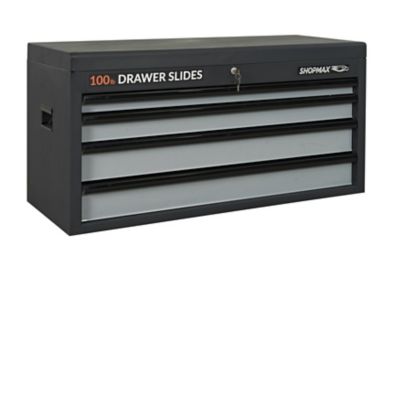
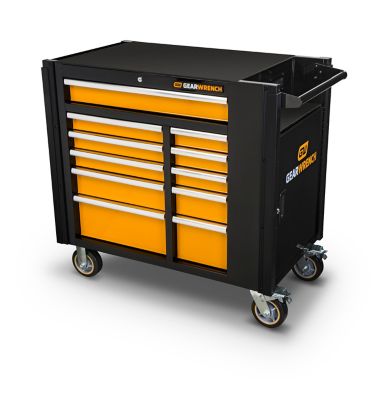
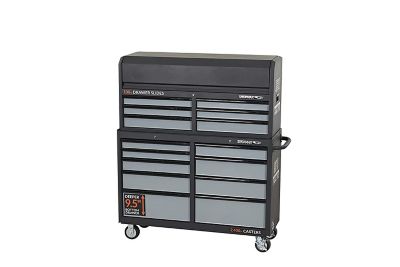
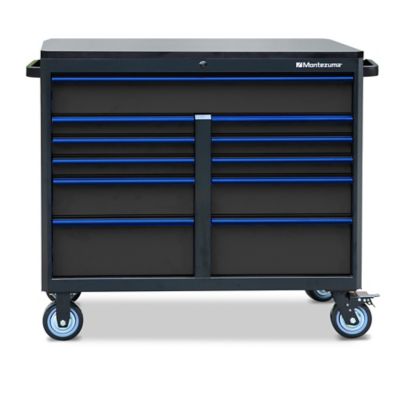
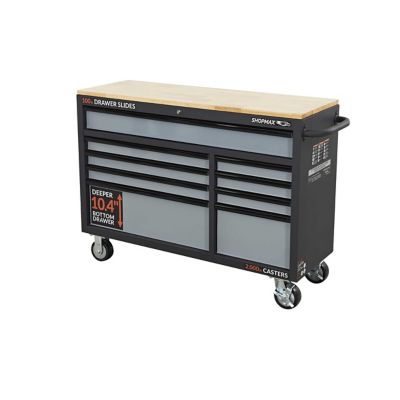
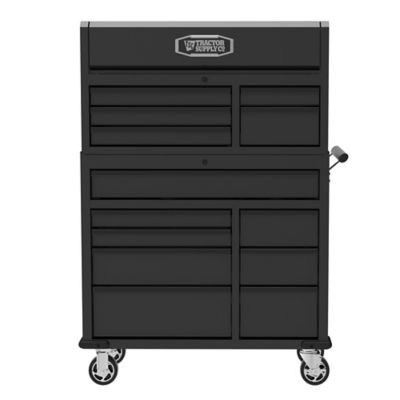
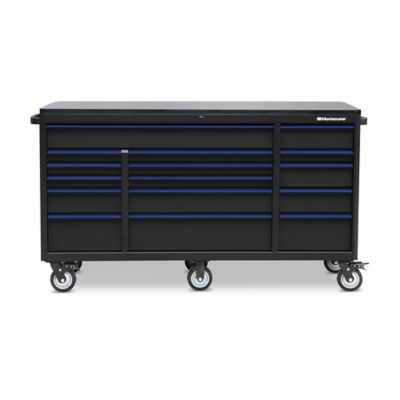
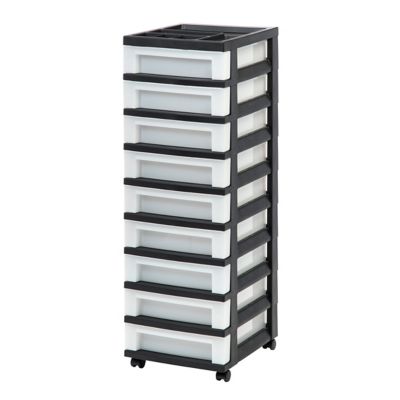
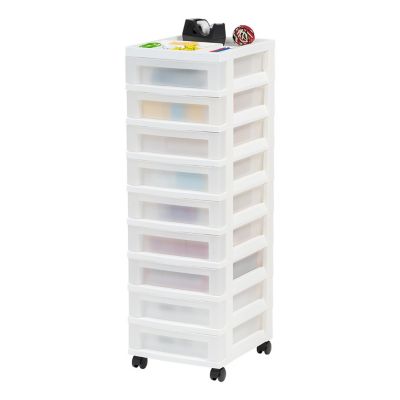
Tool carts with drawers bring order to the work that happens between the bench, the tractor and the pickup parked in the shop. Instead of carrying a handful of wrenches across the floor or digging through a deep box for one socket, a drawer cart keeps everyday tools separated and close to the job. That makes these carts a practical fit for home garages, farm repair spaces, equipment sheds and maintenance bays where the work rarely stays in one spot. Shallow drawers give sockets, combination wrenches and measuring tools room to lie flat, while deeper drawers can accommodate larger hand tools and some power tools, depending on their dimensions. The top provides a convenient landing place for a parts tray, a service manual or the fasteners coming off an assembly. Some layouts combine enclosed drawers with an open lower shelf, leaving space for a carrying case or supplies that do not need their own compartment. Others devote more of the cabinet to drawers, which can suit a growing collection of smaller tools. The right balance comes down to what goes along on a typical repair. Someone working on mower decks may want room for larger sockets and long-handled tools, while someone handling small engine repairs may appreciate more shallow storage for pliers, drivers and test equipment. A cart can also serve as a dedicated station for one kind of work, keeping electrical tools apart from greasy repair tools or holding the supplies for routine equipment maintenance. For a person setting up a first serious garage workspace, or a family member who spends weekends fixing machinery, drawer storage can make a thoughtful gift when the footprint and capacity match the space. The appeal is straightforward: less digging, fewer trips back to the bench and a clear place to put things away when the job is finished. Even in a modest shop, that sense of order can make the next repair easier to get started.
Materials and construction matter because a tool cart carries concentrated weight, not just clutter. Steel cabinets are common in this category, and their strength depends on the whole assembly, including the frame, drawer supports, joints and caster mounts. A painted or powder-coated finish helps protect the metal, though scratches and chipped edges still deserve attention. Drawer slides influence how storage feels day after day, especially once sockets, ratchets and other heavy tools fill the compartments. Ball-bearing slides can provide smooth movement, while full-extension designs bring the back of the drawer farther into reach. Load ratings deserve a close look at both the drawer level and the total cart level; a roomy drawer is not permission to load it beyond its stated limit. Tool weight can add up fast, particularly with larger sockets and multiple sets of wrenches. Drawer depth, width and usable interior height also matter more than the cabinet’s outside measurements alone. A long torque wrench may need a wider compartment, and a power tool in its carrying case may require more clearance than expected. Removable liners help cushion tools and limit sliding, while dividers and trays can keep small parts from drifting into a mixed pile. Handles, locks and drawer retention features shape everyday use, too. A comfortable push handle should leave enough knuckle room, and drawers that stay closed during movement help keep the cart manageable. A lock can control casual access to stored tools, but it does not replace secure shop storage. For spaces that need a more enclosed rolling cabinet layout, a
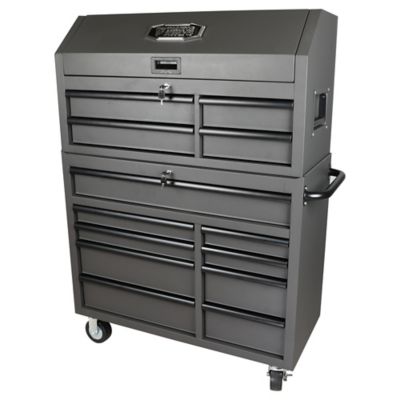
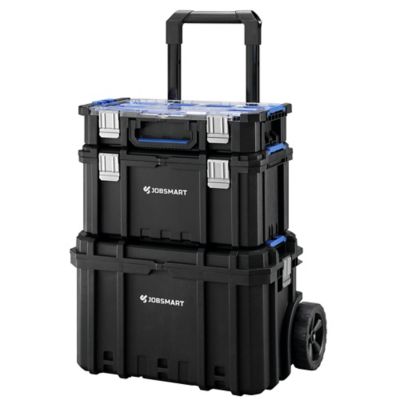
Tool Chest With Wheels is another storage option to consider alongside a drawer cart. The useful comparison is how each layout fits the tools, the floor space and the way work moves around the shop, rather than how much empty storage it offers on paper. Enough room to separate tools is helpful; more cabinet than the aisle can handle is not.
A rolling tool cart needs to fit the route as well as the parking spot. Overall width includes anything that projects from the cabinet, such as side handles, and those few extra inches can matter between a workbench and a parked piece of equipment. Height affects whether the top sits at a comfortable reach and whether the cart can tuck beneath a bench when the design allows it. Casters play a big part in how easily a loaded cart travels. Wheel diameter, tread material and load rating influence movement across concrete joints and small floor irregularities, while a mix of swivel and fixed casters can balance steering with straight tracking. A cart intended for a smooth shop floor is not automatically suited to gravel, rough ground or steep slopes. Wheel brakes help hold the cart in its working position, but a level surface and sensible loading remain important. Heavier tools belong low in the cabinet, and opening one drawer at a time helps reduce the chance of tipping. Closing drawers before moving the cart keeps tools contained and avoids an unexpected shift in balance. The top should stay within its stated weight rating, and it should not serve as a seat, step or hammering surface unless the manufacturer specifically permits that use. Routine care is simple but worth keeping up with. Wiping away grease, removing metal shavings and lifting liners to clear trapped grit help protect both the drawer interiors and the tools resting inside. Spills should come out promptly, with cleaning products chosen to suit the finish. Caster hardware, drawer pulls and slide attachments benefit from periodic checks, and moving parts should receive only the maintenance called for by the manufacturer. Keeping cords, loose hardware and shop rags out of the wheel path also makes moving a loaded cart less of a chore. With storage arranged around real tasks and a little attention between jobs, tool carts with drawers can give a busy repair space a steadier rhythm, from laying out the first wrench to putting the last socket back in its place.