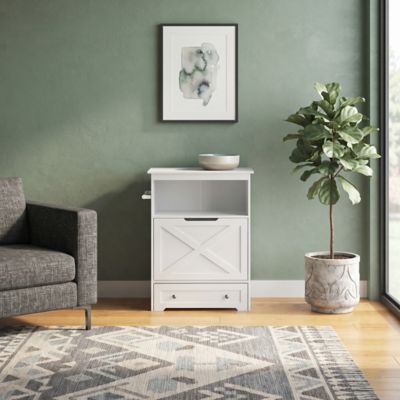
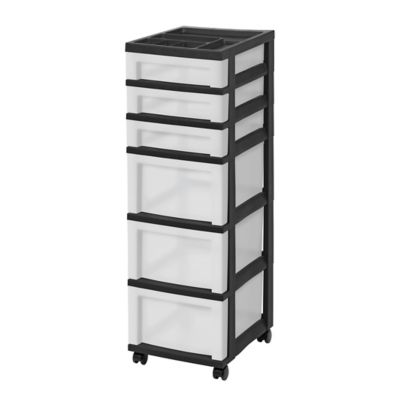
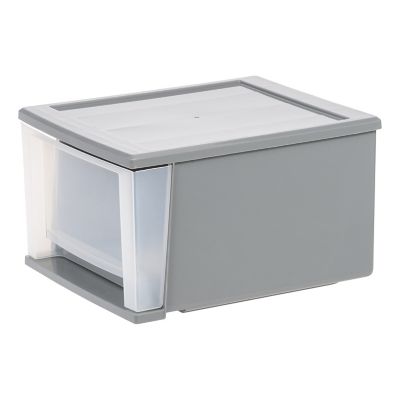
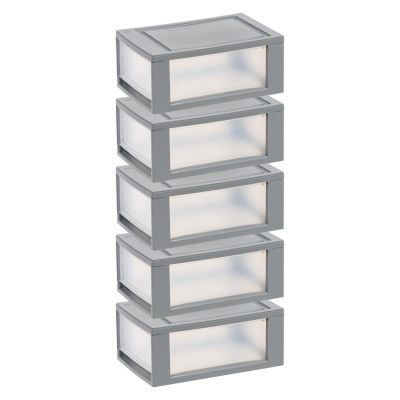
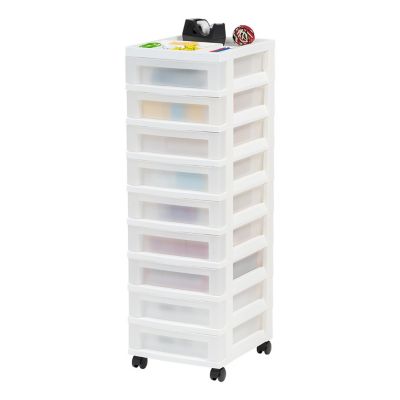
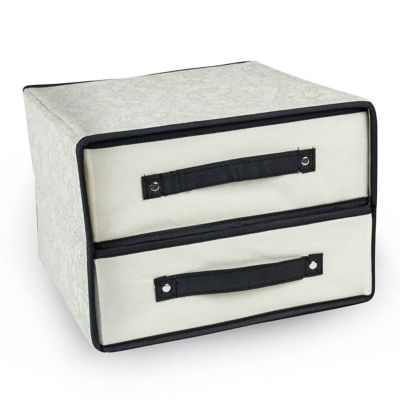
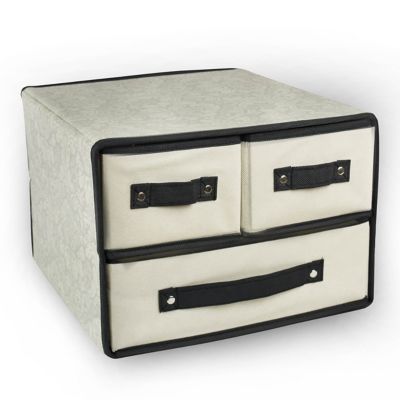
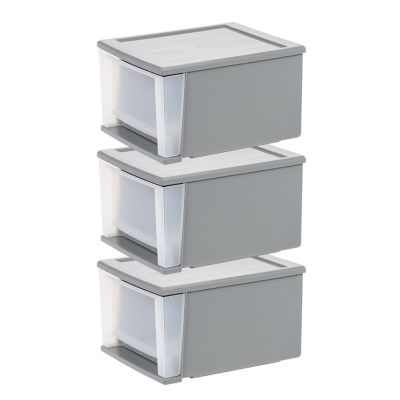
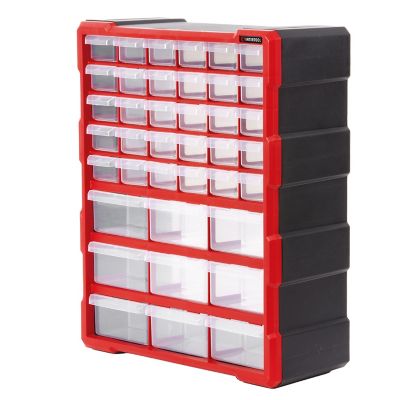
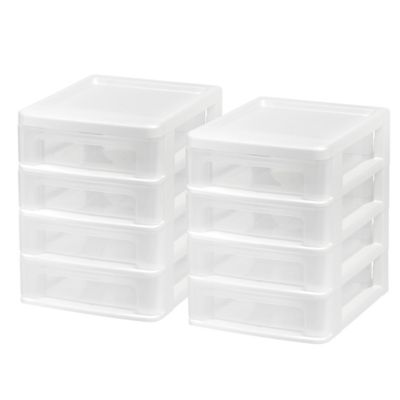
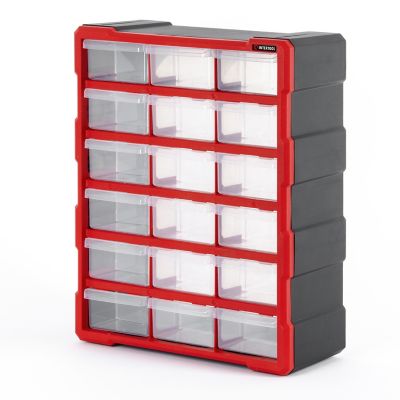
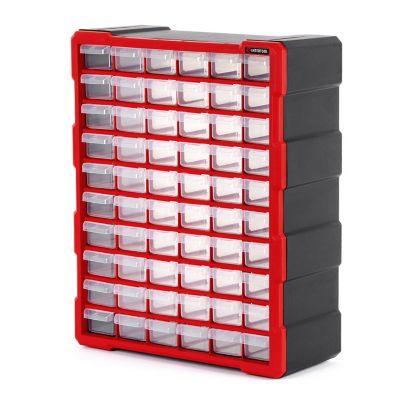
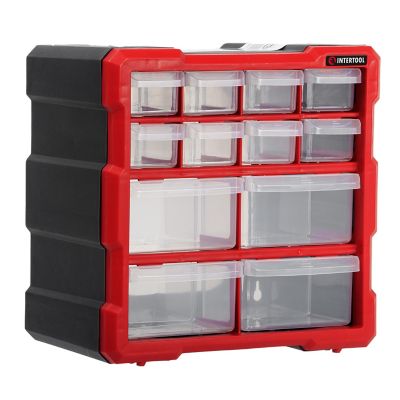
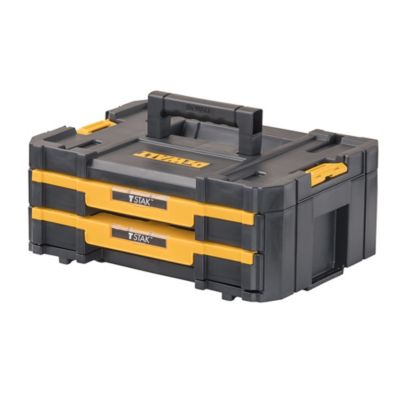
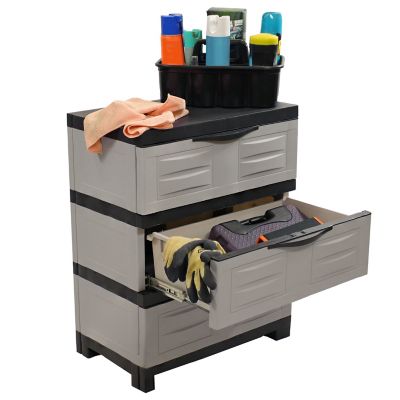
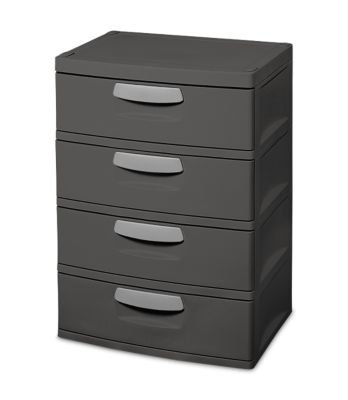
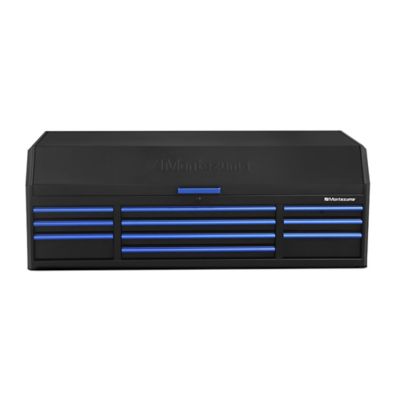
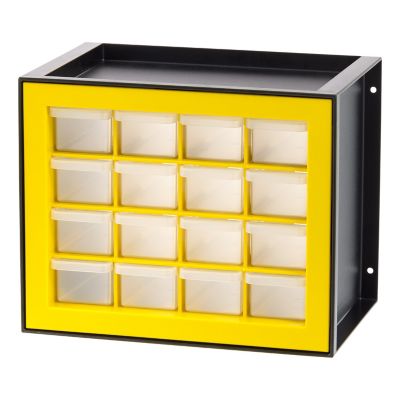
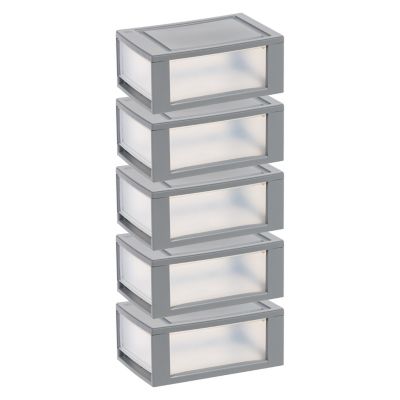
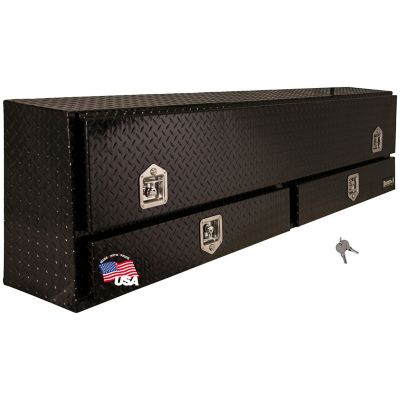
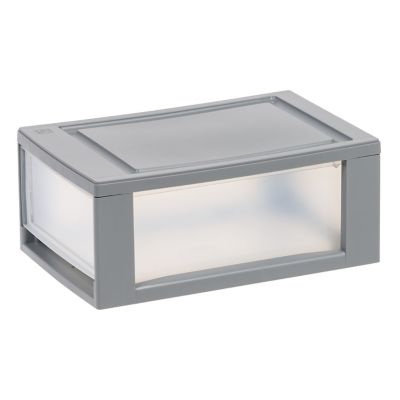
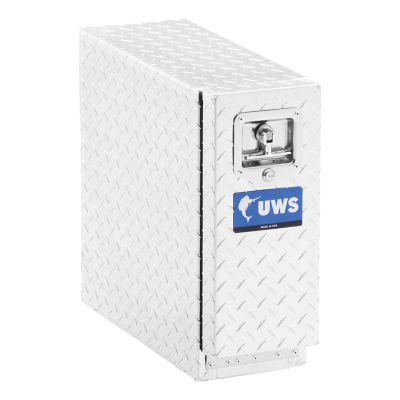
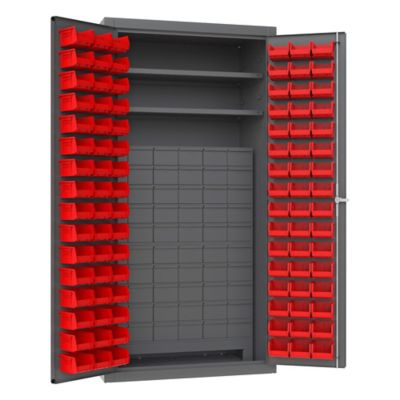
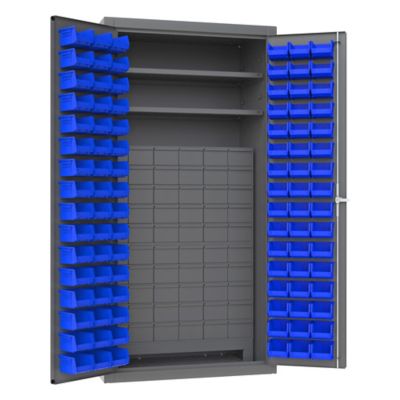
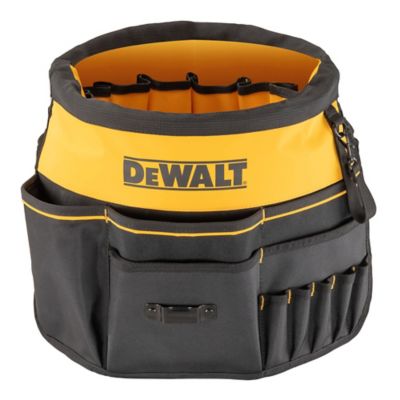
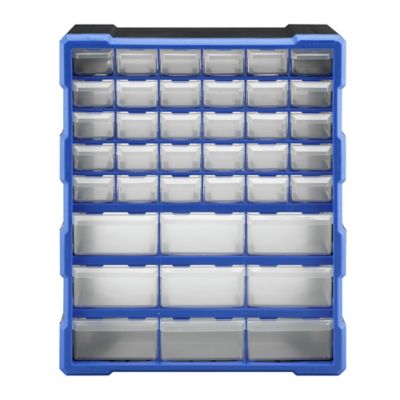
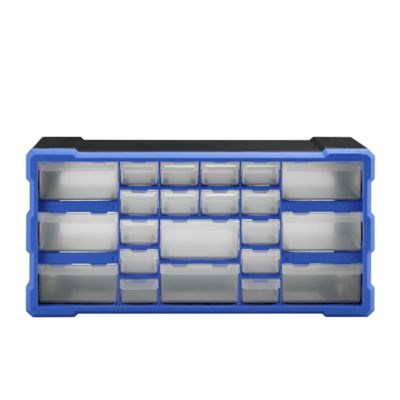
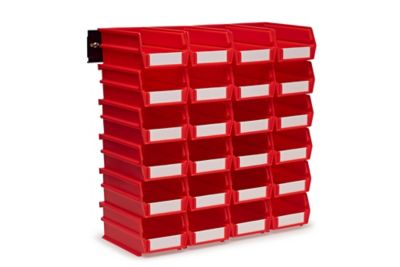
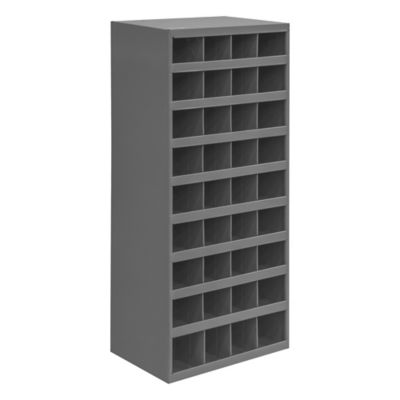
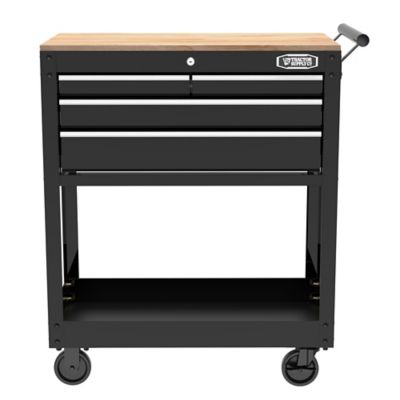
Storage containers with drawers bring everyday supplies into reach without turning every search into a stack of lids on the floor. These organizers combine a cabinet or frame with pull-out compartments, making it easier to separate belongings by size, task, or person. Common formats include compact tabletop units, freestanding drawer towers, stackable modules, and rolling carts. Each serves a different space: a small organizer can sit beside a sewing machine, a narrow tower can tuck alongside a desk, and a wider unit can hold folded clothes in a closet. Shallow drawers work well for things that tend to disappear beneath larger belongings, such as pencils, measuring tapes, sewing notions, and packets of fasteners. Deeper drawers give folded shirts, towels, yarn, and larger project supplies more room. Clear drawer fronts help show what is inside at a glance, while opaque fronts keep a busy room looking less crowded. A mix of drawer depths can suit a shared workspace where small supplies and larger gear need separate homes. For a good fit, the outside measurements are only part of the picture. Interior drawer dimensions determine whether a paper stack lies flat, a tall bottle stands upright, or a divided tray slips into place. The space in front matters, too, since a drawer needs clearance to open without catching a door, chair, or nearby cabinet. In a laundry room, enough room to stand comfortably in front of the unit makes putting away clean cloths less of a chore. Beneath a workbench, clearance above the frame and around the drawer pulls can make the difference between handy storage and an awkward reach. Tall, narrow towers save floor space, but placement and stability deserve attention, especially around children or pets. Stacking works best with modules specifically designed to connect or nest together, following the maker’s height and weight limits rather than simply setting one loose unit on another. A little breathing room around the frame also helps drawers move freely instead of rubbing against an uneven wall or neighboring furniture.
Materials shape how drawer storage feels, what it can hold, and how it needs to be cared for. Plastic storage drawers are generally light enough to reposition when empty, and their smooth surfaces make routine cleanup straightforward. They suit many household, school, and hobby supplies, though the weight rating matters more than how roomy a drawer looks. A deep plastic drawer filled with dense hardware can put much more strain on its base and runners than the same drawer filled with spare linens. Metal drawer units and metal-framed organizers can serve work areas where greater strength is needed, but their stated load limits still govern what belongs inside. A steel frame does not automatically mean every drawer can carry heavy tools; the drawer material, supports, and slide construction all play a part. Coated metal surfaces benefit from gentle cleaning and prompt drying, especially if a spill reaches an edge or seam. Fabric drawers offer a soft-sided option for lightweight clothing and other dry belongings, but exposed sharp edges, leaking bottles, and greasy parts are a poor match for that construction. For any material, closed drawers should not be assumed to provide an airtight, watertight, or pest-proof enclosure. Animal feed, garden chemicals, medicines, and other sensitive contents need storage that meets their own labeling and safety requirements, not just an empty compartment. General care usually starts with removing the contents and wiping accessible surfaces with a soft cloth and a cleaner approved by the manufacturer. Grit along a runner can make a drawer drag, so keeping those contact points clear helps maintain smooth movement. Harsh solvents and abrasive scrubbers can damage some plastics and finishes. A cracked drawer base, bent support, or loose wheel calls for attention before more weight goes in. Spreading weight evenly, placing heavier contents low, and following any anchoring instructions helps the whole setup stay steadier through everyday opening and closing.
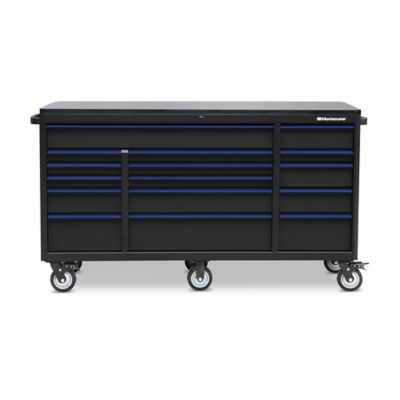
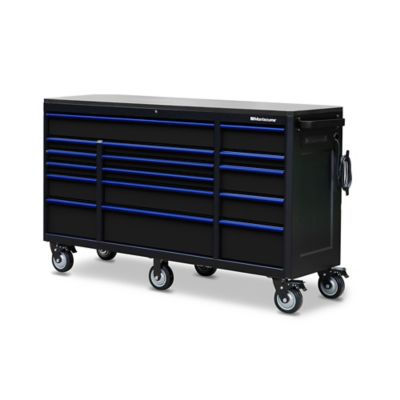
The choice between stationary and rolling drawer storage often comes down to where the work happens. A fixed unit makes sense beside a desk, inside a closet, or along a wall where supplies return to the same spot every day. A rolling drawer cart can bring craft materials to the kitchen table or move light project supplies closer to a work surface, then tuck out of the way afterward. Casters roll differently across hard flooring, rugs, seams, and doorway thresholds, so wheel size and floor conditions matter. Locking casters can help limit unwanted movement while a cart is parked, but they do not replace a level surface or careful loading. Follow the manufacturer’s directions before moving a loaded unit, and keep drawer fronts closed during travel. Handles, drawer stops, and slide design also affect daily use. A comfortable pull is easier to grasp with full hands, and a drawer stop can help prevent an unexpected pullout where that feature is included. Removable drawers can make sorting easier, provided the unit is designed for removal and the contents stay within its limits. For a garage bench or repair corner,
Garage Storage Drawers offer a related storage category for keeping work supplies close to the job. Small compartments can separate washers from nuts, while a deeper space can keep gloves and clean shop rags together without burying the little things. In a home office, similar separation gives envelopes, charging cords, and writing supplies their own spots. For a sewing room, it can mean finding the right spool without unloading a whole basket. Simple labels help everyone in a shared household put things back in the right drawer, and removable dividers can prevent smaller contents from sliding into a jumble. The most practical arrangement matches the drawer size to the belongings, leaves everyday essentials within easy reach, and keeps heavier or sensitive contents in storage suited to the task.