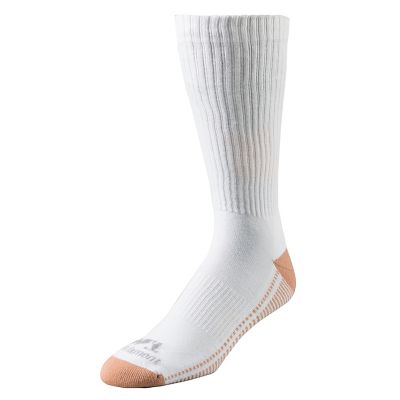
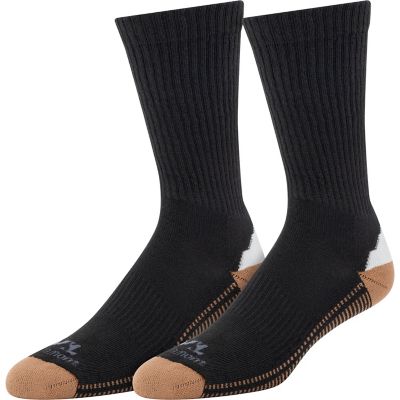
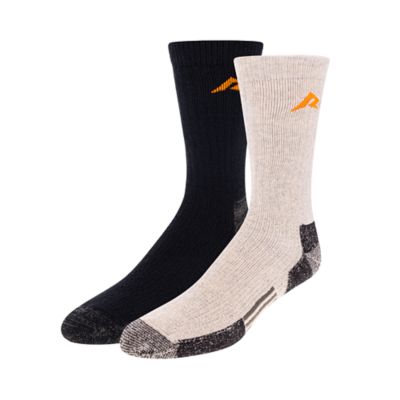
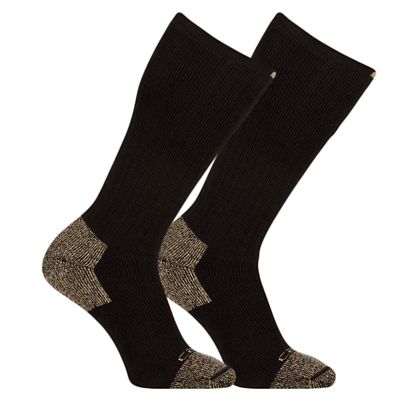
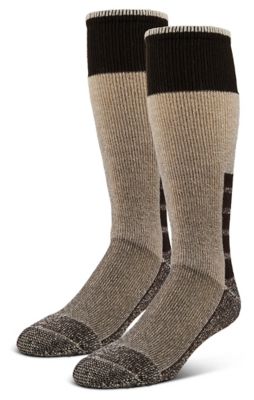
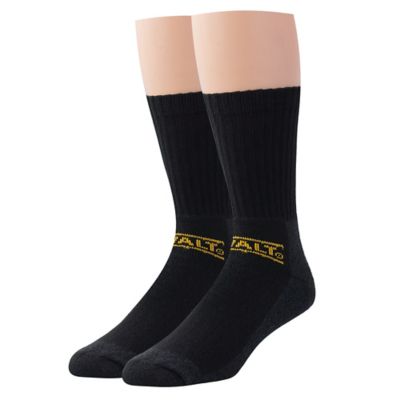
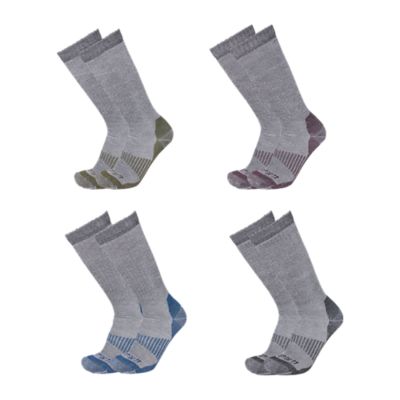
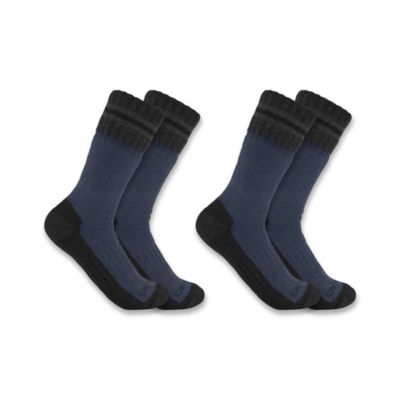
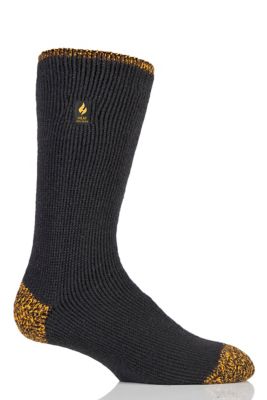
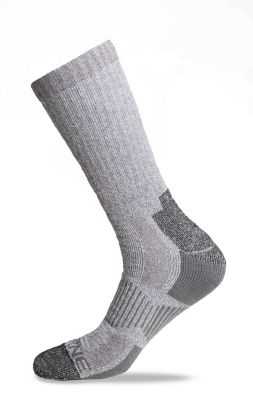
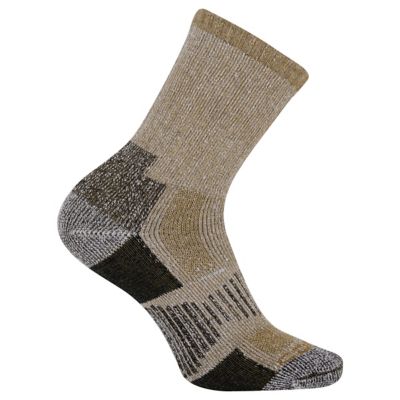
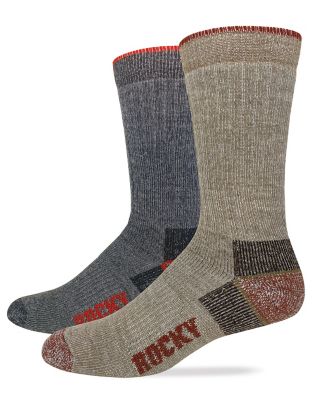
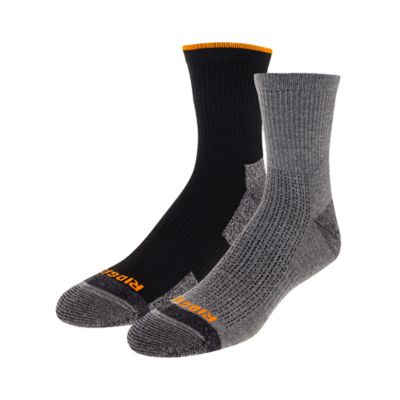
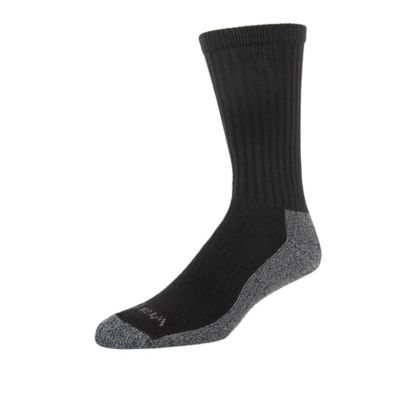
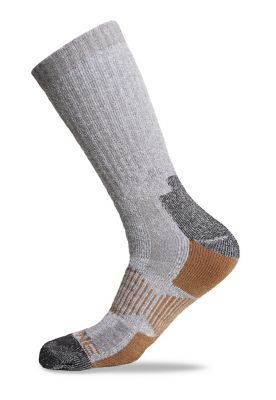
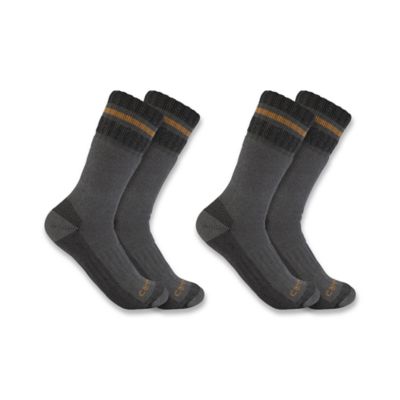
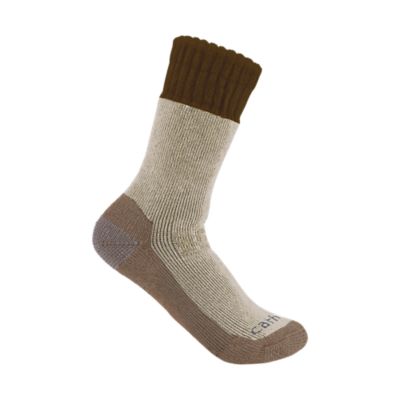
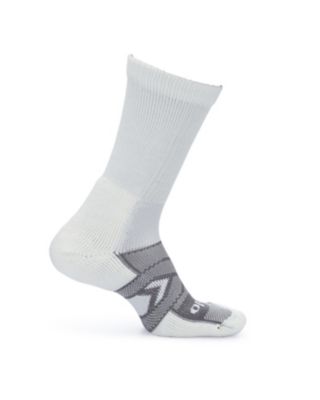
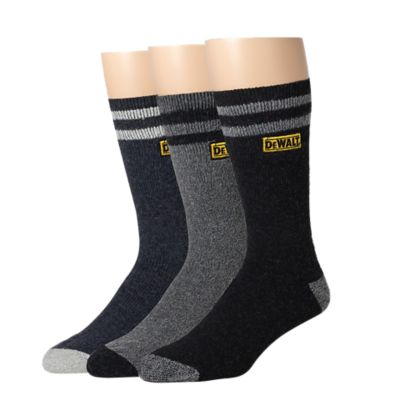
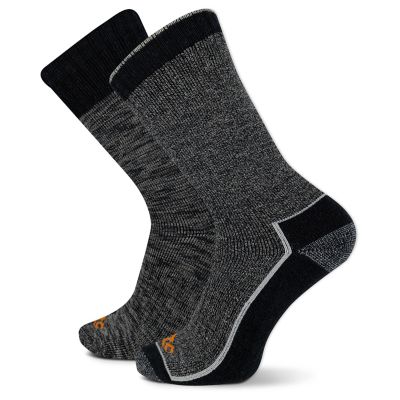
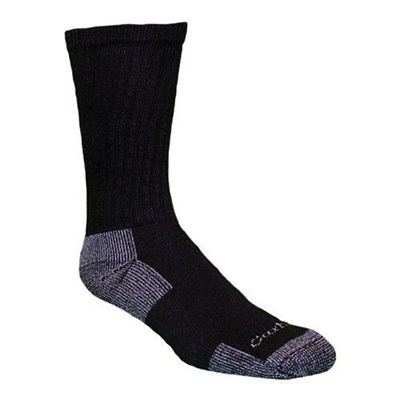
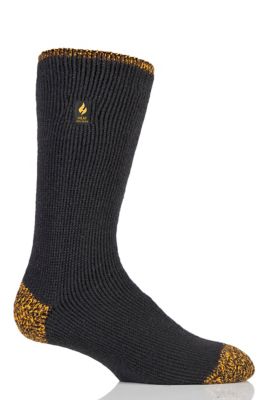
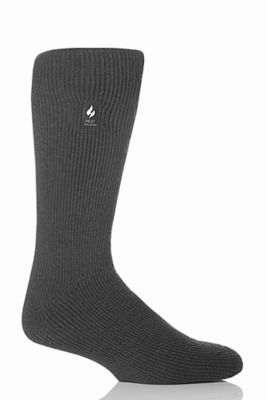
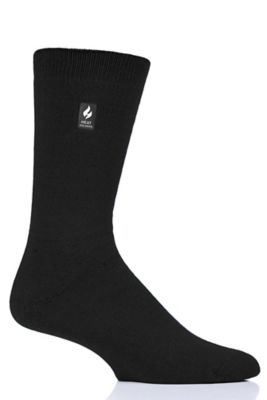
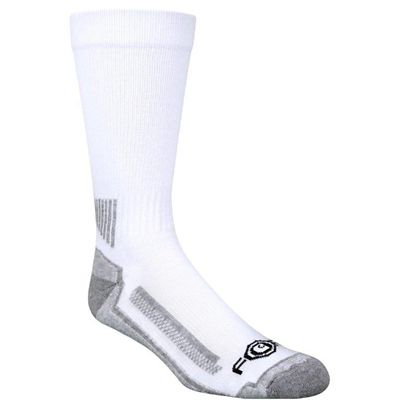
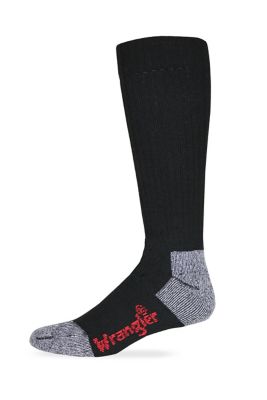
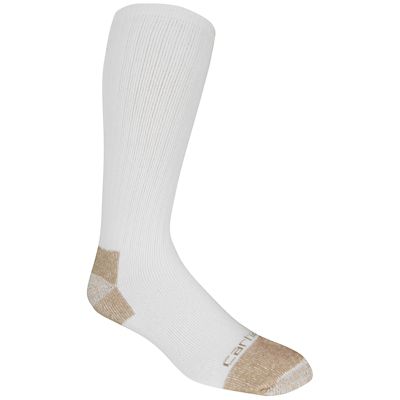
Men’s heavy-duty work socks are built for long hours in work boots, with cushioning, moisture-managing fibers and reinforcement where everyday wear takes its toll. They sit between your feet and the boots that carry you across concrete shop floors, gravel lanes, barn aisles and job sites, so their construction matters more than thickness alone. A sturdy work sock needs to fit comfortably without bunching under the arch or crowding the toes. Reinforced heels and toes add material in high-friction areas, while cushioning under the heel and ball of the foot provides padding where each step lands. For someone hauling feed, climbing equipment steps or standing at a workbench, those details can make a noticeable difference in how boots feel through a full day. Cotton, wool, polyester, acrylic and nylon all appear in work sock blends, with each fiber contributing something different. Cotton has a familiar, soft feel and absorbs moisture, though it tends to hold that moisture longer than many synthetic fibers. Polyester and other moisture-wicking fibers help move perspiration away from the skin so it can spread through the fabric and evaporate when footwear allows. Wool absorbs moisture vapor, and merino wool generally has finer fibers that feel softer against the skin than coarser wool. Nylon often adds abrasion resistance, while a small amount of spandex helps the sock stretch and recover its shape. The full blend matters: a wool sock may include nylon for strength, and a cotton-rich sock may include polyester to help manage moisture. No fabric can keep feet dry on its own inside a boot that traps perspiration. Breathable construction, a properly fitting boot and a fresh pair of socks when needed all play a part. Heavy-duty describes the sock’s intended workload, but the fiber content, knit structure and placement of padding tell you more about how it may perform during chores or a shift on your feet.
Fit starts with the listed shoe-size range, but boot shape, sock height and cushioning deserve just as much attention. The heel pocket should sit at your heel rather than pull underneath your foot or creep toward your ankle. Toes need room to move, and extra fabric should not fold beneath them when you lace up. A snug arch band can help hold the sock in place, while a ribbed cuff helps keep the leg from sliding down inside the boot. Neither should leave your foot feeling squeezed or your leg feeling pinched. Crew-length work socks suit many lace-up boots, provided the cuff reaches above the boot collar. Taller socks offer more coverage for boots with higher shafts, helping keep boot edges from rubbing directly against the leg. Cushioning can range from targeted padding at the sole, heel and toe to a fuller cushion that surrounds more of the foot. A terry-knit interior creates small loops that provide that padded feel, but more cushion also takes up more space. In a close-fitting safety-toe boot, an overly thick sock can crowd the toe box instead of improving comfort. A roomier boot may pair well with
Extra Thick Work Boot Socks, especially when substantial underfoot padding is the goal. Socks should not compensate for boots that slip badly or fit too tightly. Smooth toe seams are another useful detail, particularly when the top of the toes rests near a boot’s protective cap. Flat or low-profile seams reduce the raised ridge that can rub during repeated steps. Men who spend much of the day walking fence lines may prefer a different balance of padding and stretch than those working pedals in a tractor cab or kneeling beside machinery. Matching the sock to the boot and the movement gives each feature a practical job, rather than treating the thickest pair as the best choice for every task.
Long service life depends on more than a heavy feel in the hand. Closely knit fabric, reinforced wear zones and stretch that recovers after washing help work socks stand up to repeated wear. Heels and toes deserve attention, but the underside of the forefoot and the area above the heel can also take a beating as feet move inside boots. Padding over the back of the heel may help soften contact with a stiff boot counter, while reinforcement around the toes adds resistance where nails and repeated movement stress the fabric. Wear patterns can tell a useful story: frequent thinning in one spot may point to a rough boot lining, a fit problem or friction from the way your foot moves. Keeping toenails trimmed and checking boot interiors for grit or damaged lining can help limit unnecessary wear. Care instructions vary with the fiber blend, so follow the sock’s label for washing and drying rather than assuming every pair belongs in the same laundry cycle. Excessive dryer heat can affect elastic fibers and shrink some fabrics, particularly wool blends that call for gentler care. Fabric softener may interfere with moisture management in certain performance fabrics; skip it when the care directions advise against it. Let socks dry completely before putting them back into boots, and set aside pairs with holes, flattened cushioning or cuffs that no longer stay up. Rotating several pairs gives each pair time for washing and drying and makes it easier to start the next workday with fresh socks. Men’s heavy-duty work socks make sense for farmhands, ranchers, mechanics, construction crews and anyone whose daily routine includes substantial time in boots. They can also make a practical gift for someone who would rather have gear that earns its keep than something that sits on a shelf. Knowing the recipient’s shoe size, usual boot height and preferred amount of cushioning helps narrow the choice. The right combination leaves room to move, keeps fabric where it belongs and adds padding without getting in the way of the work.