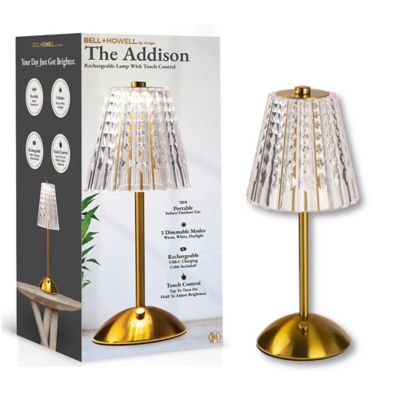
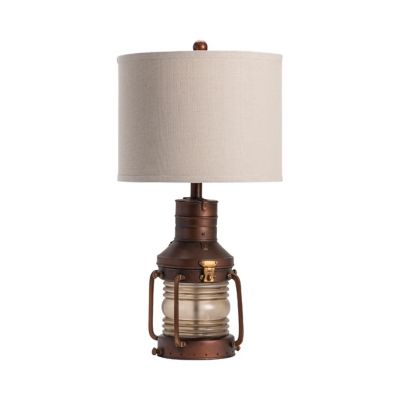
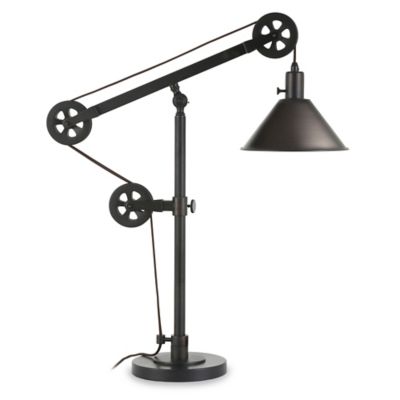
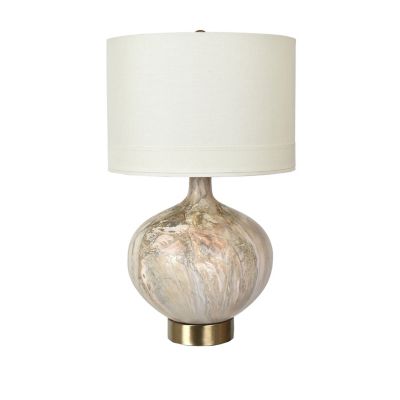
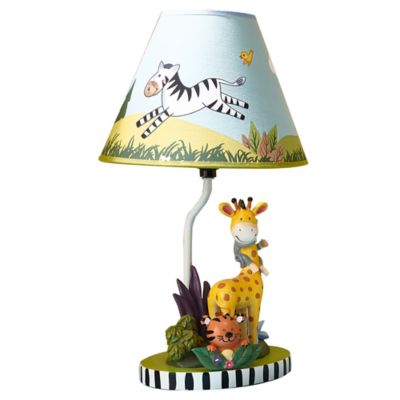
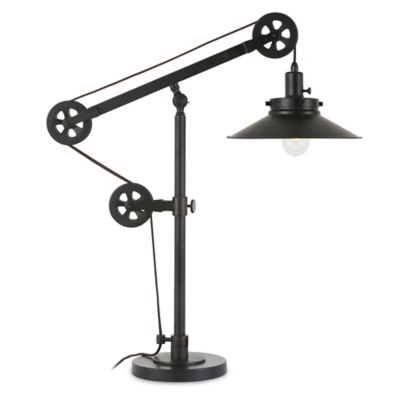
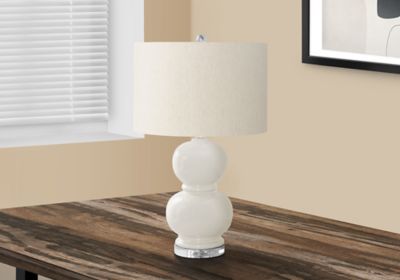
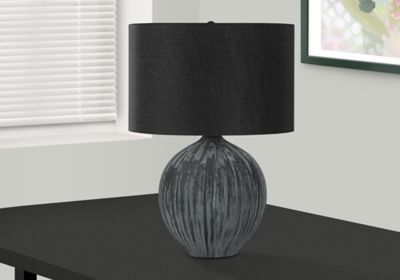
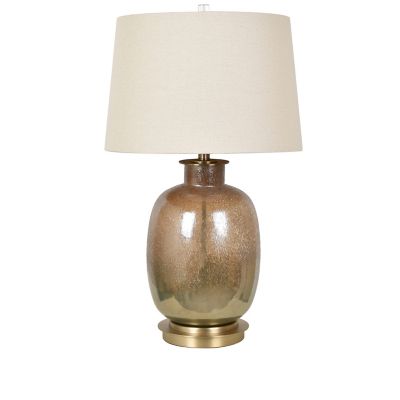
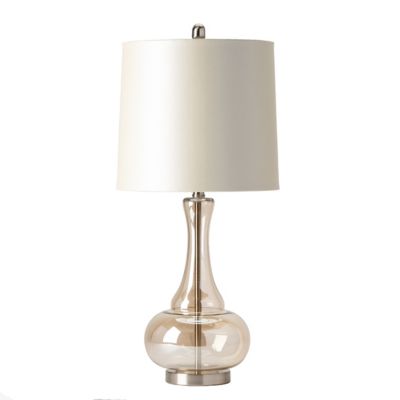
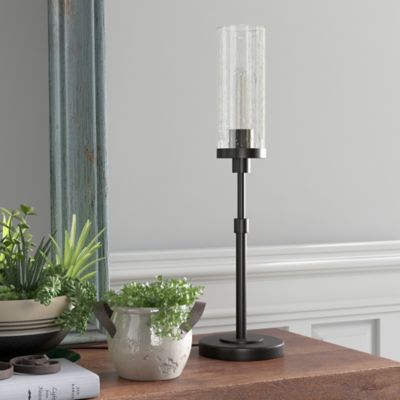
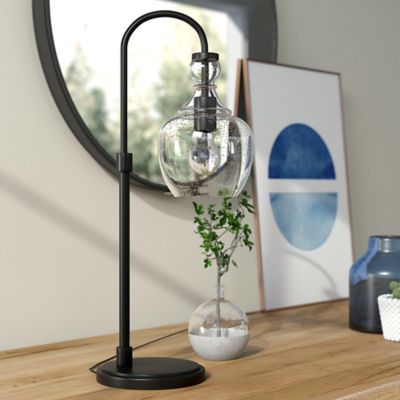
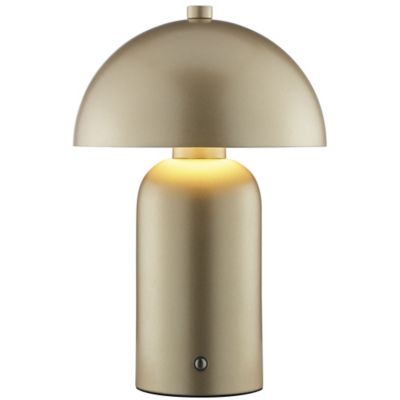
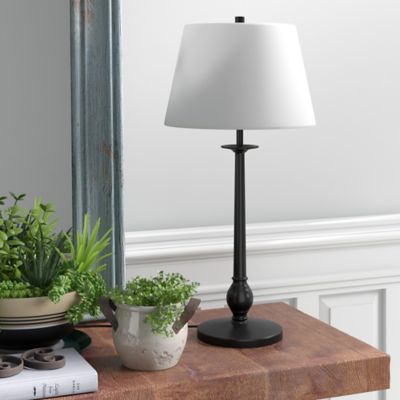
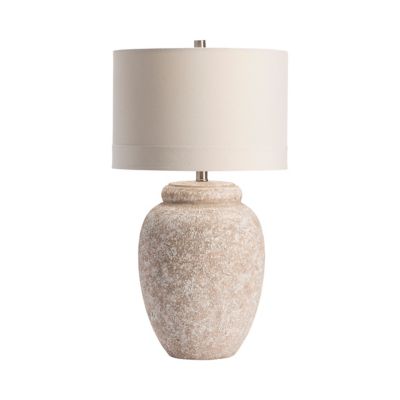
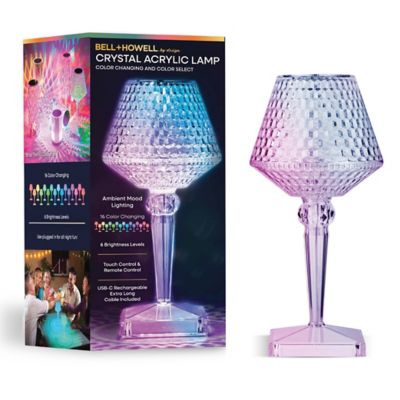
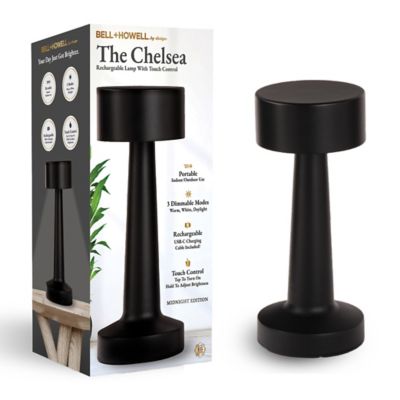
Table lamps bring light down where everyday life happens, whether that’s a book beside the recliner, paperwork on a desk or a bedside table within easy reach. These portable fixtures provide task lighting for focused work, ambient lighting for a comfortable room and accent lighting that draws attention to a particular spot. Unlike overhead fixtures, they can brighten one corner without lighting up the whole house. A shaded lamp beside the sofa makes a handy companion for reading after chores, while a smaller lamp on an entry table gives keys and incoming mail a well-lit landing place. Standard table lamps pair a base with a shade that spreads light around the fixture and directs some of it downward. Tall, slender buffet lamps leave more surface space open on narrow consoles and sideboards. Tripod bases give the lamp a more open look, although their legs need enough room to sit securely. Adjustable arms and swiveling shades help direct light toward a notebook, sewing project or crossword instead of sending it across the room. Cordless and rechargeable table lamps offer flexibility where an outlet is out of reach, with runtime and charging requirements depending on the lamp’s specifications. Shade shape and material make a noticeable difference, too. A broad drum shade spreads light across a wider area, while a tapered shade changes how light travels above and below the bulb. Pale fabric shades generally let more light through than dark, tightly woven shades. Opaque metal shades concentrate light through their openings, making them better suited to directed illumination than an even glow throughout a room. Glass shades can range from clear to frosted, with frosted surfaces softening the view of the bulb. From a farmhouse kitchen nook to a spare bedroom, the right combination of base, shade and light output helps a table lamp feel at home without taking over the space.
Fit matters just as much as appearance, especially on a small tabletop that also holds a drinking glass, alarm clock or stack of books. Table lamp height is measured from the bottom of the base to the top of the assembled fixture, but the best height depends on the furniture and the person sitting beside it. Bedside lamps often fall around 24 to 27 inches tall, and living room table lamps commonly range from about 24 to 34 inches; those are starting points rather than rules. A low nightstand or deep sofa can call for a different arrangement. For comfortable reading, the bottom edge of the shade generally works best near eye level when seated, keeping the bare bulb out of direct view while allowing light to reach the page. The shade should fit comfortably within the tabletop’s footprint, and the base needs a flat, steady resting place away from the edge. Comparing lamp dimensions with
Side Tables helps keep the proportions balanced and leaves room for the things that belong beside a favorite chair. Brightness comes from the bulb’s lumen rating, not simply its wattage. Around 450 lumens can provide a gentle glow, while 800 lumens or more may suit reading, depending on the shade, distance and other lighting in the room. Fine print and detailed tasks may call for more light. The bulb’s color temperature also affects the feel of the space: approximately 2700K to 3000K gives a warm appearance, while higher color temperatures look whiter. An LED bulb can provide useful light with less energy consumption than a comparable incandescent bulb, but its base type, physical size and electrical rating still need to match the fixture. Dimmable bulbs require a compatible lamp control. Touch switches, pull chains and rotary controls each offer a different way to turn the light on, and their location matters when reaching from bed or around an armchair.
Materials influence both the look of table lamps and how they hold up to everyday handling. Metal bases bring clean lines or substantial shapes, with finishes that can blend with cabinet hardware, bed frames and other room details. Wood adds visible grain and a natural touch alongside plank floors or a solid dining table. Ceramic bases offer smooth surfaces and a range of shapes, while glass can keep a smaller room from feeling crowded. Base weight, secure fittings and a level bottom contribute to stability; a broad, substantial base can be a sensible fit for a busy room where a narrow lamp might get bumped. Felt or other protective pads help limit scratches on furniture, though the tabletop and the bottom of the lamp should both stay free of grit. Care is usually straightforward when it follows the manufacturer’s directions. Before cleaning, unplug the lamp and let the bulb cool. A soft, dry cloth handles routine dust on many bases, while fabric shades may need a gentle brush or a vacuum attachment on low suction if the care instructions allow it. Glass, ceramic and metal finishes can require different cleaning methods, and harsh cleaners may harm coatings or leave marks. Electrical parts should stay dry, and cords deserve an occasional check for fraying or damage. Keep cords out of walkways and away from places where pets can chew them, and allow the clearance specified for the bulb and shade rather than crowding a lamp against curtains. Lamps intended for indoor settings belong in suitable indoor spaces unless their labeling says otherwise. For households with children or active pets, placement and stability deserve extra attention. Table lamps can also make thoughtful housewarming gifts or practical additions to a guest room, especially when their size and switch style suit the recipient’s furniture and routine. A lamp that leaves room for a water glass, lights a book comfortably and turns on without an awkward reach earns its place in the house.