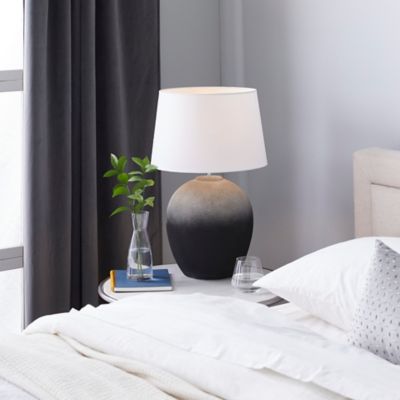
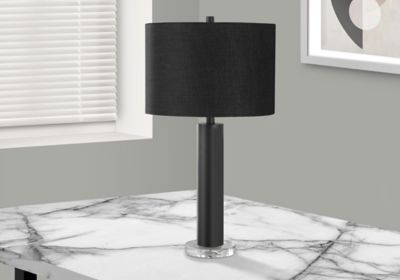
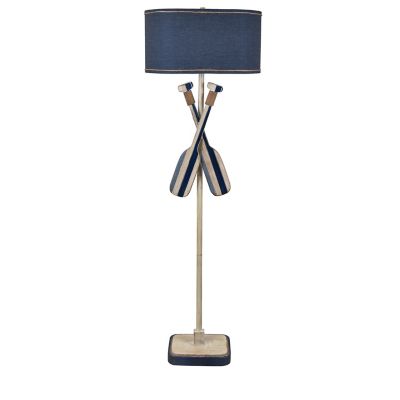
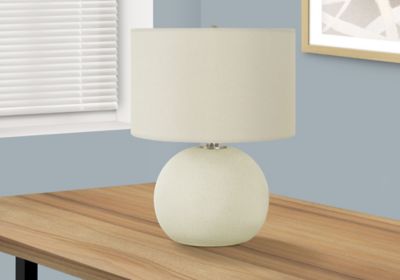
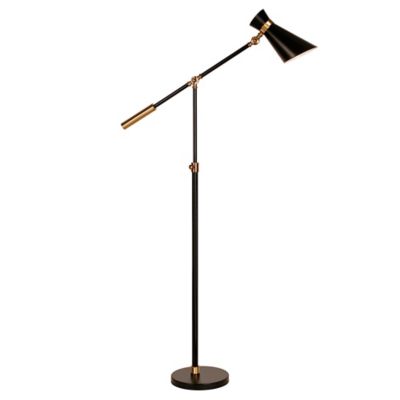
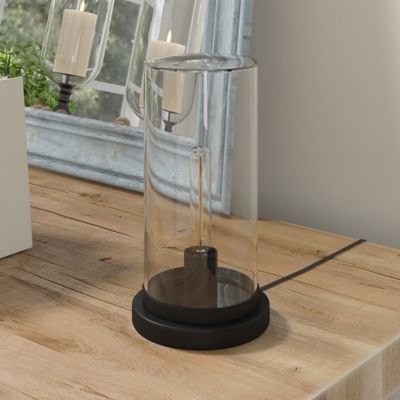
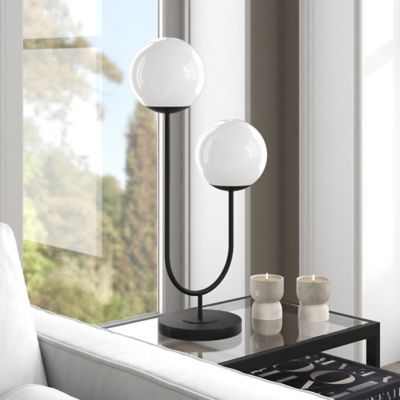
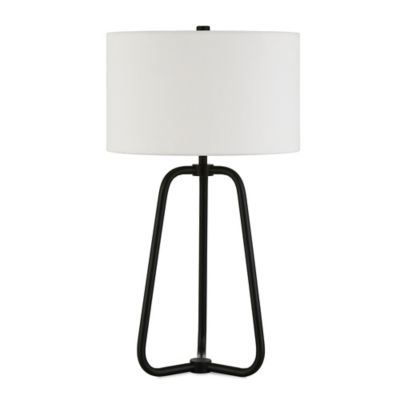
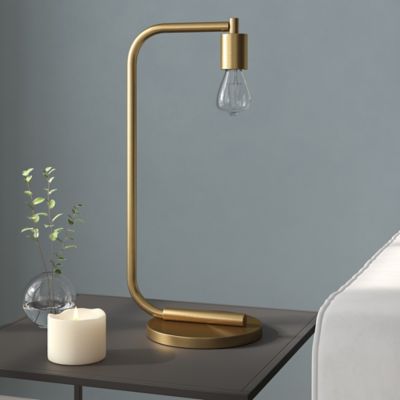
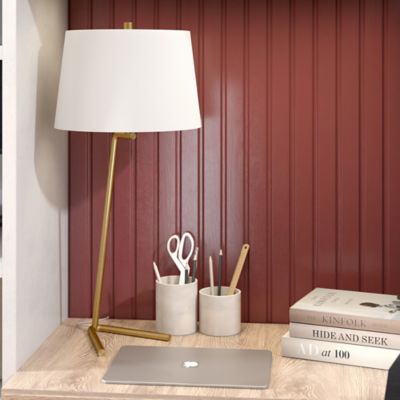
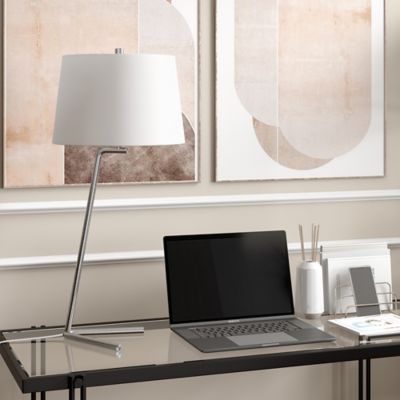
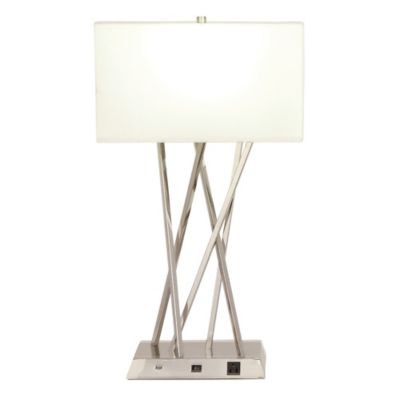
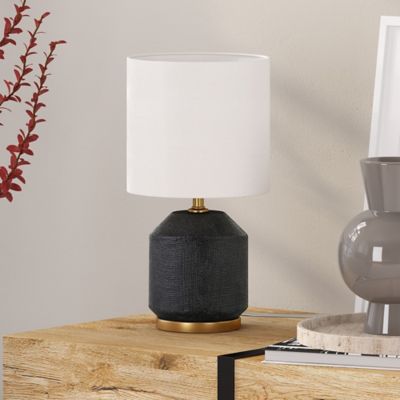
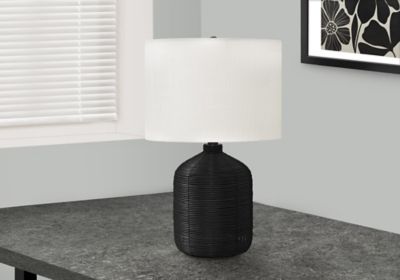
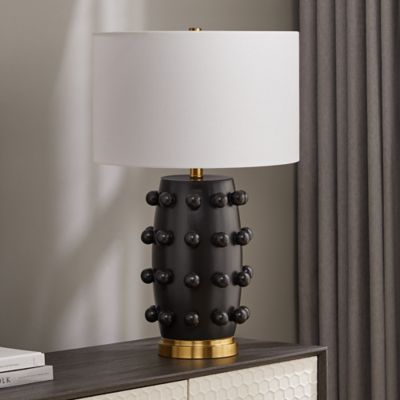
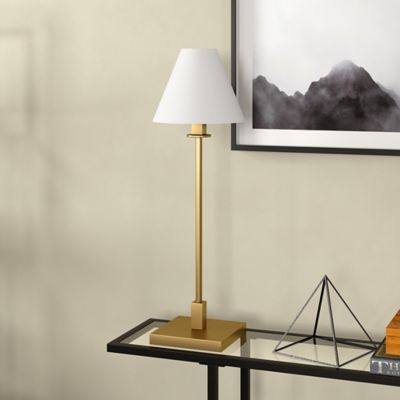
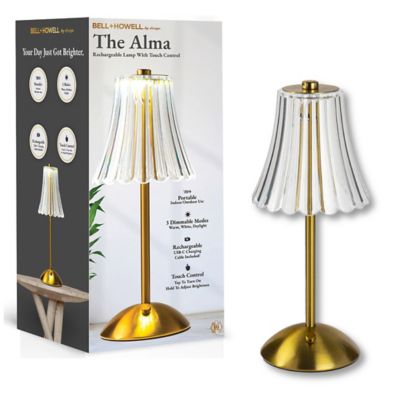
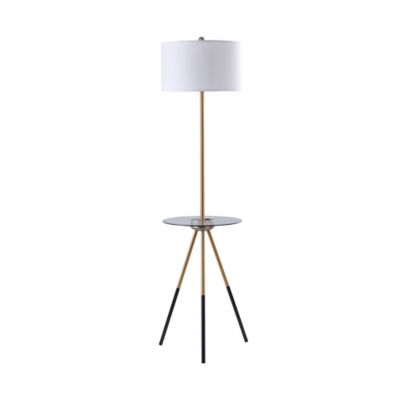
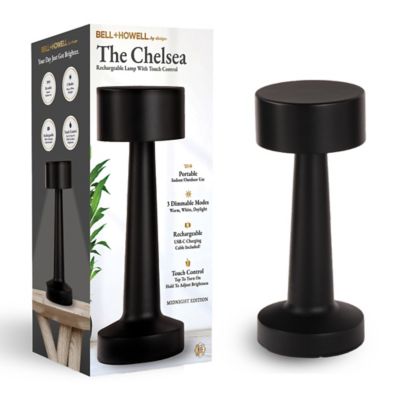
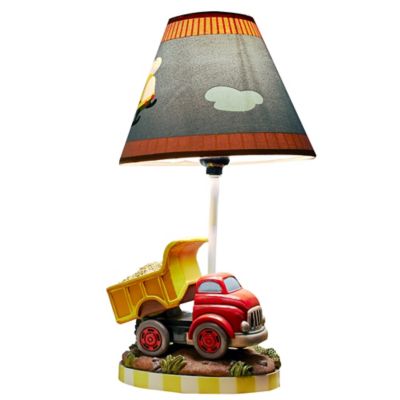
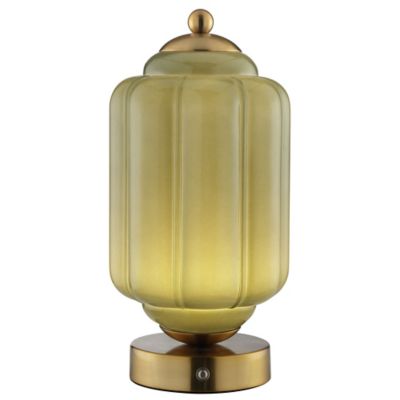
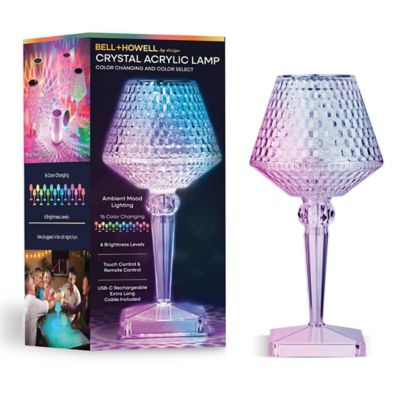
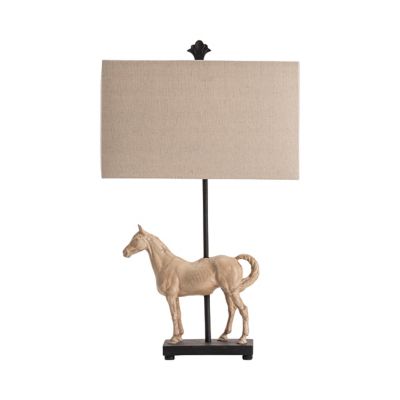
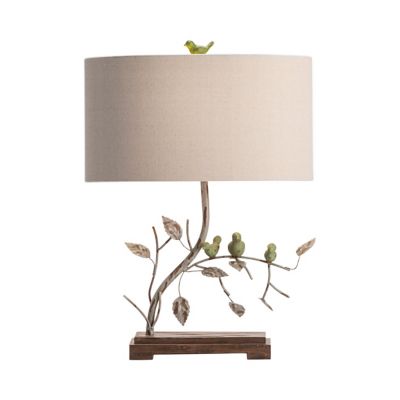
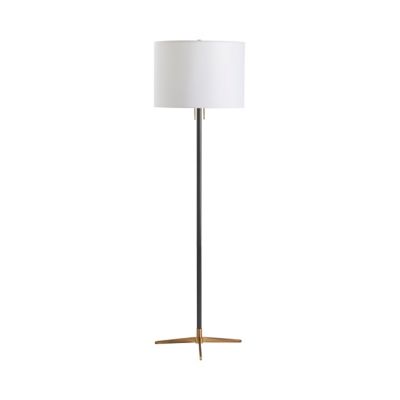
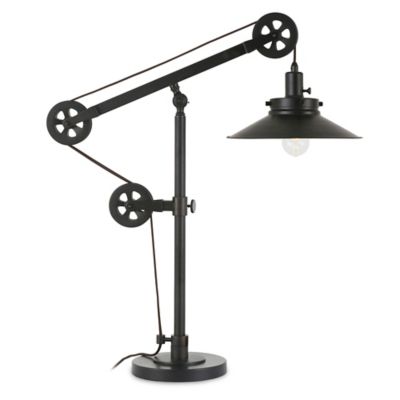
Modern lamps bring light where it belongs without making a room feel crowded or fussy. Their simple shapes, uncluttered bases, and balanced proportions work just as well beside a well-worn leather chair as they do on a new desk. In a farmhouse living room, a slim metal lamp can sit comfortably alongside wood beams, sturdy furniture, and a stone fireplace. In a smaller home, a narrow floor lamp can brighten a reading spot without taking up the space another end table would need. Table lamps add light closer to where everyday life happens: beside the couch, on a bedside stand, or near the spot where mail and household paperwork get sorted. Modern styling covers plenty of ground, from straight stems and smooth drum shades to rounded bases, angled arms, and open frames. A matte finish tends to blend into its surroundings, while polished metal or clear glass brings a little more shine. The shade makes just as much difference as the base. Light-colored fabric softens the glow across a room, while a metal shade directs more of it toward a book, keyboard, or work surface. An open-bottom shade can create a useful pool of light without putting the bulb directly in view. For a look with tapered legs, sculpted shapes, and warm wood accents,
Mid Century Modern Table Lamps offer another direction within the broader modern style. Lamps do not have to match every finish in the room to feel at home. A black base can echo cabinet pulls or a nearby picture frame, while a wood accent can tie in with a table or bookshelf. Matching bedside lamps bring a settled look to a bedroom, but different lamps can also work together when their scale, shade color, or finish gives them something in common. The result is lighting that feels like part of the room rather than an afterthought, with enough character to stand on its own and enough simplicity to sit beside furniture collected over the years.
The right fit depends on more than the height listed for a lamp. A broad shade may look balanced on a substantial side table but crowd a narrow nightstand, especially when that surface also holds a phone, water glass, and alarm clock. A smaller base leaves more room for those everyday necessities, while a taller lamp can lift the light above them. Beside a favorite reading chair, the relationship between the shade and a seated person matters: the light should reach the page without leaving a bare bulb glaring at eye level. At a desk, an adjustable arm or movable shade can help direct light toward paperwork, stitching, or other close-up tasks. In a family room, a floor lamp placed near seating can add a softer layer of light than an overhead fixture alone. Shade material, bulb brightness, and light color all affect how that space feels. Lumens describe light output, while the bulb’s wattage needs to stay within the fixture’s stated limit. Warm white light often suits bedrooms and living areas; a more neutral white can help a home office feel clear and bright. Fabric shades may soften or tint the light, and darker shades generally send less light through their sides. Dimming can make one lamp useful for both reading and relaxed conversation, provided the lamp, bulb, and control are compatible. Some designs accept replaceable bulbs, while others have built-in LED lighting, so socket type and replacement requirements are worth checking. Controls also deserve a little attention. A switch near the socket, a touch control, or a foot switch can each be handy, depending on who will reach it and where the lamp sits. Cord length and outlet placement affect that arrangement, too. A cord tucked along a wall keeps a walking path clearer than one stretched across the room. For homes with children or pets, a steady base and a spot away from busy routes can help reduce the chance of a lamp getting bumped or pulled over.
Materials shape both the appearance of modern lamps and the care they need over time. Metal bases can have a smooth painted, brushed, or plated finish, each with a different feel beside wood furniture and fabric upholstery. Painted surfaces generally call for gentle cleaning that will not scrape the finish, while polished surfaces may show fingerprints more readily. Ceramic bases add visual weight and can bring a softer, rounded shape to a room, though their surfaces need protection from hard knocks. Glass can make a lamp feel lighter and more open, especially on a small table, but it also shows dust and smudges. Wood brings familiar grain and warmth to an otherwise spare design; keeping it away from spills and prolonged moisture helps protect the finish. A lamp with a broad, weighty base may feel steadier than a tall design with a small footprint, although placement still matters. On a bedside stand or console, a level surface gives the base proper support. Shade construction deserves attention as well. Fabric shades collect dust, while metal and glass shades often allow for a gentle wipe once the lamp is unplugged and cool. A soft brush or a vacuum attachment on a gentle setting may suit some fabric shades, but the maker’s care directions should determine the cleaning method. Soaking a shade can harm its lining, adhesive, or frame. Keeping the socket dry and avoiding harsh cleaners around electrical parts helps preserve the lamp’s finish and function. For a gift, a modern lamp can be a thoughtful choice for someone setting up a first apartment, settling into a new home, or making space for a reading chair. A neutral shade and a straightforward shape are easier to work into someone else’s room than a strong color or oversized base. Whether it lands beside a bed, behind a couch, or on a desk, a well-suited lamp earns its place through everyday usefulness: light for a few more pages, a clear view of the bills, or a comfortable glow while the household winds down.