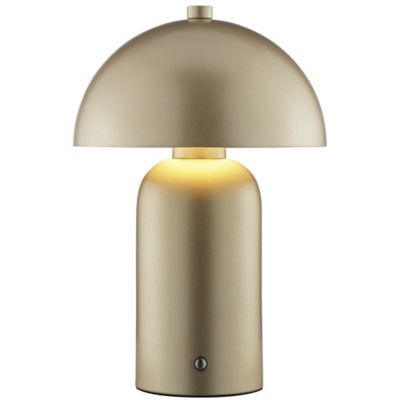
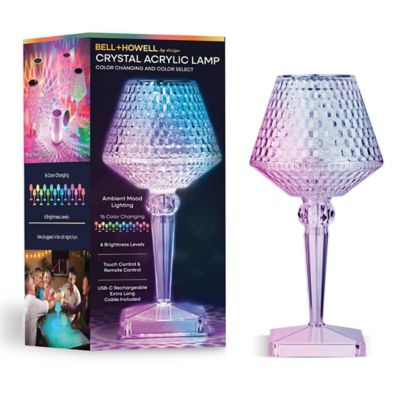
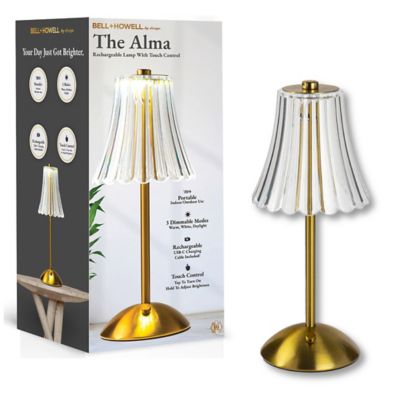
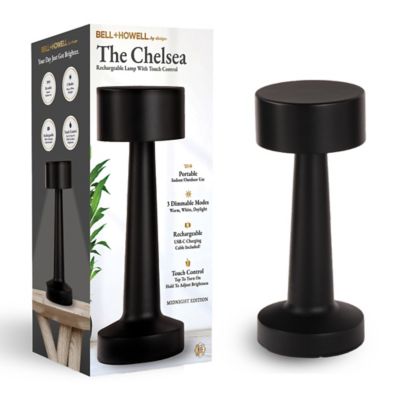
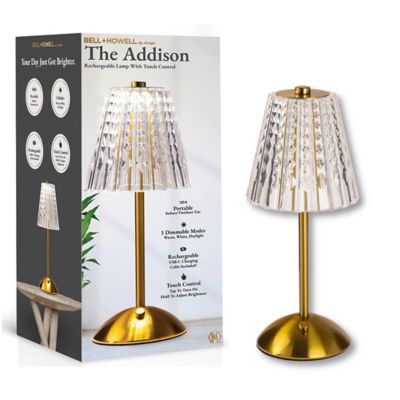
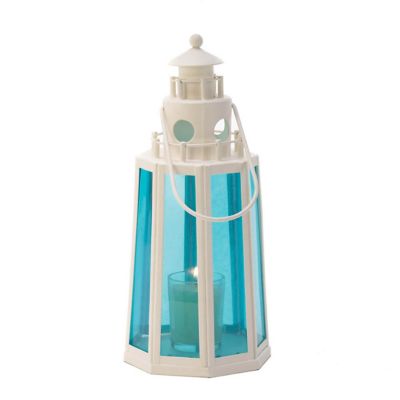
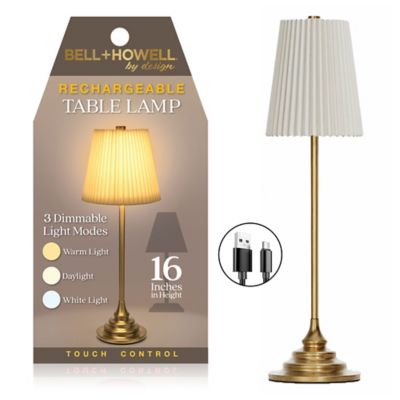
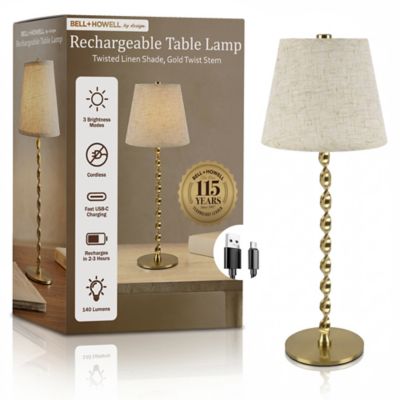
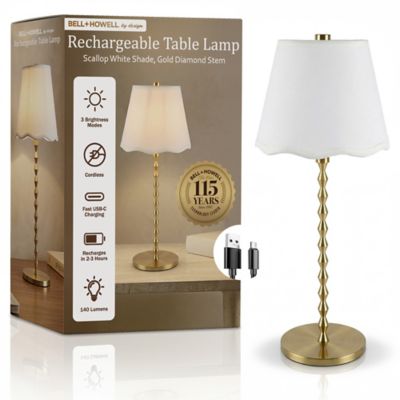
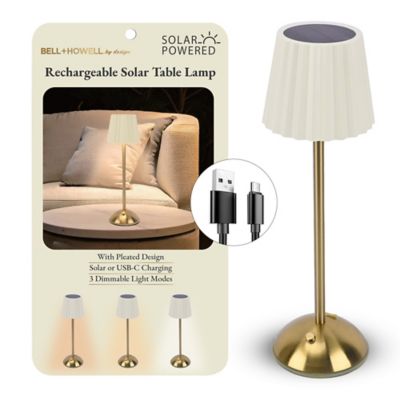
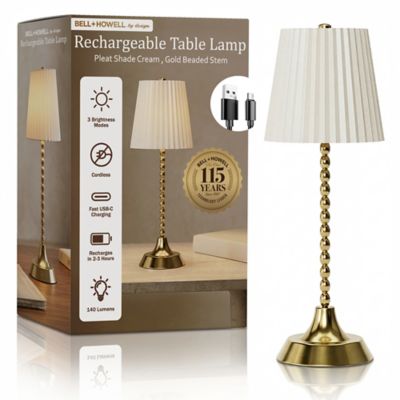
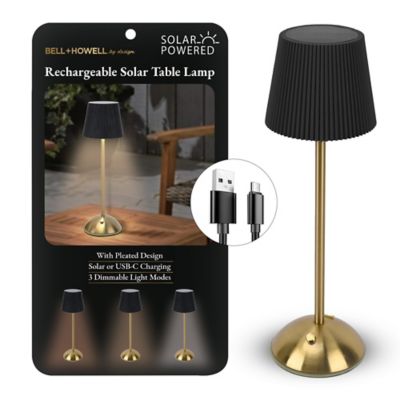
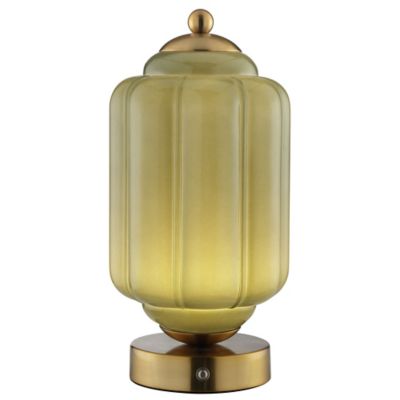
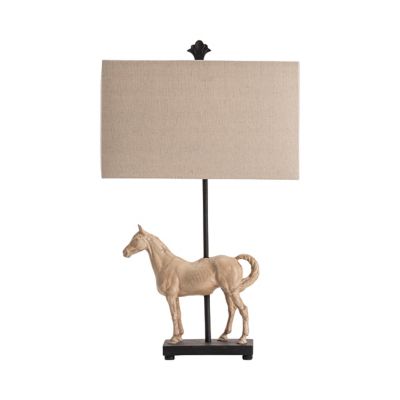
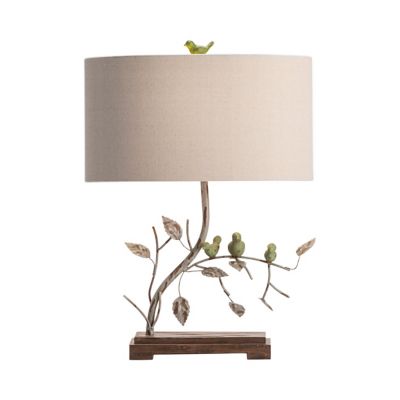
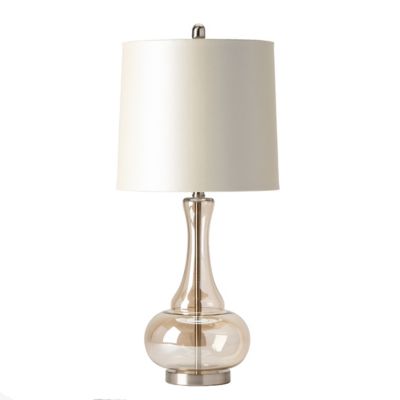
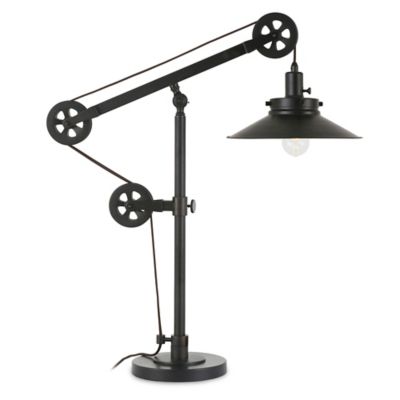
Table lamps bring light where everyday life happens: beside a favorite reading chair, on a nightstand within arm’s reach, or at the end of the kitchen counter where the mail gets sorted. They add a comfortable pool of light without making the whole room as bright as a workshop. A shaded lamp can soften a living room after supper, while a lamp with an adjustable head can direct light toward paperwork, stitching, or a crossword. Compact bases suit narrow bedside tables and small desks; broader bases and taller shades tend to look more at home beside a deep sofa or on a roomy console. Fit involves more than the space beneath the base, though. The shade needs clearance from the wall, nearby shelves, and anything else sitting on the table, with enough room left for a book, water glass, or pair of reading glasses. In a farmhouse living room, a lamp beside a worn leather chair can make a quiet corner feel ready for an evening indoors. In a guest bedroom, a bedside light gives visitors a way to settle in without crossing an unfamiliar room in the dark. As evenings get longer during the cooler months, that small circle of light can make a big difference in how a room feels. Table lamps also work well in apartments, cabins, and home offices where a plug-in light makes sense and permanent changes are not practical. A pair can bring balance to opposite ends of a sofa, while a single lamp can give an entry table a clear purpose beyond holding keys. For reading, shade height matters: when someone sits beside the lamp, the bulb should generally stay out of their direct line of sight. A shade that sits too high can leave an exposed bulb shining toward their eyes, while one that sits too low may keep useful light from reaching the page.
Materials shape both the look of table lamps and how they fit into a busy household. Ceramic bases bring color and a substantial feel to a bedside table or living room corner, though they need protection from knocks and falls. Glass can look light and open on a smaller surface, but fingerprints and dust may show more readily. Metal bases fit comfortably alongside wood furniture, painted cabinets, and simple iron hardware; their finishes can range from smooth and bright to dark and understated. Wood brings visible grain and a warmer appearance, with care needs that depend on the finish. A broad, steady base is worth attention in a home with children, pets, or a narrow walkway beside the furniture. Weight alone does not prevent tipping, especially when a shade extends well past the base or a cord hangs where it can catch a passing foot. Shade materials matter just as much. Light-colored fabric often allows a gentle glow through the sides, while a darker or more opaque shade tends to concentrate more light through its openings. Open-bottom shades can put useful light onto a tabletop, though the actual spread depends on the shade’s shape and the bulb’s position. Neutral shades settle easily into rooms with patterned quilts, plaid throws, or busy upholstery. A little color can be welcome, too;
Yellow Table Lamps can bring a sunny note beside natural wood, white walls, or blue bedding. Keeping a lamp looking its best usually means regular light dusting and care suited to each material. With the lamp unplugged and the bulb cool, a soft cloth can lift dust from many bases, while some fabric shades respond well to a soft brush. Finish-specific care directions take priority, especially for porous ceramic, wood, and coated metal. Moisture should stay away from sockets, switches, and electrical connections, and indoor lamps belong in the dry locations specified for them.
The right light output depends on the job, not just the size of the lamp. A bedside lamp meant for winding down may need a softer glow than a desk lamp lighting up small print or a stack of farm records. Lumens describe how much visible light a bulb produces, while watts describe its power use; the socket’s maximum wattage remains a limit to follow. Bulb base, shape, and clearance inside the shade also need to match the fixture. LED bulbs can provide light with less electricity than incandescent bulbs of comparable brightness, but compatibility still matters, particularly with dimmers, three-way sockets, or touch controls. A standard dimmable bulb does not turn an ordinary switch into a dimmer. Some lamps have built-in LEDs rather than a replaceable bulb, so the light source and service options are useful details to review. Color temperature changes the feel of the light as well. Around 2700K to 3000K typically gives a warm white appearance that suits bedrooms and relaxed sitting areas, while higher color temperatures look cooler and may suit focused desk work. Shade color and room finishes can affect that appearance. Everyday convenience often comes down to small details: a switch that is easy to reach from bed, a pull chain that clears the shade, or a cord long enough to reach an outlet without stretching across a walkway. A lamp with charging features may suit a bedside table, provided its connections match the device and its stated charging requirements. For a gift, table lamps can make sense for someone setting up a first apartment, furnishing a guest room, or making a reading spot more comfortable. A manageable size, a straightforward switch, and a style that works with existing furniture help make that gift useful day after day. Whether the setting is a country bedroom or a desk tucked into the den, thoughtful proportions and comfortable light matter more than a complicated design.