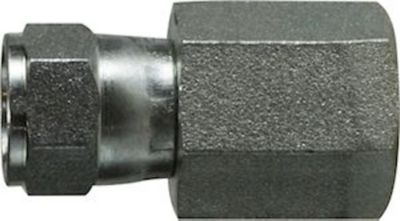
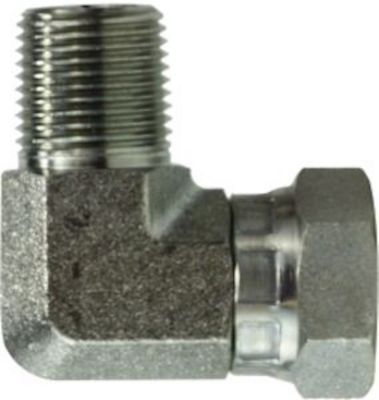
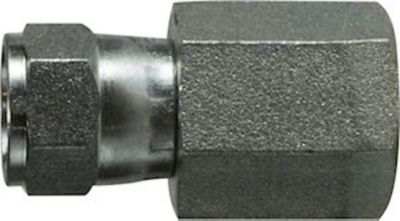
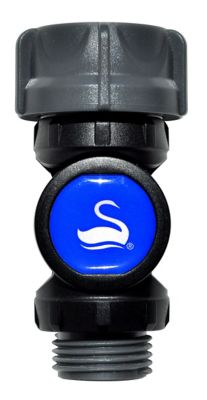
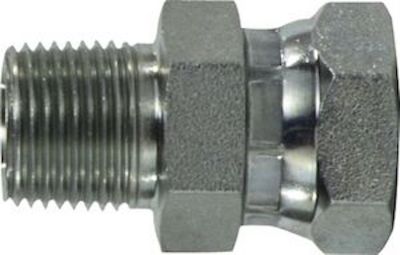
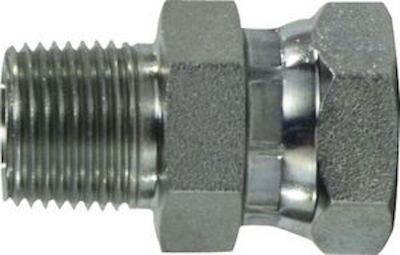
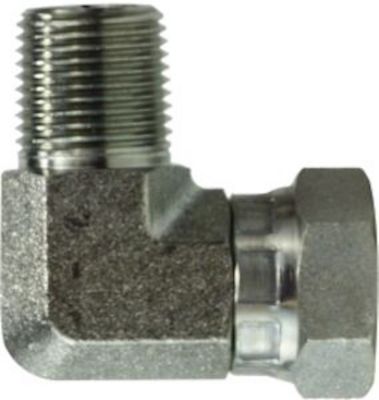
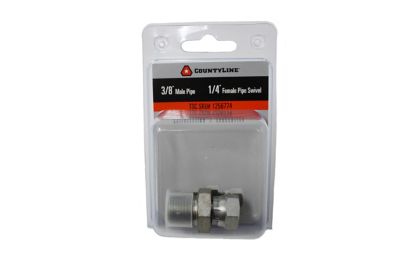
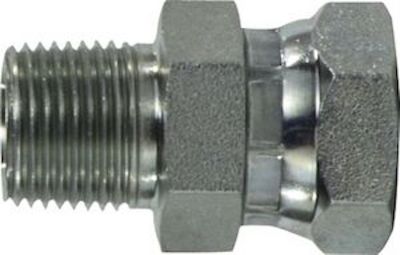
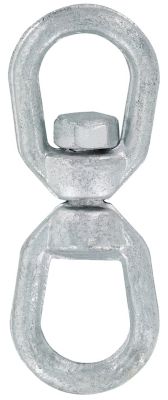
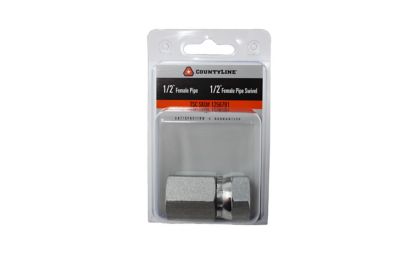
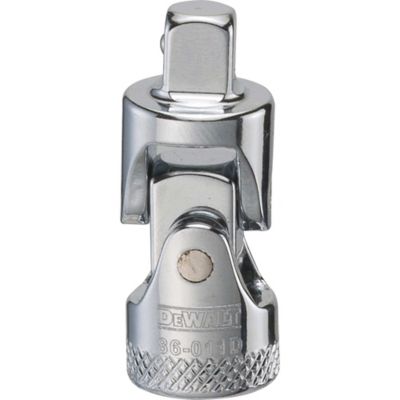
Swivel joints are mechanical connections that let a hose or pipe connection rotate while maintaining a sealed passage for fluid or air. Many designs allow 360-degree rotation, but the permitted movement depends on the joint’s construction and intended application. On a farm, in a repair shop, or around a working property, that movement can help keep a hose from twisting as connected equipment changes position. Picture a hose feeding a rotating reel, an air line following a moving tool, or a fluid line connected to an articulated piece of equipment. A properly matched swivel joint gives that connection room to turn without forcing the hose to absorb every change in direction. These fittings can also make a tight equipment layout more manageable, especially where a straight connection would leave a hose rubbing against a frame or bending sharply near its end. Straight and angled configurations serve different routing needs, and their shape affects both clearance and the direction a line takes after the connection. A swivel joint is not the same as a universal joint in a driveshaft: the former maintains a passage through a rotating connection, while the latter transfers mechanical power between shafts. There is also an important difference between a connection that swivels for installation and one designed to rotate during operation. A swivel nut may help position a hose or tighten a fitting without twisting the line, yet that alone does not make the fitting suitable for constant movement. Farmers, equipment operators, mechanics, and property owners all have reasons to pay attention to that distinction. The best match depends on what flows through the connection, how much pressure the system develops, and whether the movement is occasional, repeated, or continuous. Those details matter more than a fitting’s outward resemblance to the part it replaces, particularly on equipment where a small connection carries a demanding workload.
Materials, seals, and connection dimensions all play a part in how a swivel joint fits into a working system. Depending on the application, joint bodies may be made from steel, stainless steel, brass, or other materials selected for particular service conditions. Steel can suit demanding mechanical environments, stainless steel may offer corrosion resistance for certain fluids and surroundings, and brass can be appropriate for some water or air connections. No single material suits every job, and the body material is only part of the picture. Internal seals must also be compatible with the fluid, whether that is hydraulic oil, water, compressed air, or another medium specifically permitted by the manufacturer. A joint intended for water service should not be assumed suitable for fuel, agricultural chemicals, breathing air, or high-pressure hydraulics. Pressure ratings apply to the complete connection, including its seals and mating fittings, rather than just the metal body. Fit deserves the same attention. Thread size, thread standard, sealing style, and male or female ends all affect compatibility, and fittings that appear close in size may not form the right connection. Pipe threads, flare connections, and O-ring sealing arrangements work differently; thread sealant is not appropriate for every sealing design. Hose inside diameter and fitting passage size also influence flow, so matching only the outside dimensions can overlook a restriction inside the line. Around a loader, pump assembly, or hose reel, clearance matters just as much as thread engagement. The joint needs room for its intended motion without striking a guard, pulling a hose taut, or placing sideways force on the connection. A compact elbow can help with routing, but any change in layout still needs to respect the hose’s minimum bend radius and the equipment manufacturer’s requirements. For a replacement connection, the equipment specifications and the original fitting’s documented dimensions provide a firmer starting point than appearance alone. That attention helps keep a straightforward repair from creating another problem farther down the line.
Swivel joints earn their place in a system by managing movement at the connection, not by making a hose immune to wear. A line dragging across a rough floor, catching on a hitch, or carrying the weight of unsupported equipment still needs better routing or support. Likewise, a swivel intended for intermittent turning may not suit the repeated rotation of a powered reel or rotating assembly. Rotation speed, loading, mounting position, and service intervals can all affect suitability. On working equipment, sensible care includes keeping exposed connections free of packed dirt, watching for corrosion, and noticing changes such as stiffness, looseness, seepage, or a hose that begins to wind up during movement. A connection that turned freely when installed should not be forced through new resistance without finding the cause. Cleaning methods and any lubrication need to follow the joint manufacturer’s directions, since some assemblies have service provisions while others are sealed units. Keeping protective caps on disconnected lines can help prevent grit from reaching sealing surfaces and the rest of the fluid system. Hydraulic connections call for particular caution: pressure must be relieved according to the equipment instructions before service, and suspected pinhole leaks must never be checked with a hand. Fluid under pressure can penetrate skin even when the leak looks small. For owners who maintain several machines, keeping connection specifications with service records makes future repairs less of a guessing game and helps distinguish similar-looking fittings assigned to different duties. Elsewhere in the shop,
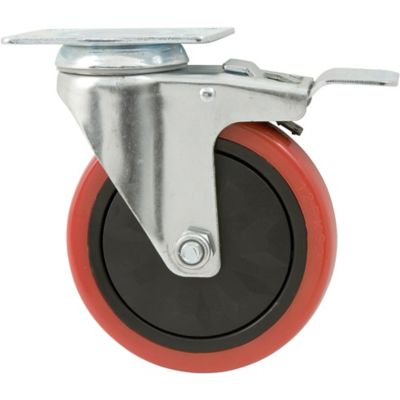
Swivel Caster Wheels help carts and rolling benches change direction, but their rotating mounts serve a different purpose from a sealed fluid connection. For hoses and piping, the useful combination is the right passage size, compatible materials, suitable pressure and motion ratings, and enough clearance to move as intended. Together, those details help a swivel joint support everyday work without putting unnecessary twist into the line.