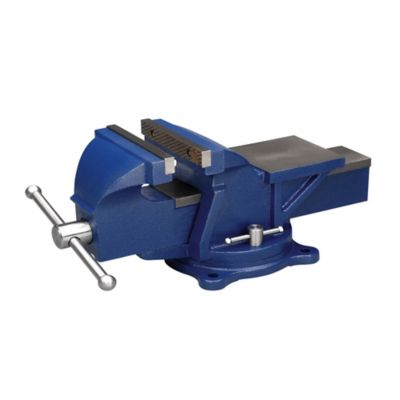
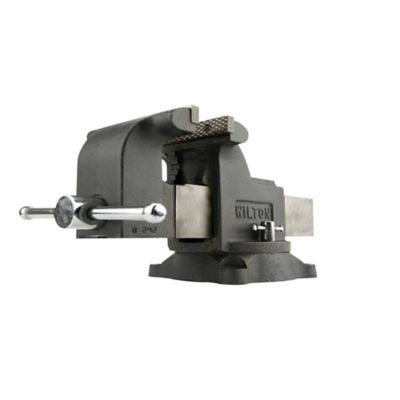
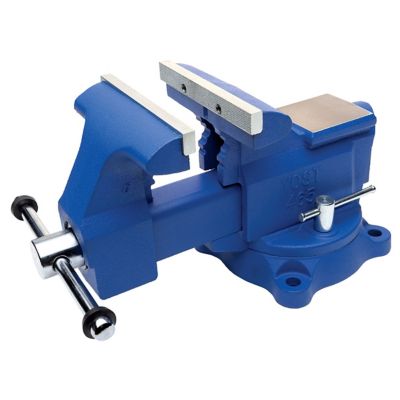
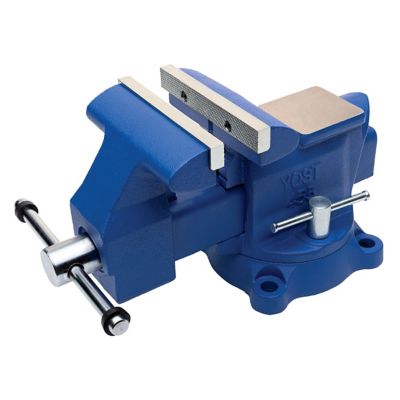
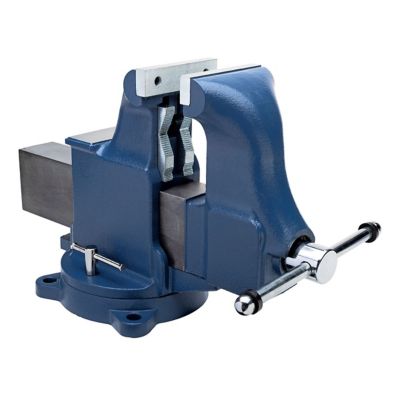
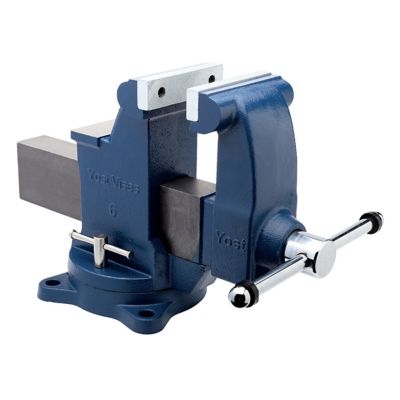
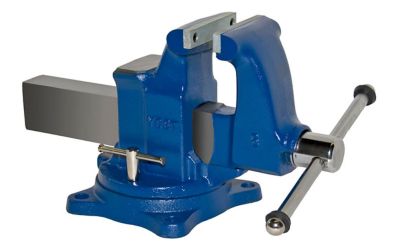
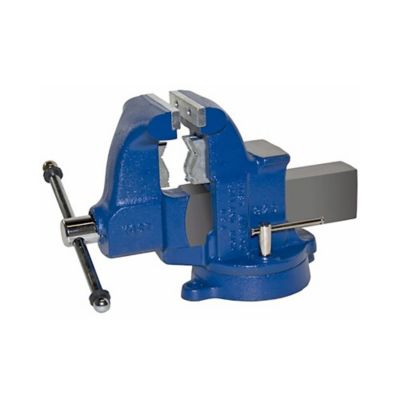
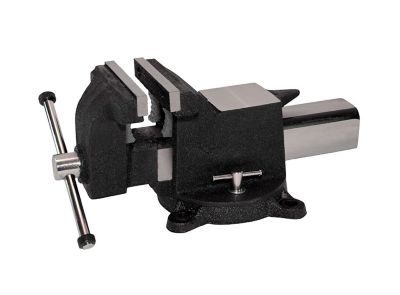
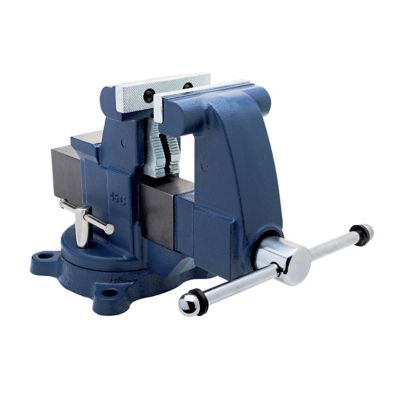
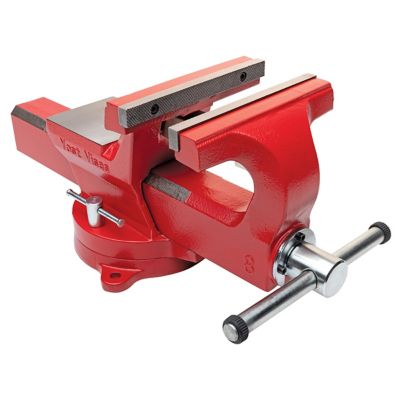
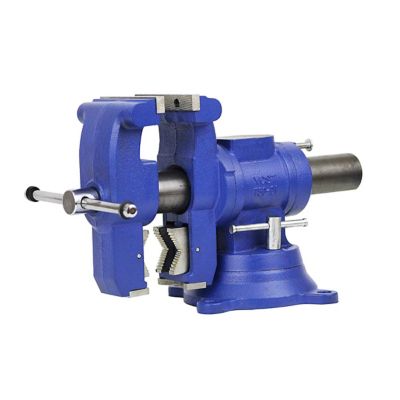
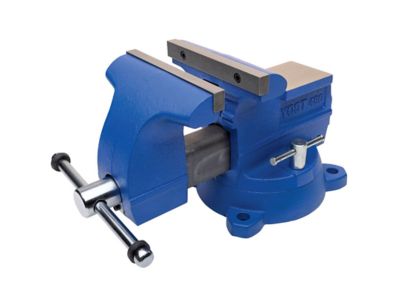
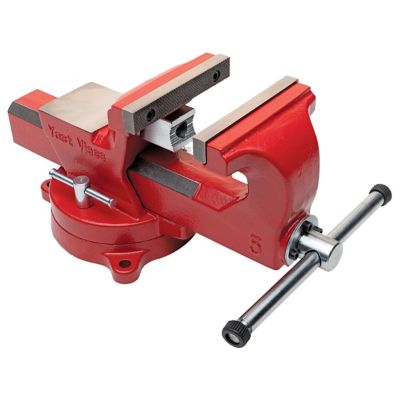
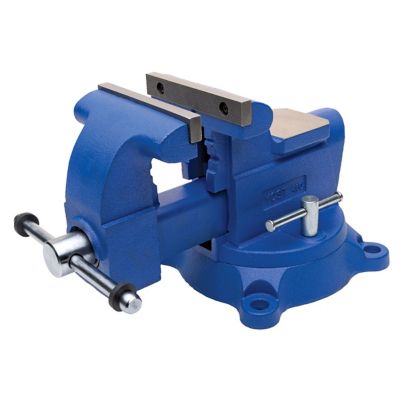
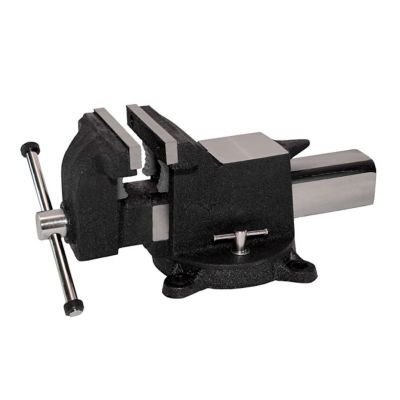
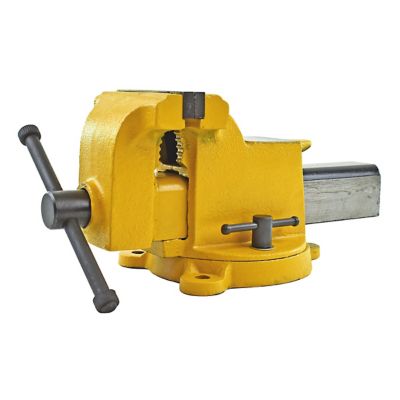
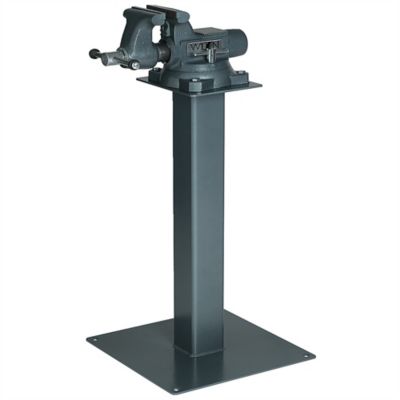
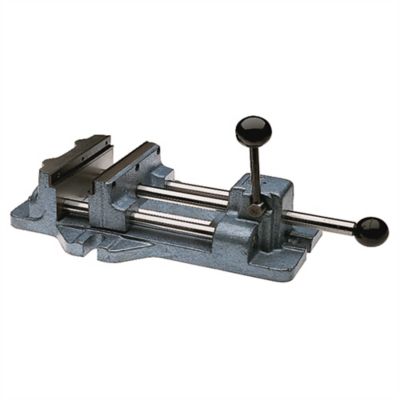
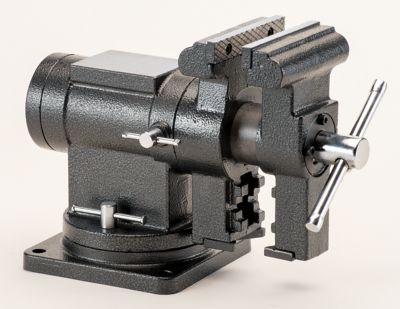
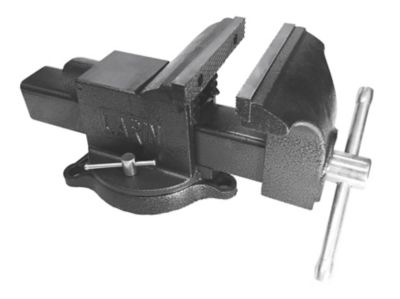
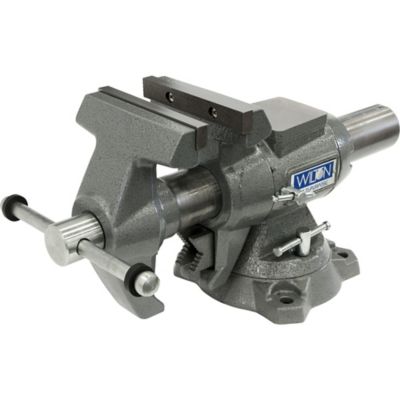
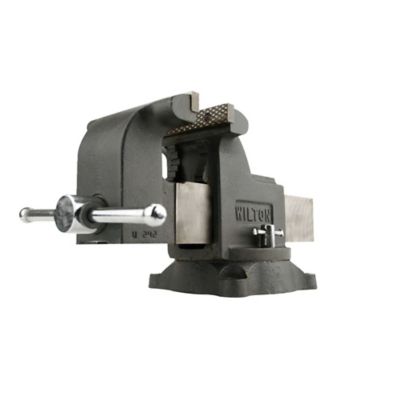
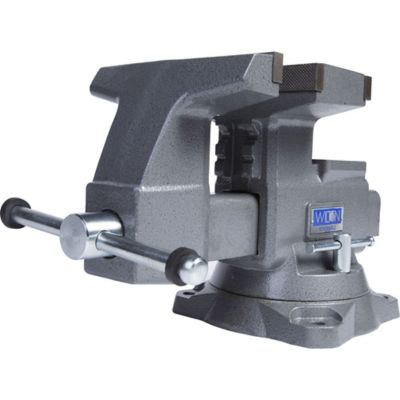
Swivel base vises bring a firm grip and an adjustable working angle to the farm shop, garage, or repair bench. These bench-mounted workholding tools have a base that turns, letting the vise face a different direction without moving its mounting bolts. Many designs offer a full 360-degree swivel, while others have a more limited range of travel. Once the base is locked in position, the jaws hold a workpiece steady for tasks such as filing a rough steel edge, cutting threaded rod, or cleaning up a bracket before it goes back on a gate. That adjustment can make a real difference at a crowded bench: a long piece of angle iron may clear the wall when the vise turns outward, while a smaller part can face the bench light for a closer look. Turning the base changes the direction of the clamped workpiece, but it does not flip the piece over; a rotating head is a separate feature found on some vise designs. For farmers, mechanics, welders, and folks who tackle their own equipment repairs, that distinction matters when matching a vise to everyday work. A straightforward swivel bench vise can handle a wide range of holding jobs, while a design with additional jaw positions may suit more varied shapes. Common features include serrated metal jaws, a sliding jaw driven by a screw, a crossbar handle, and one or more base locks. Some designs also have pipe jaws beneath the main jaws or a small anvil surface behind them. Each feature serves a different purpose, so overall size alone does not tell the whole story. A vise that fits the work, clears nearby tools, and leaves room to turn the handle is often a better bench companion than one chosen simply for its heft. It can also make a practical gift for someone setting up a home shop, provided the mounting space and usual projects are already known.
Jaw width, jaw opening, and throat depth describe three different parts of a swivel base vise’s working capacity. Jaw width is the side-to-side span of the gripping faces, while jaw opening is the maximum distance between the jaws. Throat depth measures the reach from the top of the jaws down toward the slide or other obstruction below, affecting how far a piece can sit inside the vise. A broad jaw face spreads contact across a wider area, but it does not necessarily mean the vise opens farther or accepts a deeper part. Those differences show up when a flat mower bracket fits easily across the jaws but a taller assembly needs more clearance underneath. Pipe jaws add another consideration, since their rated diameter range determines which round pieces they can grip properly. Body construction matters as well. Gray cast iron is common in general-purpose bench vises and provides useful mass and stiffness, though it is more brittle than ductile iron or forged steel. Ductile iron generally offers greater toughness, and forged steel can better resist impact and demanding loads when the vise is designed for that work. Material alone is not a promise of capacity; the slide, screw, jaw supports, base, and mounting arrangement all contribute to performance. A small anvil pad is intended only for work within the manufacturer’s limits, not as a substitute for a full-size anvil under heavy hammer blows. Replaceable jaw inserts can extend service life, and removable soft jaw covers help protect aluminum, finished hardware, or wood from marks left by serrated faces. Covers still need to suit the task, particularly around heat, oil, or sharp edges. For work involving welding, the ground connection belongs directly on the workpiece near the weld rather than relying on current to pass through the vise’s moving parts. These details help separate a vise suited to occasional household fixes from one intended for frequent metalworking and equipment maintenance, without assuming every large vise is built for the same demands.
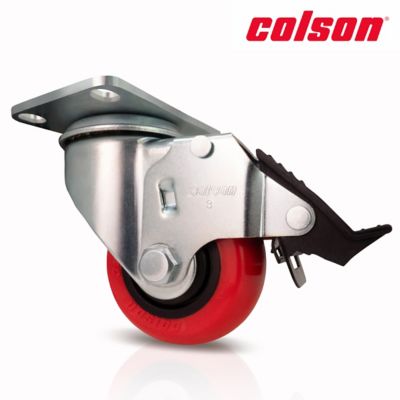
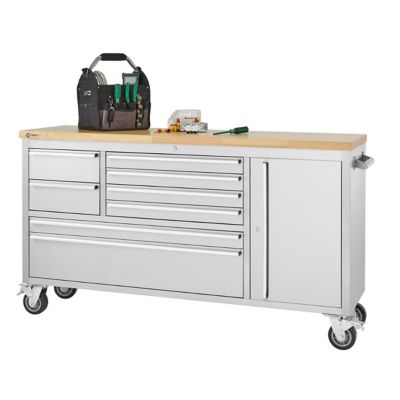
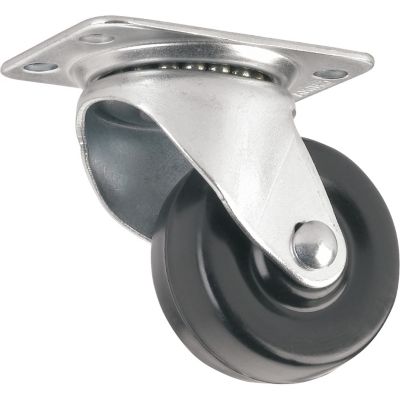
The bench beneath a swivel base vise is just as important as the tool bolted to it. A substantial top, sound frame, and mounting hardware matched to the manufacturer’s directions give the vise a steady foundation. Through-bolts with suitable washers or a backing plate can spread the load where the bench construction allows, while the mounting-hole pattern determines how the base fits the chosen location. Near a bench corner, the fixed jaw often needs enough clearance for a long workpiece to hang vertically without striking the bench edge. There also needs to be room for the handle, the turning base, and the operator’s hands. A swivel base adds height and another locking joint compared with a fixed-base arrangement, so working height and resistance to movement deserve attention, especially for forceful filing or sawing. General-purpose swivel bench vises are not interchangeable with machine vises rated for milling or other machine-tool operations. On a mobile workbench,
Swivel Plate Caster Wheels affect how the whole setup moves and settles into place; suitable load ratings and a way to keep the bench firmly stationary matter before any clamping work begins. Long stock may also need a separate support so its weight does not twist the jaws or tip the bench. Day-to-day care is fairly straightforward: brush away filings, wipe off grime, and lubricate the screw and sliding surfaces as the manufacturer recommends. Jaw faces should stay free of buildup that interferes with grip, and mounting bolts and swivel locks need periodic checks for looseness. A handle that turns smoothly under normal hand pressure is preferable to one forced with an extension pipe, which can overload the screw or body. With sensible upkeep and a secure installation, a well-matched swivel vise earns its place through ordinary jobs: holding a stubborn nut for cleanup, steadying a hinge for filing, or gripping a small assembly while both hands stay free to work.