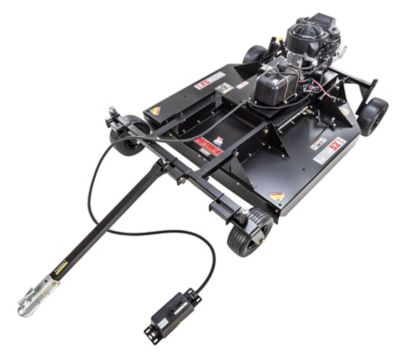
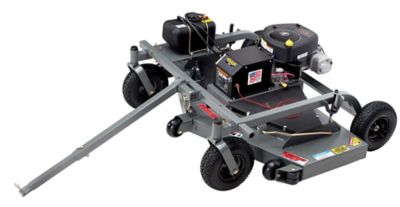
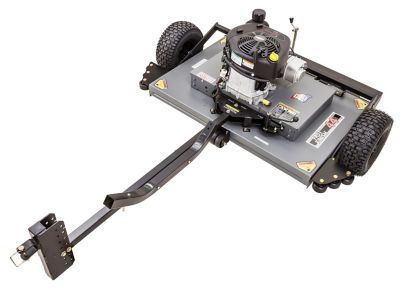
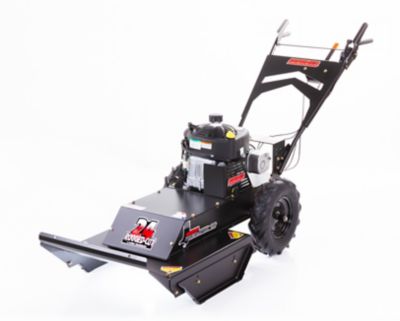
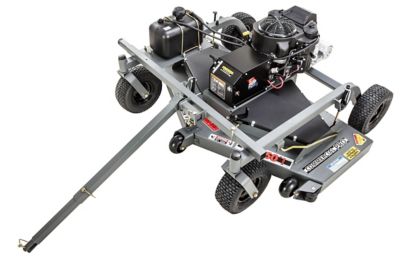
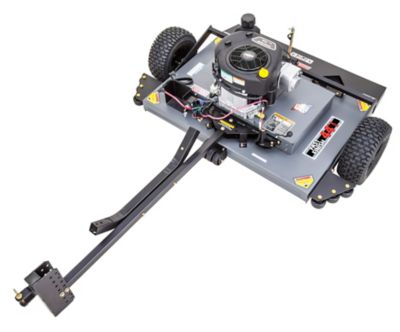
A trail mower is a tow-behind mower that brings a separate cutting deck and its own engine to an ATV, UTV, or lawn tractor, provided the towing setup meets both manufacturers’ requirements. It’s a practical fit for acreage where the stretch from the backyard to the far fence takes more than a few quick passes. Rather than drawing blade power from the tow vehicle, a gas-powered trail mower runs its blades independently while the vehicle pulls it across the grass. That arrangement suits homeowners with broad lawns, folks keeping grass lanes open between outbuildings, and landowners maintaining regularly mowed areas around a homestead. The distinction between a finish-cut trail mower and a rough-cut trail cutter matters, though, because they serve different jobs. Finish-cut equipment is intended for established grass that gets regular attention, with a cut suited to open lawns and maintained grounds. Rough-cut equipment is built for heavier vegetation, such as tall weeds and brush, within the limits listed for the machine. A grassy path to the garden and an overgrown stretch behind the barn may look like parts of the same chore, but they can call for different cutting equipment. Sapling capacity, blade design, and allowable vegetation vary, so the machine’s specifications matter more than a broad brush-clearing claim. For routine mowing, a wider deck can cover more ground per pass, while a narrower deck may fit better through gates or along winding grass lanes. An offset-capable hitch can position a compatible mower beside the towing vehicle instead of directly behind it. When paired with a suitable riding mower, that layout can increase the combined cutting swath, although overlap and the actual setup determine the gain. Across open, suitable ground, that extra coverage can mean fewer trips from one end of the property to the other. The best match starts with the grass, terrain, and access points that make up the everyday job.
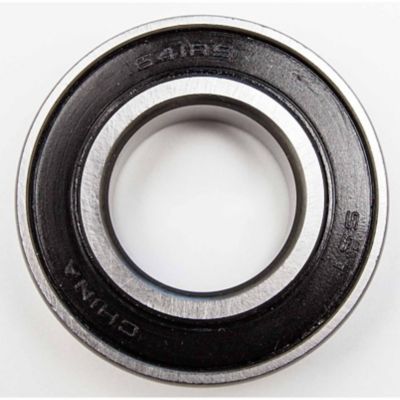
Deck construction, cutting height, wheel placement, and hitch fit all affect how a trail mower handles those acres. Steel decks are common in this equipment category, but metal thickness, reinforcement, finish, and overall design vary. A deck needs to stand up to normal mowing conditions without turning every bump into contact with the ground, and wheels, bearings, and attachment points share that workload. Adjustable cutting height gives a landowner room to match the cut to the grass and growing conditions. Keeping enough grass height can also help avoid scalping uneven spots, though height adjustment doesn’t make rocky or badly rutted ground suitable for mowing. On a property with gate openings, shade trees, and a narrow equipment shed, the mower’s full outside dimensions matter as much as its stated cutting width. Tires, discharge components, and the hitch can extend beyond the blade path, while the combined vehicle-and-mower length affects turns and storage space. Compatibility goes beyond whether a hitch pin fits. Tow ratings, approved connection type, hitch height, tongue weight, operating speed, and slope limits all need to align with the mower and towing vehicle manuals. An articulating hitch may allow movement over changing ground, but it doesn’t remove rollover risks or make a ditch safe to mow. Offset operation likewise requires attention to deck position, obstacles, and the limits of the complete setup. Picture a straight run alongside a fence: a side-positioned deck may help reach the grass while the vehicle stays farther away, but posts, wire, and discharge direction still need plenty of clearance. Engine output should suit the deck and intended vegetation, rather than serving as the only comparison point. Starting arrangements may include recoil or electric start, with electric-start systems bringing battery-care requirements. For a look at riding-mower equipment alongside tow-behind options, the
Troy Bilt Horse Mower page offers a related place to browse. Any towing combination still needs its own compatibility check.
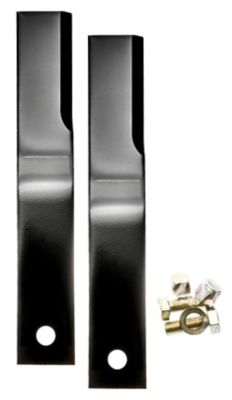
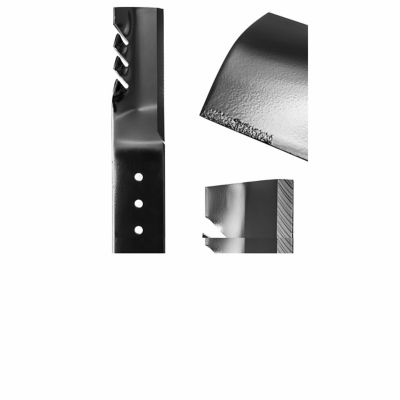
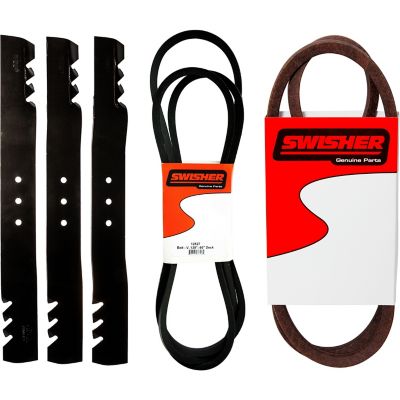
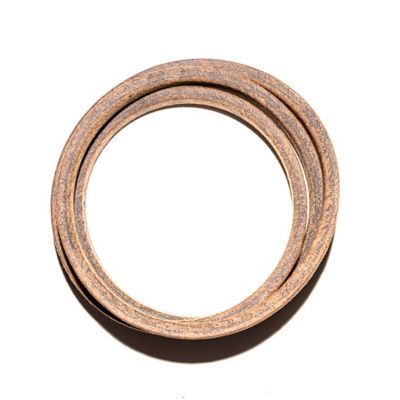
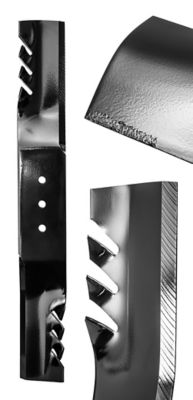
A trail mower also needs to fit the way equipment gets cared for around the place. Easy access to oil checks, filters, grease points, belts, and blade-service areas can make routine attention less of a chore after a long afternoon outside. Grass buildup beneath a deck can interfere with cutting and hold moisture against metal, so cleaning according to the manual helps protect the deck and keep discharge paths clear. Before cleaning, inspecting, or servicing, shut down the equipment, wait for moving parts to stop, and follow the prescribed steps to prevent an unexpected start. Deck access requires the proper support and service procedure, not a makeshift lift. Sharp, properly maintained blades help finish-cut equipment leave a more even lawn; rough-cut blade assemblies need inspection and care specific to their design. Belts, fasteners, tires, wheel bearings, and hitch connections also deserve attention at the intervals set out by the manufacturer. A machine that begins vibrating, cutting unevenly, or making an unfamiliar noise needs inspection rather than another pass across the field. Before mowing, a walk through the work area can turn up fallen limbs, loose fencing, stones, and other objects hidden in the grass. People, pets, and livestock need to stay clear of the operating area and discharge zone, with guards and shields in place. During the cooler months, fallen leaves can hide obstacles, and wet grass or soft soil may call for postponing the job until conditions improve. As mowing slows down, fuel-system care, battery maintenance where applicable, and sheltered storage help prepare the equipment for its next stretch of work. Storage space should allow the mower to sit securely without leaving its tongue across a busy walkway. For anyone tending a large home place, the appeal of tow-behind mowing is straightforward: broader coverage with a setup matched to the land and the vehicle already doing chores. Thoughtful sizing and steady care help make that equipment a useful part of keeping lawns, grass lanes, and open spaces in shape.