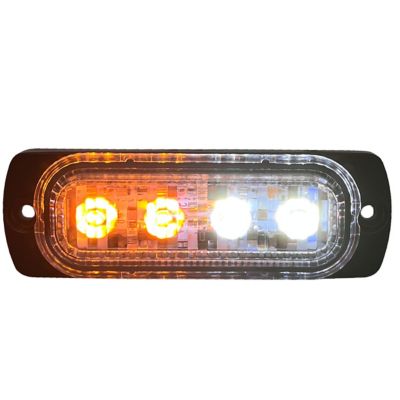
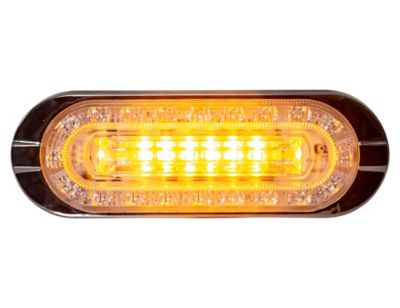
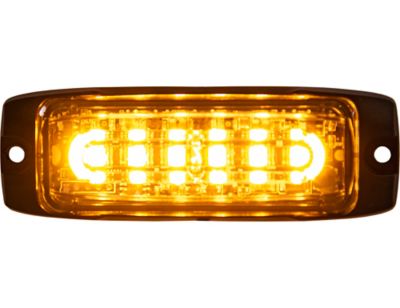
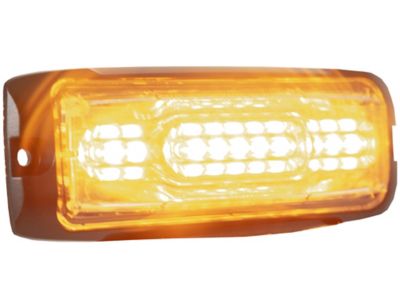
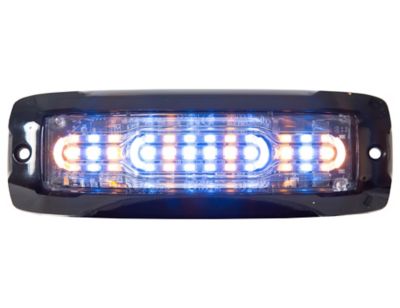
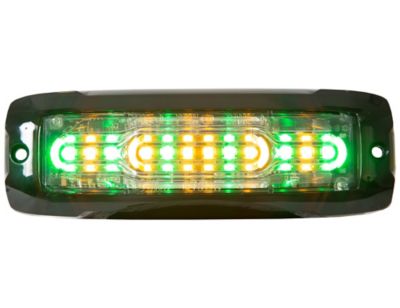
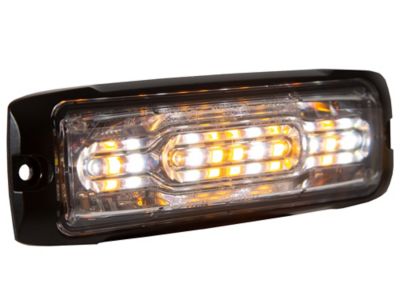
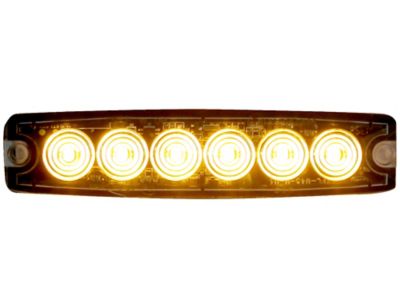
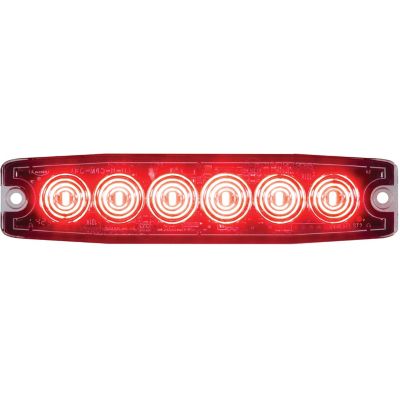
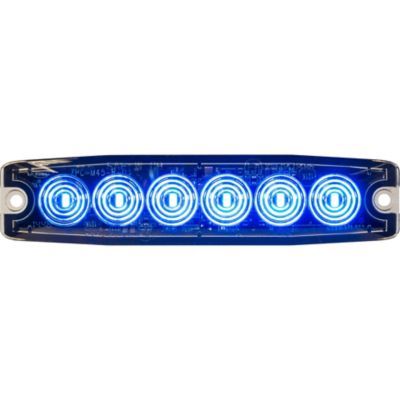
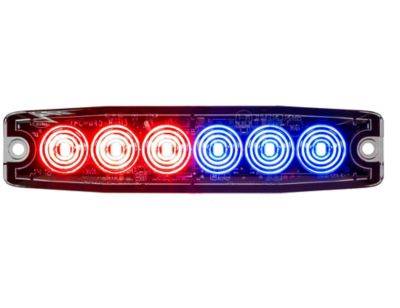
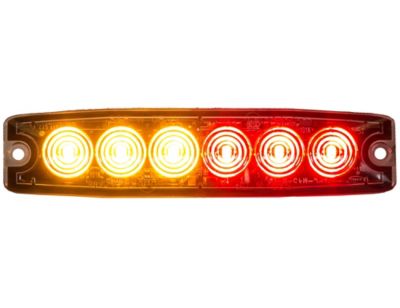
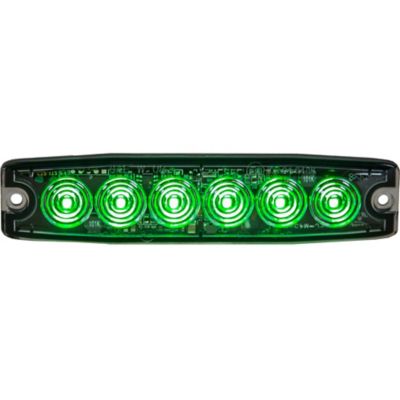
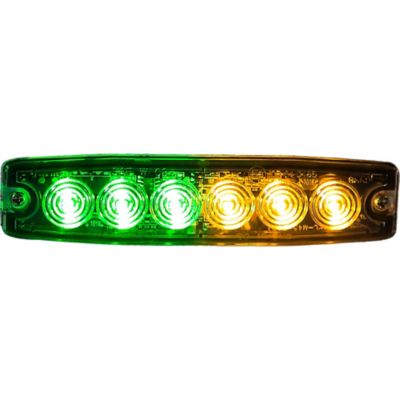
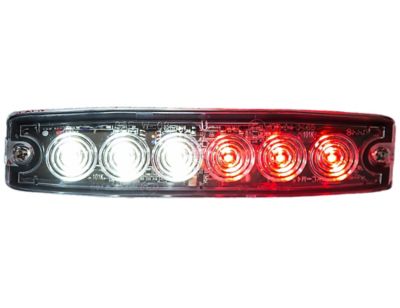
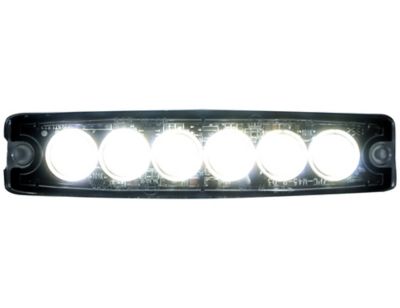
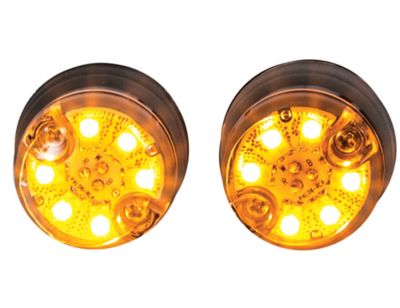
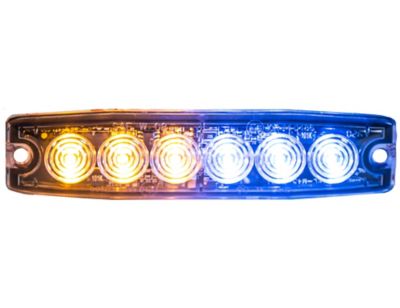
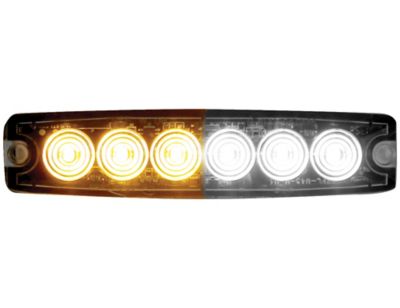
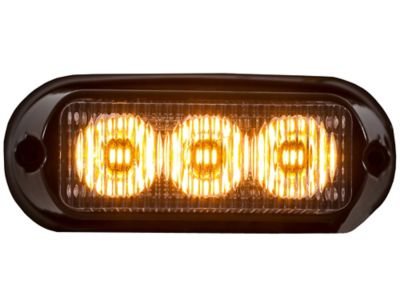
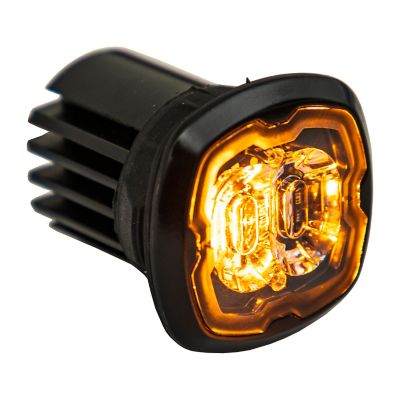
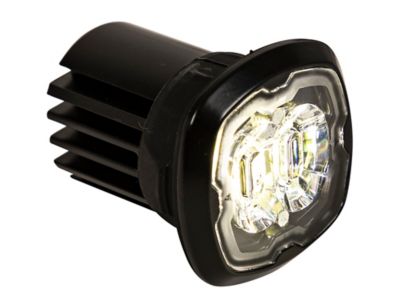
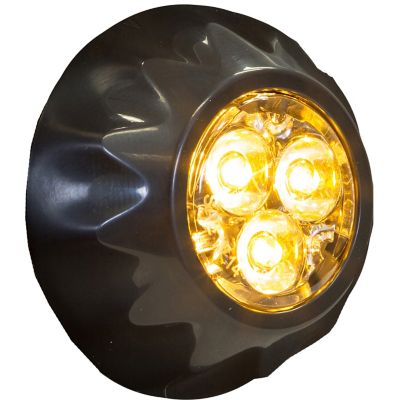
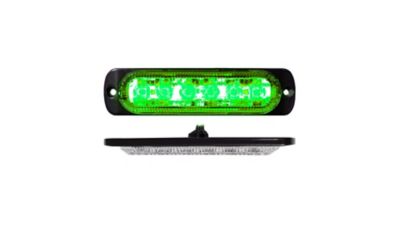
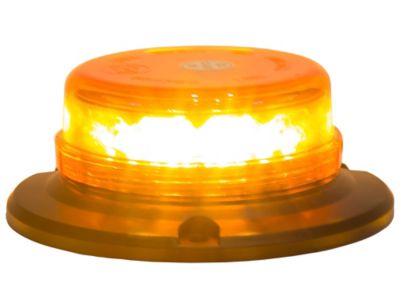
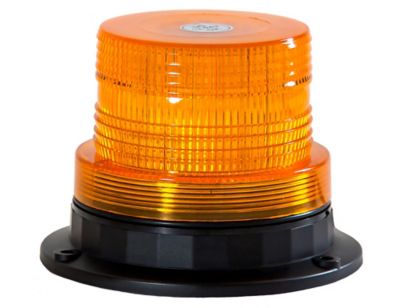
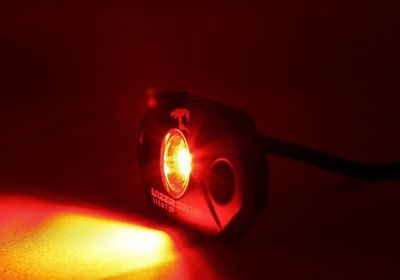
Surface mount strobe lights are compact warning lights that attach directly to a vehicle or piece of equipment, usually on a flat mounting surface. Unlike recessed lights, they generally do not need a large opening cut into a body panel, though screw holes and a small wire passage may still be necessary. Their low-profile shape keeps the housing close to the mounting point, making them a practical fit for work trucks, utility trailers, service bodies, and farm equipment where space matters. For a fencing crew stopped beside a driveway or a maintenance truck working near a busy equipment yard, a flashing light helps call attention to the vehicle and the work around it. These lights signal a need for caution; they do not take the place of headlights, brake lights, turn signals, or required reflectors. Many surface mount warning lights feature LEDs, which produce distinct flashes with relatively modest electrical demand. The lens and internal optics shape how that light travels, so viewing angle matters just as much as the impression a light makes when viewed straight on. A light facing the rear of a service truck may be easy to see from behind yet less noticeable to someone approaching from the side. Placement, beam spread, and the layout of the whole vehicle all affect visibility. Depending on the design, flash options may include single flashes, repeated bursts, alternating operation, or synchronized flashing across several compatible light heads. A clear, coordinated warning signal is more useful than a jumble of unrelated patterns. Amber is commonly associated with utility and maintenance work, but permission to display any warning-light color depends on state and local rules, vehicle type, and the job being performed. Red, blue, white, and combinations of colors can carry restrictions. Even on familiar rural roads, lighting should match the vehicle’s authorized role rather than simply the operator’s preference.
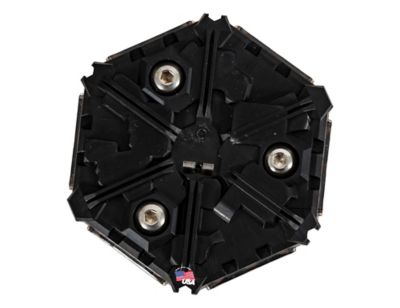
The construction of a surface mount strobe light matters when it spends its working life near tools, gravel, and moving equipment. Housings may feature aluminum or molded polymer, while lenses commonly feature impact-resistant plastics such as polycarbonate. Aluminum can help transfer heat away from the electronics, and a well-supported lens helps protect the components behind it. Materials alone do not tell the whole story, though. Housing seams, wire exits, mounting hardware, and the seal against the vehicle all deserve attention. An ingress protection rating describes tested resistance to dust or water under defined conditions; it does not establish resistance to every cleaning method, chemical, impact, or vibration. For example, an immersion rating does not automatically mean a light can tolerate a pressure-washer nozzle held close to its seals. Separate vibration or impact specifications, when provided, offer more relevant information for equipment that rattles along a field lane or crosses a rough jobsite. Fit starts with the housing’s length, width, and depth, along with the spacing of its mounting holes. A narrow strip between toolbox doors may look like a handy location until the doors swing open and block the flash. Trailer gates, hitch hardware, cargo, and equipment attachments can also obstruct the lens or strike it during everyday work. A flat, supported mounting point helps the light sit properly without twisting the housing or squeezing a gasket unevenly. Some designs attach with screws, while others permit adhesive mounting or brackets specified by the manufacturer. Those attachment methods are not interchangeable unless the installation instructions say so. Surface mounting can simplify placement, but it still calls for checking behind the panel before drilling and protecting any exposed metal around new holes. Fasteners should suit the mounting material, and wiring should stay clear of sharp edges, pinch points, and moving parts. On a working truck, a tidy installation leaves the light visible without interfering with ladders, straps, or access to the bed.
Electrical compatibility is another key part of matching surface mount strobe lights to the job. Many vehicle-mounted designs operate on 12-volt DC power, and some support both 12- and 24-volt DC systems. That range is not universal, so the stated input voltage needs to match the vehicle or equipment supply. Lights intended for an AC-powered industrial installation require a different electrical arrangement and are not direct substitutes for automotive warning lights. Current draw, circuit protection, wire size, grounding, and switch capacity all affect how the setup performs. Connections need proper protection, and the power circuit should have the fuse specified for the installation. A qualified installer can handle applications that involve unfamiliar vehicle electronics or a more involved wiring layout. Some light heads have separate leads for pattern selection and synchronization, but matching wire colors alone is not enough to establish compatibility between different designs. Manufacturer instructions should identify which lights can operate together and how their controls work. For a ranch service pickup that also pulls a trailer, the arrangement needs to account for what remains visible with the trailer attached, not just how the truck looks parked by itself. Warning lights also serve a different purpose from task lighting. Surface mount strobes draw attention through flashing, while
LED Spot Lights direct steady illumination toward a work area or a particular point in the distance. Keeping those roles separate helps prevent a warning-light setup from being mistaken for lighting that supports repairs, inspections, or hitching equipment. Routine care is straightforward: keep lenses clear of buildup with a soft cloth and a cleaner approved for the lens material, inspect mounting points, and check wires for rubbing or loose connections. Abrasive scrubbing and harsh solvents can damage lens surfaces or seals. A walk-around check can reveal a blocked light, a changed flash pattern, or a light head that no longer operates with the others. For farm operators, contractors, and maintenance crews, thoughtful placement and regular checks help these small lights do their part without getting in the way of the work.