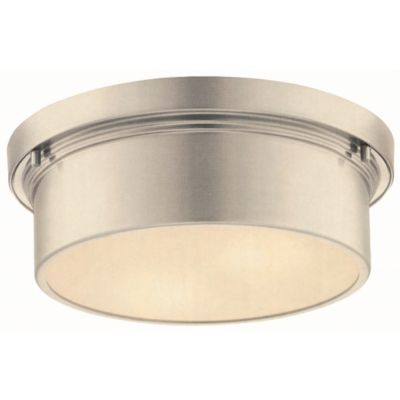
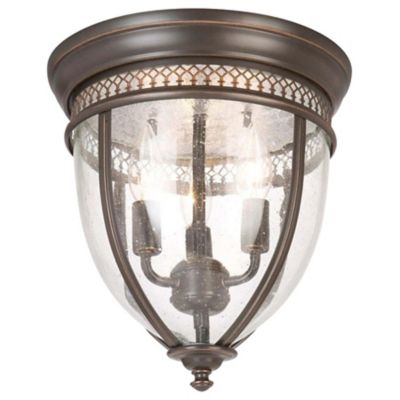
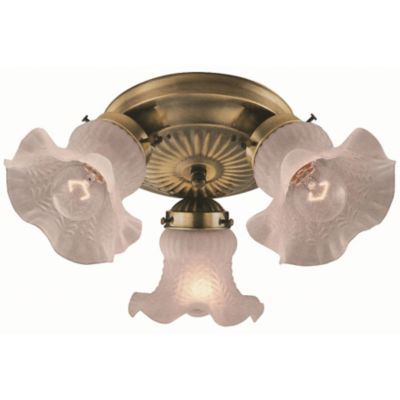
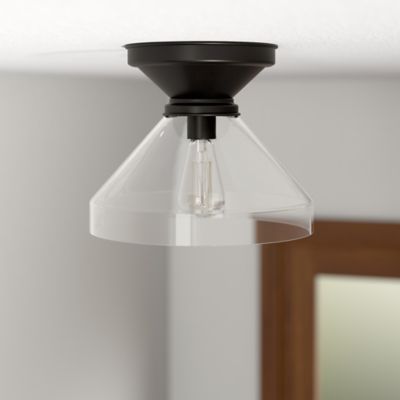
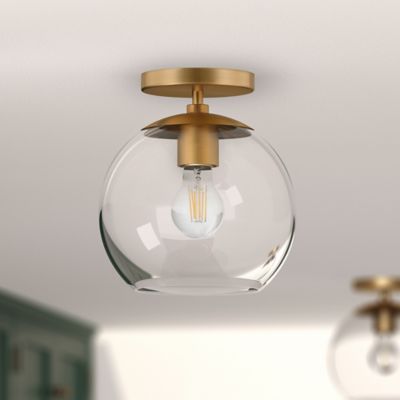
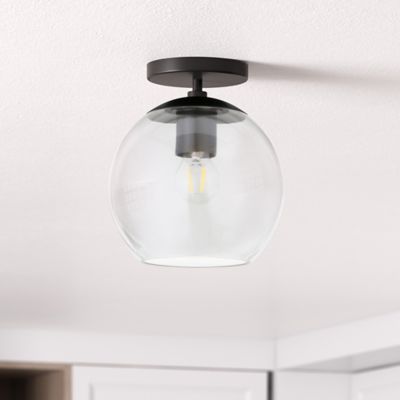
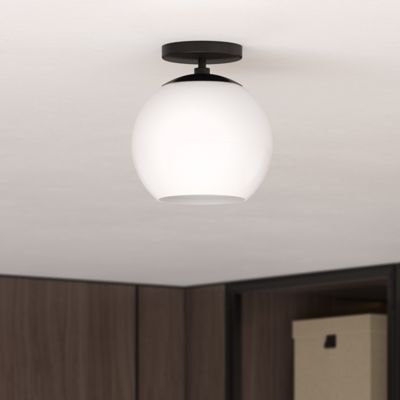
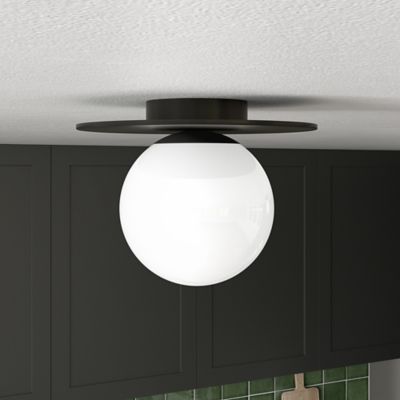
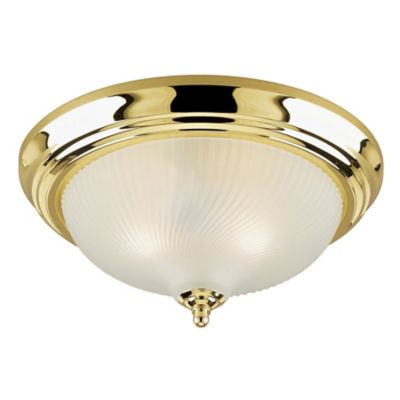
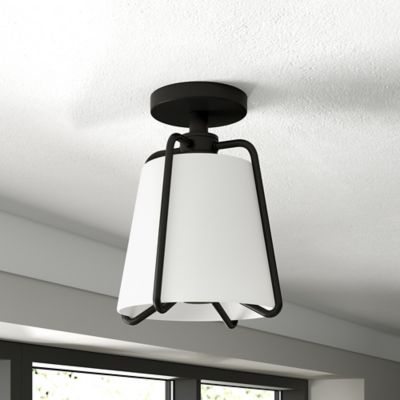
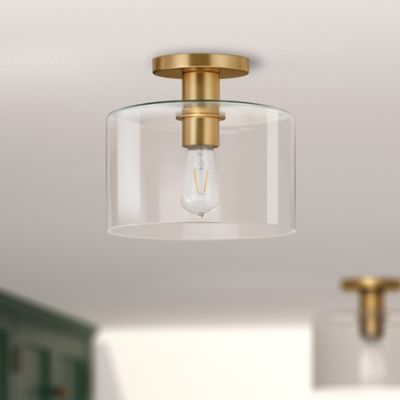
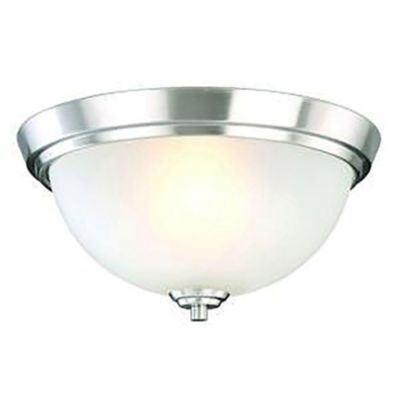
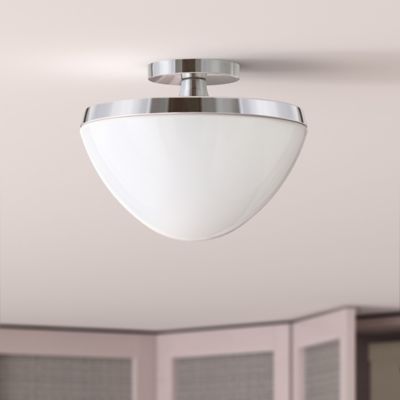
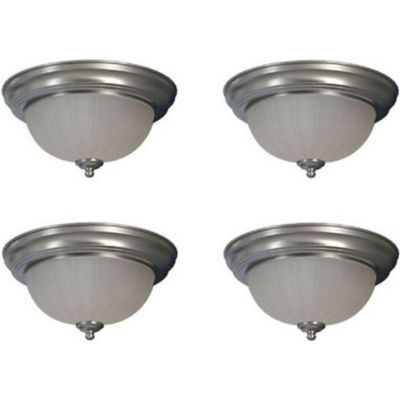
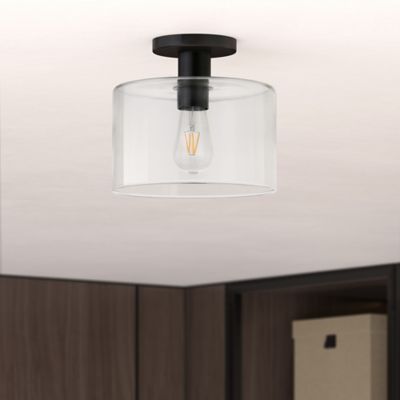
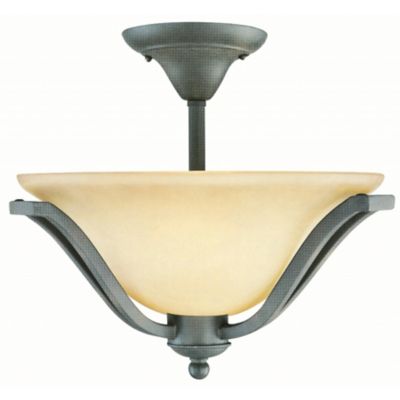
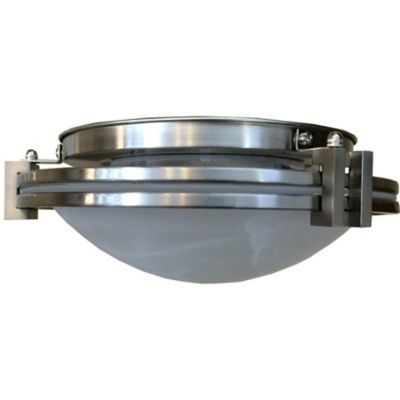
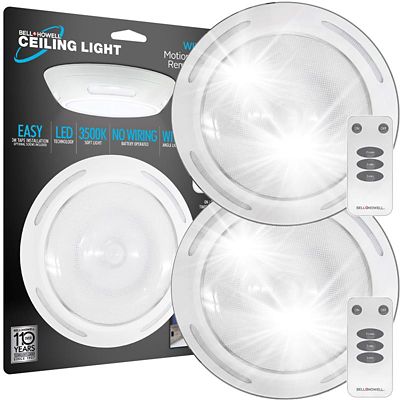
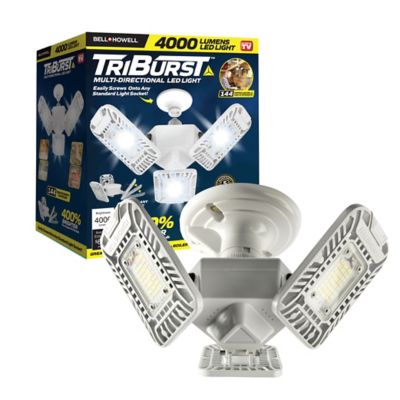
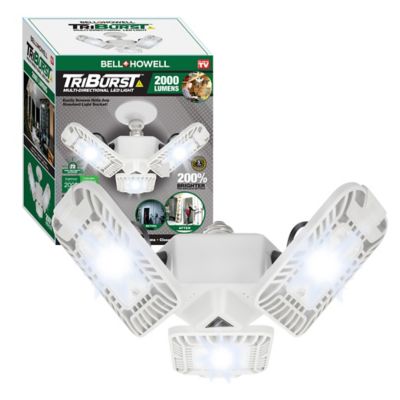
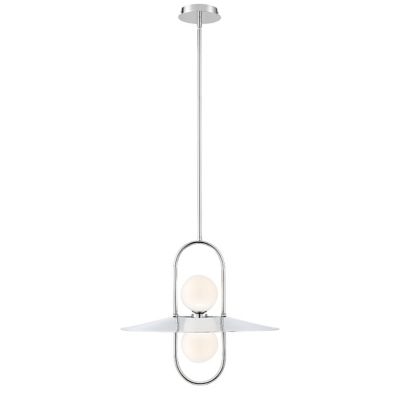
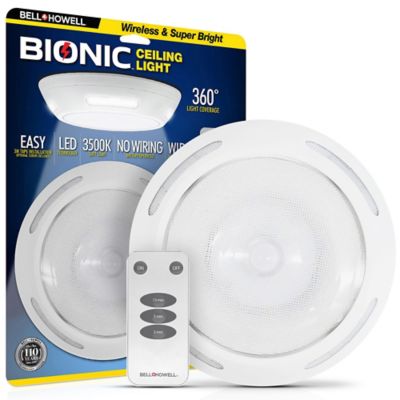
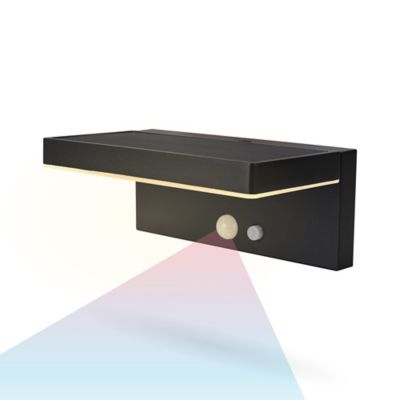
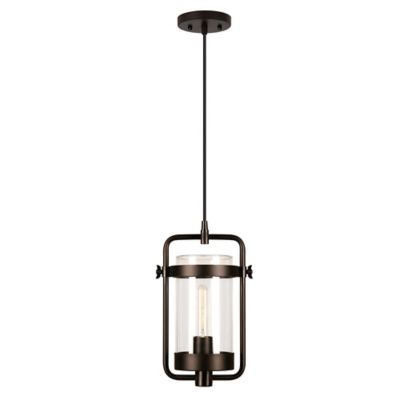
Hallway flush mount ceiling lights sit close to the ceiling and provide general illumination without the drop of a pendant or hanging fixture. Their low profile makes them a practical fit for narrow passageways, lower ceilings, and busy routes between bedrooms, bathrooms, and entry doors. In a farmhouse hallway where folks carry laundry baskets or head toward the mudroom with their hands full, keeping the fixture tucked overhead leaves the passage feeling open. A flush mount generally fits directly against the ceiling, while a semi-flush fixture hangs a short distance below it, so the mounting style matters as much as the look. Overall height and diameter help determine how comfortably a light fits the space. A broad, shallow fixture can suit a wider hall, while a smaller footprint may look more balanced in a short passage between rooms. Long hallways often benefit from several well-spaced fixtures rather than one bright light at the center, especially where turns or doorways interrupt the spread of light. Ceiling height, nearby trim, and the swing of closet doors all affect fit, too. Materials give these lights much of their character: steel and aluminum housings offer a solid frame, glass shades can bring a crisp finish, and acrylic diffusers can keep the assembly lighter. Frosted or opal shades help soften the view of the light source, while clear glass leaves more of the bulb visible. Black, white, bronze, and brushed metal finishes can tie in with door hinges, cabinet pulls, or other fixtures without making a narrow hallway feel busy. A simple round shape keeps the ceiling line quiet, while square or framed designs add a little definition. The fixture’s dimensions, weight, mounting hardware, and electrical requirements still need to suit the existing ceiling box; matching the opening alone does not establish a proper fit. Those practical details help a good-looking light settle into the house without crowding the space.
The best light for a hallway makes the whole passage easy to see, not just the floor directly underneath the fixture. Light output is measured in lumens, while wattage describes power consumption, so comparing wattage alone will not tell the whole story. The amount of light a hall needs depends on its length, width, ceiling height, wall colors, and any light coming through nearby rooms or windows. Dark wood paneling can absorb more light than pale painted walls, and a hall with several corners may need illumination in more than one location. Shade design matters as well. A diffuser that spreads light outward can help soften shadows along walls and doorways, while an exposed bulb may create sharper contrast and more visible glare. Color temperature describes whether the light looks warmer or cooler. Around 2700K to 3000K often gives an inviting glow near bedrooms and living spaces, while roughly 3500K to 4000K offers a more neutral appearance that some households prefer near utility rooms. Keeping adjoining fixtures in a similar range can make the walk from one room to another feel more settled. Color rendering also affects how clearly paint, clothing, and wood tones appear under the light. Hallway flush mount ceiling lights may have integrated LEDs or sockets for replaceable bulbs, and each arrangement has its own upkeep considerations. Integrated designs keep the light source within the fixture, while socket-based designs allow bulb changes within the stated size, base, and wattage limits. Enclosed shades require bulbs rated for that setting. Dimming can be handy when the same hall serves as both a busy daytime walkway and a softer path between bedrooms, but the fixture, bulb, and dimmer must work together. Multiple switches can also make a long passage more convenient to light from either end. Any changes to wiring or controls belong with a qualified electrician, with the fixture’s installation requirements and applicable electrical codes guiding the work.
Everyday upkeep matters in a spot that gets walked through all day but seldom gets much attention overhead. Smooth shades and uncomplicated frames tend to have fewer places for dust to settle than fixtures with deep ridges or intricate metalwork. Glass, acrylic, and painted metal also have different cleaning needs, so the care directions help protect the finish and keep the diffuser clear. With power off and the light cool, routine dusting and gentle cleaning with an appropriate soft cloth can keep buildup from dulling the light. Spraying cleaner directly into the fixture can send moisture toward electrical parts, and abrasive pads can scratch shades or wear away a finish. A stable stepladder and enough room to reach the fixture safely make routine care less awkward. For replaceable-bulb designs, easy shade removal can simplify maintenance, especially in a hall with a lower ceiling. Integrated LED fixtures call for attention to the stated service life, warranty terms, and whether the light engine or driver is serviceable. Location ratings deserve a look as well: an ordinary enclosed hallway may suit a dry-location fixture, but a space exposed to moisture needs a fixture rated for those conditions. A ceiling light should not be assumed suitable for a damp area simply because it sits indoors. Beyond those practical details, consistency helps connected rooms feel like part of the same home. Similar finishes, shade shapes, and light color can carry from an entry passage toward sleeping areas without requiring every fixture to match exactly. For adjoining rooms,
Bedroom Flush Mount Ceiling Lights offer another place to carry that close-to-ceiling look. Whether the setting is a ranch house, a small apartment, or a family home with bedrooms down one long hall, a well-proportioned flush mount brings useful light to the everyday routes that keep the household moving.