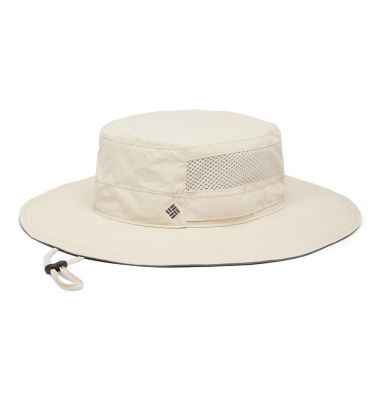
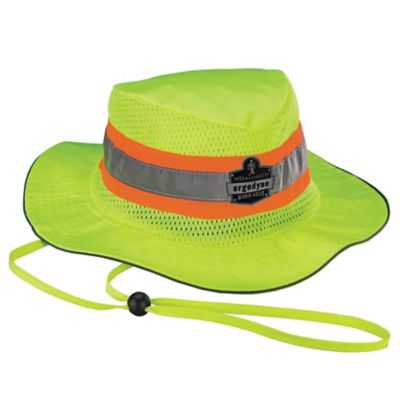
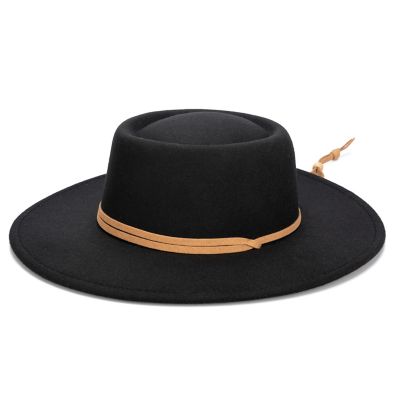
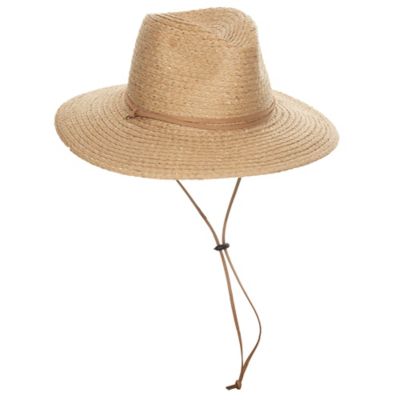
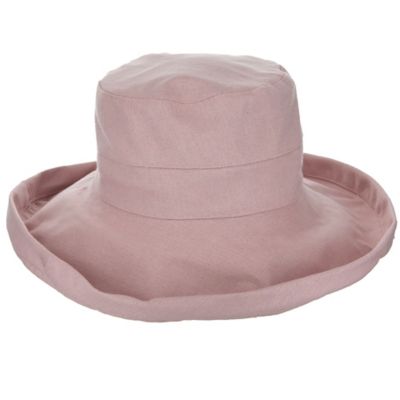
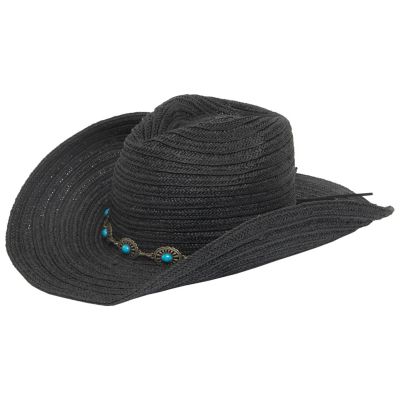
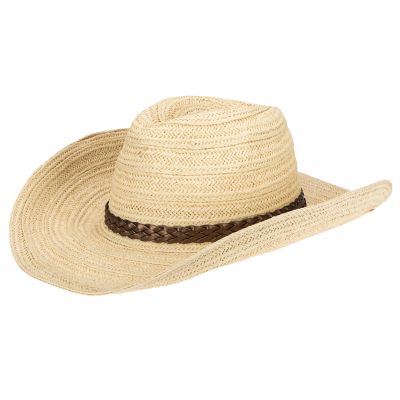
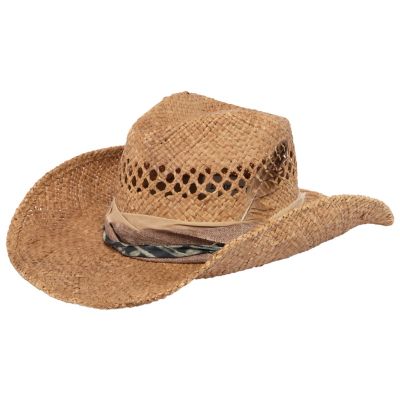
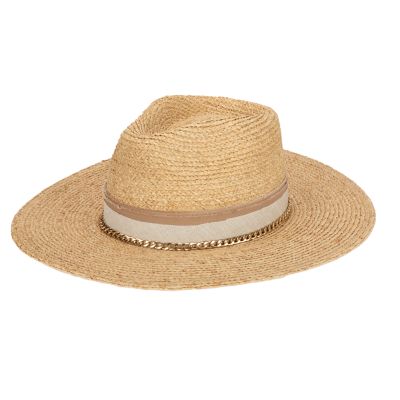
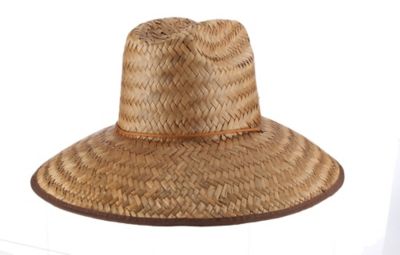
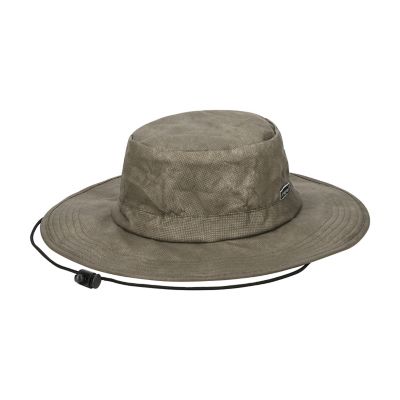
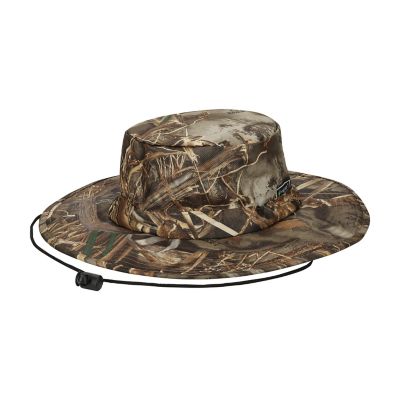
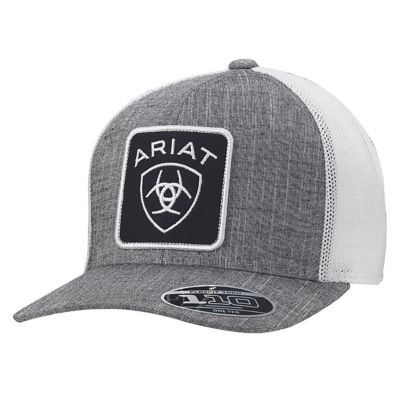
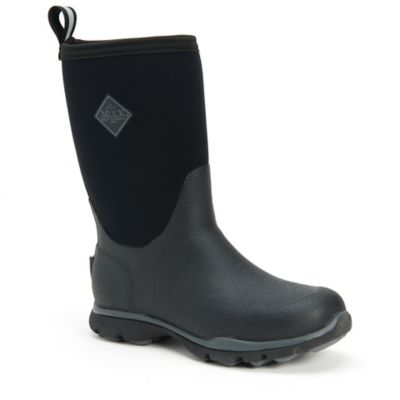
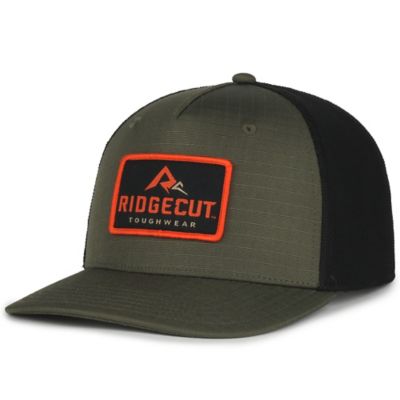
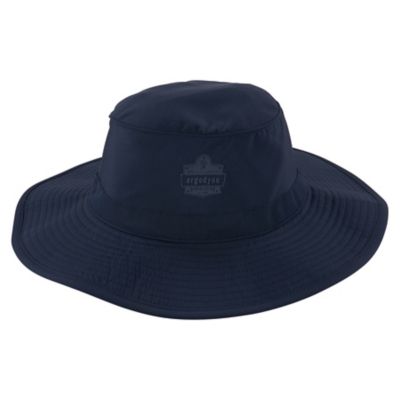
Sun hats for women bring welcome shade to garden rows, fence lines, fishing spots, and afternoons spent watching the grandkids play ball. A good match feels comfortable enough to stay on through the task at hand, with a brim that suits both the work and the setting. Wide-brim sun hats provide coverage around the face, ears, and back of the neck, while bucket hats have a closer profile that can feel less cumbersome on a trail or beside a crowded picnic table. Boonie-style hats often combine a soft brim with practical details such as ventilation and an adjustable chin cord. Straw sun hats have an easygoing look that fits just as well at a roadside produce stand as it does on a lakeside dock. The weave matters, though: visible gaps can let sunlight through, so a loosely woven hat should not be mistaken for strong UV protection. For shoppers comparing sun protection hats, a stated ultraviolet protection factor, or UPF rating, provides more useful information than color or appearance alone. A UPF 50 rating means the tested material blocks at least 98% of ultraviolet radiation; that rating does not mean every part of the head and neck stays covered as the sun’s angle changes. Unrated mesh panels and open weaves can also affect coverage. A brim around 3 to 4 inches wide is a practical starting point for shade, although its shape, tilt, and coverage all matter. A downward-sloping brim can shield more of the face than one that turns sharply upward, while an extended back section adds coverage at the neck. Hats work best alongside sunglasses, sunscreen, protective clothing, and breaks in the shade rather than as a replacement for them. Whether the day involves pulling weeds or walking the county fairgrounds, the right style balances coverage with a clear view of the path ahead. A broad brim should shade the eyes without dipping so low that it becomes a nuisance when looking down at a planting bed or stepping across uneven ground.
Material and fit make a noticeable difference once a hat has been on for more than a few minutes. Natural straw fibers, including raffia and palm, give sun hats texture and structure, with airflow that depends on the tightness of the weave. Paper straw can offer a lightweight feel, but it generally needs extra care around water. Cotton sun hats tend to feel soft against the head, while nylon and polyester styles often suit active outings because many dry faster than cotton after getting damp. Actual performance depends on the fabric, lining, and construction, so care labels and material details deserve a look. A soft inner band helps keep rough fibers away from the forehead, and a moisture-wicking sweatband can make long stretches outdoors more comfortable. Ventilation is handy for chores that involve plenty of movement, provided any openings are considered alongside sun coverage. Fit should feel secure without leaving a tight mark across the forehead or pressing against the tops of the ears. Head circumference measurements are more useful than guessing from a small, medium, or large label, since sizing varies between styles. Adjustable inner bands and drawcords allow a little room for changes in hairstyle, while ponytail openings can help keep longer hair off the neck. A chin strap adds security on an open pasture, a breezy shoreline, or a boat ride, but loose cords need attention around equipment where they could catch. Brim flexibility also affects everyday comfort. A softer brim can be easier to manage while bending over a raised bed, while a firmer brim holds its outline better for walking and standing tasks. Sunglasses should sit comfortably beneath the crown without the hat pushing them down the nose. For travel, packable sun hats save space in a tote or overnight bag, but “packable” and “crushable” are not promises that every hat can be folded any which way. The manufacturer’s packing directions help protect the crown, brim, and internal supports from creases that may not come back out.
Care and construction help a sun hat earn its place by the back door instead of becoming something that only comes out for special trips. Even stitching, a firmly attached sweatband, tidy brim binding, and securely fastened strap attachments are useful details for a hat headed into regular rotation. Fabric hats may allow hand washing or machine washing, but that depends on the label; some contain shaping materials that should never be soaked. Straw and paper straw hats often call for gentle spot cleaning rather than a trip through the washer. A soft brush can lift loose dust, and a lightly damp cloth may handle small marks when the care directions allow it. Sweatbands deserve attention after long days outside, since perspiration and skin oils can build up along the inner edge. Letting a hat dry fully in a shaded, ventilated spot helps keep trapped moisture from lingering. High heat from a dryer, heater, or parked vehicle can distort some materials and loosen adhesives. Between outings, a hat keeps its shape better when it is not wedged beneath boots, feed bags, or other heavy gear. Supporting the crown and keeping the brim in its intended shape can prevent unnecessary bends during storage. These practical details matter for the woman tending a vegetable patch, checking livestock water, or spending a weekend along the river. They matter for gifts, too: an adjustable fit and straightforward care requirements can make a sun hat a thoughtful choice for a gardener, trail walker, or friend who never misses an outdoor gathering. Neutral shades work easily with denim and work shirts, while brighter colors and patterned bands bring a little personality to everyday clothes. Women who enjoy a more structured look may also appreciate
Felt Hats For Women as another option in their hat rotation. For sun-focused outings, coverage, comfort, and a fit that stays put remain the details that count most.