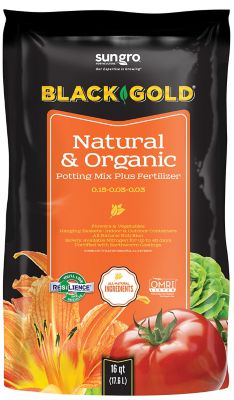
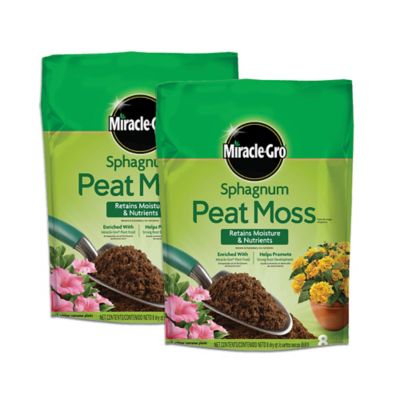
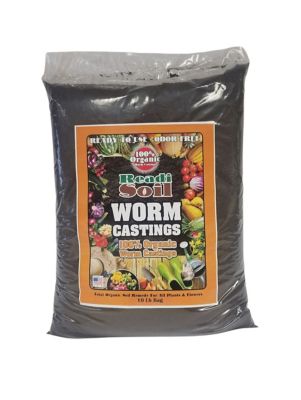
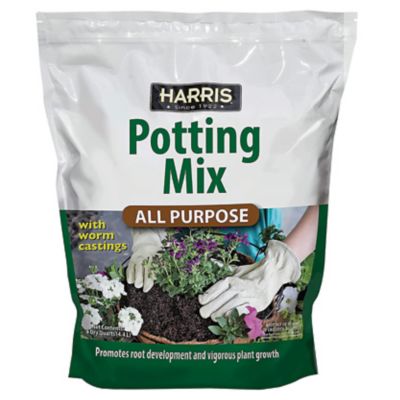
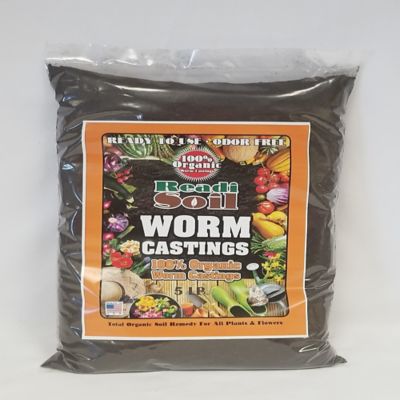
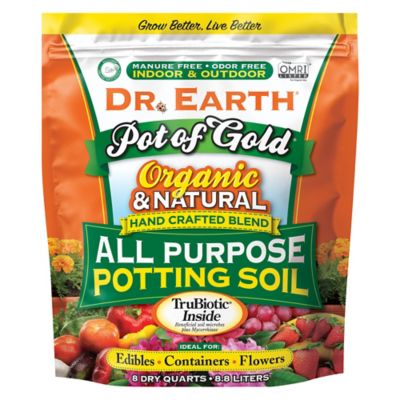
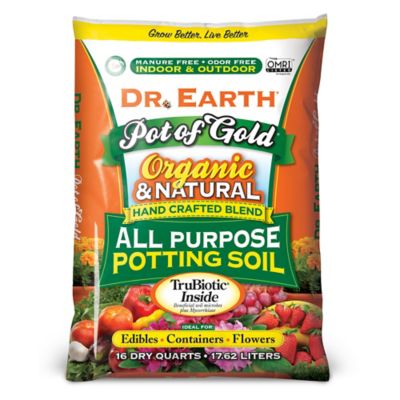
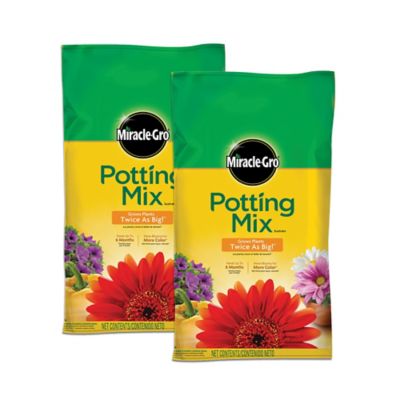
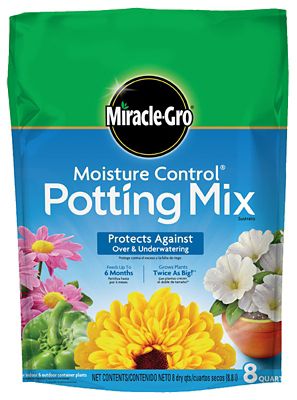
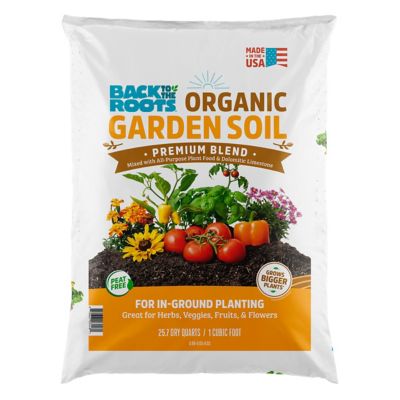
Peat moss has long been a trusted staple for folks looking to give their potting soil a boost, whether you’re tending to a backyard vegetable patch, sprucing up porch planters, or keeping houseplants happy and healthy. Its natural sponge-like texture does wonders for holding onto moisture, which can be a real blessing during those stretches of warm, dry weather when plants seem to drink up every drop you give them. But peat moss isn’t just about water retention—it helps create a light, airy mix that lets roots breathe and stretch out, which is especially important for container gardens where soil can get compacted over time. Most gardeners find that mixing peat moss with compost or worm castings adds a nice dose of nutrients, while a scoop of perlite or vermiculite improves drainage and keeps everything from turning soggy after a summer rainstorm. If you’re working with peat moss straight out of the bag, remember it can be a little stubborn at first—dry peat moss tends to repel water, so it’s best to pre-moisten it before blending it into your mix. Just sprinkle it with water and fluff it up with your hands or a garden fork until it’s evenly damp and ready to go.
Whether you’re a seasoned grower with rows of tomatoes and peppers, or just getting started with a few pots on the porch, peat moss is a versatile addition to your gardening toolkit. It’s a favorite for seed starting since it holds moisture close to delicate roots, and it’s just as useful for established plants that need a little extra help staying hydrated as the days get longer and the sun gets stronger. Even as the weather cools down heading into fall, peat moss helps keep soil from drying out too quickly, making it easier to extend your growing season or keep those decorative planters looking lively. For folks who enjoy gifting, a bundle of quality potting soil ingredients—peat moss, compost, perlite, and maybe a sturdy trowel—makes a thoughtful present for anyone who loves to get their hands dirty, from backyard gardeners to apartment dwellers with a windowsill full of green. And if you’re looking to care for houseplants in particular, you might want to check out our tips and suggestions at
Peat Moss for Indoor Plants for more tailored advice.
With more folks thinking about the long-term health of their soil and the environment, it’s worth considering how and when to use peat moss in your mix. Some gardeners are starting to blend in alternatives like coco coir, which offers similar moisture-holding benefits with a lighter environmental touch. Still, peat moss remains a reliable choice for those looking to improve the structure and performance of their potting soil, especially when used thoughtfully and in combination with other ingredients. No matter your approach, taking the time to build a balanced, well-draining potting mix pays off in stronger, more resilient plants that can handle whatever the season brings. From summer’s heat to the cooler, crisp days of fall, a good soil mix with peat moss at its heart helps keep your garden—and your spirits—growing strong.