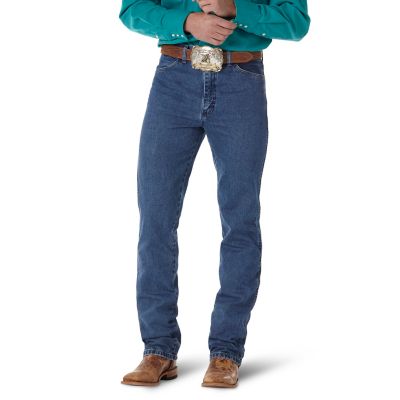
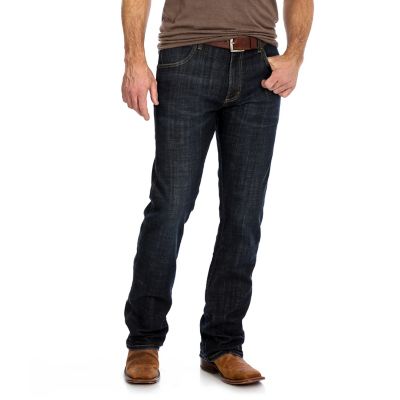
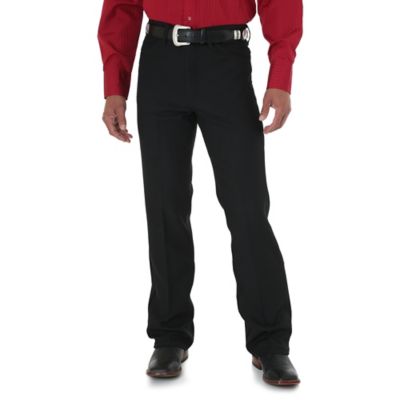
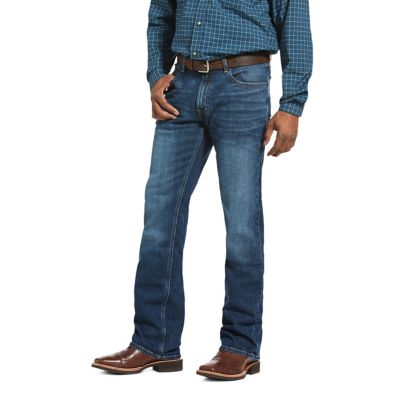
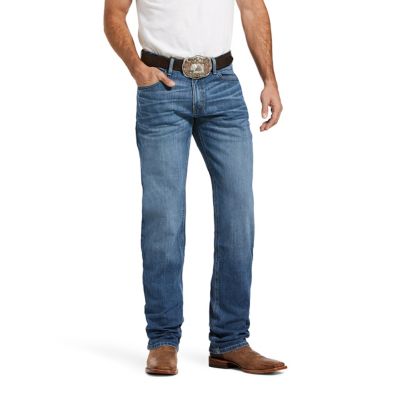
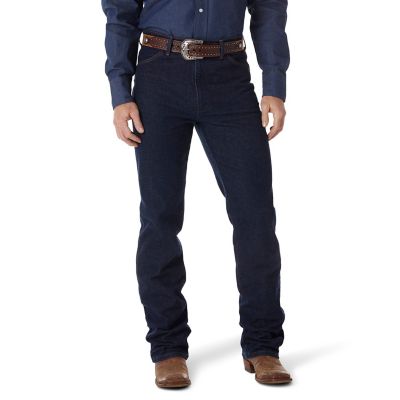
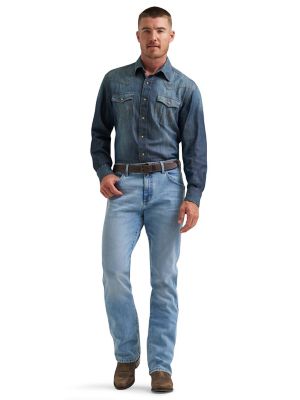
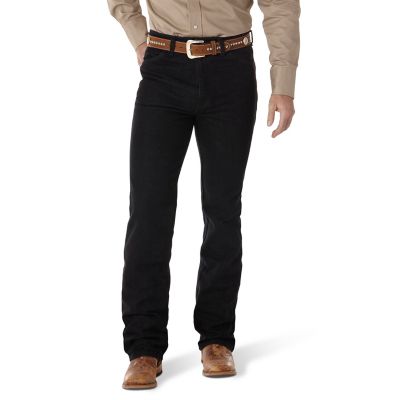
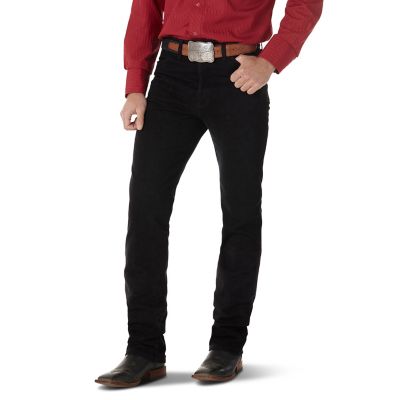
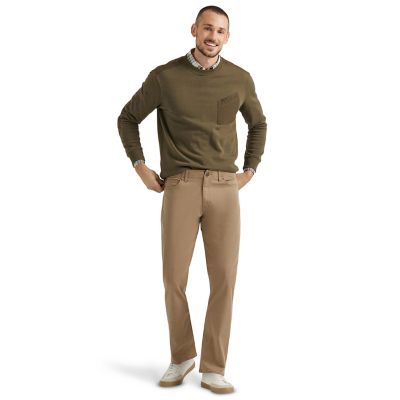
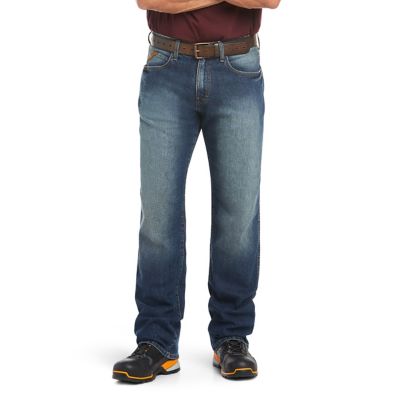
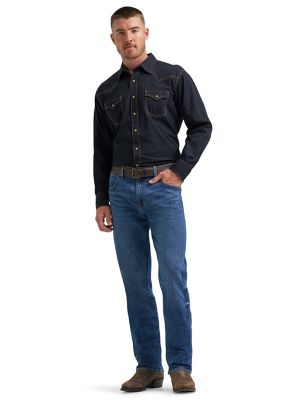
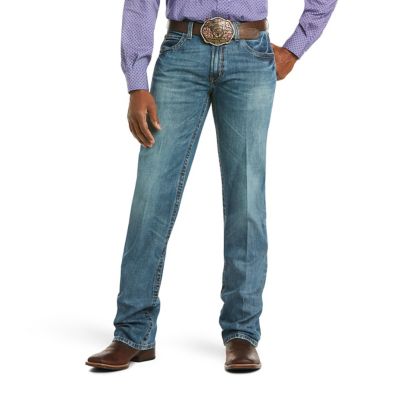
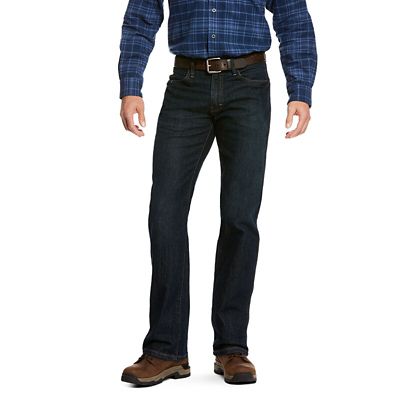
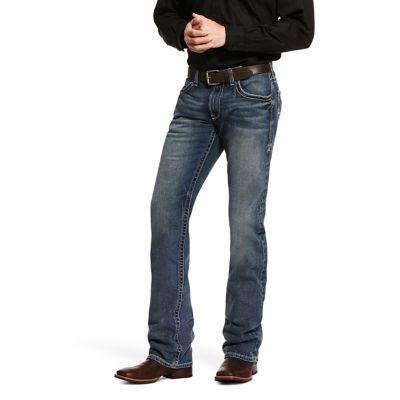
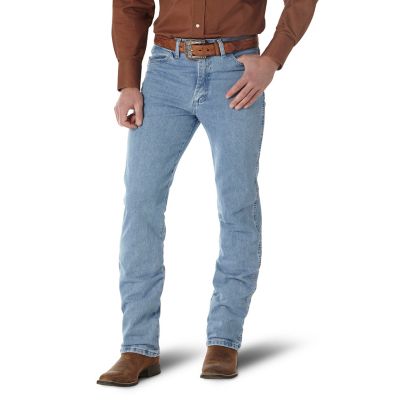
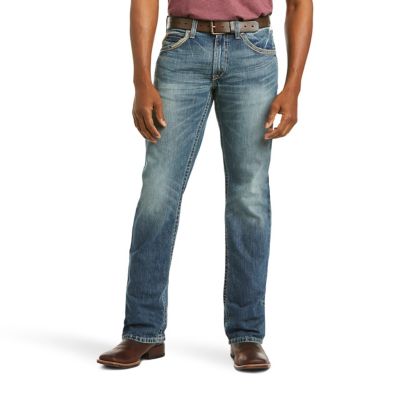
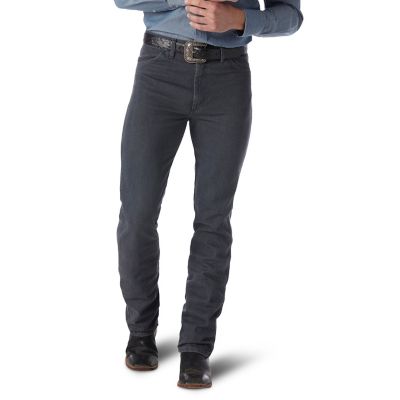
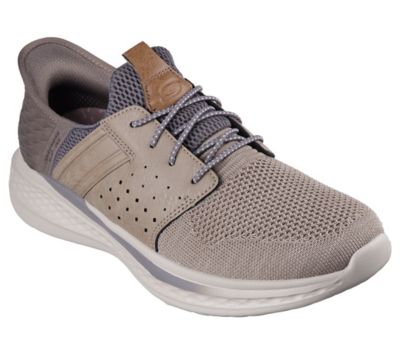
Stylish men's jeans balance a good-looking fit with the freedom to sit, bend, and get on with the day. Straight-leg, relaxed-fit, and roomier cuts give denim a laid-back look without requiring a tight fit through the seat and thighs. A straight leg keeps a fairly even line from the knee to the hem, making it easy to wear with lace-up boots, casual shoes, or sneakers. Relaxed fits generally provide more space through the seat and thigh, while baggy cuts create a looser silhouette with more fabric throughout the leg. Those fit names can vary by maker, so the actual shape matters as much as the label. Slim jeans have their place, too, especially for someone who prefers a closer outline without excess fabric at the ankle. Bootcut jeans open slightly below the knee to sit over boot shafts rather than bunching above them. The best-looking fit follows the wearer’s proportions: a waistband that sits comfortably, enough room across the hips, and a leg opening that works with the footwear. Rise makes a difference here. A mid-rise waist often pairs easily with tucked or untucked shirts, while a higher rise can provide more coverage when sitting in a pickup or leaning over a workbench. Length changes the whole impression as well. A slight break over the shoe gives jeans an easy, everyday finish; too much fabric piled at the ankle can hide the shape of the leg. With boots, a little extra length may help the hem stay where it belongs while seated. These details let the same basic piece feel at home at a family supper, on a trip into town, or during a laid-back evening out. A plain T-shirt lets the denim’s shape stand out, while a button-front shirt and a well-fitting belt give the outfit a more finished look. The result is personal without being fussy, with enough polish for plans beyond the driveway and enough ease for the drive home.
Fabric plays just as big a part in the appeal of
Denim Jeans for Men. All-cotton denim tends to have a firm feel at first and gradually takes on softer folds with wear. That structure can give straight and relaxed cuts a clear shape, especially through the thigh and knee. Denim blended with a small amount of elastane or another stretch fiber offers more give when climbing steps, crouching beside a trailer, or settling into a seat for a long drive. Stretch content alone does not tell the whole story, though; fabric weight, weave, and how well the cloth returns to shape all affect the feel. Jeans that move easily but recover after bending can keep a neater outline through a full day. Lighter denim often drapes more loosely, while heavier cloth tends to feel more substantial and hold a firmer line. Neither approach suits every wearer or every task. Someone who spends much of the day driving may value flexibility at the waist and knees, while someone who prefers a traditional denim feel may favor a sturdier cotton construction. Seams, pocket edges, belt loops, and closures are worth attention because they handle repeated pulling and friction. Reinforcement at stress points can help jeans stand up to regular wear, and smoothly finished seams can make a difference during long hours of sitting or walking. Pocket placement also affects both appearance and function. Back pockets that sit proportionately on the seat help keep the rear view balanced, while front pockets need enough room for everyday essentials without pulling the fabric out of line. A phone or thick wallet can change how jeans hang, particularly in a close fit. For days that move between errands, the workshop, and supper out, the strongest combination is often straightforward: fabric with a comfortable feel, room where movement happens, and a shape that still looks tidy once the shirt is tucked in.
Color and finish give stylish men's jeans much of their character. Dark indigo creates a clean, even look that pairs well with a tucked shirt and leather boots, while a medium blue wash feels familiar with everything from a pocket tee to a plaid button-front. Lighter washes bring more visible contrast to the denim’s texture, and black or gray jeans offer another way to change an outfit without changing the basic fit. Subtle fading can soften the appearance around the thighs and knees; stronger fading, whiskering, and worn-looking finishes make the jeans more casual. Contrast stitching draws attention to pockets and seams, while stitching closer to the fabric color keeps those details quieter. The choice comes down to how much attention the denim should carry alongside the rest of the outfit. Care helps preserve that balance of color, shape, and feel. The care label is the best starting point because cotton content, stretch fibers, dyes, and finishes can call for different treatment. When the label permits, washing inside out in cold water can help limit surface abrasion and color loss. Deep indigo dyes may transfer onto lighter fabrics, particularly before the first few washes, so separate laundering can matter. High dryer heat can contribute to shrinkage and affect stretch fibers; drying methods should follow the garment’s instructions. Prompt attention to a loose seam or a small tear can keep a minor problem from growing through repeated wear. Jeans also make a practical gift for a husband, dad, brother, or anyone who reaches for denim most days. Waist size and inseam are only part of getting that gift right: preferred rise, thigh room, leg shape, and usual footwear matter just as much. Matching the fit of a well-liked pair is often more useful than guessing from a size alone. Whether the wearer favors a clean dark wash or easygoing faded blue, the lasting appeal is the same: jeans that feel natural, suit everyday plans, and look like they belong on the person wearing them.