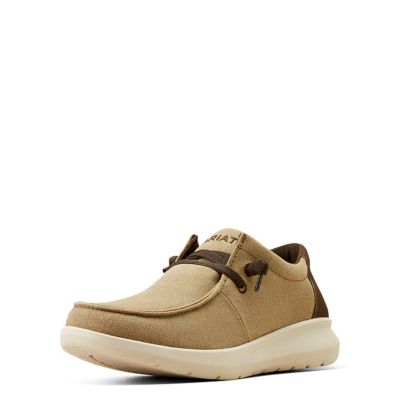
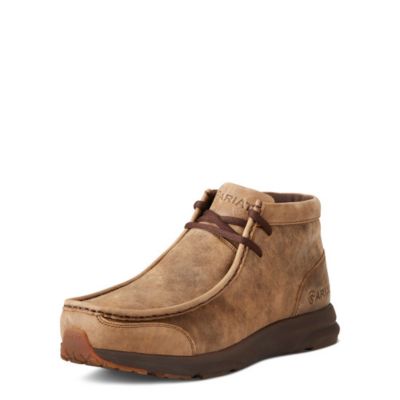
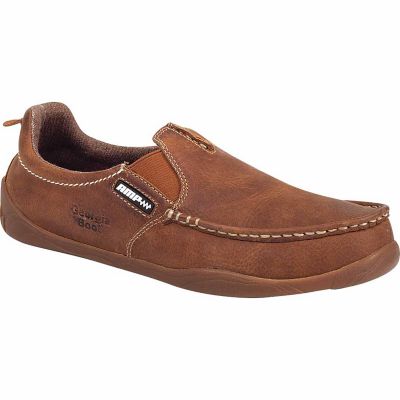
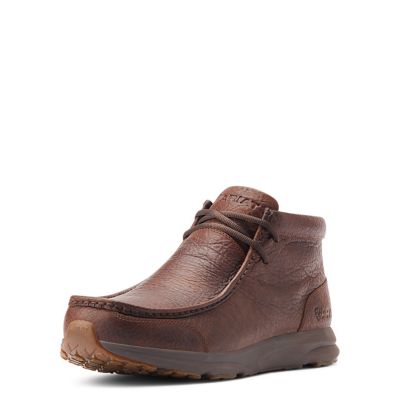
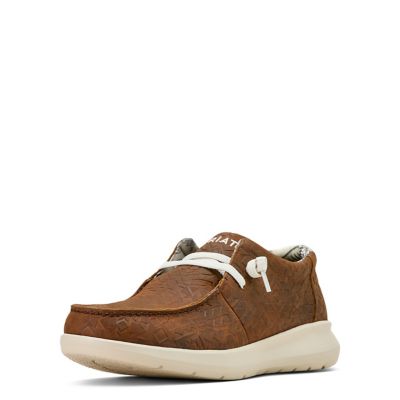
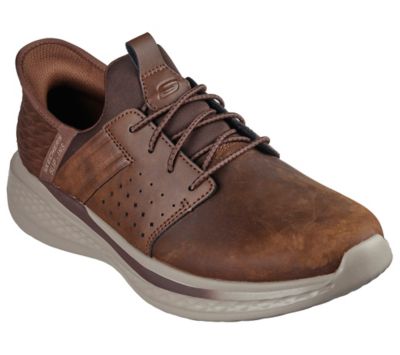
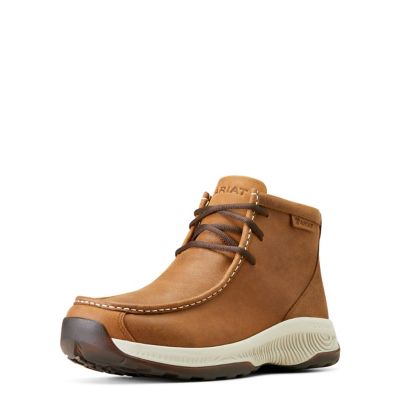
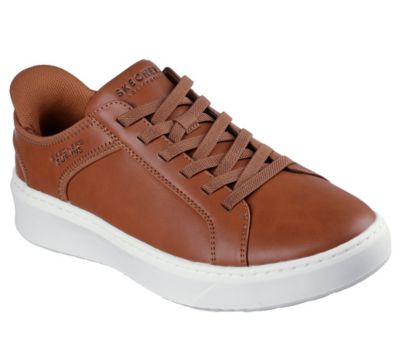
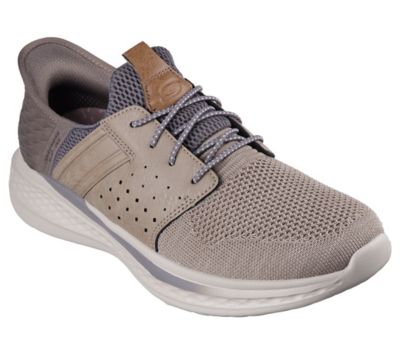
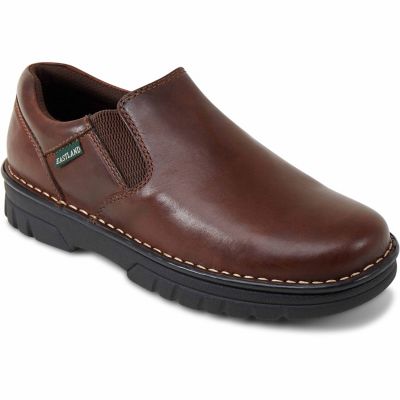
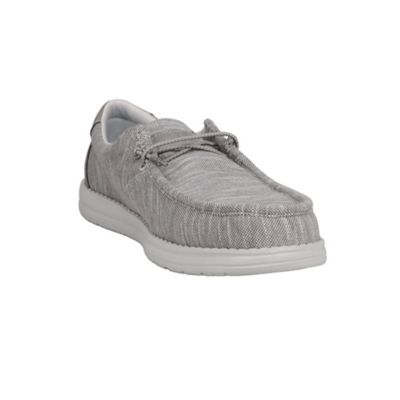
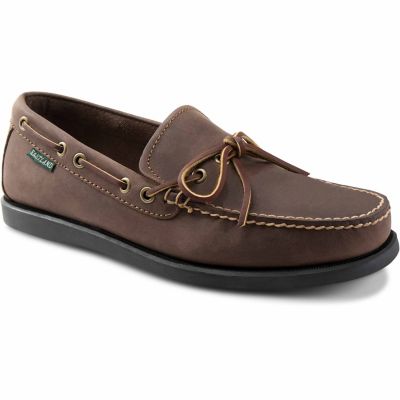
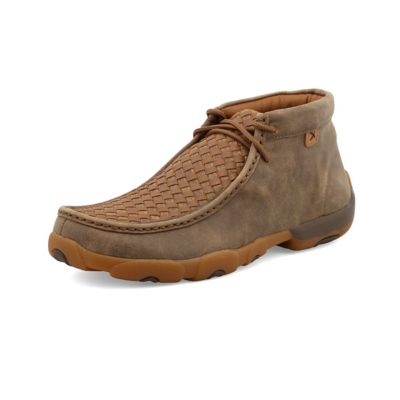
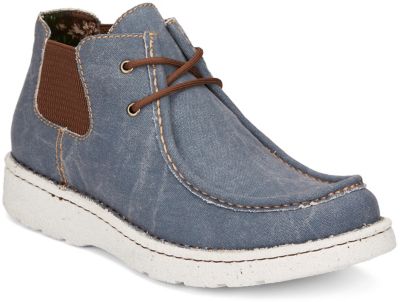
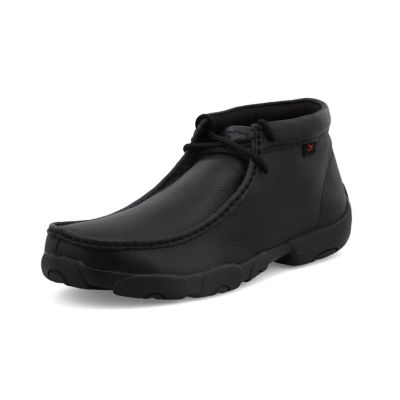
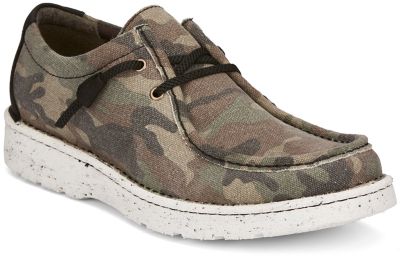
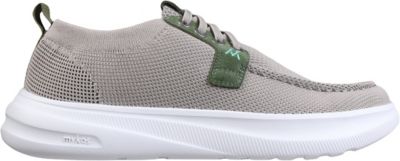
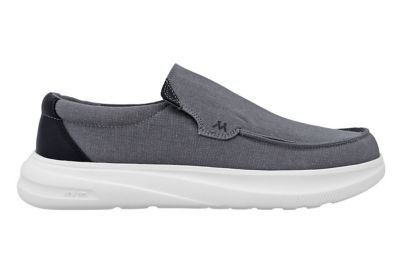
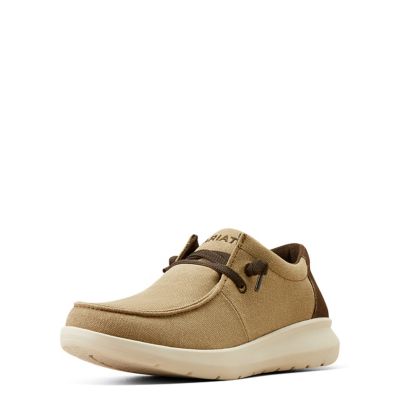
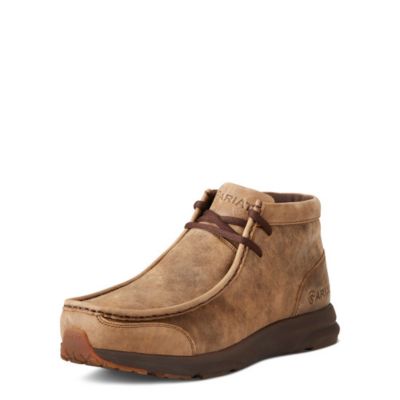
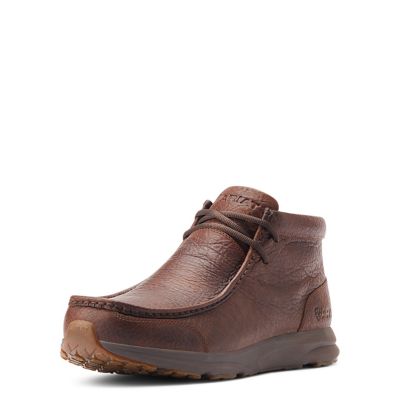
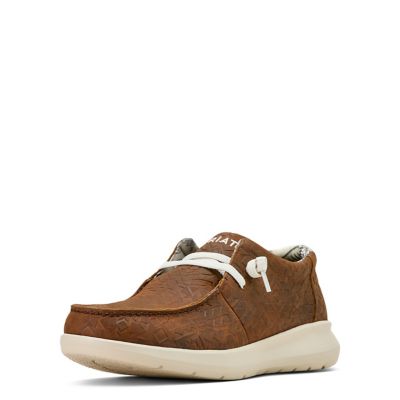
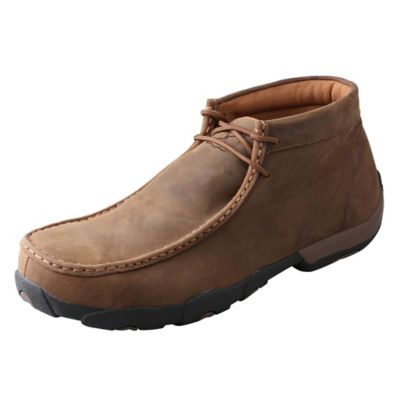
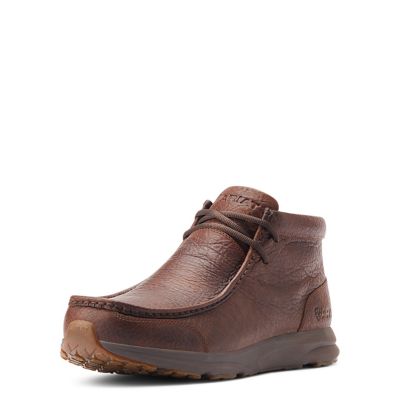
Men’s casual shoes for jeans include low-top sneakers, suede chukkas, leather loafers, and Chelsea boots, each bringing a different feel to an everyday denim outfit. Clean sneakers keep things relaxed for errands, a stop at the feed store, or lunch in town. Suede chukkas bridge the gap between laid-back and dressed up, while loafers give dark denim a tidier finish for dinner or a casual office. Chelsea boots offer a smooth ankle line that works well under straight-leg jeans without laces showing above the shoe. The right pairing depends as much on the cut of the jeans as the footwear itself. Straight-leg denim leaves room for sneakers and ankle boots, while slimmer jeans generally sit more neatly over shoes with a narrower profile. Relaxed-fit jeans can balance a more substantial sole, provided the hem doesn’t swallow the shoe or drag under the heel. A slight break at the front of the shoe keeps the outfit easygoing; a shorter hem shows more of a low-top sneaker or loafer. Dark, evenly colored denim tends to look more dressed up with smooth leather, while faded blue jeans suit canvas, textured suede, and simple everyday sneakers. White sneakers create a crisp contrast with blue denim, brown shoes pair naturally with most blue washes, and black footwear works especially well with black, gray, or dark indigo jeans. Tan and tobacco shades add contrast without making the shoes the center of attention. These combinations leave plenty of room for a plain T-shirt, flannel shirt, polo, or button-down. For a meal at the local diner, canvas sneakers and relaxed jeans feel right at home. For a family gathering, dark straight-leg denim with leather loafers or chukkas looks pulled together without getting formal. A belt in a similar leather shade can tie things together, but an exact color match isn’t necessary. The aim is an outfit that suits the occasion and still feels like something you’d wear on an ordinary day.
Materials and construction make a noticeable difference when casual shoes spend several hours on your feet. Smooth leather offers a clean appearance and can develop character with regular wear, while suede has a softer, textured finish that pairs well with denim’s woven surface. Canvas keeps the look informal, and mesh panels can help air move through the upper. Leather linings, fabric linings, and padded collars each feel different against the foot, especially around the heel and ankle. Underfoot, a cushioned footbed can soften the feel of standing on firm floors, while a flexible forefoot lets the shoe bend as you walk. A thicker sole may feel more substantial, but thickness alone doesn’t tell you how comfortable a shoe will be. The shape of the footbed, the amount of room across the ball of the foot, and the way the heel sits all matter. A comfortable fit leaves space for toes to move without letting the foot slide forward with every step. Shoes shouldn’t pinch across the widest part of the foot or require tightly pulled laces just to keep the heel in place. Trying footwear with the socks normally worn with jeans gives a better sense of everyday fit. Someone who wears thicker crew socks may need a different amount of room than someone who prefers thin socks. Lace-up shoes allow adjustments across the instep, while loafers and other slip-ons depend more heavily on a close match between the shoe’s shape and the foot. Chelsea boots also need enough room through the opening for easy entry without feeling loose once they’re on. Removable footbeds can be helpful for people who wear their own inserts, though the shoe still needs enough interior space to accommodate them. For long stretches of walking around town or standing at a get-together, comfort matters more than a sleek outline alone. Casual shoes suit everyday outings and relaxed workplaces; they aren’t a substitute for protective work footwear when a task calls for toe protection, puncture resistance, or other safety features.
Everyday wear puts stress on the same places: the heel lining, the flex point behind the toes, the outsole, and the edges where the upper meets the sole. Well-finished seams, firmly attached soles, and a heel that holds its shape are worth considering alongside color and style. Care also plays a part in how long casual shoes stay comfortable and presentable. A soft brush removes loose dust from leather, while a lightly damp cloth can lift surface marks before they settle into creases. Leather conditioner should suit the material and follow the footwear maker’s directions; too much can leave a residue or alter the finish. Suede calls for a suede brush and cleaning products intended for its textured surface rather than ordinary leather polish. Canvas and fabric uppers may allow spot cleaning, but machine washing isn’t appropriate for every construction. Care labels help settle that distinction. After cleaning, shoes should air-dry away from direct heat, which can affect leather, adhesives, and certain sole materials. Keeping a second pair in rotation gives linings time to dry between wears, and loosening laces before taking shoes off reduces strain around the heel. A shoehorn can help preserve the back of a loafer or slip-on. Worn tread, separating soles, or a flattened footbed can change how footwear feels, even when the uppers still look presentable. For someone who spends most days in denim, a neutral pair can cover plenty of ordinary occasions without needing a different outfit for every stop. The everyday appeal of
Casual Footwear for Men is having footwear that feels at home with the jeans already in your closet. Casual shoes can also make a thoughtful birthday gift for a dad, husband, brother, or friend when his size, preferred width, and usual style are known. A man who reaches for slip-ons each morning may appreciate easy entry more than a new lace-up look. Someone who regularly wears dark jeans and button-down shirts may get more wear from leather than canvas. Familiar habits offer a better starting point than choosing by appearance alone.