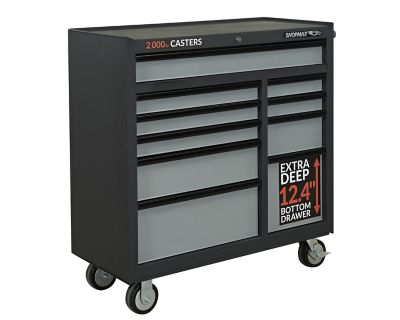
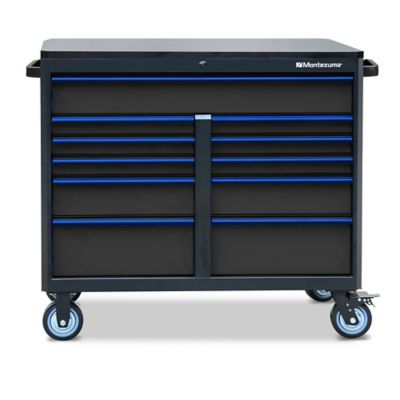
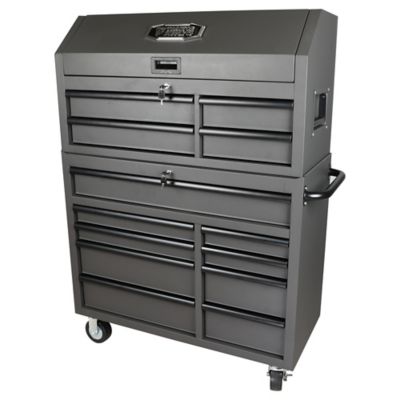
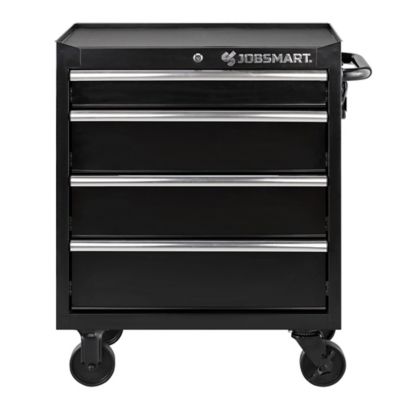
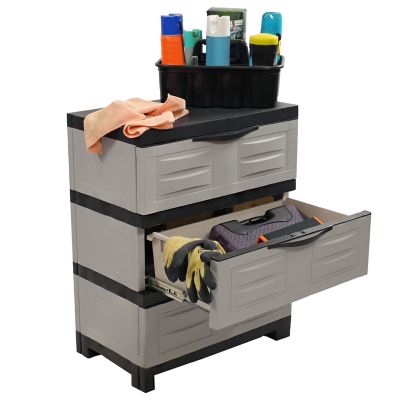
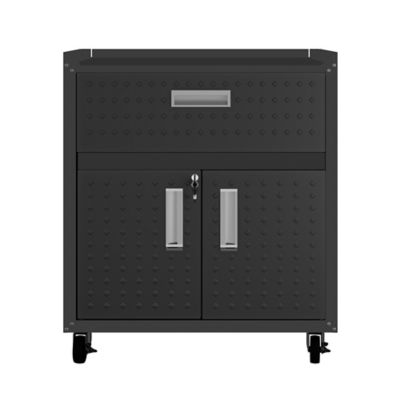
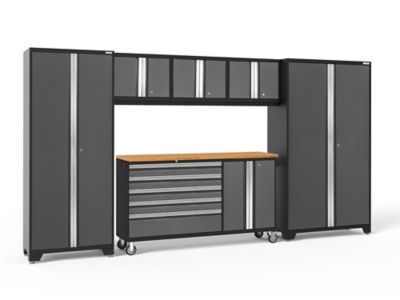
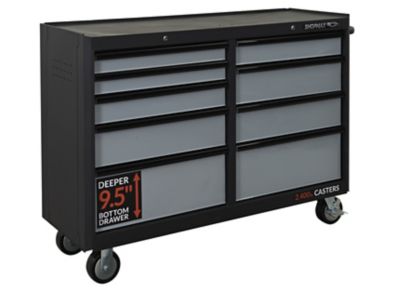
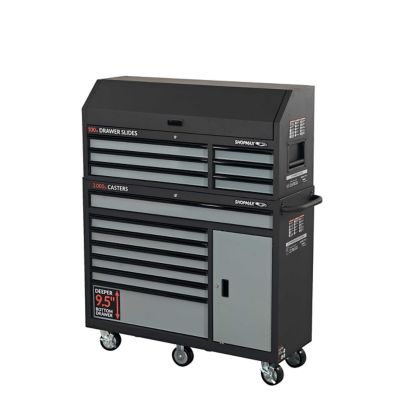
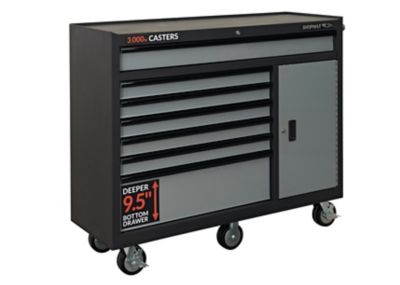
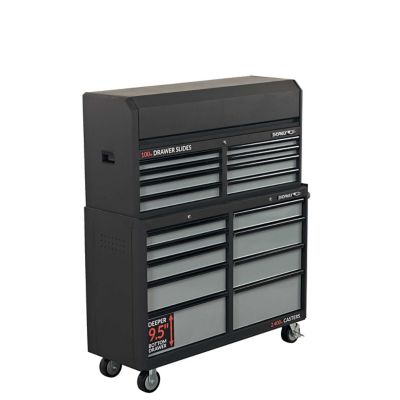
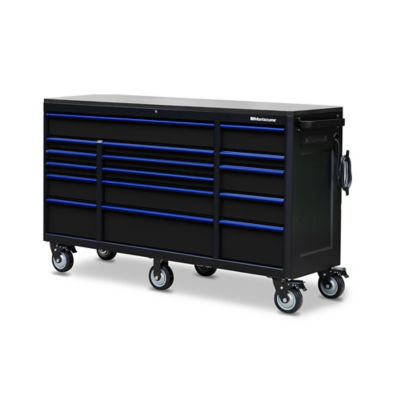
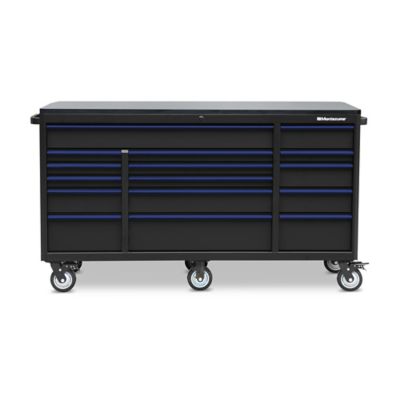
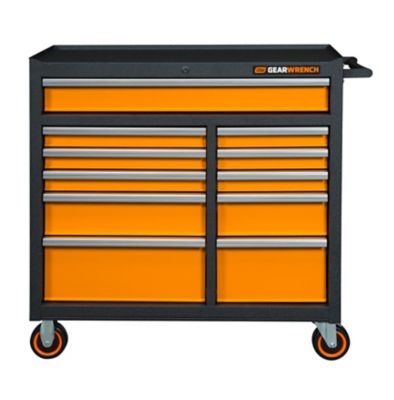
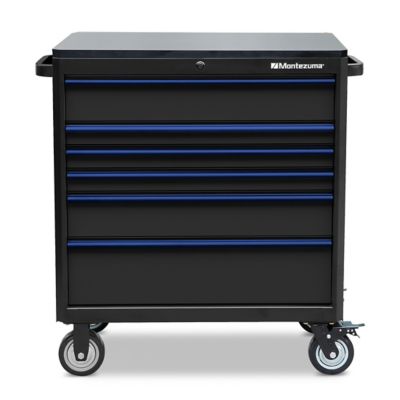
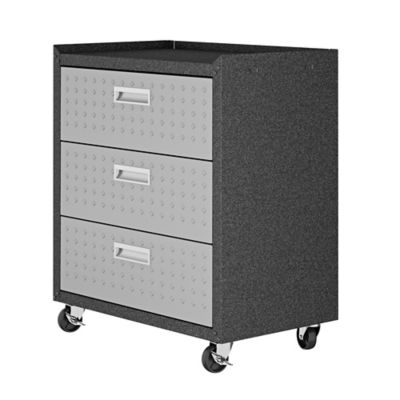
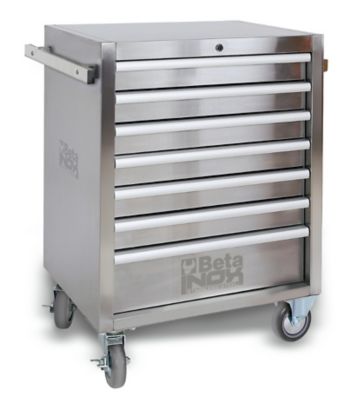
Garage storage cabinets with drawers give hard-working spaces a place for the small gear that can otherwise take over a workbench. Sockets, wrenches, drill bits and fasteners are easier to find when they sit in separate drawers instead of sharing a deep bin. For folks maintaining a mower, fixing fence hardware or keeping a pickup ready for the next haul, that organization makes a difference between chores. Shallow drawers work well for hand tools and small parts laid out in a single layer, while deeper drawers make room for larger tools, cases and other equipment. A mix of drawer depths can suit a garage that handles everything from household repairs to weekend engine work. The cabinet’s outside dimensions only tell part of the story, though. Interior drawer width, depth and usable height determine whether a long breaker bar, a socket tray or a boxed tool set will fit without being wedged into place. Drawer extensions matter, too: a drawer that pulls out far enough to expose the back makes it easier to reach the tool tucked behind a row of handles. Dividers and fitted trays, where compatible, help keep smaller pieces from shifting every time a drawer opens. Liners can soften the clatter of metal tools and protect the drawer bottom, provided they suit the contents and stay clean and dry. Labels on drawer fronts can be handy in a shared garage, especially when more than one person reaches for the same tape measure or set of pliers. A sensible layout keeps frequently needed tools close at hand and gives less-frequent repair supplies their own space. Whether the garage belongs to a home mechanic, a small-acreage landowner or someone who simply likes a clear bench, drawer storage helps make room for the work rather than the search.
Materials and construction play a big part in how a cabinet handles that routine. Steel is a common choice for garage storage because its strength suits tool loads, and painted or powder-coated surfaces can help protect the metal when the finish remains intact. No finish makes a cabinet immune to standing water, road salt or damp tools, so care still matters in a garage where wet tires and muddy boots are part of the day. Wiping away moisture, cleaning spills promptly and following the manufacturer’s care directions help keep surfaces in good shape. Scratches that expose bare metal deserve attention according to the finish-care instructions, particularly near a garage entrance. Cabinets made with wood-based components need attention to moisture limits as well, especially along edges and near the floor. Beyond the outer shell, drawer slides, joints, handles and the cabinet base all contribute to how the storage feels under a working load. A drawer full of sockets puts different demands on its slides than one holding shop towels, and the listed weight rating for each drawer matters just as much as the total cabinet capacity. Even loading helps drawers move smoothly; heavier gear generally belongs low in the cabinet, within the stated limits. Ball-bearing slides can make opening a loaded drawer easier, but slide type alone does not establish how much weight it can carry. Locks can help limit access to tools and supplies, while latches may help keep drawers shut where the design calls for them. Neither feature replaces proper storage for hazardous materials or safe access around children. For a cabinet that will see regular wrenching, greasy hands and the occasional bump from a tool case, straightforward details such as easy-to-grip pulls, cleanable surfaces and clearly stated load limits often matter more than appearance. The goal is storage that still works smoothly after plenty of ordinary days in the shop.
Fit in the garage is about more than finding an empty stretch of wall. A cabinet needs enough room for its drawers to open while leaving a practical path beside a parked vehicle, workbench or doorway. Handles can project beyond the cabinet body, and a deep open drawer can reach farther into an aisle than expected. Under-bench cabinets need clearance beneath the work surface, while taller units need space away from garage-door tracks, wall controls and overhead obstructions. A level base helps drawers operate as intended, and anchoring or anti-tip requirements should always follow the manufacturer’s directions. Keeping several loaded drawers open at once can create a tipping hazard, even when the cabinet looks substantial. Rolling cabinets bring tools closer to a repair job, but caster capacity, wheel size, floor condition and locking mechanisms affect how practical that movement will be. A smooth concrete bay is a different setting from a cracked floor with a raised threshold. Stationary cabinets make sense where the tools have a regular home, especially beside a bench with good task lighting. If a cabinet includes a top surface, its intended use and load rating determine whether it serves as a landing spot for parts or a surface for certain tasks; not every cabinet top is a workbench. Drawers are especially useful for smaller gear, while taller or awkwardly shaped equipment may fit better behind doors. Pairing drawer storage with
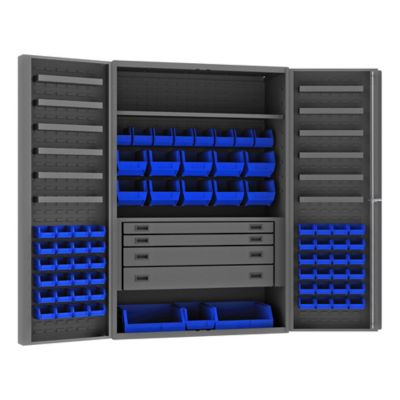
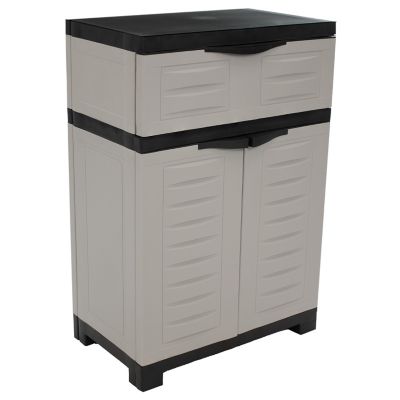
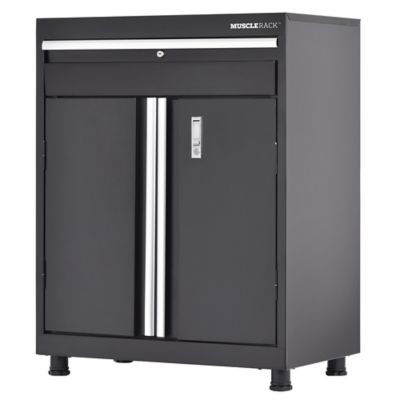
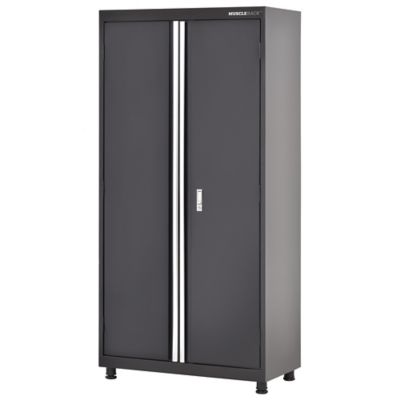
Garage Storage Cabinets With Doors can give a workspace both divided tool storage and room for larger belongings. During the cooler months, that arrangement can help keep repair gear together while outdoor equipment gets attention inside. A cabinet can also make a practical gift for someone setting up a first garage or expanding a longtime workshop, as long as the footprint and storage needs are known. Well-matched storage leaves the bench ready for the next loose bolt, stubborn hinge or piece of equipment that needs getting back to work.