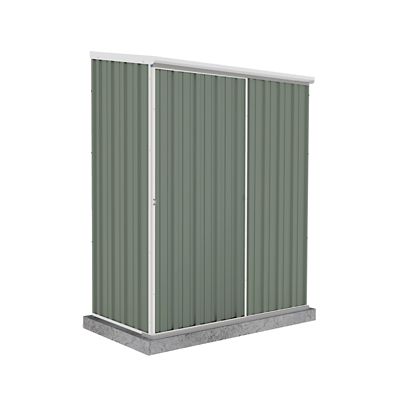
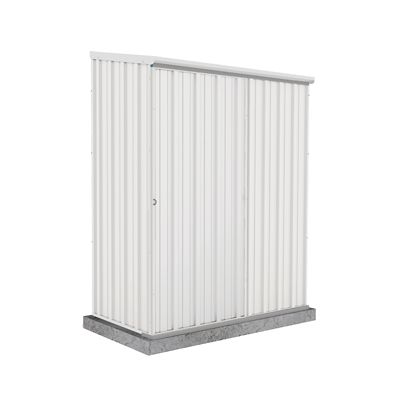
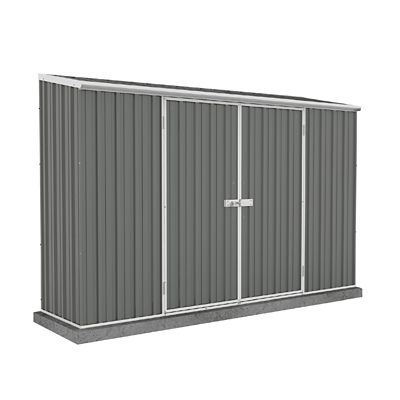
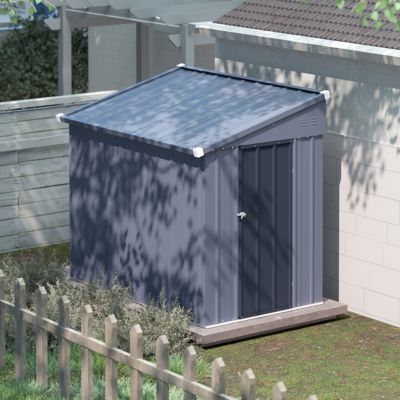
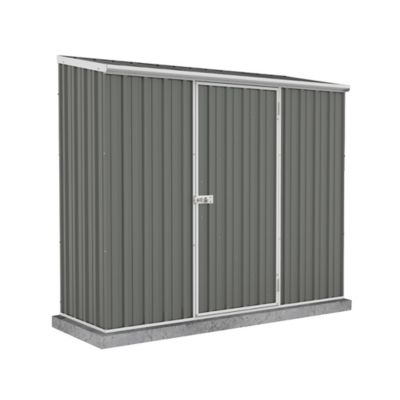
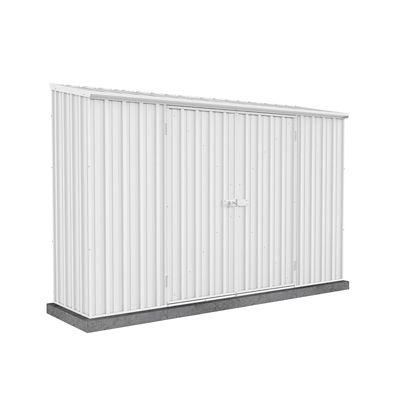
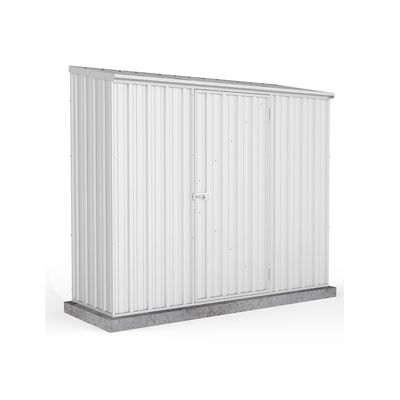
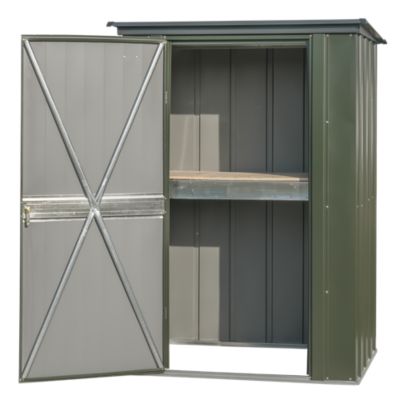
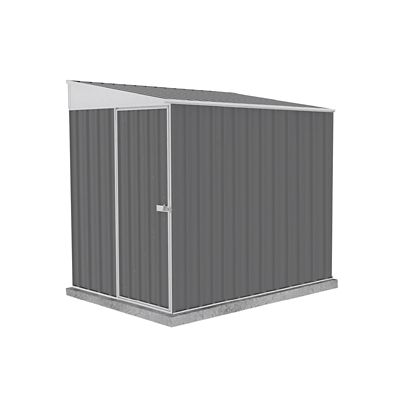
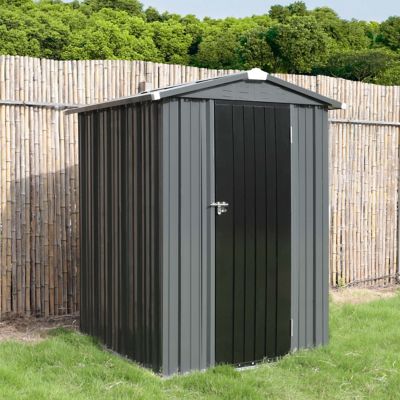
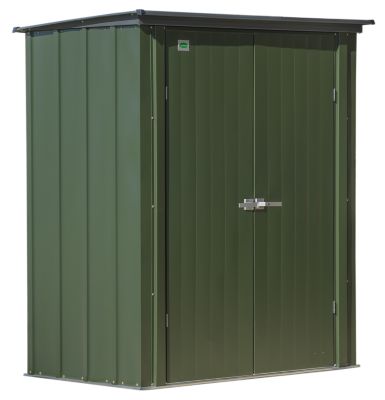
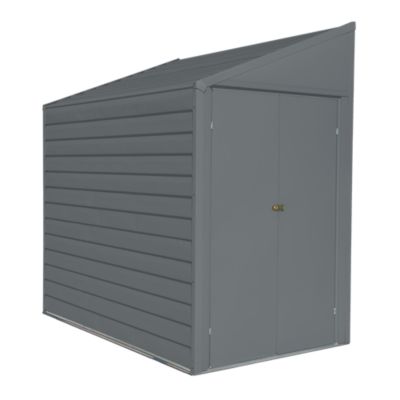
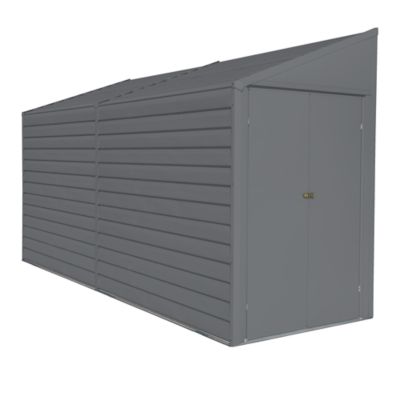
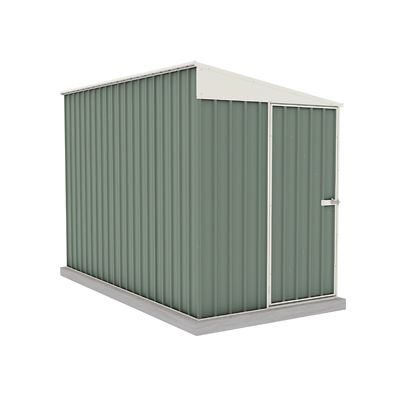
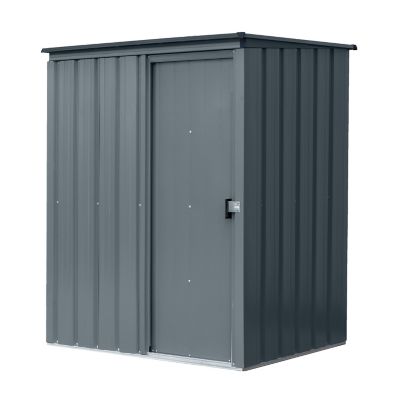
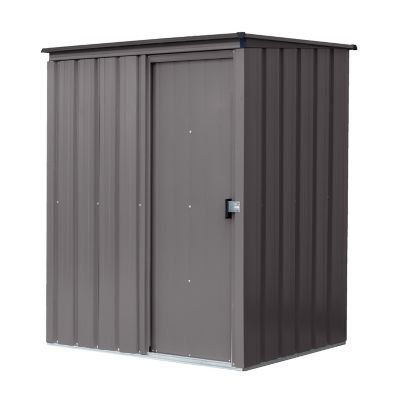
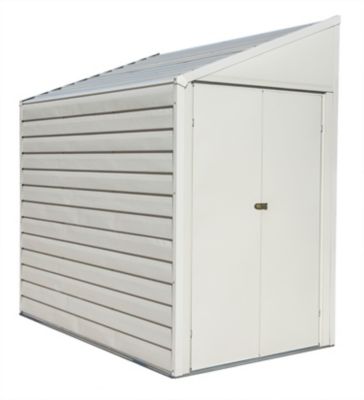
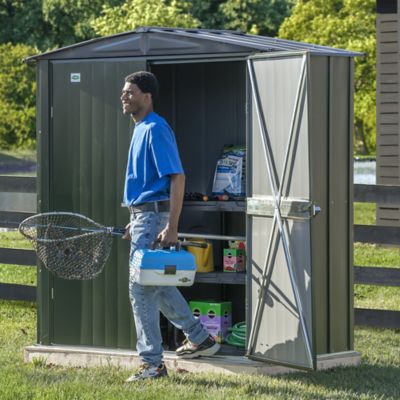
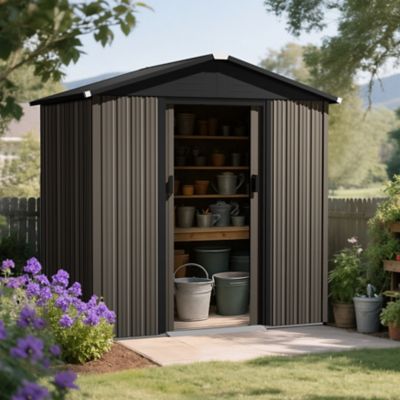
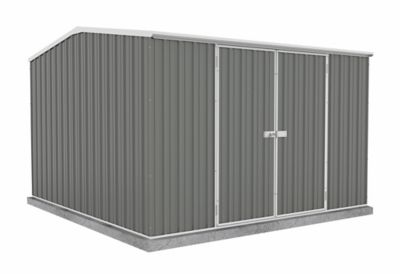
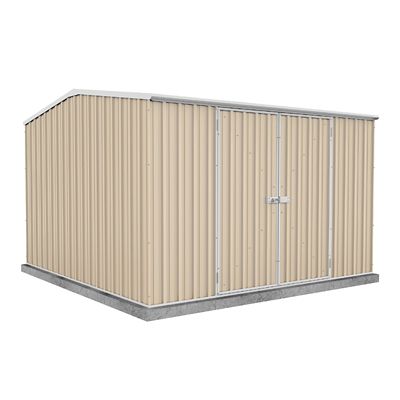
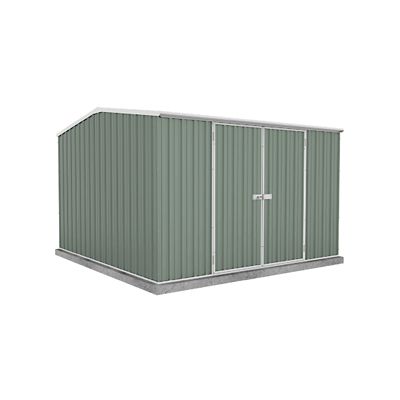
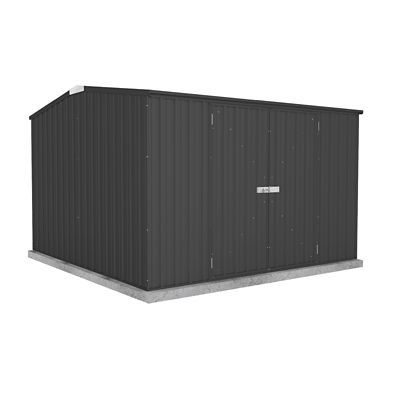
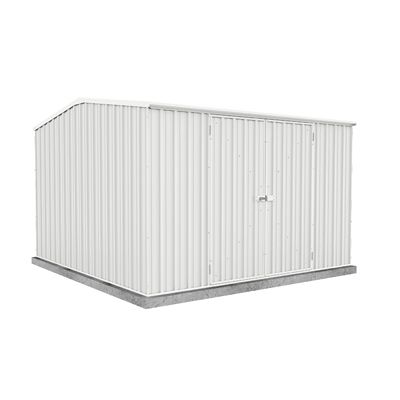
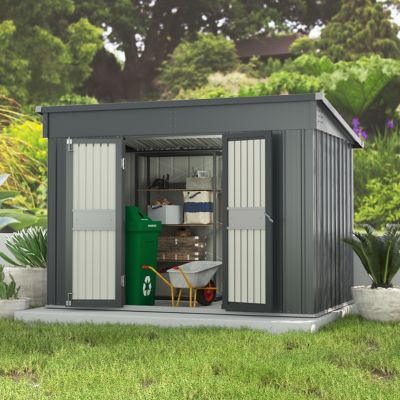
A small metal garden shed gives everyday yard gear a place of its own without asking for a big stretch of ground. On a country lot, behind a house, or beside a kitchen garden, that compact footprint can help keep long-handled tools, watering cans, empty pots, and bags of soil out of the garage aisle. It also puts the things that travel back and forth to the garden closer to the job. For a homeowner tending a few raised beds, the right layout might center on upright tool storage and a clear spot for a cart. For someone caring for a larger place, a smaller shed can serve as a second storage point near a fenced garden or planting area, saving repeated trips across the property. Overall dimensions tell only part of the story. Exterior width and depth may include roof overhangs, while interior measurements show the room left for belongings. The doorway matters just as much as the floor plan when a wheelbarrow, spreader, or walk-behind mower needs to pass through. Handles, wheels, and attachments can take up more room than expected, especially at a narrow entrance. Headroom along the walls also affects where taller tools can stand, since roof shape may leave less clearance at the edges than at the center. A compact shed feels more useful when there's enough open space to reach the back without unloading everything at the door. Hinged doors need room to swing, while sliding doors keep that area clear but depend on clean tracks and proper alignment. Door placement can make a difference, too: an entrance facing a path offers a different setup than one tucked against a fence. A spot close to the garden may be handy, but access for mowing, carrying supplies, and working around the building still belongs in the plan.
Steel panels, metal framing, and galvanized or painted finishes are common features of small metal garden sheds, though construction details vary. Panel thickness, frame layout, connection points, and the way the doors meet all influence how solid a shed feels in everyday service. A metal exterior does not provide the same insect-feeding surface as wood, but floor components and belongings inside may still need protection from pests. Metal can also dent when struck by heavy equipment, so room between the walls and moving gear helps keep the panels in better shape. Protective coatings help limit corrosion, while scratches, cut edges, and fastener locations deserve attention according to the manufacturer's care directions. A sound base matters just as much as the walls above it. Some sheds include a floor, some include only a floor frame, and others call for a separate base, making the floor description an important part of comparing options. Concrete, wood platforms, and other approved foundations each have their own requirements; the shed's instructions determine what suits that structure. A level, square base helps doors line up and gives the frame even support. Ground contact, trapped leaves, and soil piled against the bottom edge can hold moisture where it doesn't belong. Keeping that lower edge clear supports routine upkeep without turning shed care into a big chore. Vents help air circulate, but ventilation alone won't protect every kind of stored material from moisture. Paper bags, textiles, and moisture-sensitive gear may need sealed containers or a different storage spot. Assembly also deserves a place in the comparison, since panel buildings often involve many fasteners and more than one set of hands. Hardware, foundation materials, anchoring, and floor components aren't always part of the same package. Local permit rules, property-line setbacks, easements, and manufacturer anchoring requirements can affect placement even when the building is small.
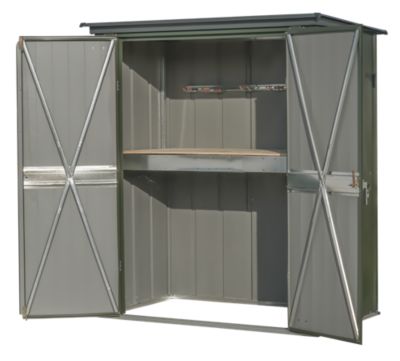
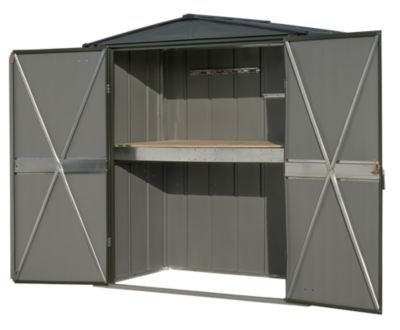
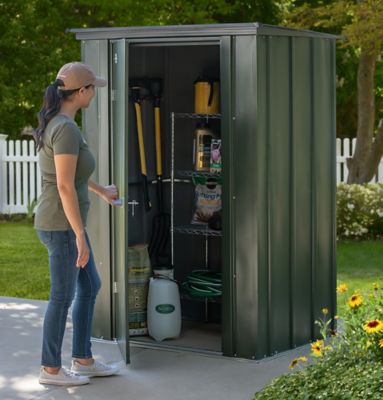
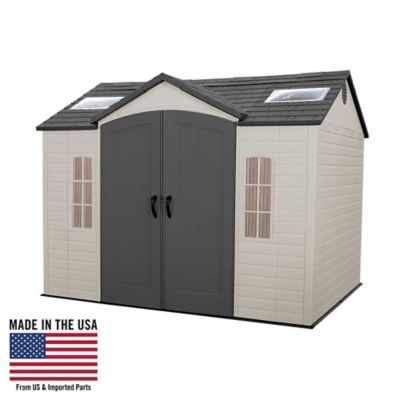
Inside, a practical arrangement makes a small shed work harder without crowding the doorway. Long-handled tools standing together, small supplies in labeled bins, and heavier belongings down low can make the space easier to navigate. Freestanding shelving offers storage without relying on thin wall panels, provided the floor supports the load and the shelving fits clear of the doors. Wall-mounted racks and hooks need attachment points approved for the shed's construction rather than screws driven wherever there's an open patch of metal. Shelf depth matters, too. Deep shelves may swallow the walking space, while narrower shelves can keep gloves, twine, hand tools, and plant labels within easy reach. Containers with lids help keep loose supplies together, and a dedicated spot for muddy tools can make cleanup simpler. For households with children or pets, a latch or lock provision is worth considering, though a locked shed is no substitute for following storage directions on garden chemicals and other potentially harmful materials. Door hardware varies, and the presence of a padlock opening does not make a light metal building a secure home for valuables. The best fit is often a straightforward storage space for the gear that earns its keep around the yard, rather than a catchall for everything that no longer fits elsewhere. A gardener with mostly hand tools may have very different space needs from someone parking wheeled equipment alongside potting supplies. For properties that call for more room and a different construction material,
Large Plastic Garden Sheds offer another direction to consider. Staying with a smaller footprint makes sense when the storage list is modest and ground space needs to remain open for planting or everyday chores. Thoughtful sizing, a suitable foundation, and easy access give a small metal garden shed a clear role: keeping yard essentials gathered in one place, with less shuffling around when there's work to get done.